

The First Regional Reunion of the Latin American Motus System has brought experts from around the world together to shape new regional leaders, strengthen migratory bird tracking, and close information gaps that hinder conservation efforts.
Six years ago, Mexico did not have a single station belonging to the international Motus network. Today, our country plays a role in a rapidly expanding scientific infrastructure that is shaping our understanding of birds’ migratory routes across the continent.
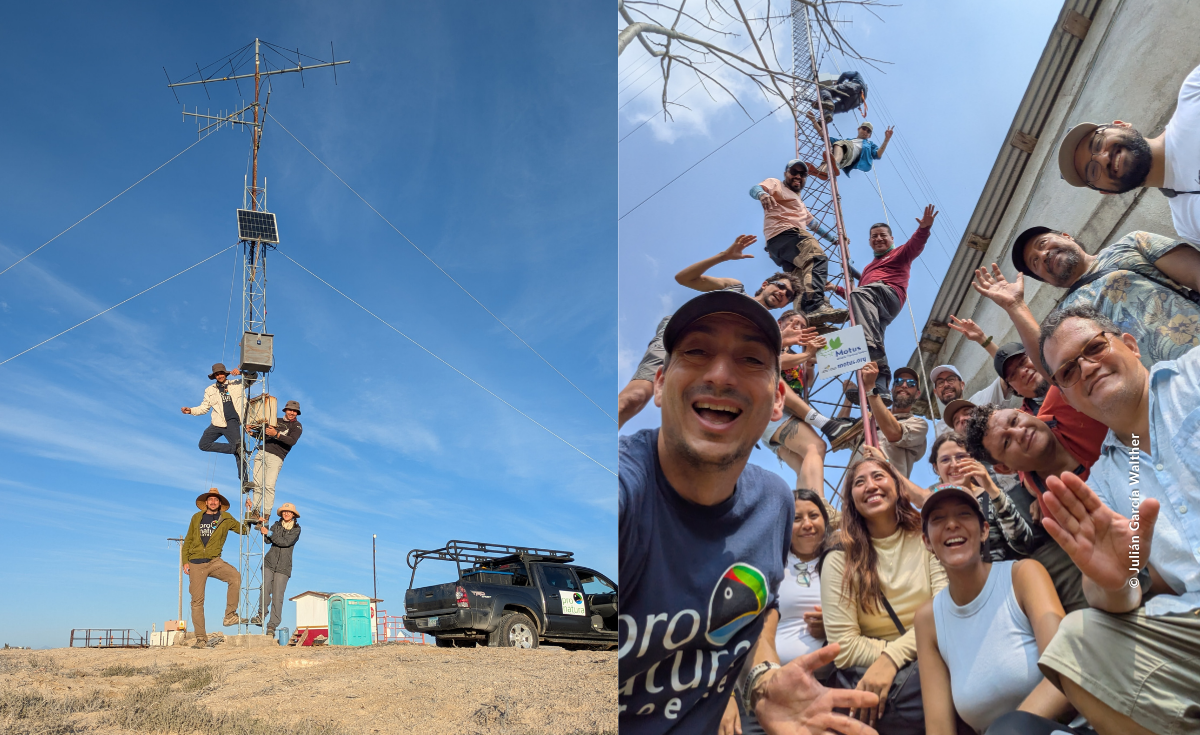
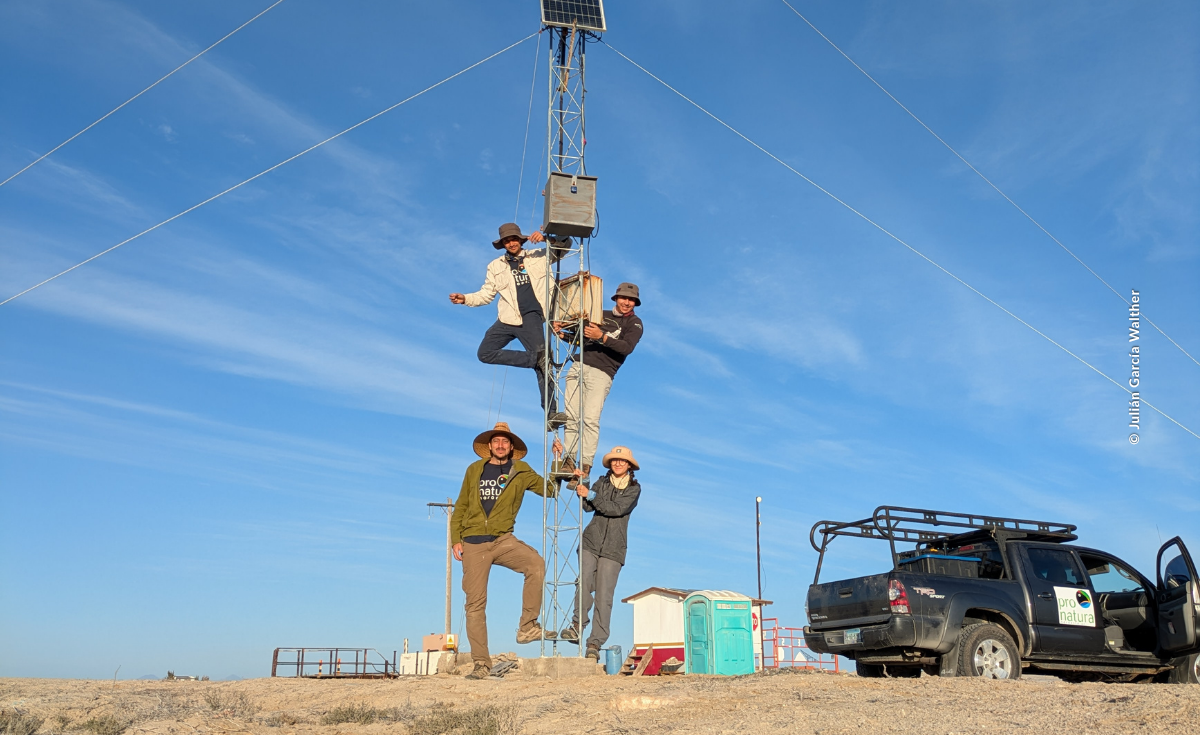
At Pronatura Noroeste, we have spent the last five years contributing to these efforts. What began as the installation of automated telemetry stations in Northwestern Mexico has become a national reference for marking and tracking migratory birds through the international Motus network.
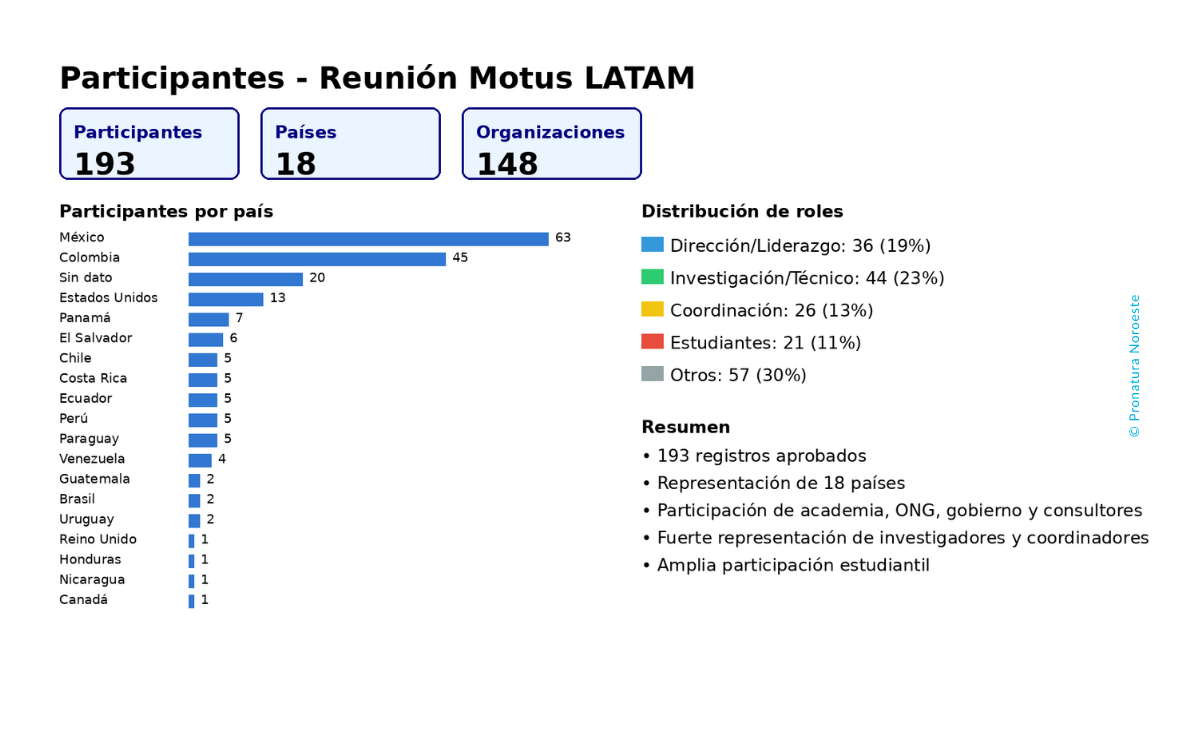
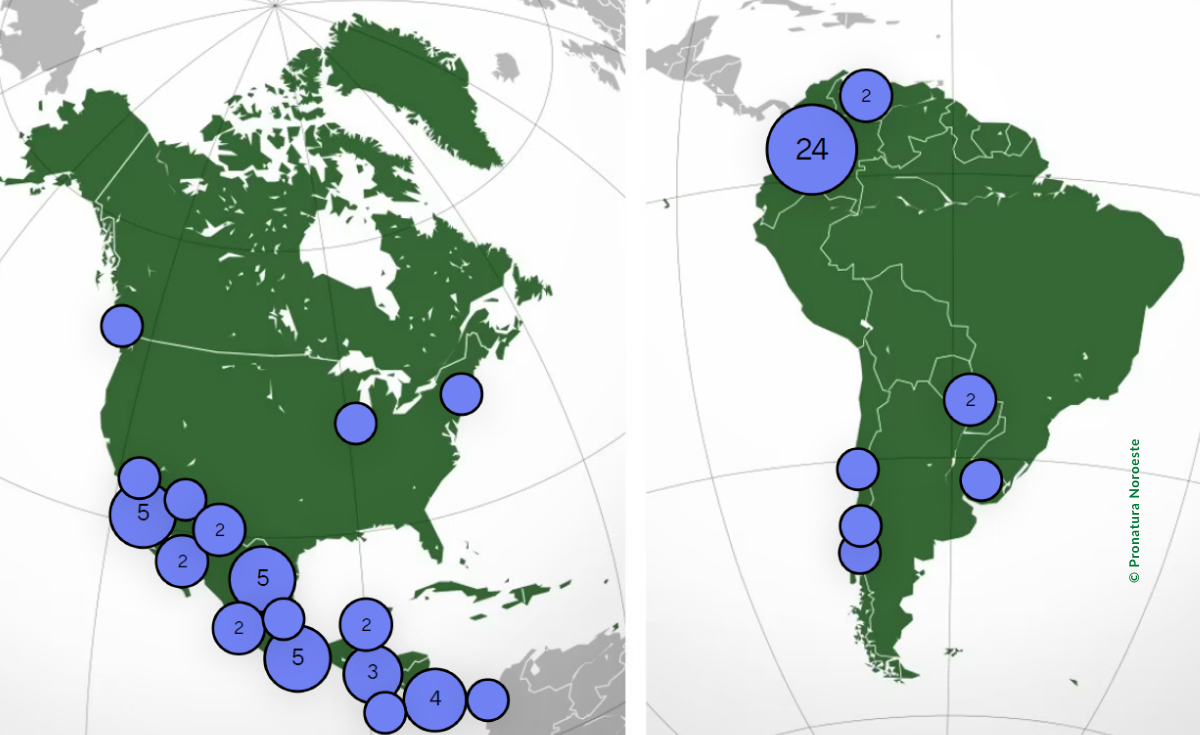
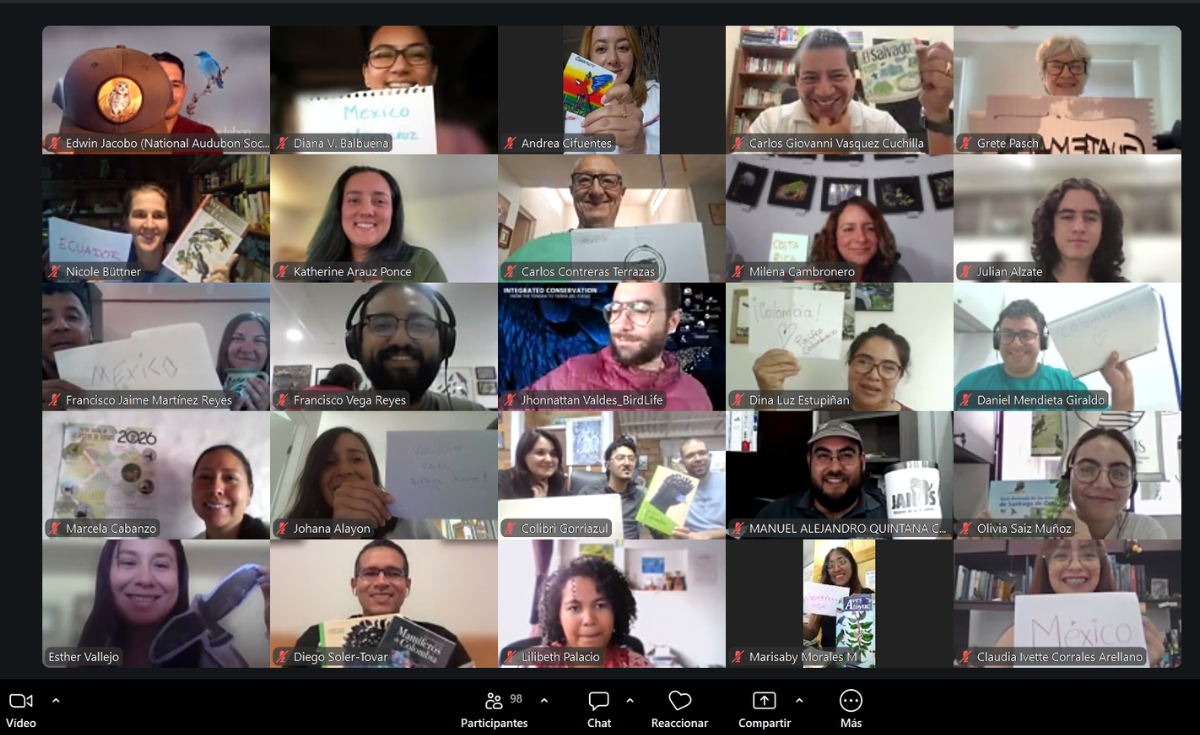
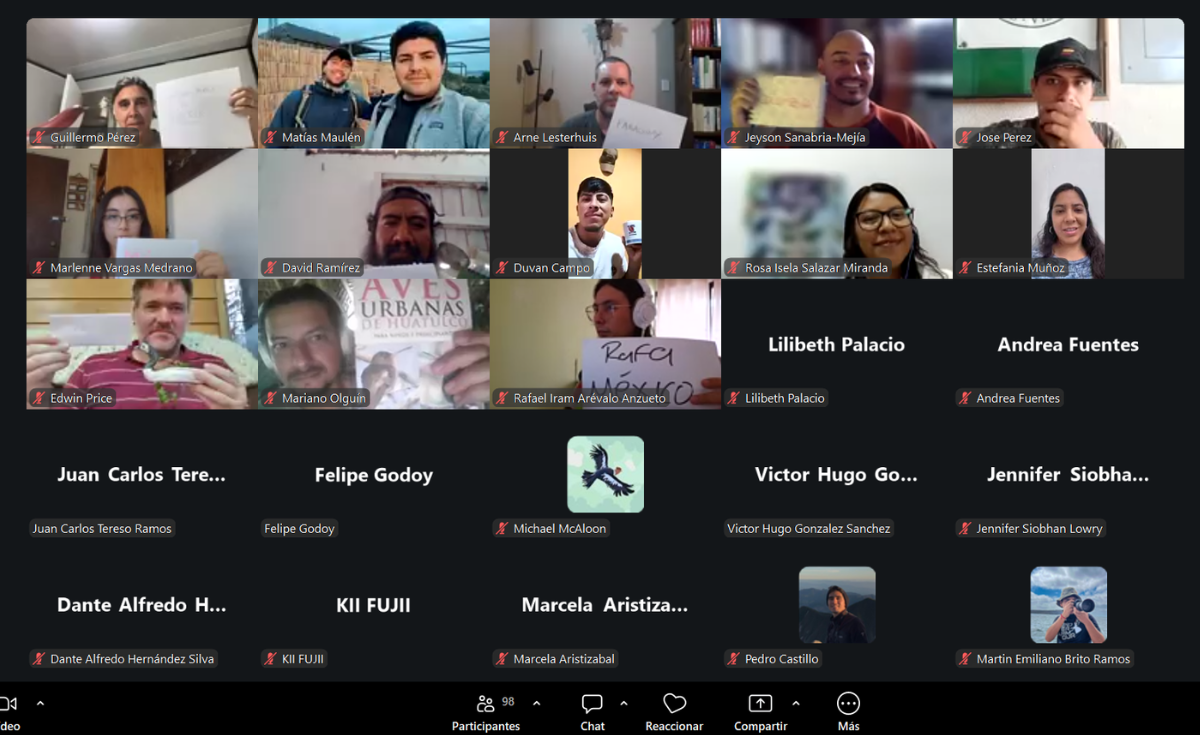
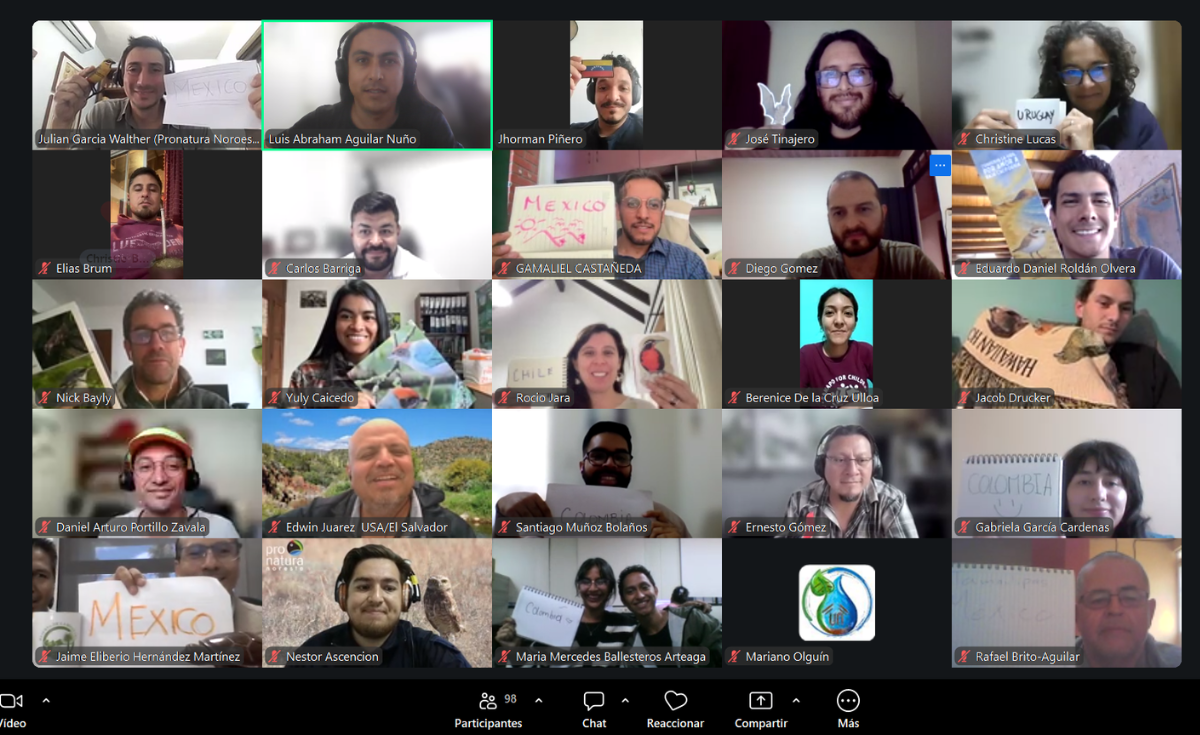
This leadership drove us to coordinate, alongside with organización Colombiana Selva, the First Regional Reunion of the Latin American Motus System. It was a virtual meeting, where we were able to share our knowledge, identify challenges, and address gaps in our understanding needed to expand this technology across the region. Over 100 people all across Latin America joined the gathering.
“We have been working on the Motus project for five years now. We have installed automated telemetry stations throughout northwestern Mexico, and, without even realizing it, we became leaders in the region and across Mexico in installing these stations, as well as in marking and tracking birds,” explained Julián García Walther, our Bird Laboratory coordinator.
Strengthening the Network Where It Is Needed Most
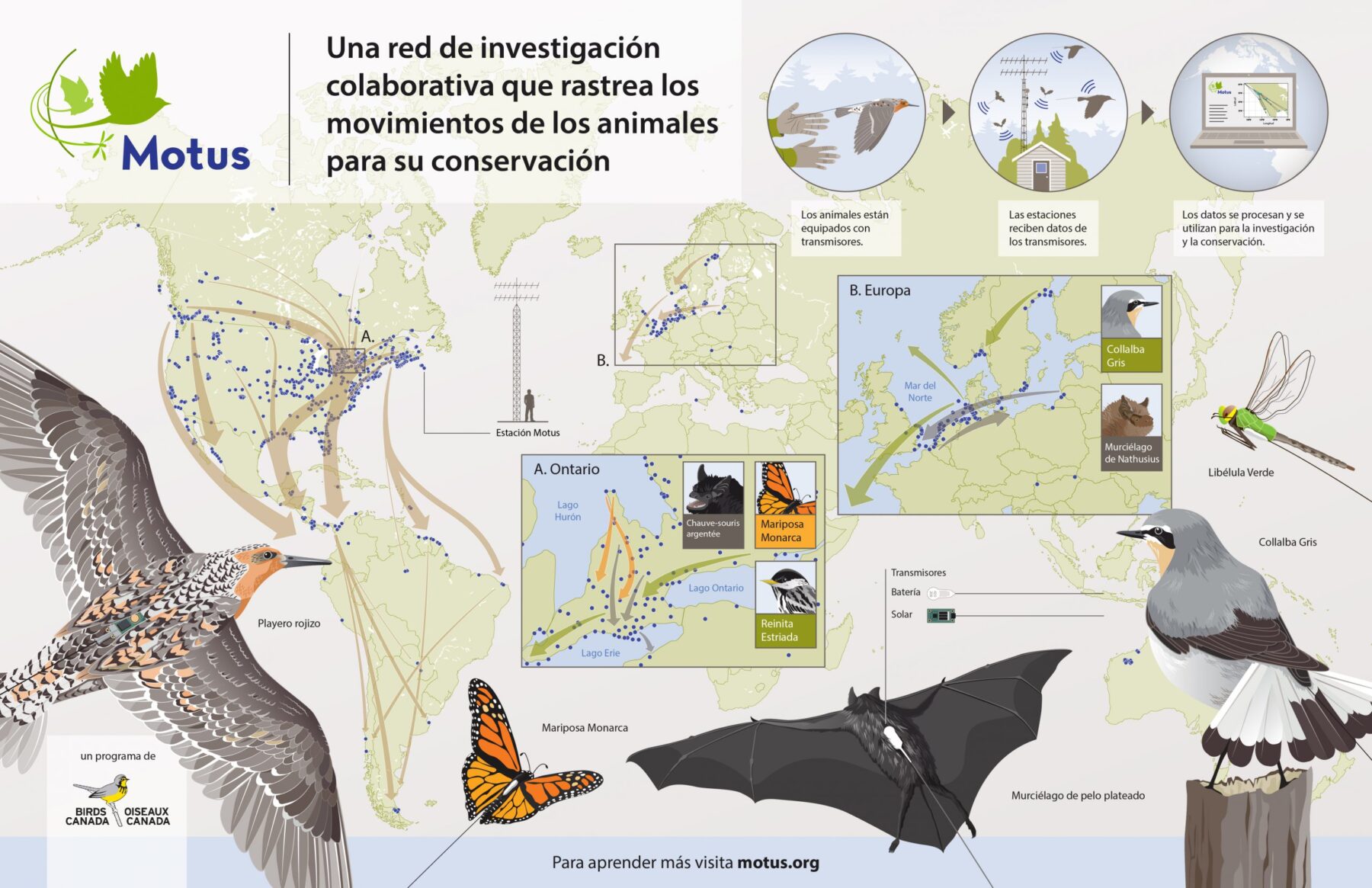
The Motus System is a collaborative, international research network that uses automated radiotelemetry to track small animals such as birds, bats, and insects. It currently has 2,412 stations across 34 countries and has enabled researchers to tag 65,301 birds from 492 species.
Despite its growth, the network still faces a significant challenge in Latin America. Every year, millions of migratory birds travel thousands of miles between North America and their wintering grounds in Mexico, Central America, and South America.
Although many of these birds are fitted with radio transmitters in the United States, Canada, and increasingly in Latin America, a significant portion of their journey still takes place in areas with few stations capable of detecting their transmitters.
“If there are no Motus stations to detect them in these areas, we are losing half of their journeys, half of the information they provide. These southern regions are information gaps, and they are precisely where birds spend most of their time—their wintering grounds,” García Walther explained.
Filling these gaps will allow us to better understand how birds use different ecosystems through their migration, which will in turn allow us to generate scientific information that can help guide conservation efforts across the continent.
A Latin American Community to Help Motus Grow
In addition to presenting how Motus technology works and its applications in research and conservation, the meeting provided an opportunity to hear from those who will help expand the network in their own countries.
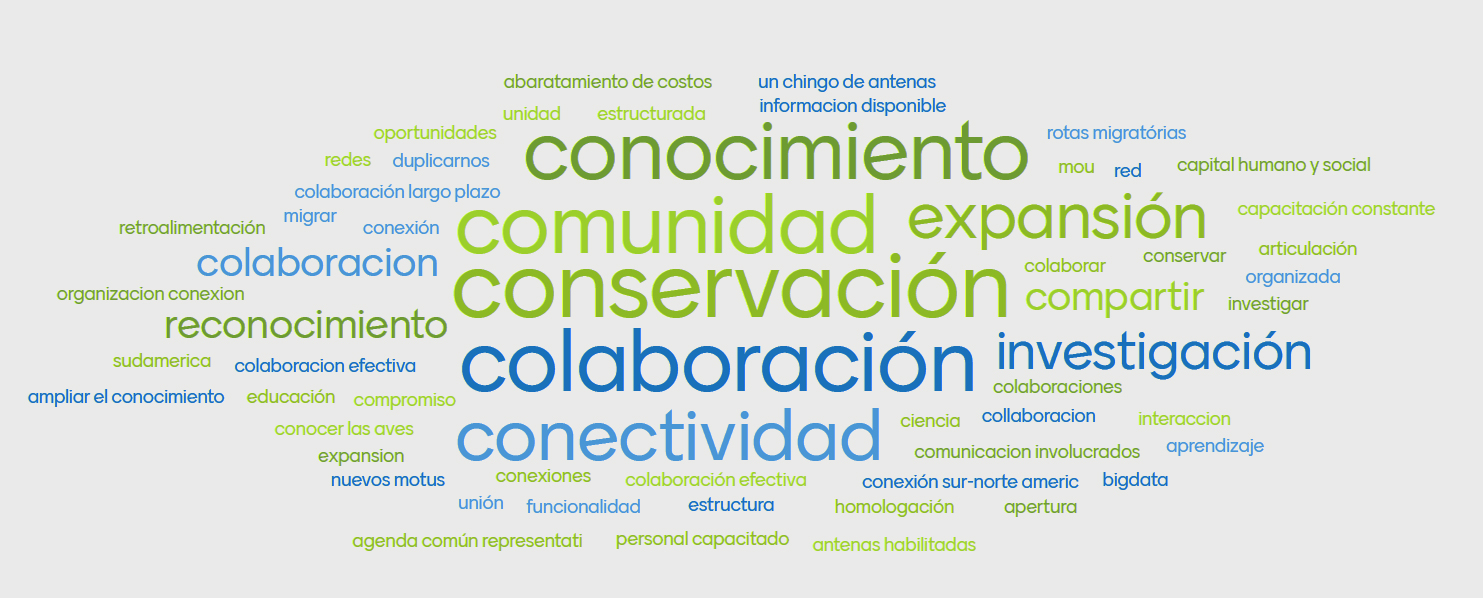
Through interactive activities, specialists from across Latin America shared what knowledge they need, which species they are interested in studying, and what types of materials they consider most useful for strengthening their projects.
“We managed to engage a critical mass of people across Latin America who were previously unaware that Motus existed. We also identified people who have the potential to become the new Motus champions in their regions, and we began laying the groundwork for them to develop their own expertise and help the network continue to grow independently,” the researcher said.
Interest comes primarily from Central American countries and Colombia, a strategic region because millions of migratory birds pass through it. More and more experts from Peru, Ecuador, and Chile have joined us—countries with remarkable biological diversity and a growing interest in incorporating this technology into their research.
As part of this effort, we have already held an in-person workshop in Oaxaca, where we installed new stations to strengthen monitoring in the Isthmus of Tehuantepec, one of the most significant migration corridors on the continent.
More Stations, Better Decisions for Bird Conservation
Motus expansion is not only an increased number of operating antennas. It also enhances our ability to answer previously impossible questions.
Julián García noted that an expanded network will make it possible to better understand migratory routes, identify key areas where birds feed and rest, and determine the conditions they need to survive their long journeys.
“As the Motus network grows across the continent, we are filling the detection gaps that exist in critical areas. The more birds we detect, the better we are able to answer questions at both local and regional scales and understand what birds need in these places,” he explained.
To keep this momentum going, we agreed to hold regional meetings every three months, bringing together experts from different fields to expand training opportunities and strengthen collaboration among countries.
Migratory bird conservation depends on international cooperation. No country can track these birds’ annual journeys across national borders on its own. That is why, to strengthen a collaborative network like Motus, we need to build a shared body of knowledge. This will allow us to protect a natural heritage that belongs to the entire continent.
At Pronatura Noroeste, we will keep building alliances, collaborative science and training so every new Motus station that is built in Latin America helps fill the gaps in the map of migration routes and strengthens bird conservation efforts.
These actions are possible thanks to the valuable support received from Birds Canada, ConservaAves, and Global Affairs Canada. They are strategic allies who help strengthen collaborative science and migratory bird conservation in Latin America. Their support helps expand the Motus network and generate the knowledge needed to protect the continent’s biodiversity.
Every new Motus station installed helps complete the map of migration routes. If you would like to learn more about our work and help strengthen bird conservation across the continent, follow us on our platforms and join this network that connects science, collaboration, and nature.
Translated by: Alejandra Picos
Reviewed and edited by: Nicole Fuentes