

The USMCA represents a historic opportunity to ensure that economic prosperity goes hand in hand with environmental responsibility.
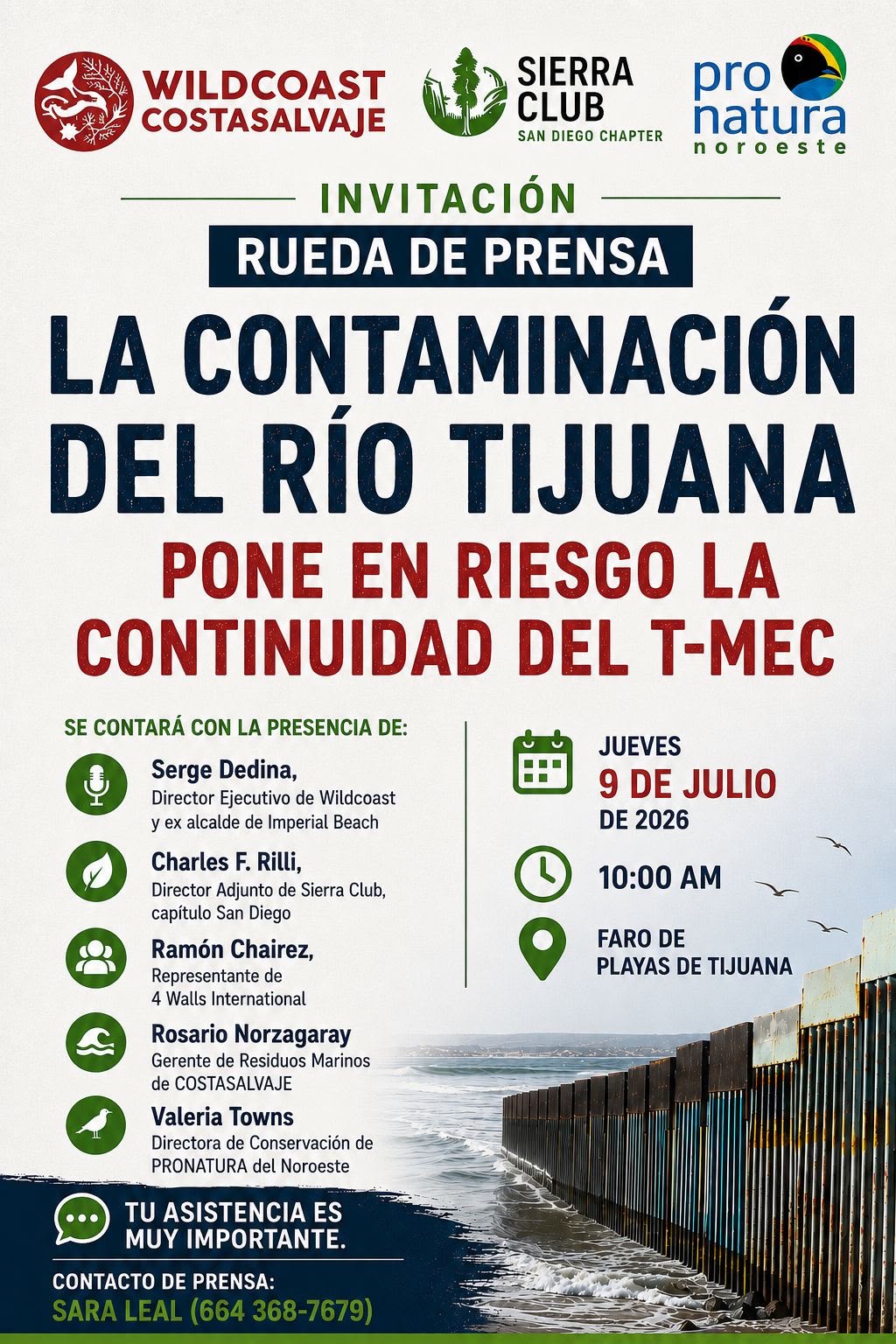
Tijuana, B.C., July 9, 2026. – For decades, free trade has driven economic growth in both the United States and Mexico. However, insufficient infrastructure for wastewater treatment, inadequate funding, and a lack of accountability have contributed to one of the most severe environmental and public crises along the U.S.-Mexico border.
Environmental organizations support free trade, but business and environmental protection should go hand in hand. The decision by the Trump administration of subjecting the United States, Mexico and Canada Agreement (USMCA) to yearly check-ups, instead of guaranteeing a long-term renewal, will increase economic uncertainty for Mexico, particularly in the northern border region.
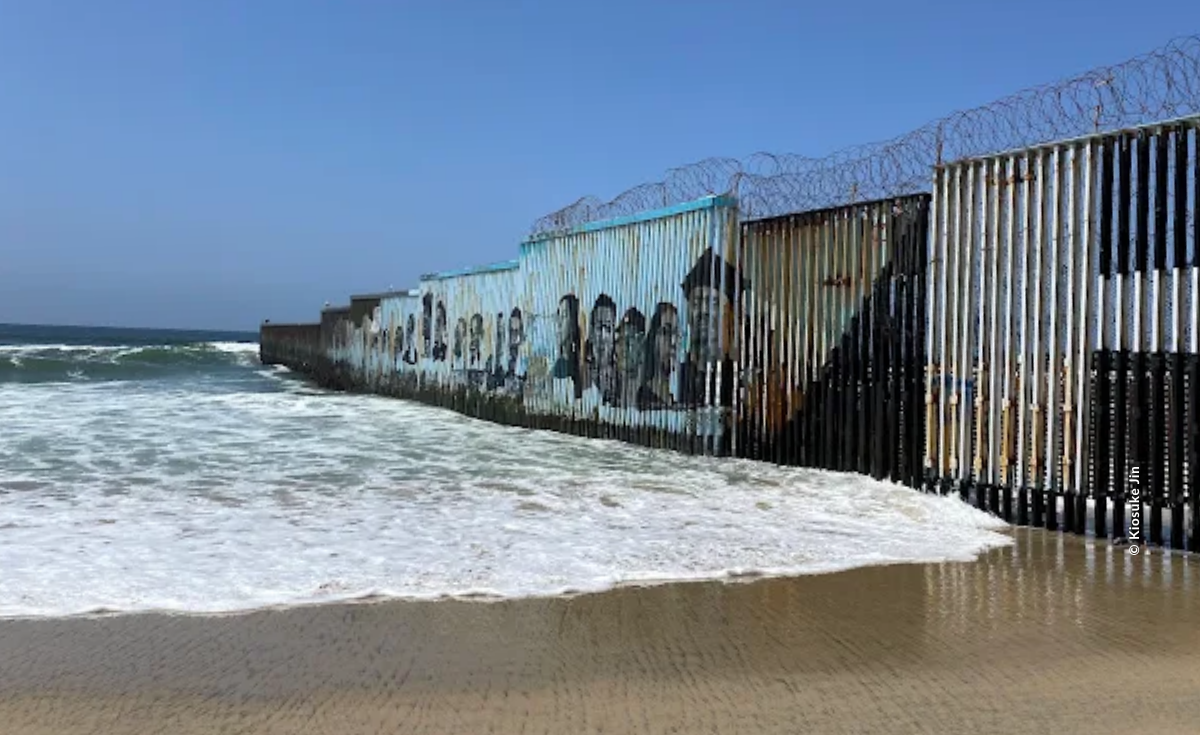
This new era of annual negotiations makes it more urgent than ever to address the growing pollution crisis in the Tijuana River, as it is weakening political support for the agreement. As the three countries begin a new phase of USMCA negotiations, on 20 of July they have a unique opportunity to address one of the most severe environmental and public health challenges facing North America, incorporating binding and effective environmental commitment to resolve the persistent pollution crisis in the Tijuana River and protect communities on both sides of the border.
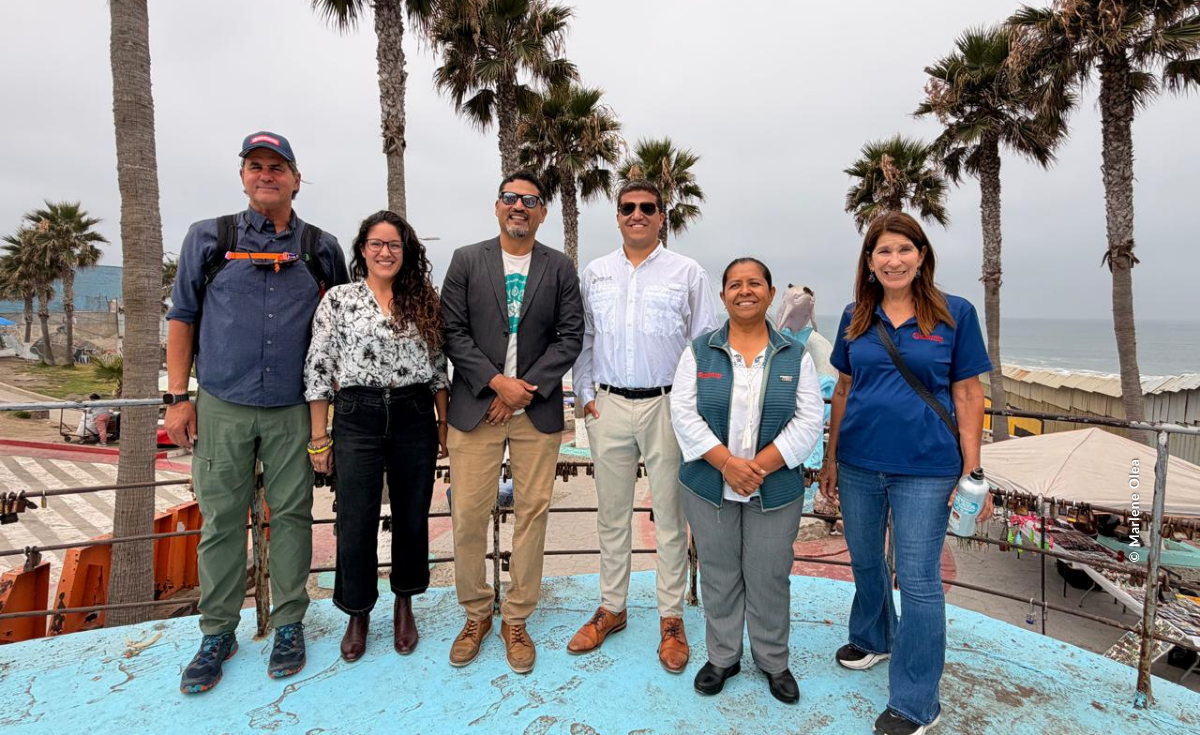
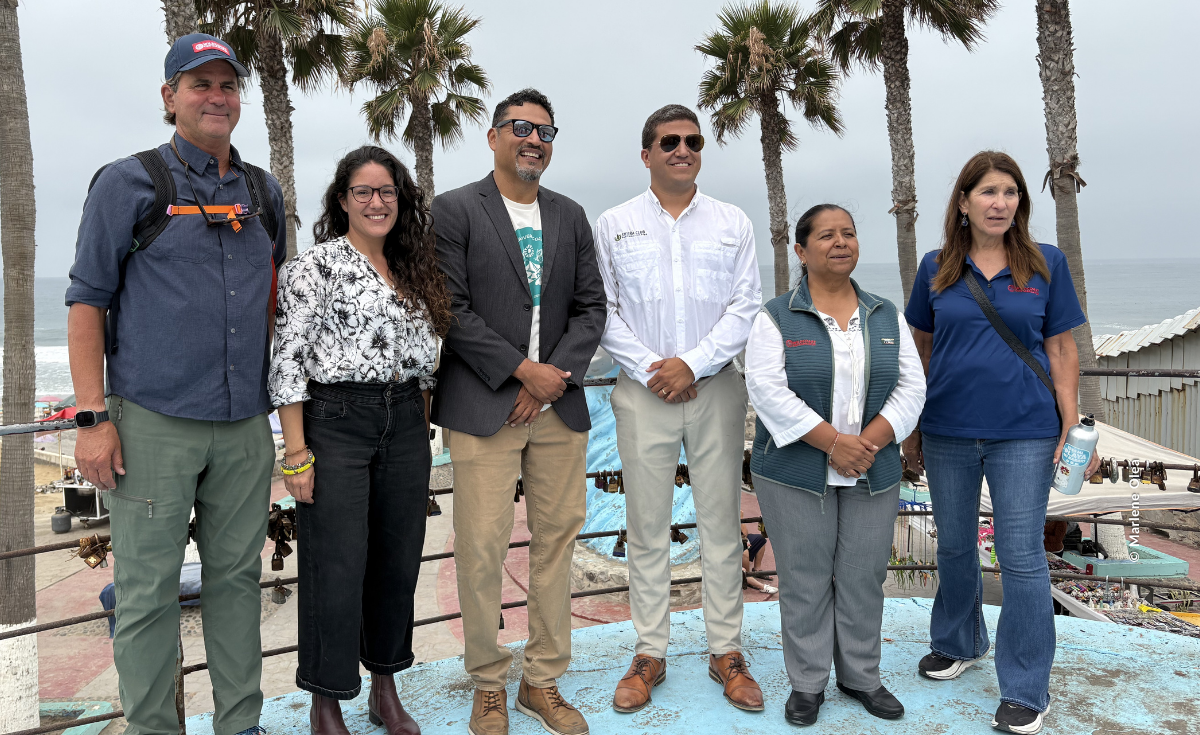
“Today, more than ever, we must make use of all available tools to ensure clean air, clean water, and safe beaches for communities and wildlife along the U.S.-Mexico border. Incorporating solutions to the problem of wastewater discharge, toxic waste and trash in the Tijuana River into the USMCA review process represents a practical and effective strategy to resolve this crisis once and for all,” said Serge Dedina, Executive director of the Wildcoast and former mayor of Imperial Beach.
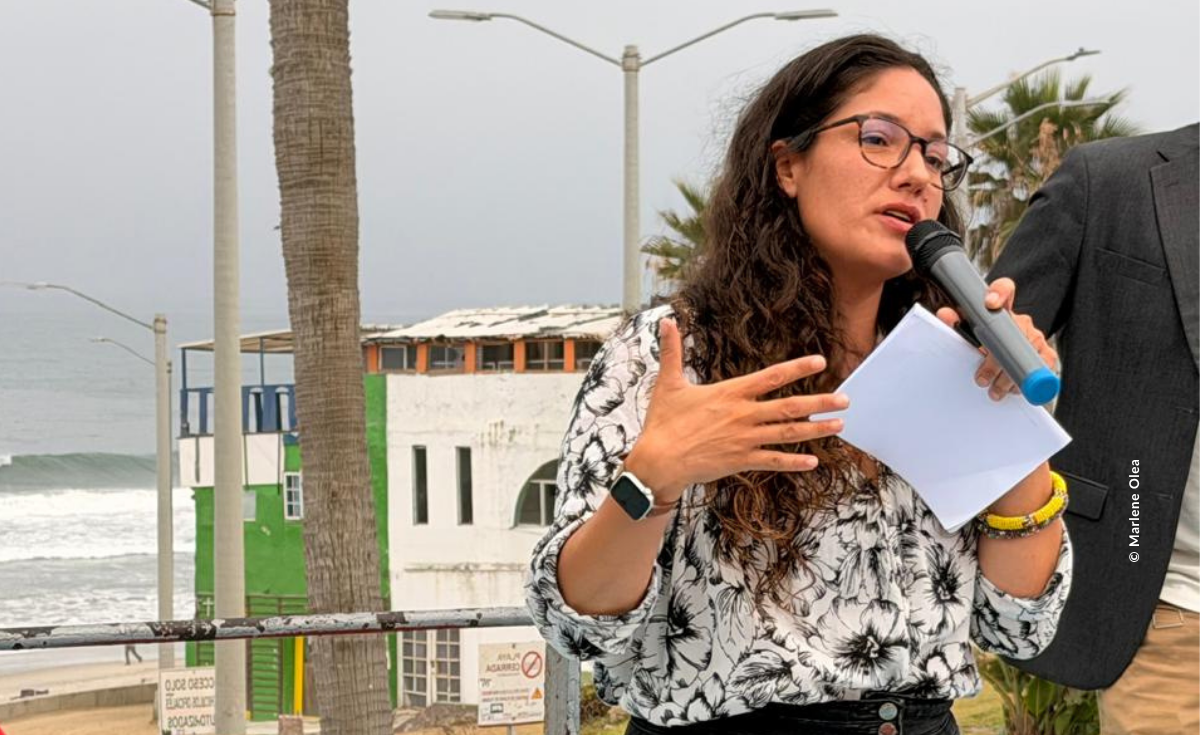
“This is a historic opportunity to ensure that Chapter 24 of the USMCA includes binding mechanisms that guarantee its effective implementation, particularly with regard to protecting water quality and promoting its sustainable use,” said Valeria Towns, Conservation Director at Pronatura Noroeste.
For his part,Charles F. Rilli, Deputy Director of Sierra Club, highlighted: “This cross-border pollution crisis requires binational solutions and a firm commitment to ensure that environmental protection is part of any trade agreement that shapes the future or our region.”
Rosario Norzagaray, Marine Waste Manager at Costa Salvaje, stated that everything flowing across the Tijuana River channel, then passing through the estuary and eventually reaching the sea, affects us all without distinction. She emphasized that, as a society, we have placed our trust in those who manage our resources to ensure a sustainable future for everyone, and that this reminds their greatest challenge.
Representatives of various organizations committed to environmental protection and the well-being of bordering communities also attended the meeting, including YMCA / TIjuana River Coalition, Outdoor Outreach, 4 Walls International and Surfrider Foundation San Diego.
The participating organizations called on the governments of Mexico, the United States, and Canada to ensure that this new phase of the agreement includes measurable environmental commitment, effective enforcement mechanism, and sustained investment to put an end, once for all, to the Tijuana River pollution crisis and protect the health of communities and the ecosystems that depend on this shared watershed.
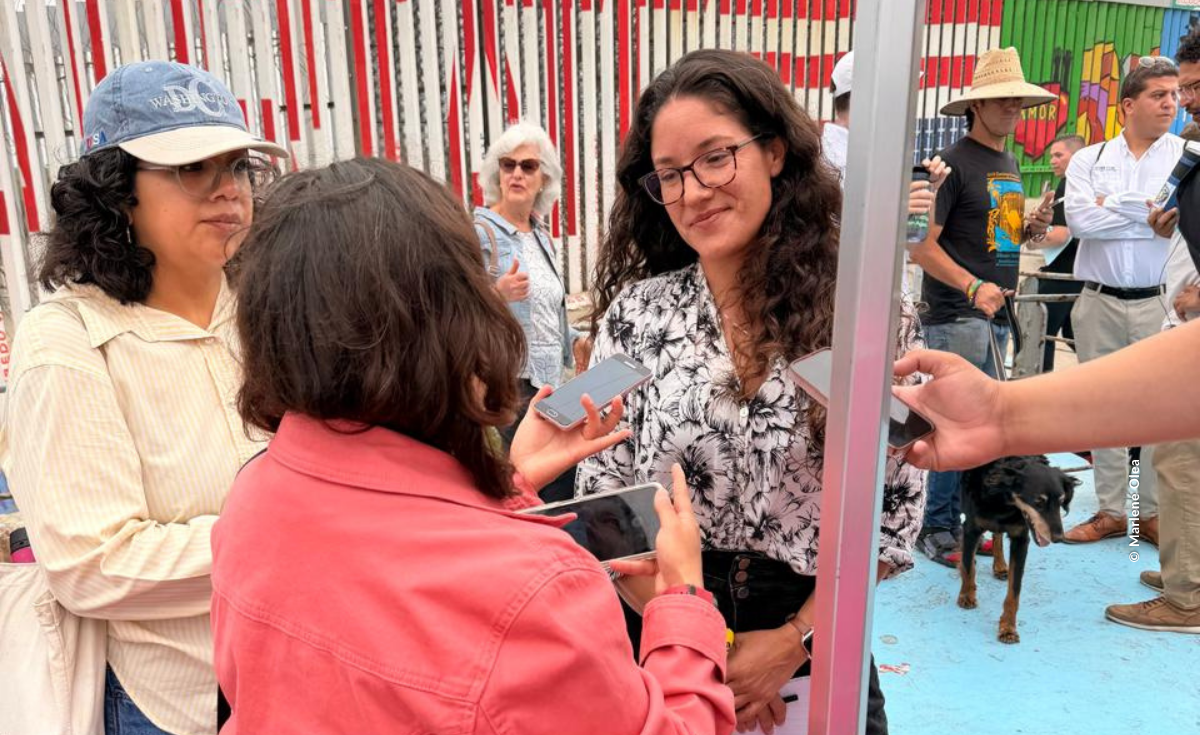
Baja News interview to Valeria Towns, about restoration of Río Tijuana (In Spanish).
Translated by: Carmen Arce
Reviewed and edited by: Grecia Martínez