

We promote the conservation of fisheries resources and marine-coastal ecosystems by strengthening community capacities and participatory management mechanisms to support sustainable fisheries.
At Pronatura Noroeste, we promote actions to strengthen sustainable fisheries and marine conservation in Boca del Álamo–Punta Pescadero Corridor in Baja California Sur, where a Network of Partial Fishery Refuge Zones was recently established to protect marine-coastal ecosystems, recover species of high commercial value, and strengthen the well-being of fisheries communities.
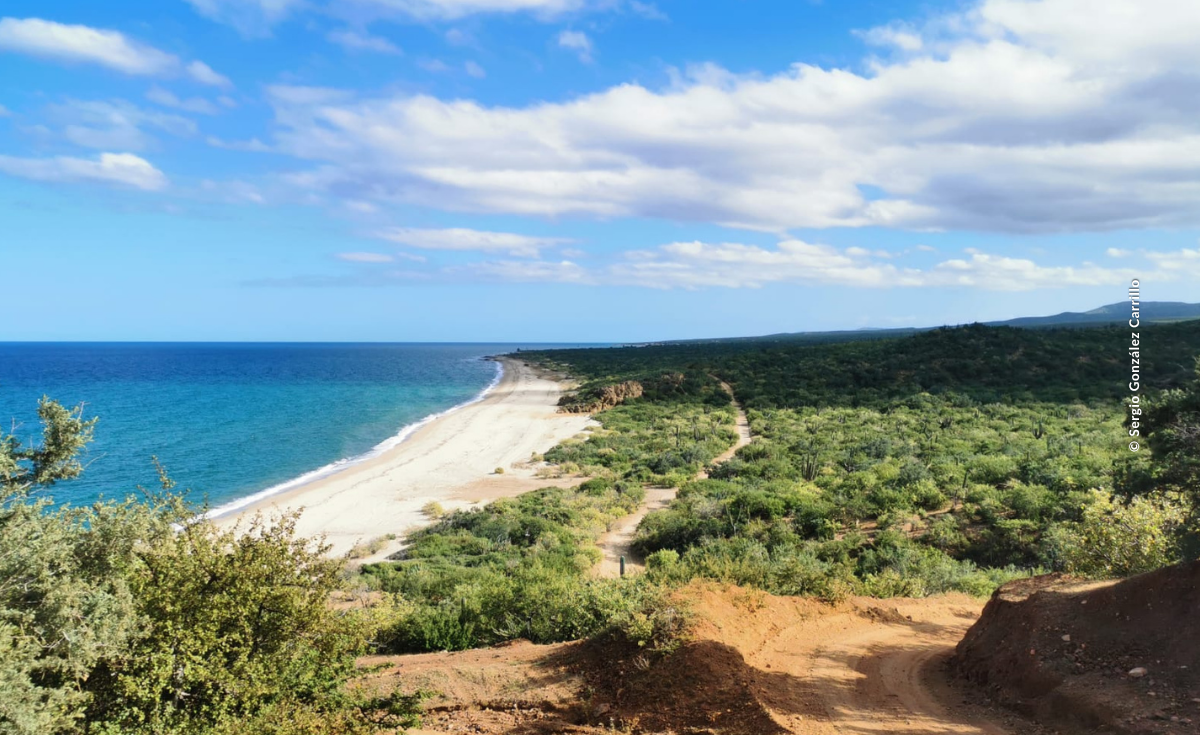
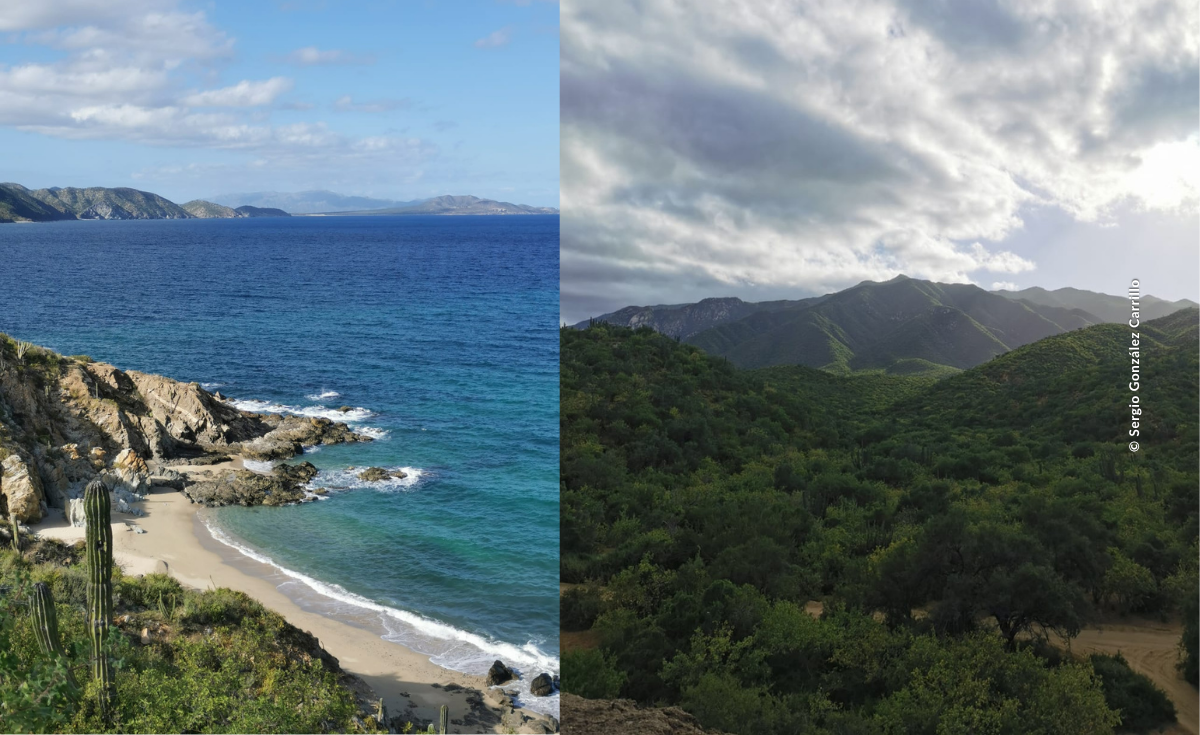
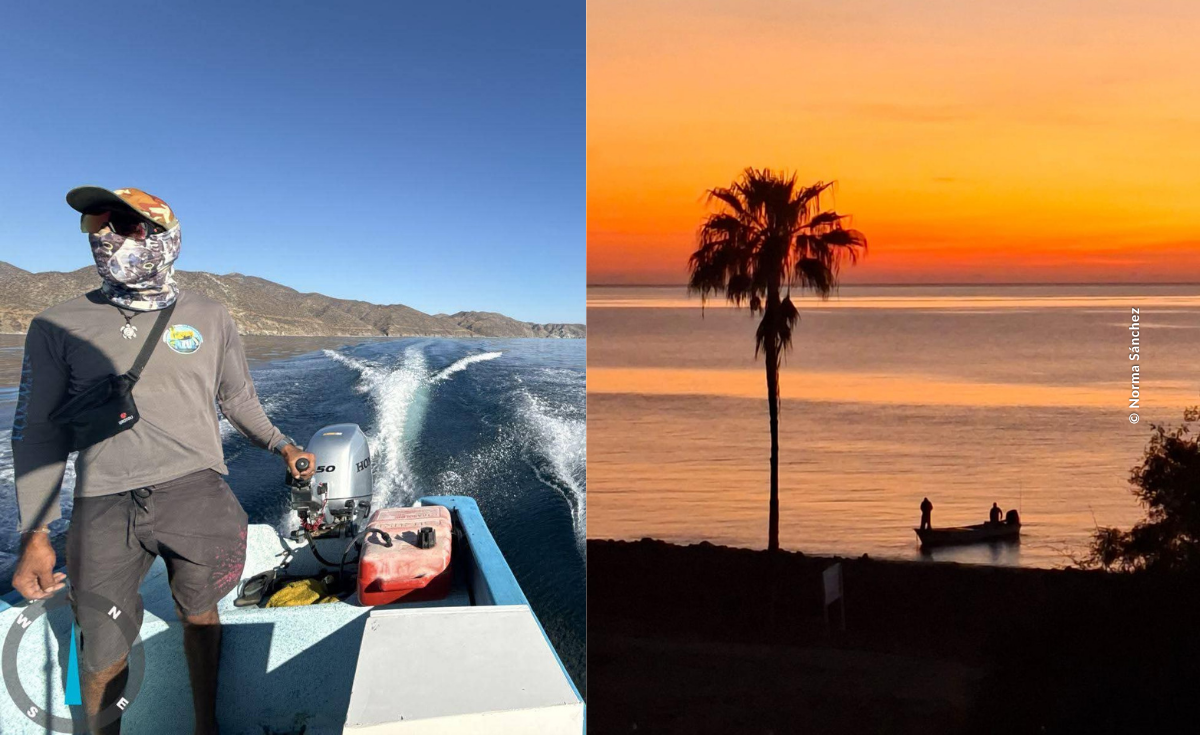
Located in the Gulf of California, this corridor extends approximately 18 kilometers along the southeastern coast of Baja California Sur, from the community of Boca del Álamo to Punta Pescadero. Several communities are located within the corridor, where just under 600 people live and rely heavily on fisheries as their primary livelihood.
The initiative originated from within the fisheries communities themselves, which have been working with Legacy Works Group for more than five years to identify solutions for restoring their marine resources in response to declining fish catches.
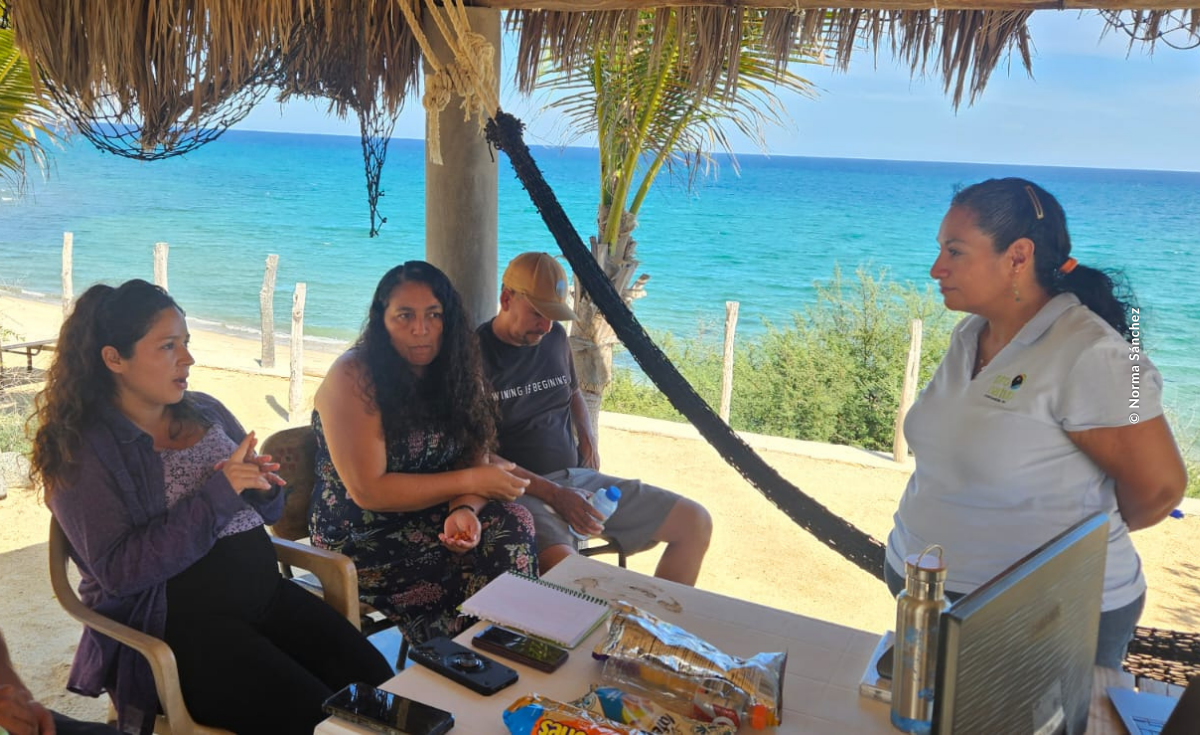
“More than five years ago, the community approached us looking for alternatives they could implement to rescue their primary activity, which is fisheries,” explained Norma Sánchez Reyes, Governance Specialist at Pronatura Noroeste.
A Model to Rebuild Fisheries
Fishery Refuge Zones are participatory management tools designed to promote the sustainable use of fisheries resources, support the recovery of fish populations, and conserve marine ecosystems.
In this case, the network consists of three permanent Partial Fishery Refuge Zones that will protect nearly 14,000 hectares of marine habitat during an initial five-year period.
Unlike a total fisheries closure, this management scheme allows fisheries activities to continue through the use of selective fisheries gear, such as handlines and hook-and-line methods, while restricting practices with a greater environmental impact, including gillnets and trawling.
“Among other objectives, the refuge zones seek to improve the management and regulation of fisheries activities while safeguarding nursery areas for marine species, particularly those of high commercial value, such as snappers, red snappers and jack mackerel,” said Sánchez Reyes.
The corridor’s primary fishery is finfish, with red snapper representing the most important species in terms of both economic value and production volume. According to official statistics, this species alone accounts for 64% of the total catch volume and more than 80% of the region’s economic value.
However, communities began to identify warning signs. After reaching a historic peak of 94 tons of red snapper in 2017, catches declined sharply, dropping to just 11 tons in 2023.
Among the main threats identified are illegal, unreported, and unregulated fishing, as well as shrimp boats from other states that conduct trawling operations within the region. “Shrimp boats from Sonora and Sinaloa do enter the region and carry out trawling activities here,” explained Sánchez Reyes.
Community efforts and Local strengthening
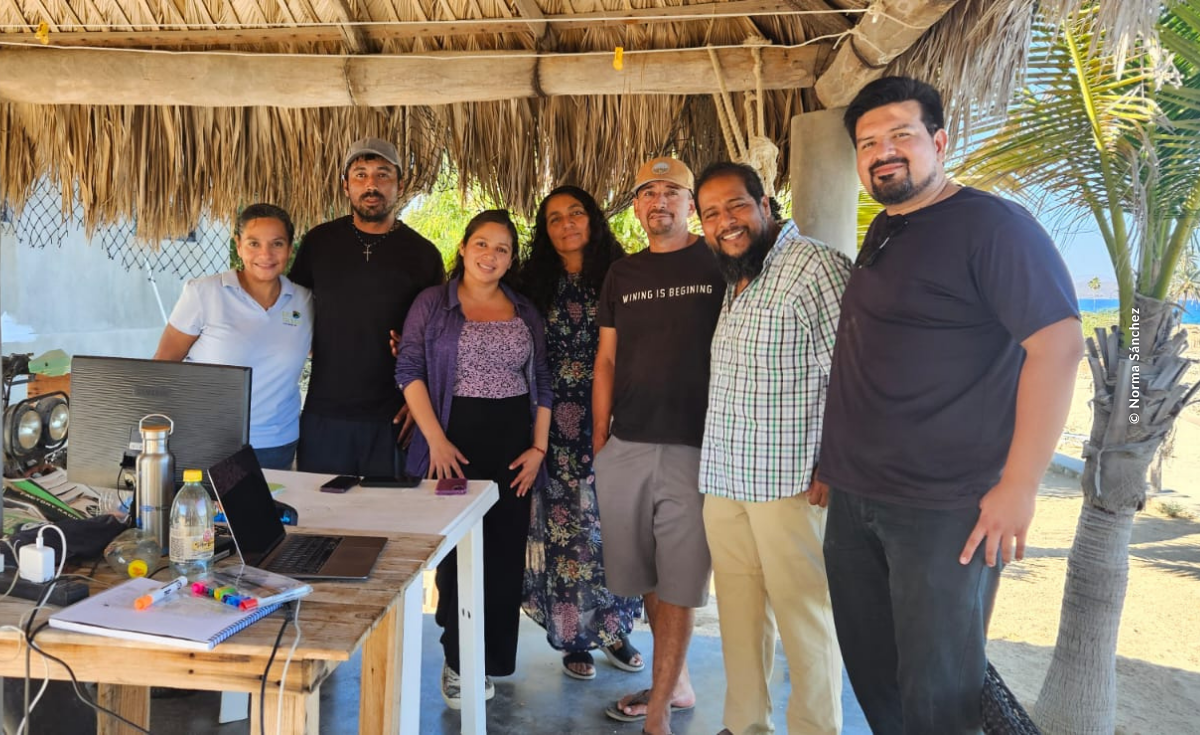
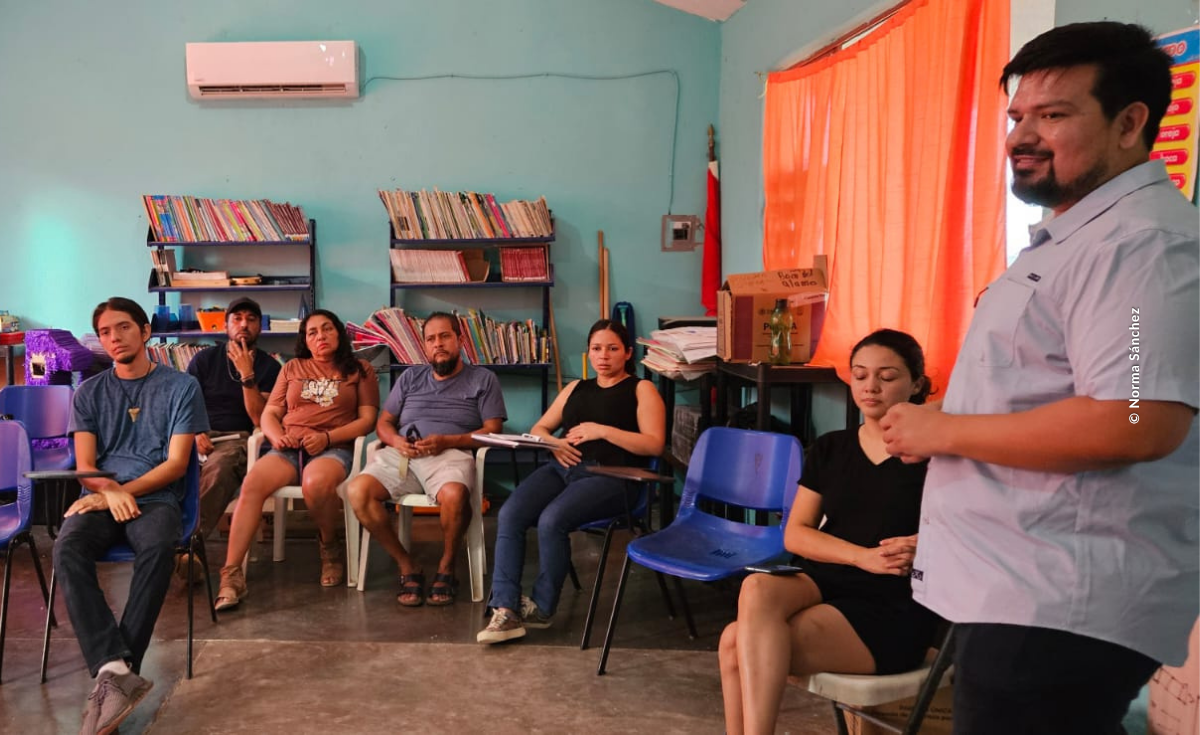
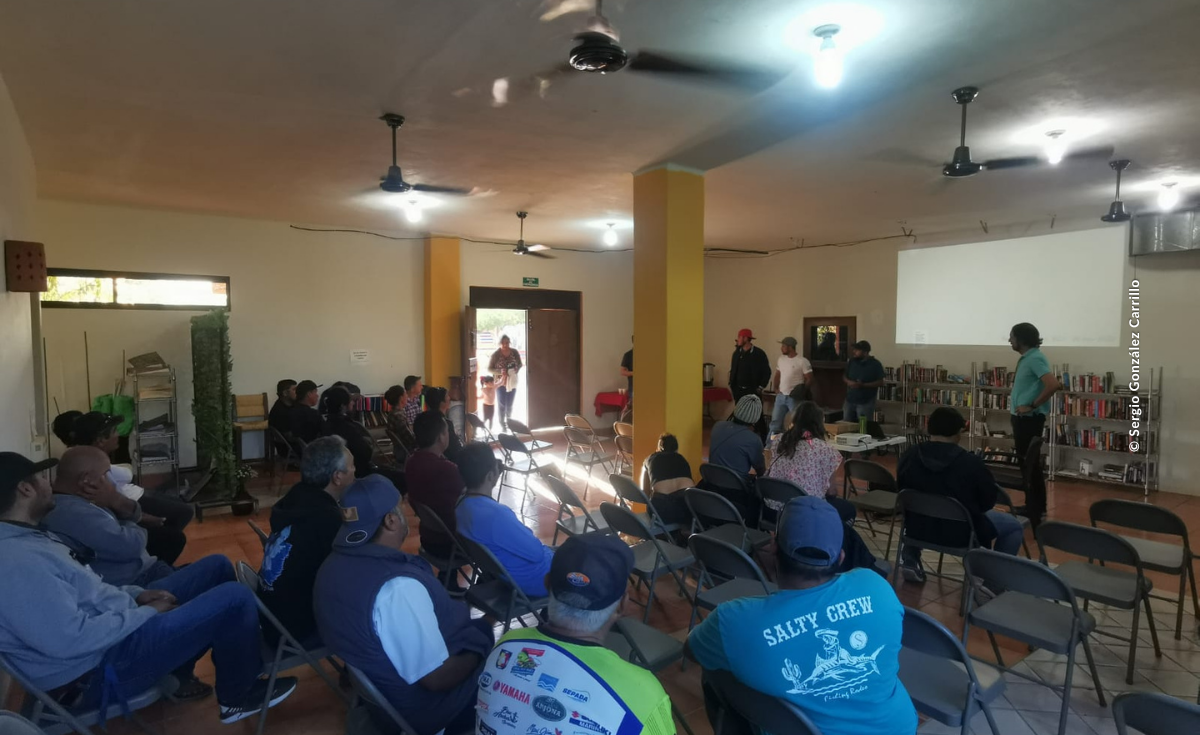
The process of establishing this network of fishing refuges has been accompanied by the strengthening of local capacities that Pronatura Noroeste has promoted alongside Legacy Works Group.
As part of this effort, we have conducted a fisheries assessment to identify the main species, fishing gear, fishing cooperatives, vessels, and economic dynamics present within the corridor, as well as a mapping of community stakeholders directly or indirectly linked to fishing activities.
In addition, we have supported the strengthening of the committee of fishing refuge zones, which works on internal organization, regulations, participatory decision making and activity planning.
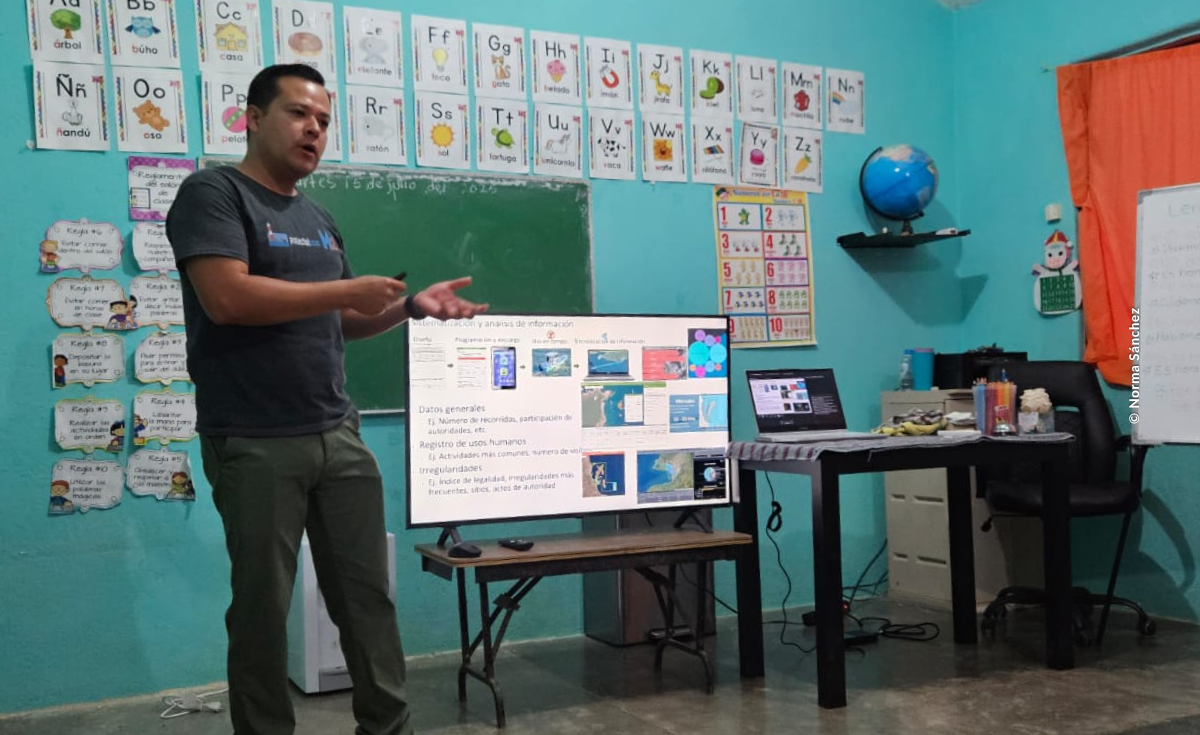
Another priority area has been community-based surveillance, which includes training to conduct patrols, document irregularities, and strengthen reporting mechanisms for notifying the authorities, as well as building capacity in the use of technology to support monitoring and surveillance efforts in hard-to-access areas.
“These three areas: training for fisheries monitoring, strengthening community governance to support decision making on actions to be carried out within the fishing refuge area, and training for community-based surveillance activities are the aspects that Pronatura Noroeste has helped strengthen throughout the process of establishing the refuge zones,” emphasized Norma Sánchez.
Marine Conservation with Long-term Vision
These efforts have been made possible thanks to the support of the Mexican Fund for the Conservation of Nature and the Builders Initiative Foundation, allies that have allowed us to strengthen the community efforts and marine conservation actions in the region.
This is a community-driven process. Among the available management tools, the community chose to establish a network of refuge zones with the goal of improving fisheries management, protecting breeding grounds of commercially important species and achieving sustainable fisheries”, she emphasized. Over the coming years, monitoring efforts will help evaluate whether the refuge zones are contributing to improved fisheries productivity and healthier ecosystems. Based on these results, communities will be able to make participatory decisions on whether to maintain, expand, or adjust the protected areas.
At Pronatura Noroeste, we reaffirm our commitment to marine conservation, strengthening coastal communities, and promoting sustainable fisheries for the future of the Gulf of California.
Translated by: Edgar Bolaños & Nicole Fuentes
Reviewed and edited by: Daniella Zatarain & Oddary Tacuba.