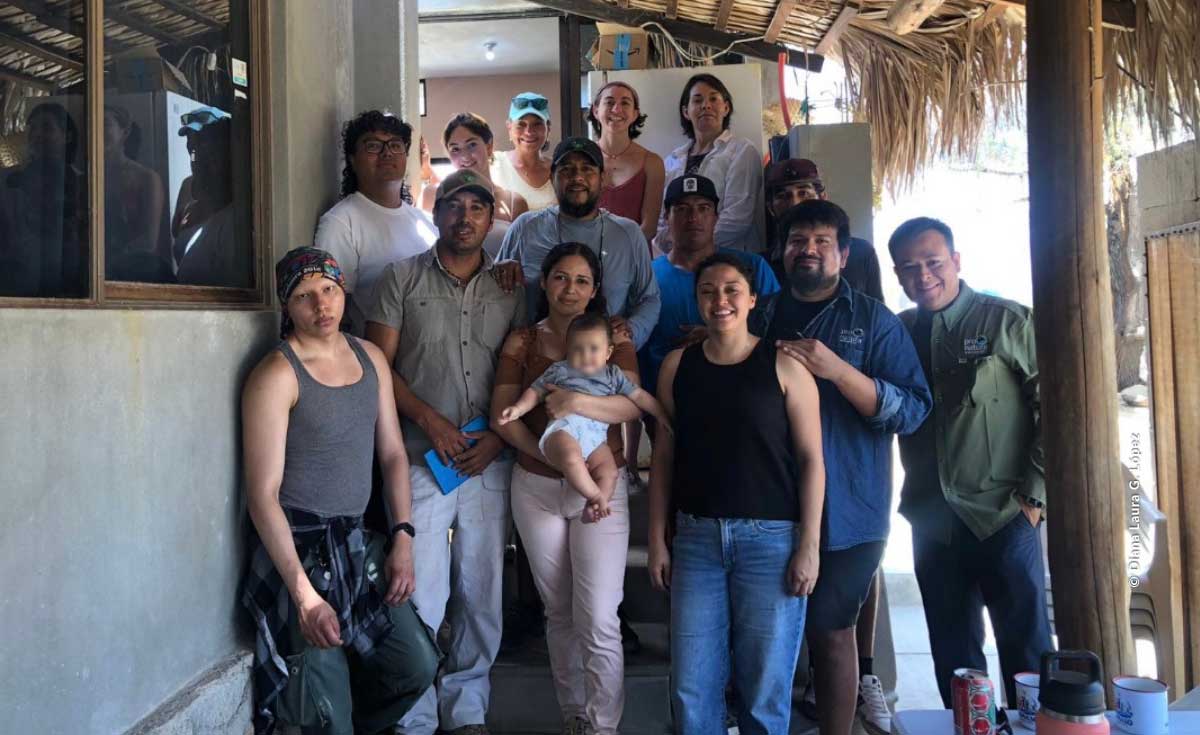


As a part of our partnership with Universidad Iberoamericana, six students carried out their community service internships in conservation projects integrating science, technology, environmental education, and community engagement
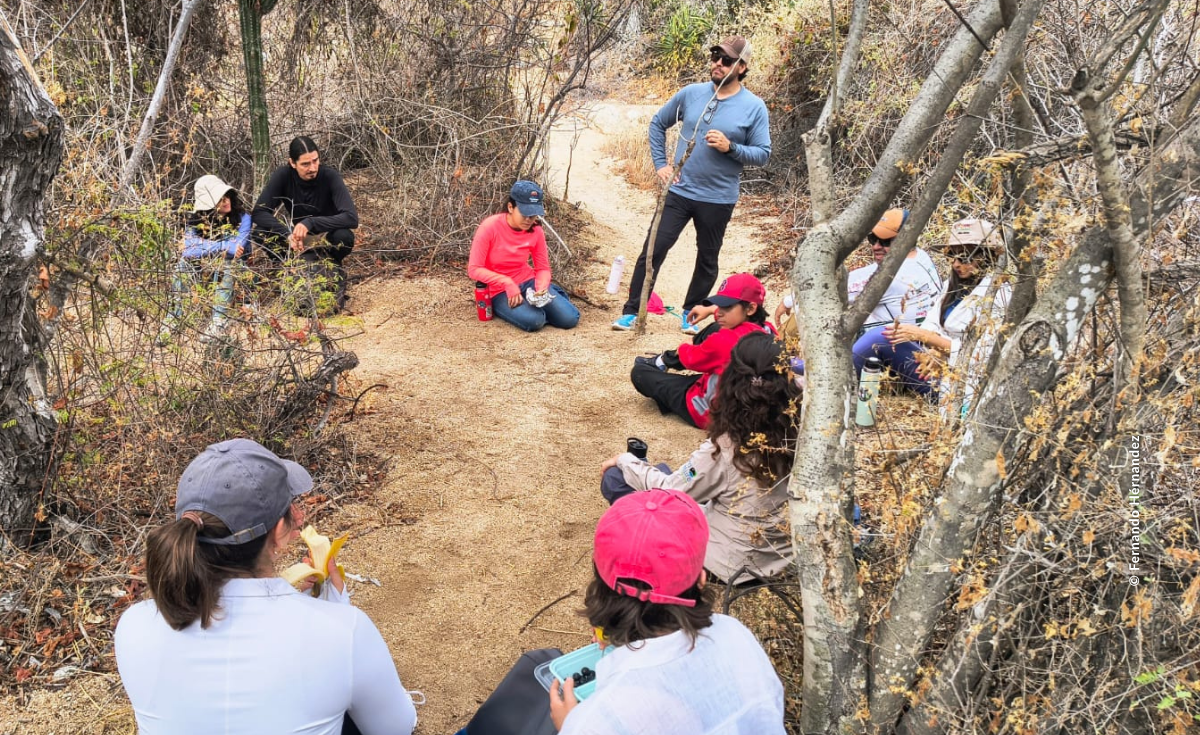
Classrooms are only the starting point; conservation is also learned in the field, facing real-world challenges, and engaging with communities that depend on natural resources. Over the course of eight weeks, students from diverse fields joined Pronatura Noroeste’s team, and applied their knowledge while collaborating on strategic conservation projects across different regions in northwest Mexico.
The experience acquired allows them to face challenges through research, data analysis, fieldwork, and community outreach, while gaining first-hand insight into the complexity of the socio-environmental challenges facing our region.
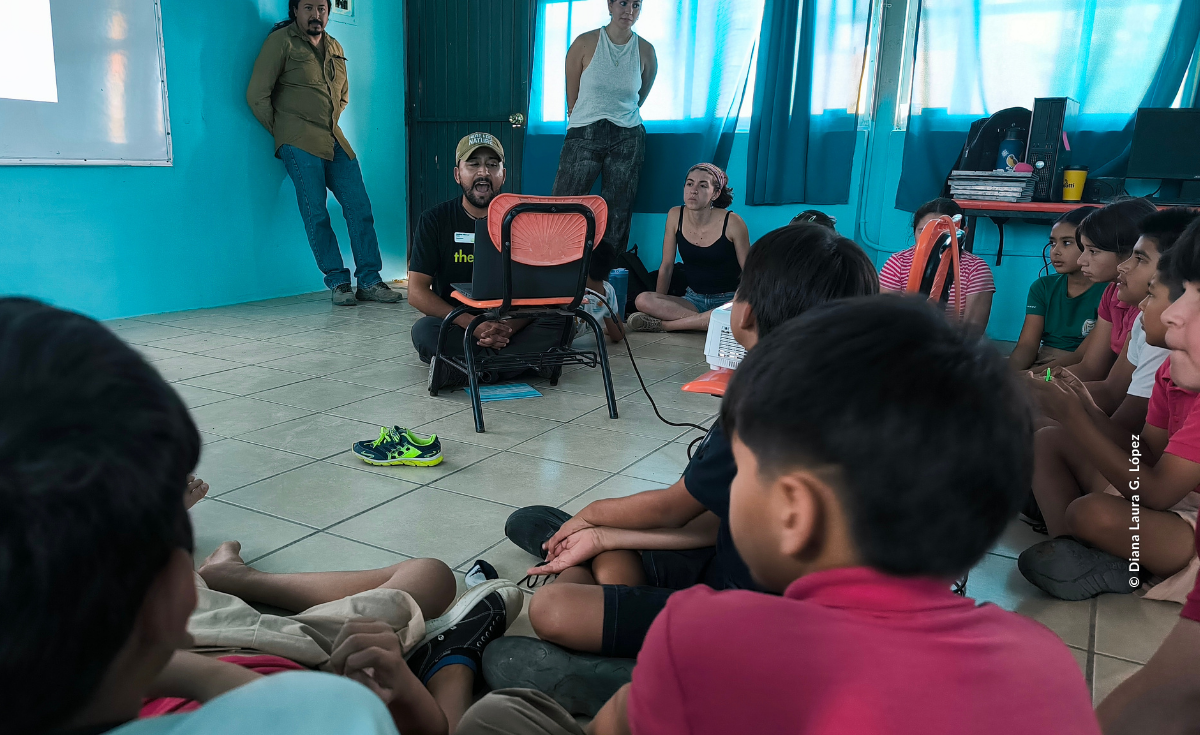
Clarisa Hurtado Chaurand, a student of pedagogy and Daniela Sanchez Matías, from Designing of Products and Experiences participated in the project Boceteando con Propósito (“Sketching with Purpose”), where they collaborated to conceive the design of educational material, outreach content, digital applications, and pedagogical resources that strengthen the social appropriation of our conservation projects.
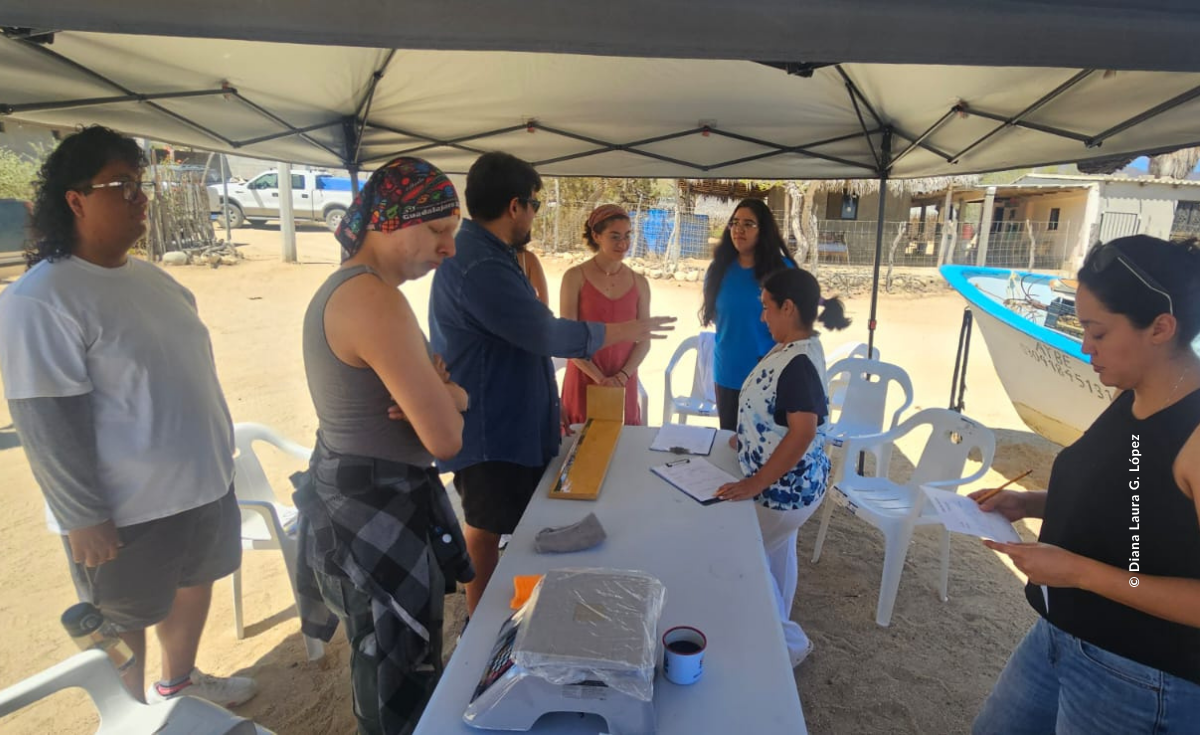
Their work sustained communication for the new fishery refuge areas within the Boca del Álamo–Punta Pescadero corridor, the learning space at the Eco Parque de la Juventud, and the scientific outreach actions for the research project in the Los Planes Basin. Additionally, they designed signage and educational material based on the needs identified during community visits and field surveys.
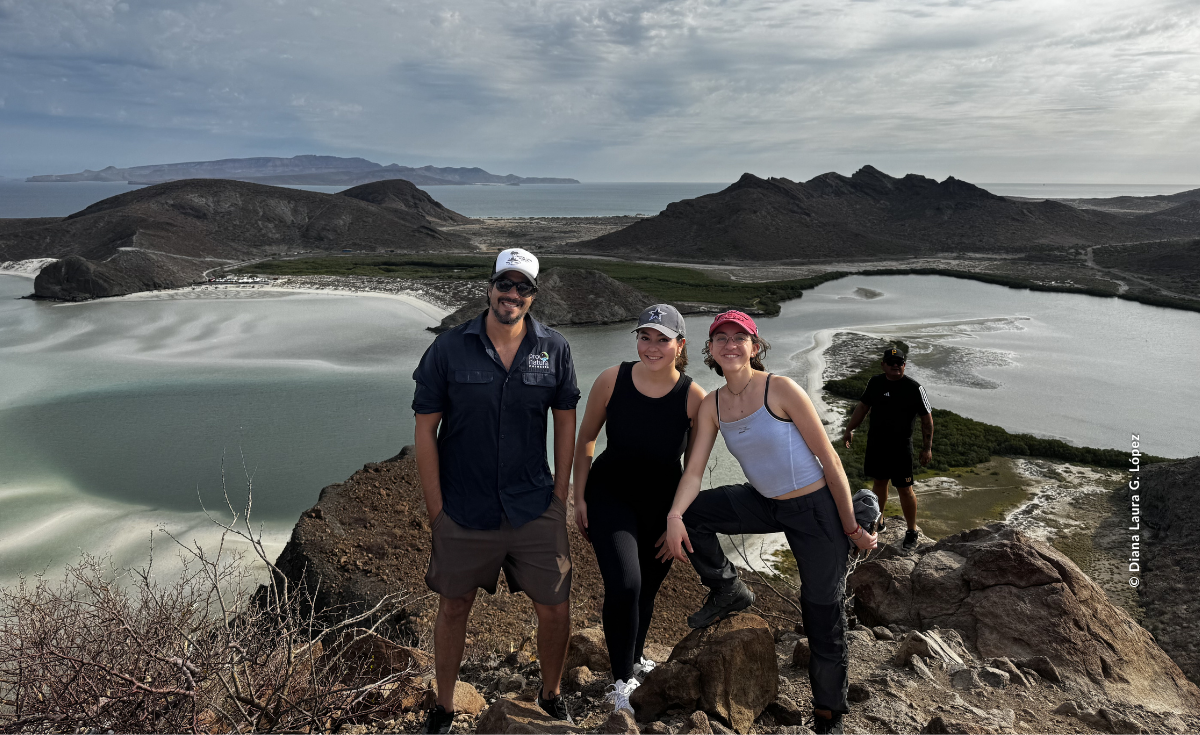
Yael Roman Maya Díaz and Miguel Ángel Álvarez Hernández, both students of Computer Engineering and Telecommunications, participated in the project “Fisheries Data Systematization and Legality Index in the Gulf of California”, focused on strengthening fisheries information management and community-based monitoring processes.
Their activities consisted in diagnosing and systematizing databases, analyzing information, documenting processes, and developing technological proposals with the purpose of enhancing decision-making for the sustainable management of marine resources.
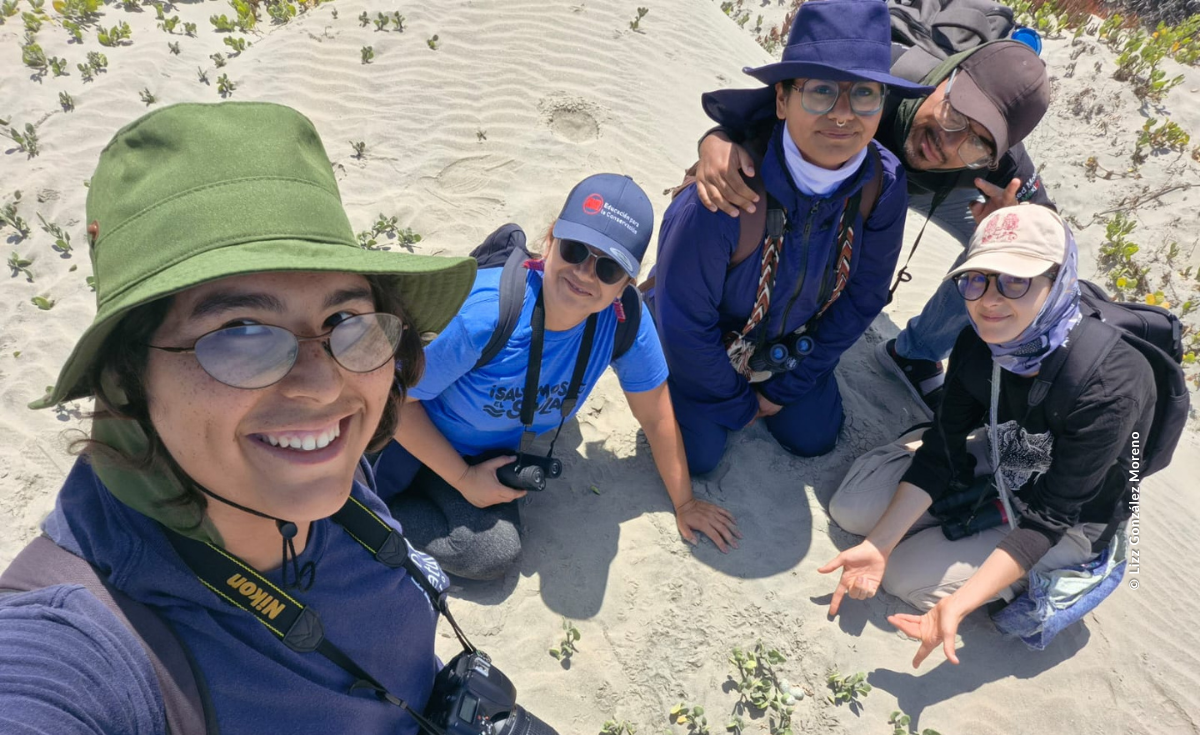
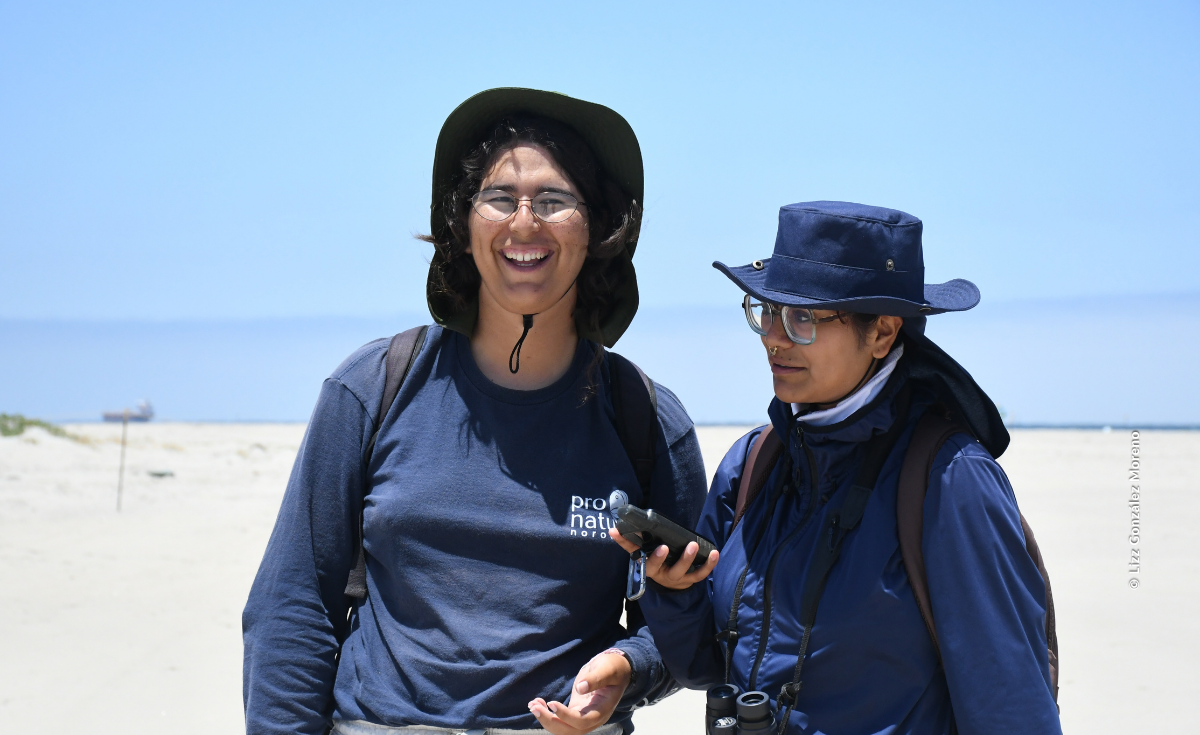
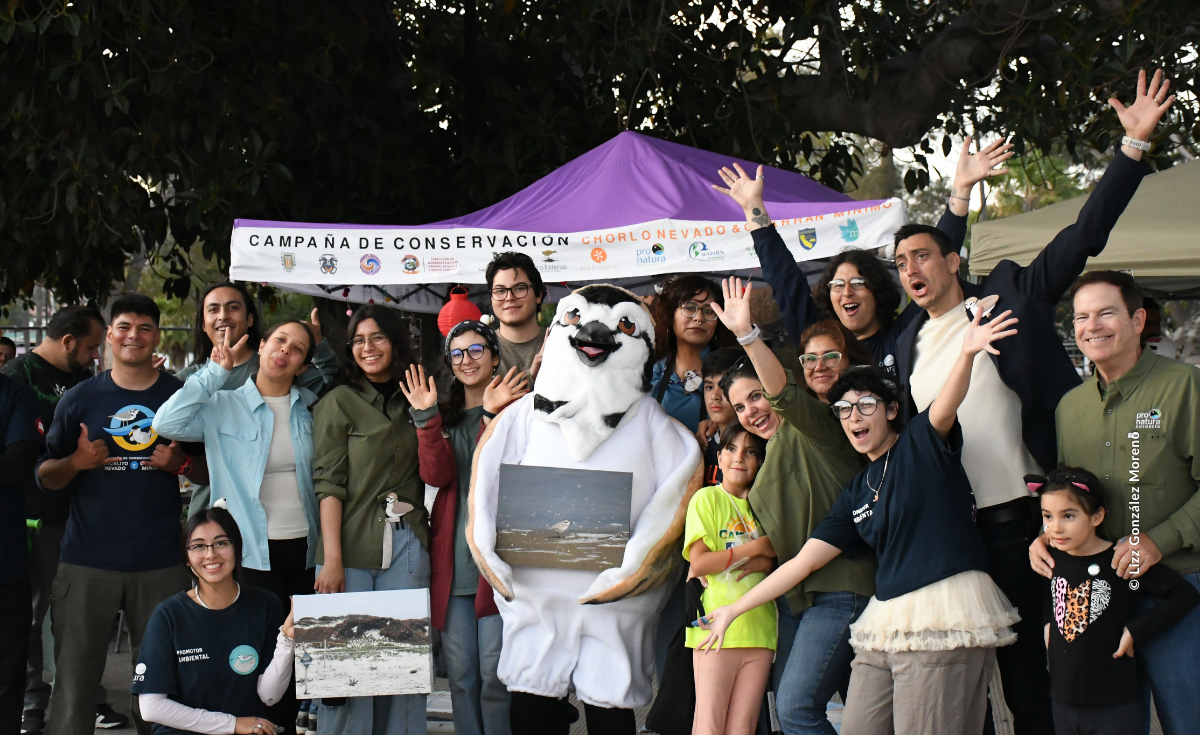
In another project, Nadia Santos Jiménez, a student of Latin American Literature, and Hanna Ruíz Guerrero, a student of Communications, collaborated on conservation actions for the Snowy Plover (Anarhynchus nivosus), a species that nests on the beaches of Ensenada and whose population faces multiple threats. Drawing from their disciplines, they developed educational and outreach materials, including infographics, a storybook, a song, and other resources that bring the natural history and conservation importance of this bird to diverse audiences.
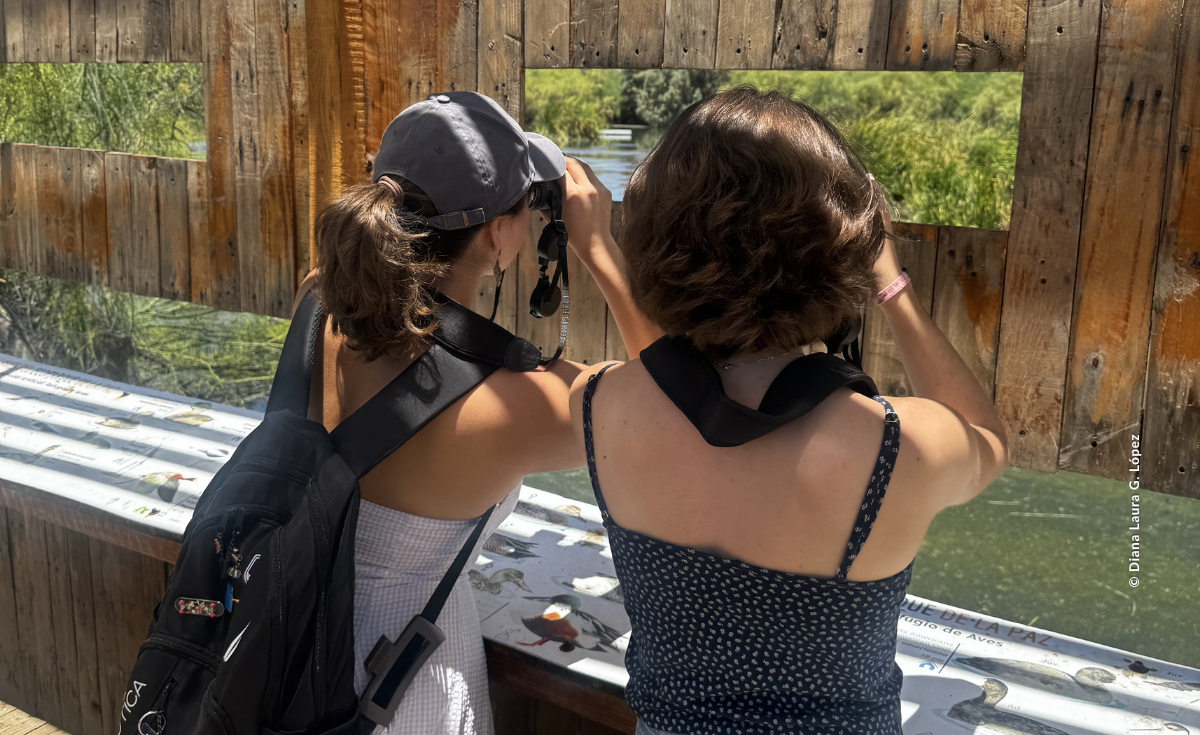
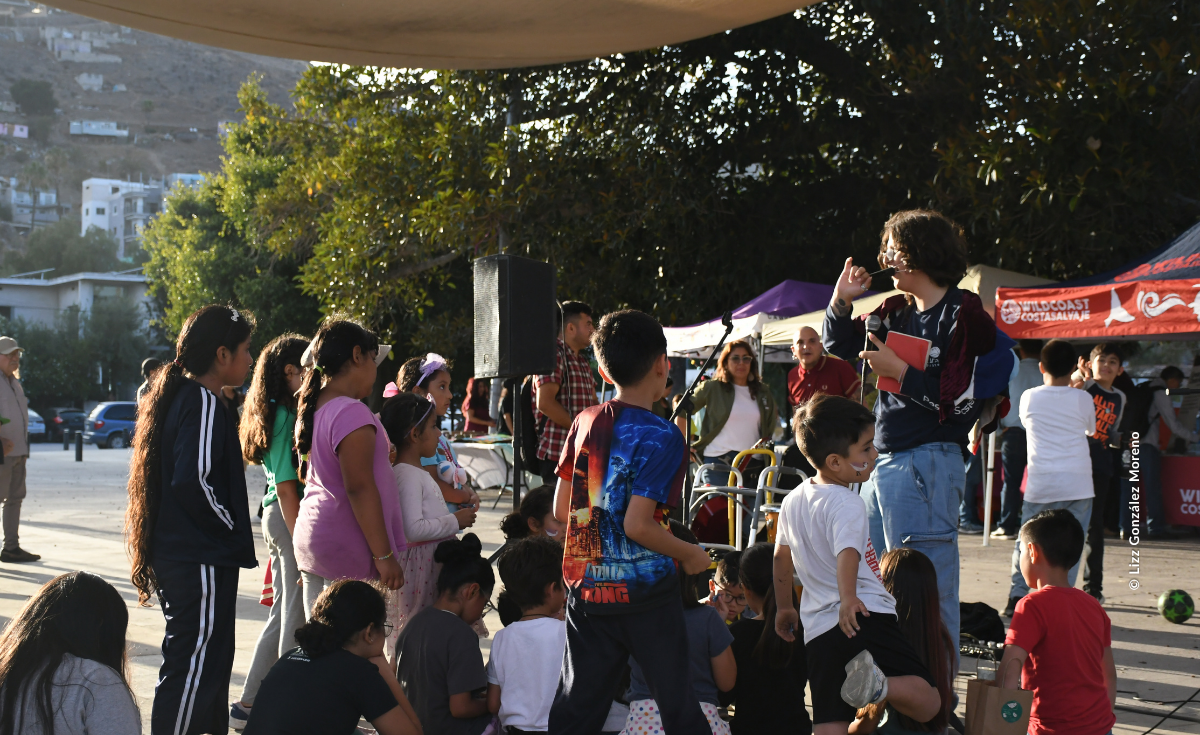
In addition, they supported environmental education activities through birdwatching tours and meetings delivered to 358 students, promoting knowledge about the Snowy Plover and other shorebirds. Their participation also included fieldwork in monitoring activities, banding sessions, and the implementation of a model to protect nests from sea-level rise integrating communication and outreach with direct conservation actions.
Beyond the tools developed, the projects included direct work with communities, allowing students to understand the challenges the region is facing first-hand, collaborating with interdisciplinary teams, and joining efforts with other organizations to find solutions to integrate community involvement, scientific knowledge, and conservation.
To Pronatura Noroeste, this collaboration represents an opportunity to reinforce the education of new generations of potential professionals from a humanistic perspective who are committed to the environment while incorporating new perspectives, knowledge, and skills that enrich our work.
The participation by the students in our projects fosters knowledge exchange, promotes innovation, and contributes to building collaborative solutions for the environmental challenges Mexico is currently facing.
If you would like to know more about how we work alongside other universities and communities to conserve the natural heritage of Northwest Mexico, follow us on our platforms and discover the initiatives as we work on a more sustainable future for us.
Translated by: Oddary Tacuba
Reviewed and edited by: Carmen Arce