

Along a natural stretch of the riverbed, we have restored 23.57 acres of the Tijuana River, and we are now preparing a pilot wetland to filter pollutants and improve the quality of water flowing through the city.
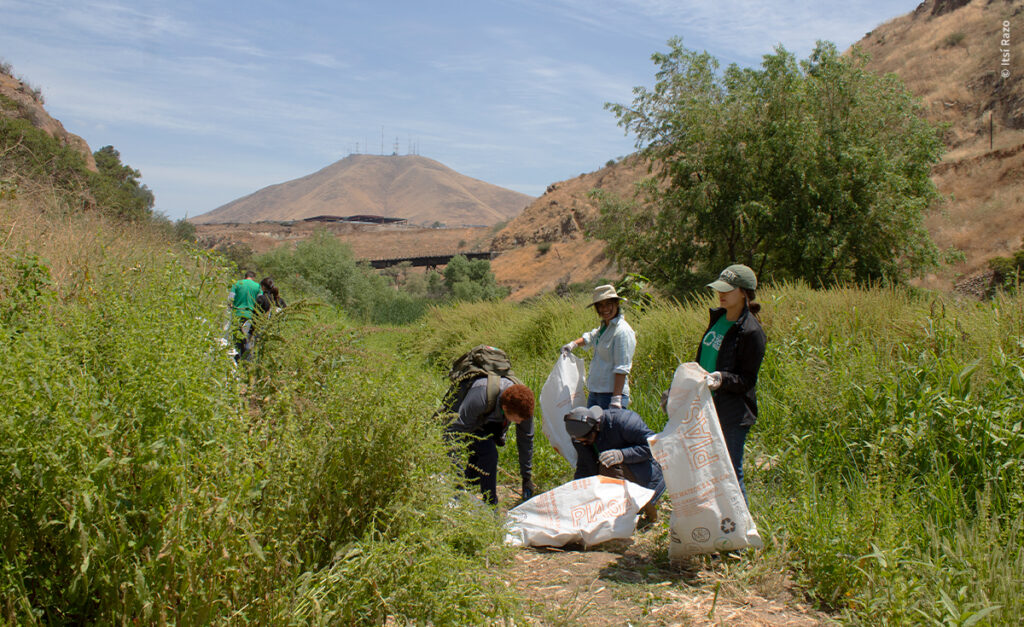
At Pronatura Noroeste, we are getting ready to take yet another step to restore the Tijuana River: implementing a pilot wetland that helps improve the quality of the water that flows through the city before it reaches the Pacific coast. This natural system is one of our ecological restoration efforts done on 23.57 acres of the river channel, where we seek to recover ecological processes and restore life to one of the country’s most impacted urban rivers.
Liliana Esparza Garcia, head of the Sitio Río Tijuana (Tijuana River Site), stated, “We hope to start sanitizing a part of the river this year. Our goal is to make a pilot wetland as a nature-based solution to improve the water quality to a degree, and we hope to recreate it in other parts of the river when the time comes.”
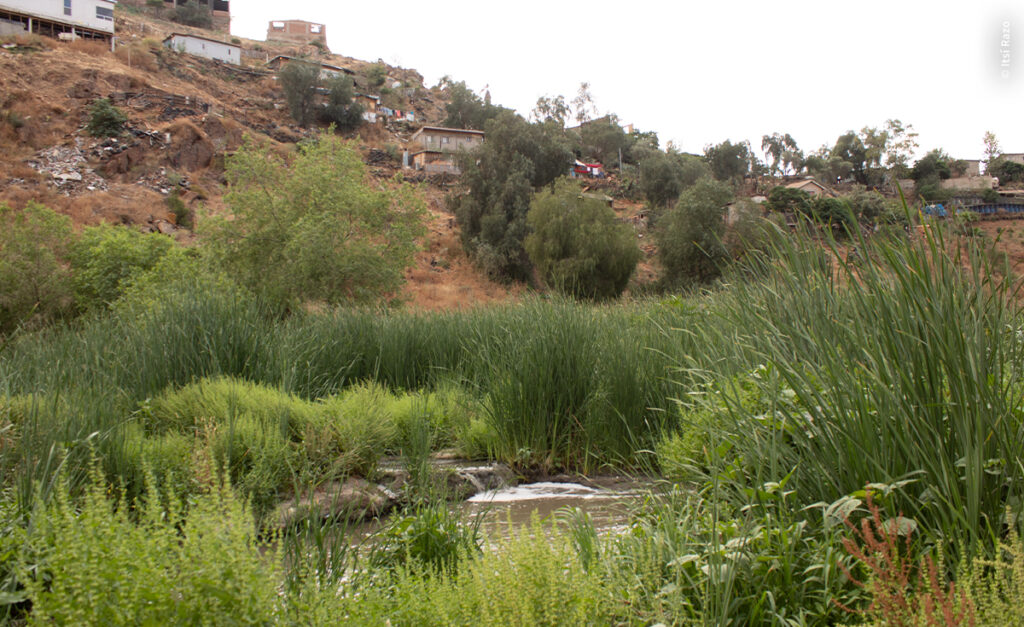
A Wetland to Filter Pollution
Wetlands function as natural filters. Vegetation and microorganisms capture sediment, nutrients, and pollutants, allowing for the gradual purification of water.
The restoration project began taking shape in 2012 and solidified in 2014, when we procured the federal concession for the site. After a pause during the pandemic, the project resumed in 2021 and has not stopped since.
“We are working on ecologically restoring a concession granted by Conagua in 2014 to Pronatura. We are working on rehabilitating 23.57 acres,” Esparza said.
Restoring the River Amid Urban Pollution
This is a huge challenge, as approximately 10 kilometers of the Tijuana River are channelized as it crosses the city, where it receives solid waste and irregular wastewater discharges. All this pollution flows downstream and ultimately reaches Imperial Beach, California.
“Much of the river receives waste and irregular wastewater discharges, this entire accumulation of pollution ends up flowing into Imperial Beach,” he explains.
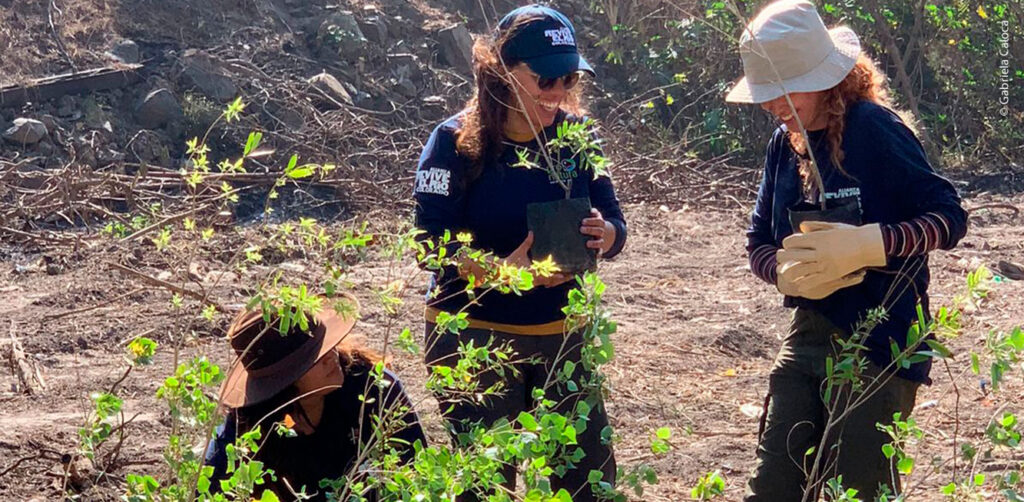
Despite this context, restoration efforts are beginning to show signs of recovery. At the site, we carry out reforestation with native species, conduct continuous waste removal, and control of invasive vegetation.
Over time, the vegetation has begun to form a small urban forest that enhances water infiltration into the aquifer and provides habitat for birds and other wildlife.
Esparza explains, “The trees and plants we have introduced have greatly contributed to restoring water infiltration into the aquifer. It can now be considered a type of urban forest”.
In addition to its ecological benefits, the project also involves the local community. Two residents from the area, Eloy and Ramiro, participate in maintaining the site through activities such as waste collection, watering trees, removing invasive species, and site monitoring.
As restoration progresses, the pilot wetland could become a key element for the river’s future. If it performs as expected, this nature-based solution could be replicated in other sections of the river channel and gradually contribute to improving the quality of the water flowing through the city.
Translated by: Alejandra Picos & Grecia Martínez
Reviewed and edited: Edgar Bolaños & Oddary Tacuba.