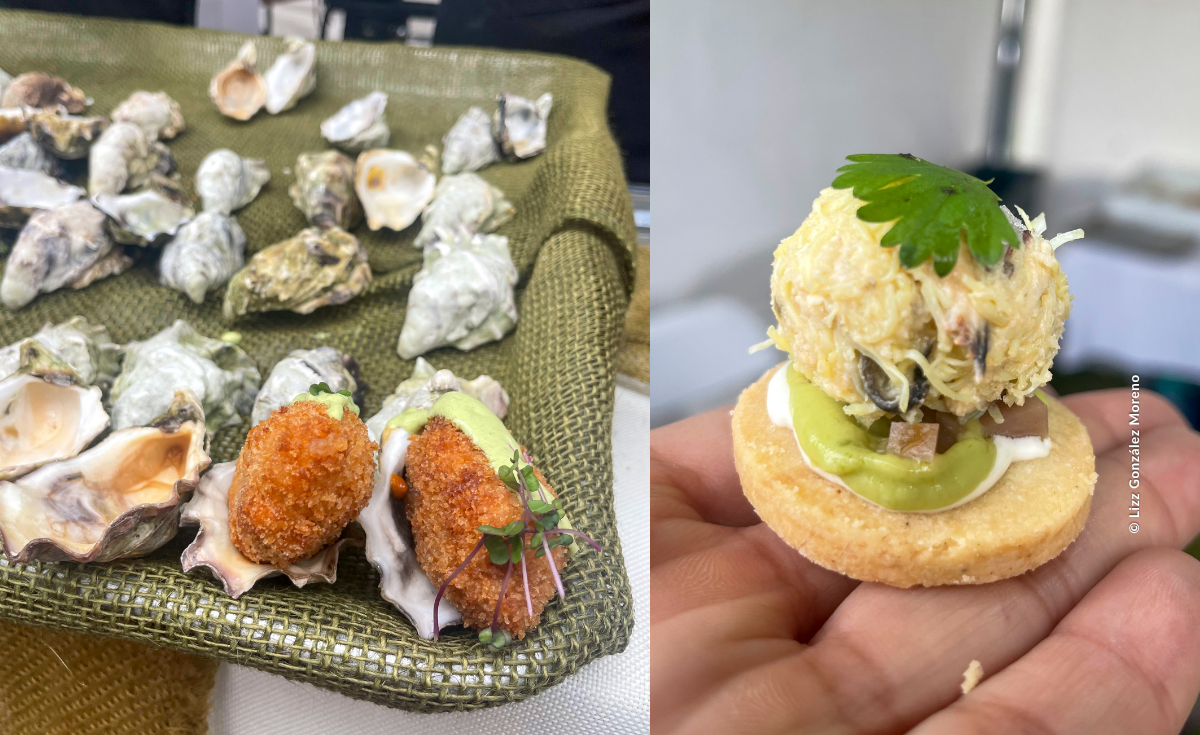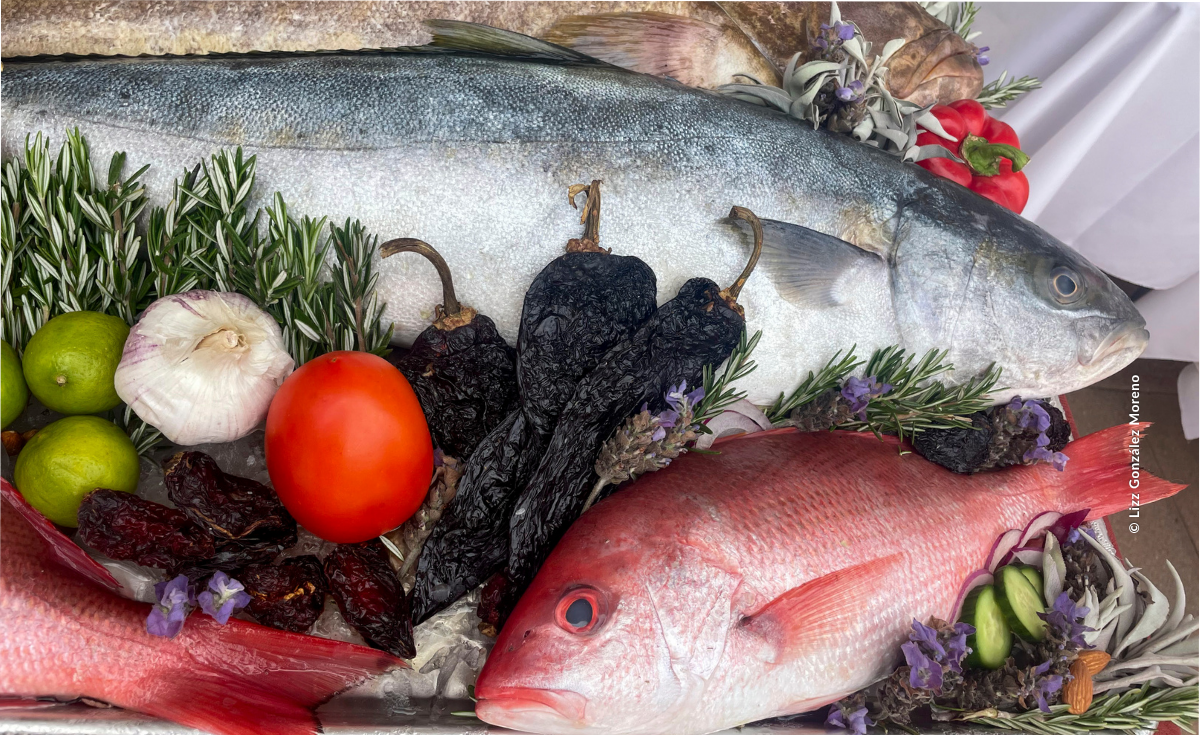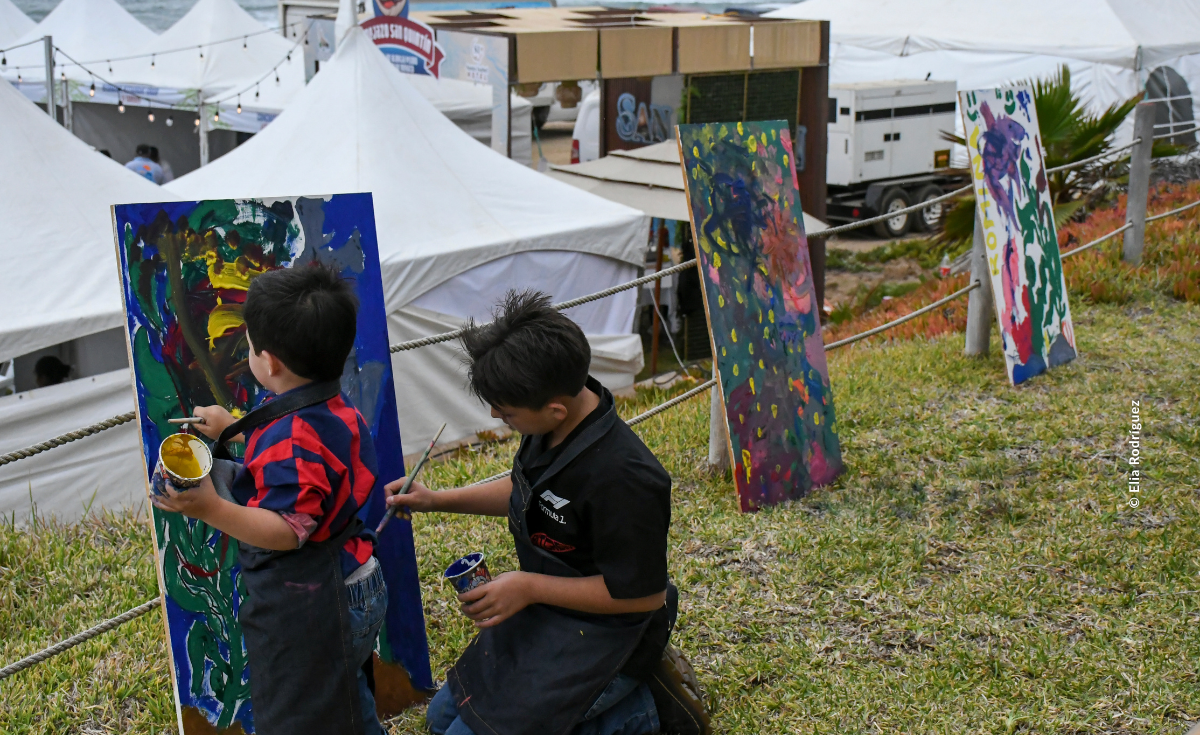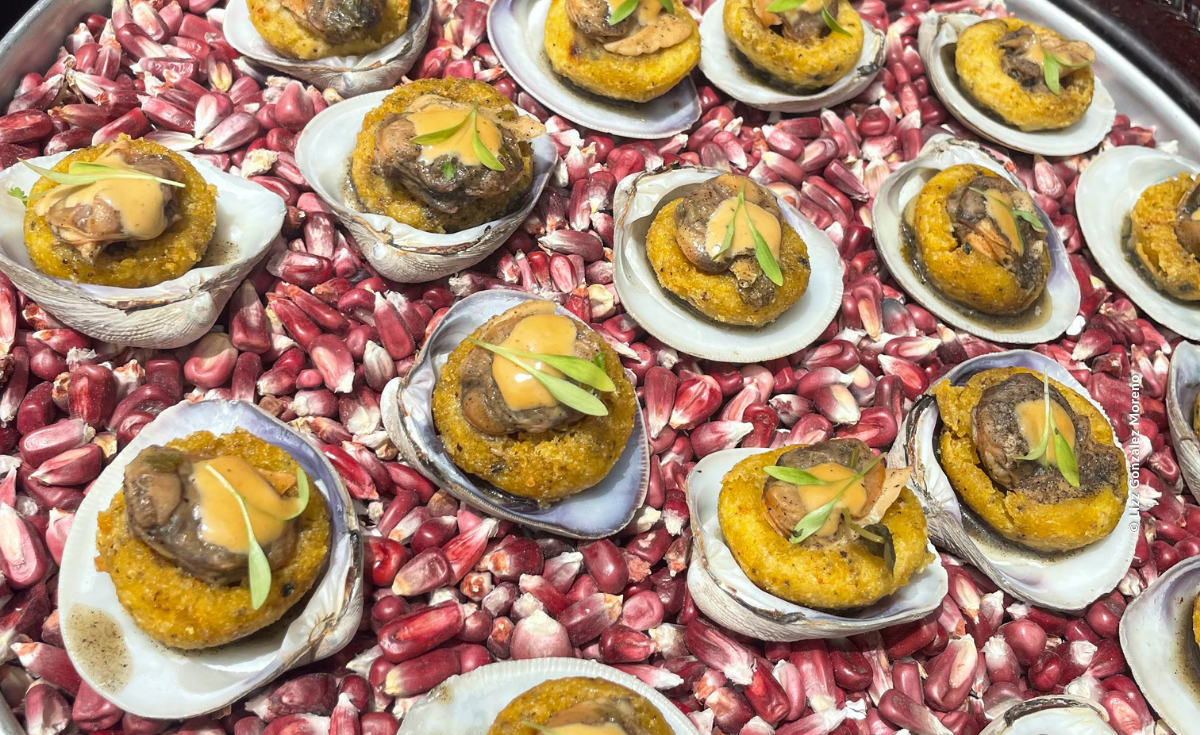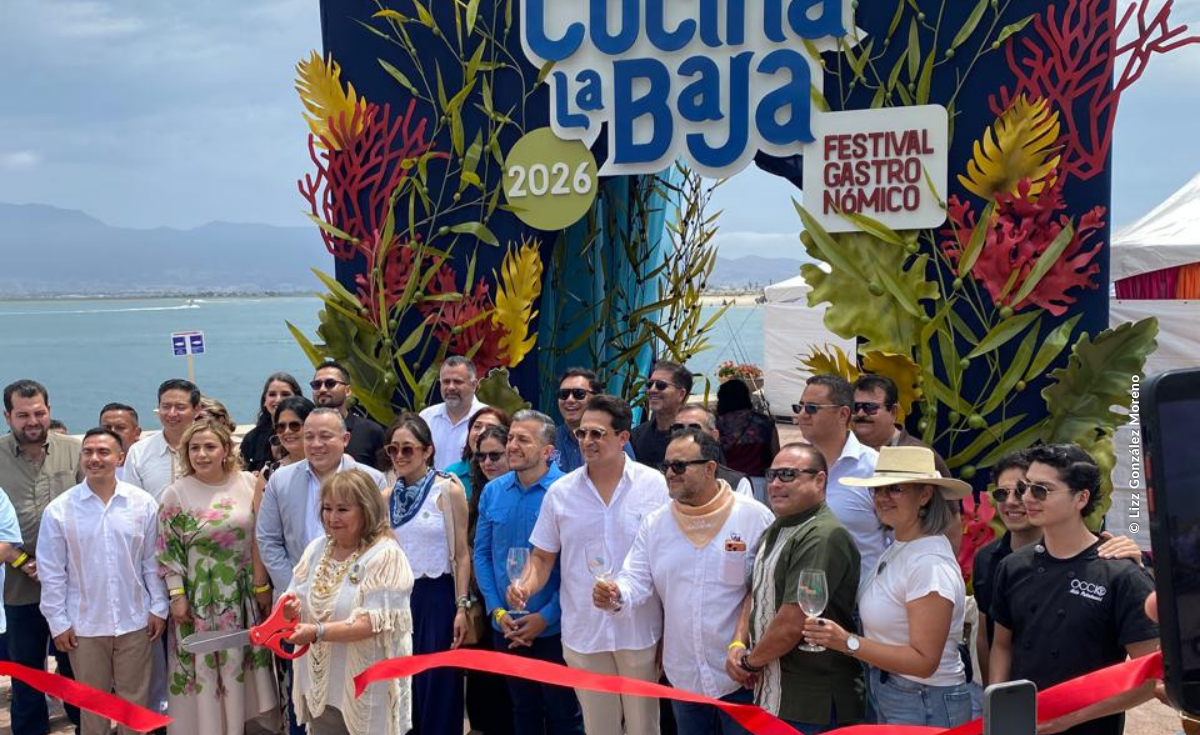


We participated in Cocina la Baja 2026 with the intention to share alongside fishermen, breeders and other allies, how responsible consumption strengthens the conservation of sea resources and the wellbeing of fishing communities in northwest Mexico.
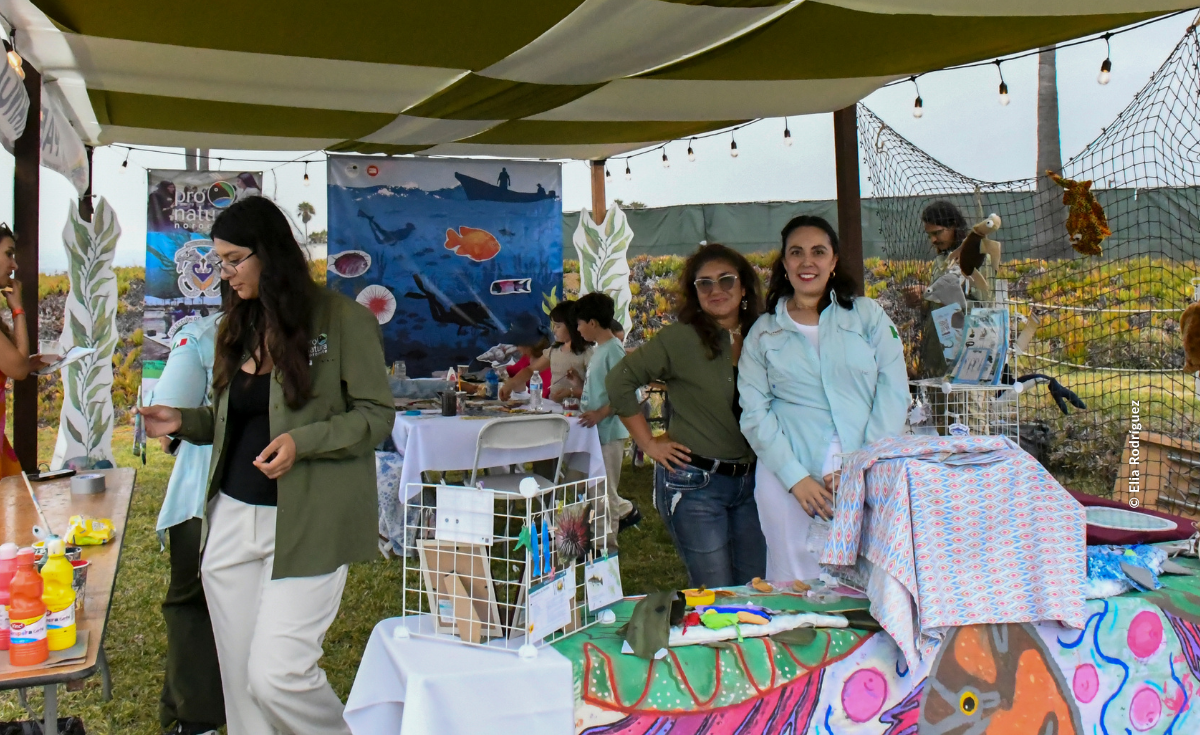
What’s the story behind the seafood that ends up arriving on our plates? In the gastronomic festival Cocina la Baja 2026, from Pronatura Noroeste we invite you to respond to this question through activities that have shown how impactful different consumption choices can be to contribute to the sea environment conservation, as well as the wellbeing of the fishery communities in northwest Mexico.
The festival was hosted by SEPESCA –Secretaría de Pesca y Acuacultura de Baja California– and COMEPESCA —Productos Pesqueros y Acuícolas, which managed to gather together breeders, fishermen, chefs and organizations from the states of Baja California, Baja California Sur and Sonora with the purpose of encouraging the regional cuisine and consumption of fishery and sea products.
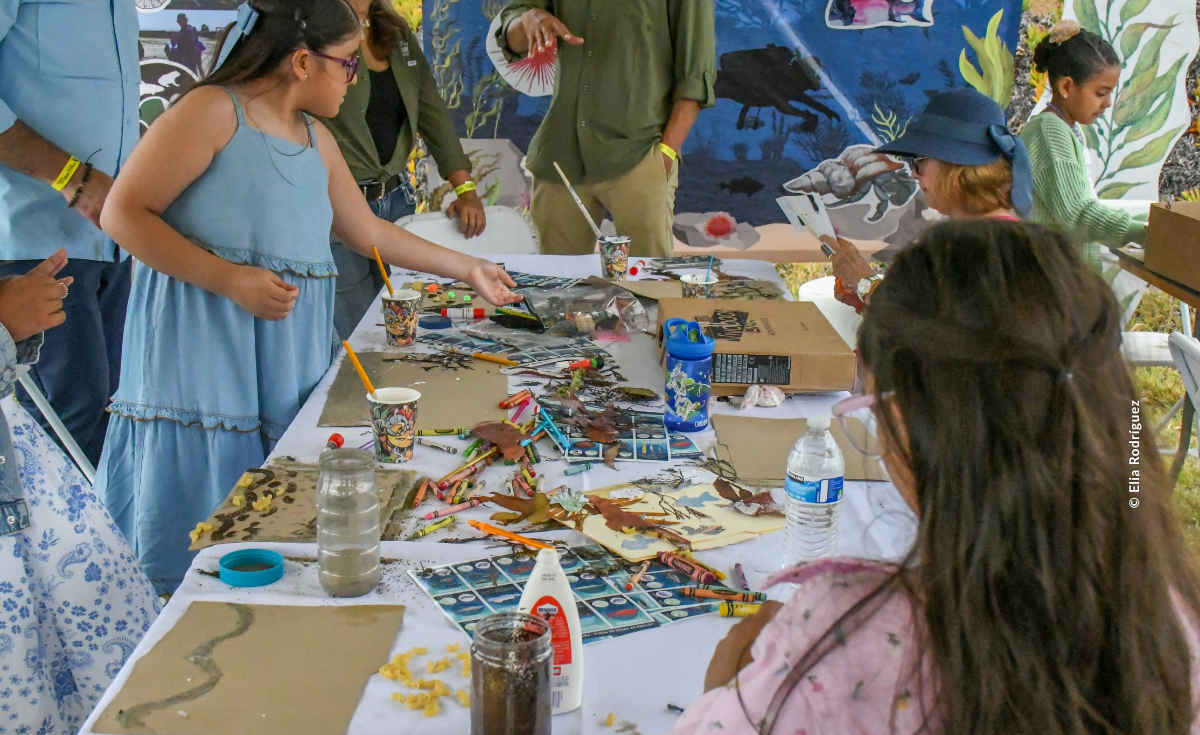
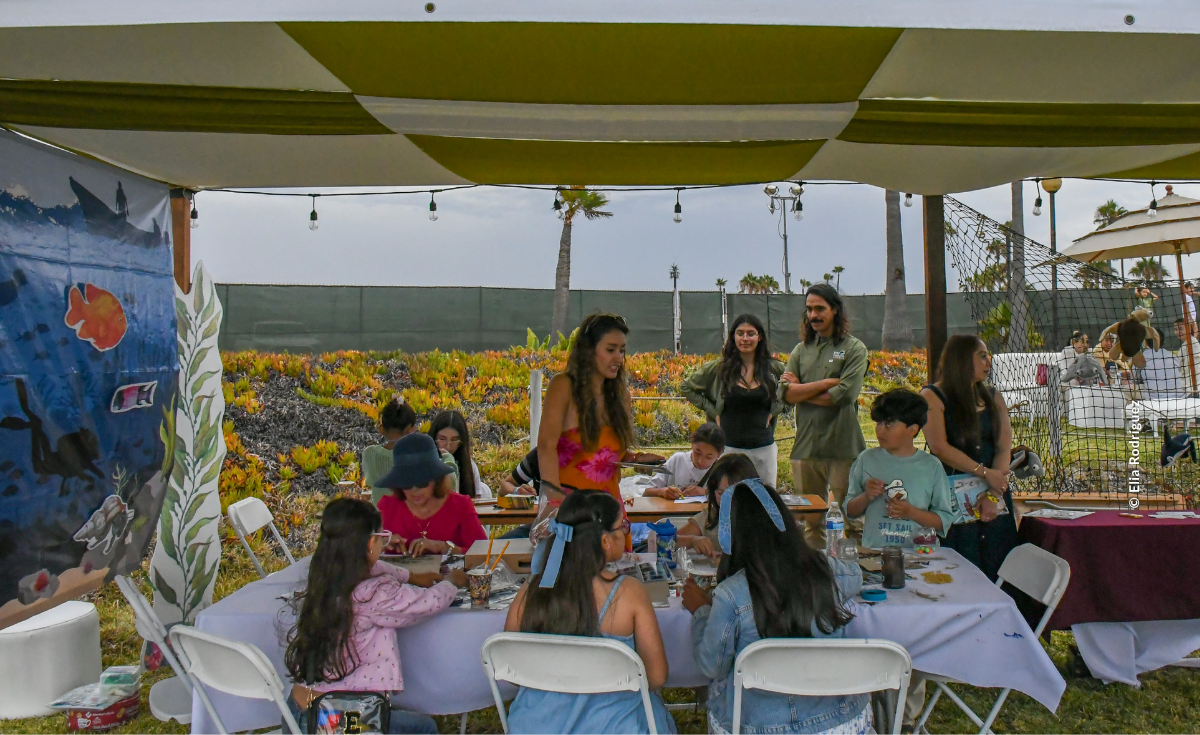
From Pabellón Manglar, we took part in this project with the intention of educating people of all ages about the origins of sea products, the importance of choosing species from sustainable fisheries and the role that our consumption choices play in sea biodiversity conservation.
By finding out ways to engage in sustainable sea product consumption, people foster markets that value the good tactics and contribute to the wellbeing of people whose lives are fishing-dependent, as well as contributing to sea ecosystem conservation.
Assistants had the opportunity to see things such as fish dissection, collage elaboration using macro sea kelp recipes using solely local resources —barred sand bass, sea urchin, and lobster. During these activities, our team shared information about fishing bans, minimum catch size, among other practices that favour sustainable fisheries.
“Cocina la Baja is more than a gastronomic festival, because it also has the intention to encourage sea conservation and the adequate usage of fishery resources in Baja California. Besides approaching chefs and marketers to these products, it also lets people discover new ways to make them and enjoy them,” as said by the Coordinator of Programa de Educación para la Conservación —Education Program for Conservation, Lizz González Moreno.
To Humberto Alonso Peinado, who is an expert in the field in Baja California, a place like this makes the bond between cooks and consumers stronger.
Peinado also said the following: “Baja California produces a great diversity of sea products; however, most of them are exported to other countries, and its consumption in the national market is still a very limited one. Events like these end up being helpful to discover more species like the sea urchin, snail, abalone or seaweed, bring up some other new commercialization opportunities and strengthen fishery communities.”
Lizz González highlighted that the initiatives as Cocina la Baja also invite others to know the origin of various fishery resources, as well as consider the efforts made within the communities to keep and save see resources.
“Communities contribute to protect fishery resources, education strengthens local capacities for its responsible management and conservation leads to both social and economic benefits,” she declared.
At Pronatura Noroeste, we work alongside fishing organizations to strengthen their capacities, promote markets that can recognize good practice and spread this information and share it to schools, cooks, potential consumers and upcoming generations.
Behind every single fish, sea urchin, or lobster, there are volunteers, knowledge, and choices that have collaborated to take care of the sea. Choosing local products from local fisheries and being aware of the consumption season are simple yet significant actions that help with the conservation of sea biodiversity.
Get to know more about our work and join us so we can protect our sea together, and support those who are mindful of its future.
Translated by: Ma. Del Carmen Arce
Reviewed and edited by: Oddary Tacuba