

In the face of threats such as egg poaching, bycatch, coastal development, and plastic pollution, we are leveraging scientific capacities to gain a deeper understanding of the species and strengthen decision-making for its conservation.
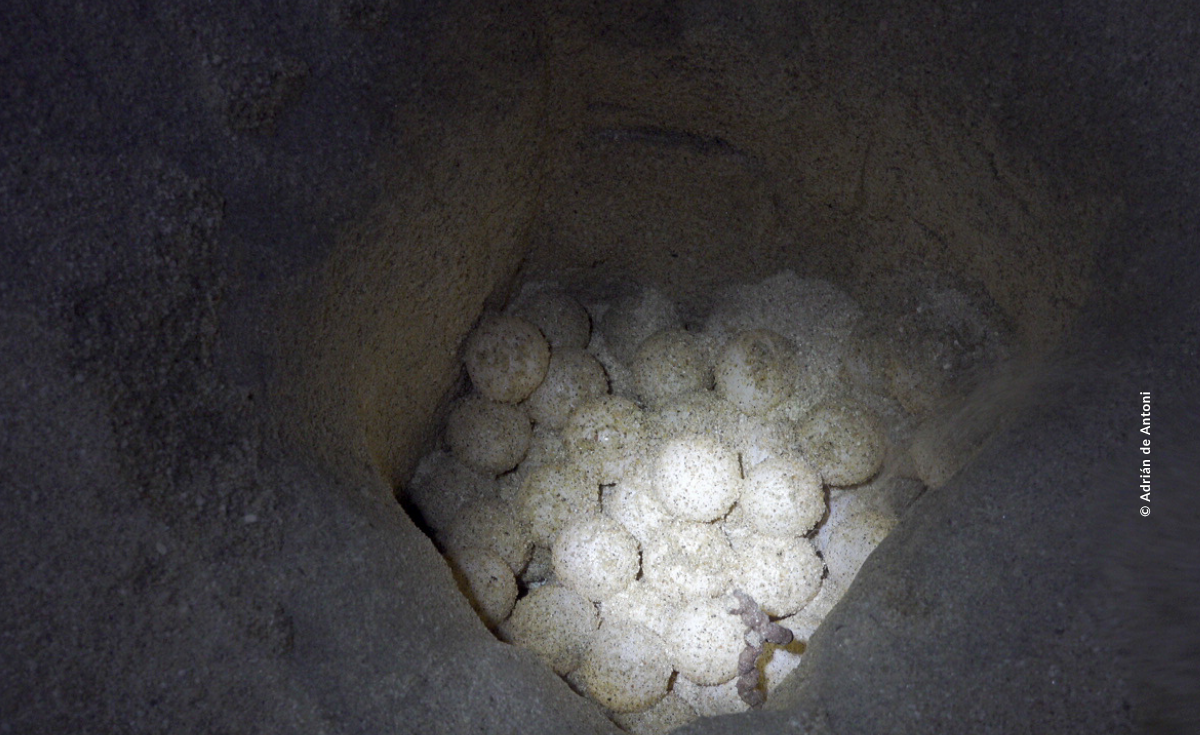
What happens inside an olive ridley sea turtle egg before a hatchling breaks through the shell and begins its journey to the sea? Part of the answer could help us make better decisions to conserve this species along our coasts.
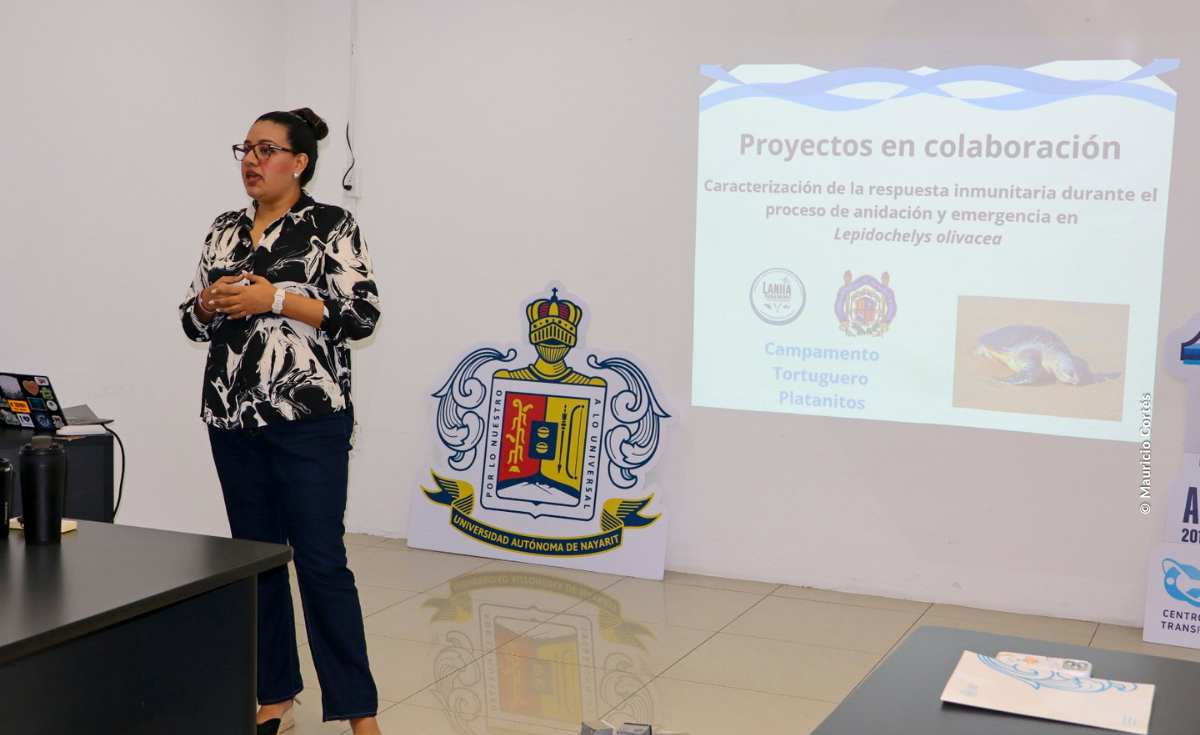
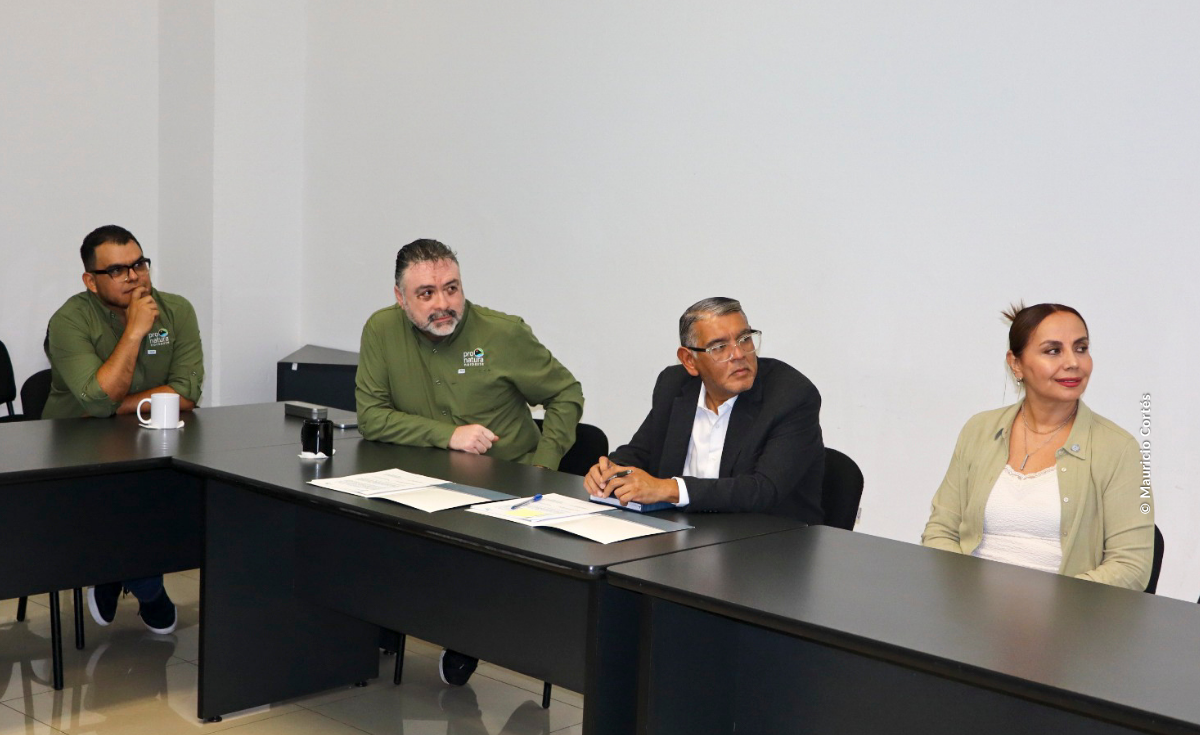
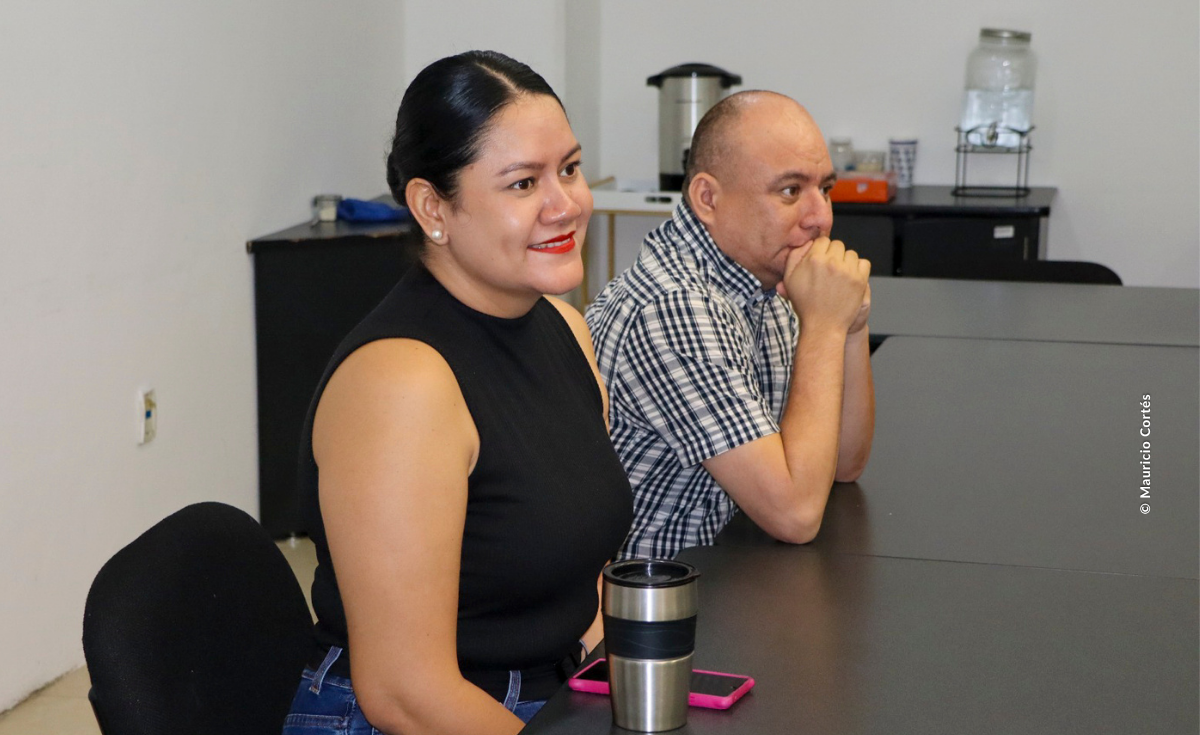
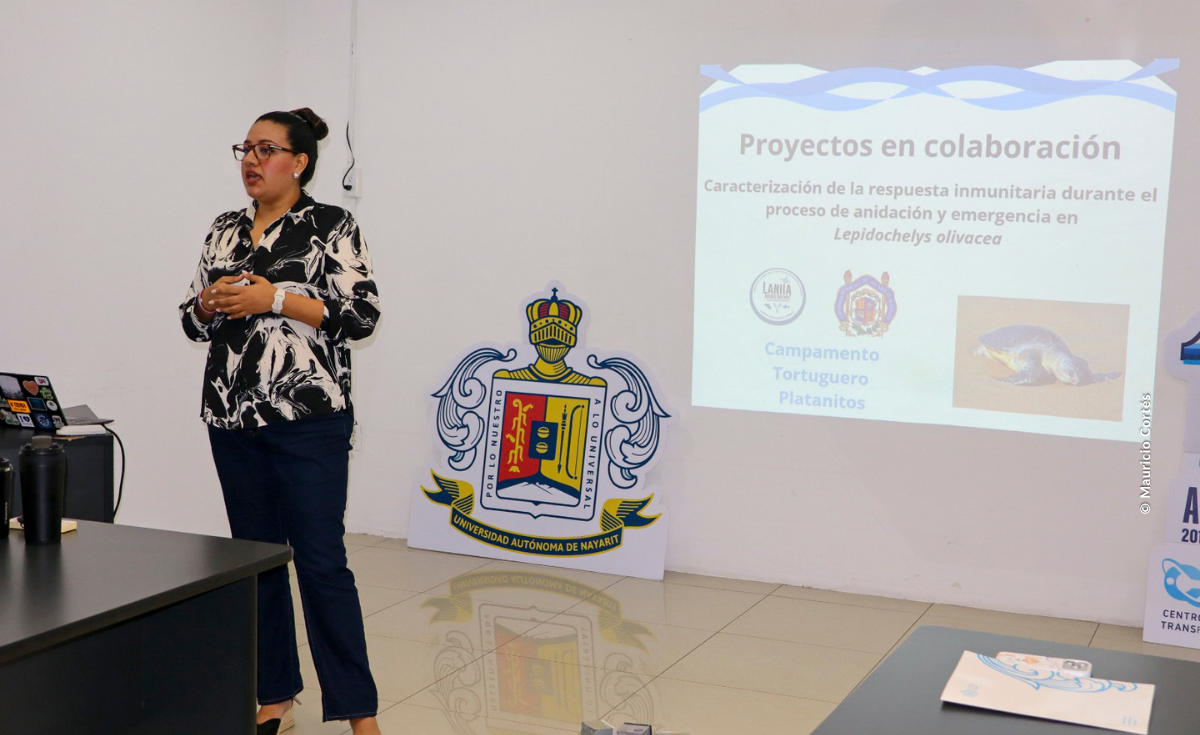
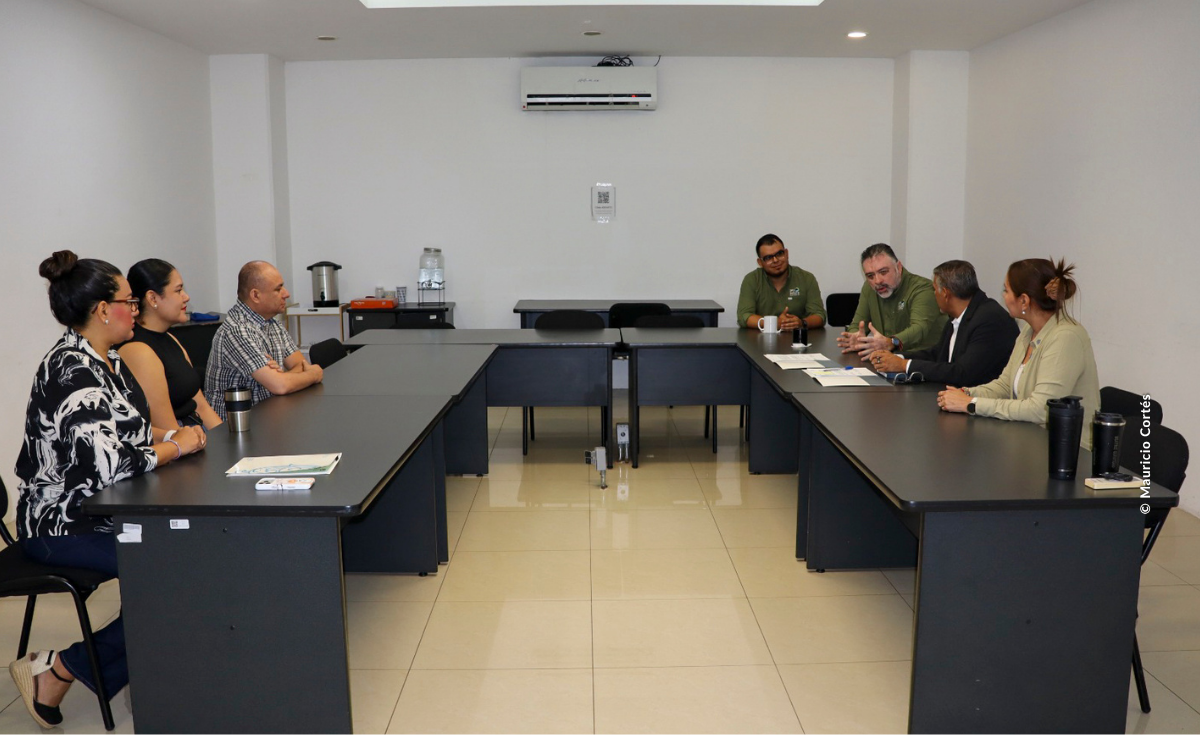
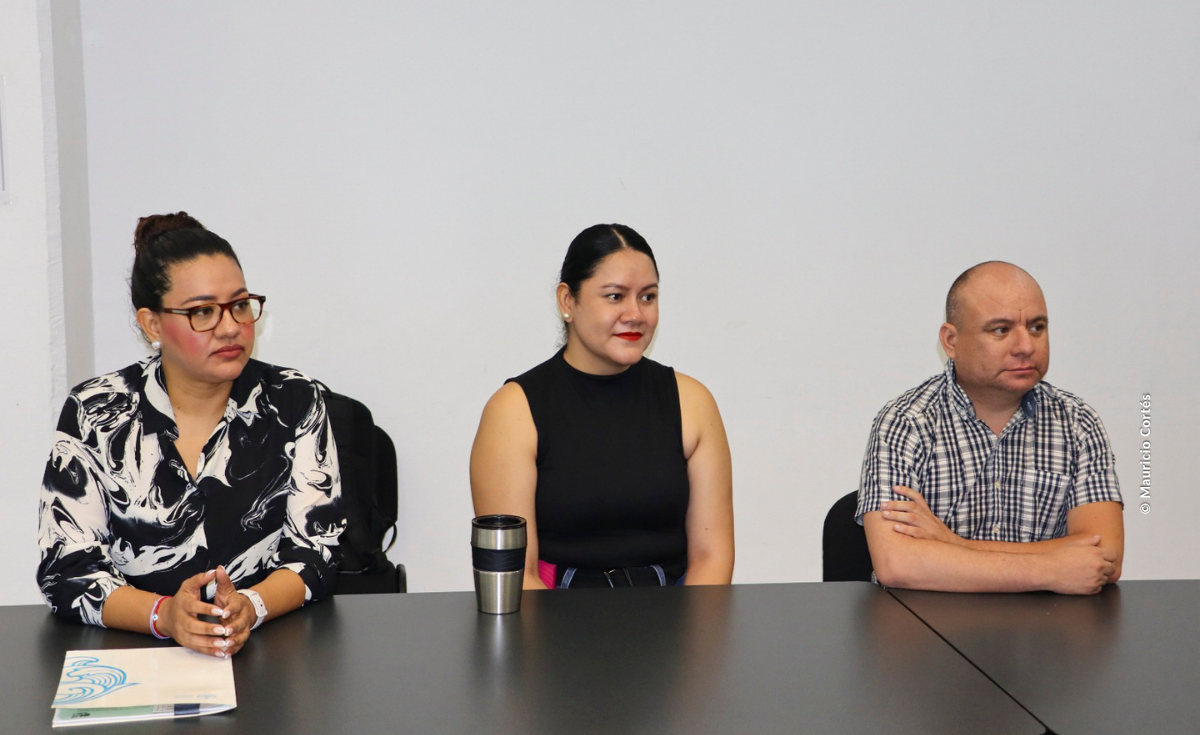
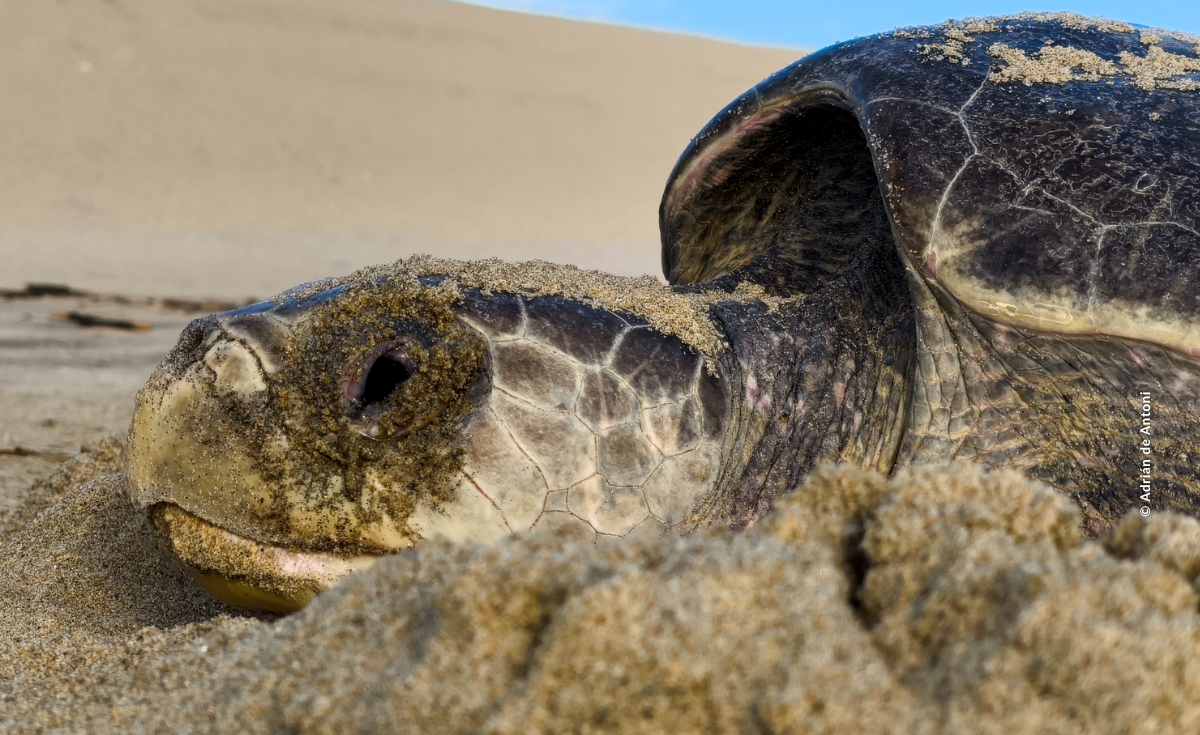
At Pronatura Noroeste, we have launched a partnership with the Centro Nayarita de Innovación y Transferencia de Tecnología (CENITT) to contribute to research aimed at characterizing the immune response of the olive ridley sea turtle (Lepidochelys olivacea) during nesting and hatching at the Playa Platanitos Sanctuary, a Protected Natural Area located in the municipality of Compostela, Nayarit.
The project seeks to study a particularly relevant process: how the immune response of mothers relates to those of their hatchlings, and what role environmental conditions such as incubation temperature may play.
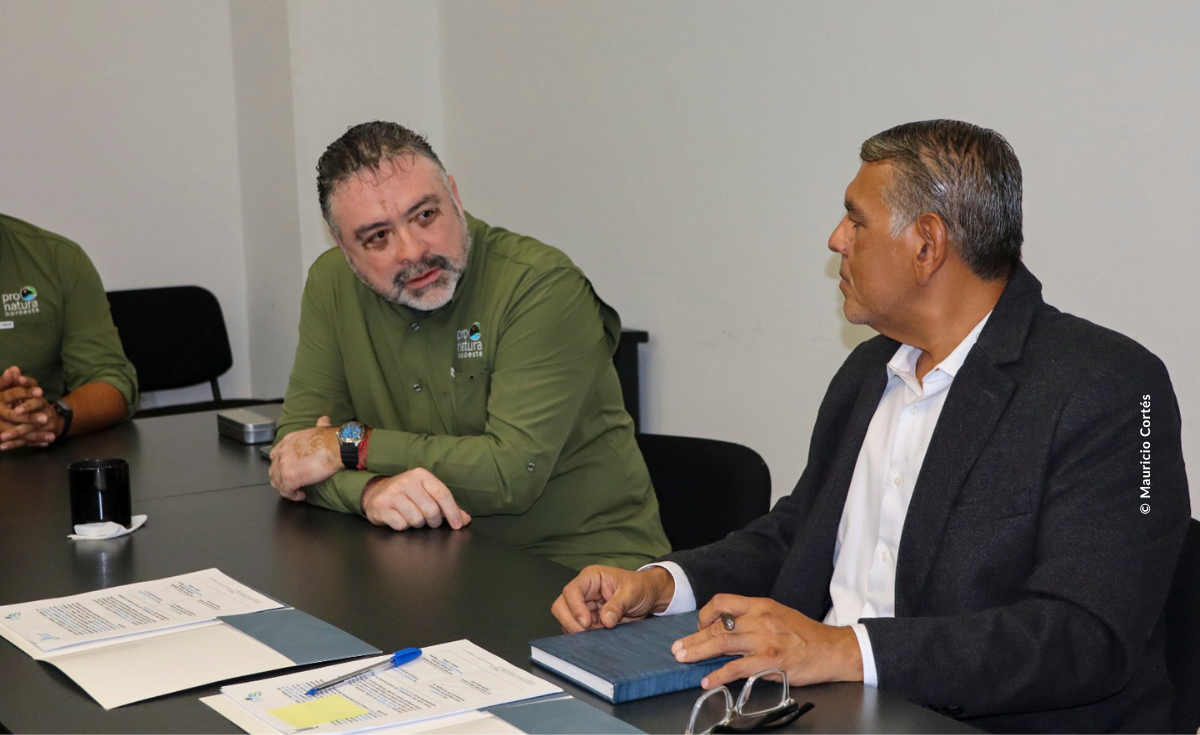
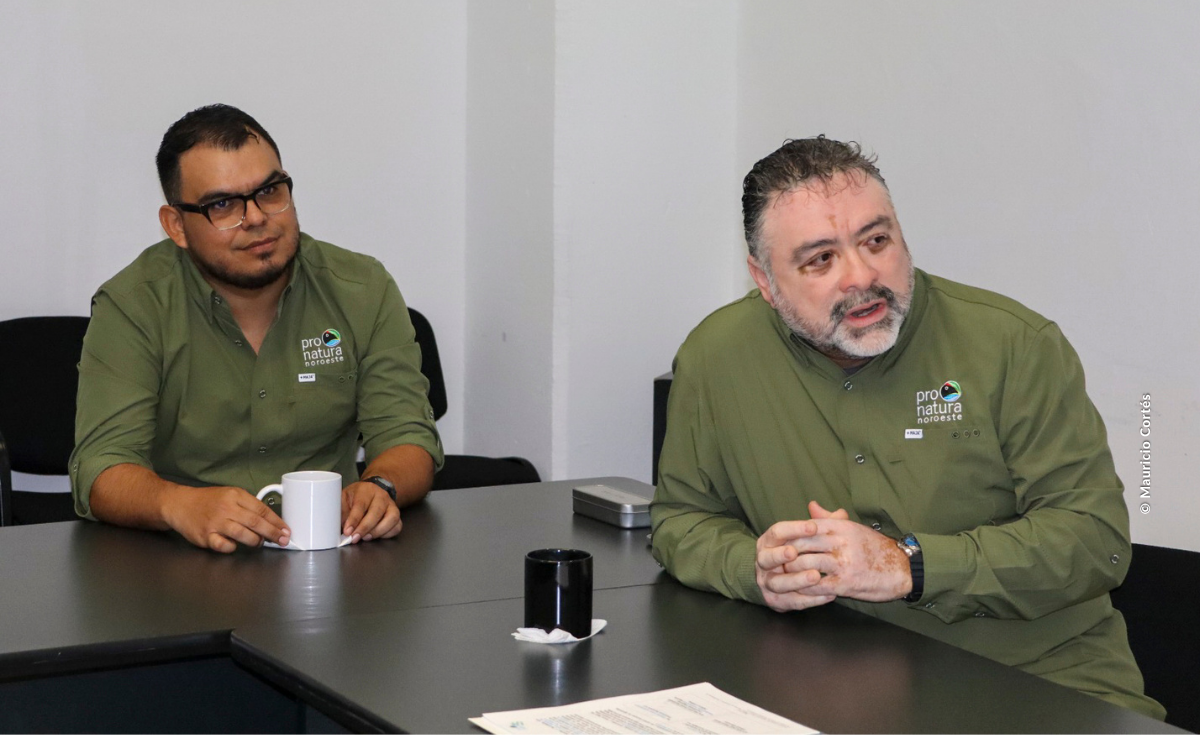
“The project is very interesting because it studies a species at risk and seeks to understand the immune response that the mother transfers to the hatchling from the egg. We also want to know what happens to that process with rising temperatures due to climate change,” explains Mauricio Cortes Hernandez, Regional Coordinator for Pronatura Noroeste in Nayarit, Jalisco, and Colima.
The research stems from collaboration between CENITT and the Michoacana University of San Nicolás de Hidalgo (UMSNH), with the participation of specialists affiliated with the National Laboratory for Food Safety Research (LANIIA), the Autonomous University of Nayarit (UAN), and the Institute for Research on Natural Resources (UMSNH)
From Research to the Beach
One of the objectives is to understand whether there is a transfer of immune response from mothers to hatchlings and to analyze what happens under different temperature conditions.
The research will require approximately one year of intensive work. This is precisely why the collaboration between science and conservation is so relevant. If the evidence allows us to identify how certain environmental conditions influence hatchling development, this knowledge could later contribute to the design of recommendations for nest management.
Can Shade Help Nests?
Temperature is one of the variables that researchers aim to analyze. Cortés Hernández notes that existing studies link higher temperatures with a greater proportion of females in sea turtle populations.
However, this possibility should still be understood as a measure contingent on the results of this research. It will be necessary to determine what happens, under what temperatures, and for how long before any recommendations can be established.
Bringing Knowledge to More Camps
One of the opportunities of this research is that its findings can transcend and prove useful to other turtle camps.
These sites face common variables related to nest temperature, egg handling, and the presence of bacteria. Having solid evidence can help review and strengthen management practices.
A central aspect of our collaboration is connecting scientific research with the decisions made directly on the ground.
It is not about assuming that a single measure will solve the problem, but rather about generating knowledge, testing hypotheses, and, based on the results, identifying practices that can improve conservation outcomes.
Protecting Nests Is Only Part of the Challenge
The olive ridley sea turtle faces other challenges that can’t be solved from a laboratory.
To Cortés Hernández, illegal egg poaching is one of the major threats to this species.
He comments, “The strongest point is concentrated in illegal egg trafficking. I have no idea if it’s a lot or just a little, but the trafficking is still there.”
Added to this is the nest-raiding by both wildlife and dogs circulating around the beach without any supervision.
Bycatch represents another risk to the sea biodiversity. Cortés Hernández also mentions the use of longlines, a prohibited practice that also causes turtles to get stuck. Females are the most exposed to these dangers, especially during breeding season.
Cortés also stated the following: “Some other threats are coastal development and plastic pollution. Around 80% of a turtle’s diet consists of jellyfish, and these can be mistaken for plastic bags, because they see them as jellyfish, so they keep eating them.”
Coastal development also complicates things for turtles when it comes to finding nesting spots. Added to this is another increasingly notorious threat: plastic pollution.
Sea turtles can mistake plastic pieces for prey —a good example of this is jellyfish, and ingest them, which can have negative effects on their health.
Faced with this situation, conserving this species of sea turtle requires acting out on different fronts: protecting nesting spots, reducing any potential risks in the sea, fighting egg poaching, and managing the nests carefully.
Science for better choices
Since the threats are very different from each other, there’s not a single answer to the conservation of the olive ridley sea turtle. Each threat requires understanding its origins and implementing strategies to fix them just in time.
The collaboration with CENITT gives an opportunity to gather evidence about the processes that happen even before hatchlings are born, and then, when the results support it, turn that knowledge into better conservation practices.
In Pronatura Noroeste, science is a tool that helps reinforce choices regarding territorial conservation. New information can be helpful to see what already works, what we could change, and how to deal with the dangers sea turtles face day by day.
Conserving also implies taking better action. You can take part in this movement by joining us in Pronatura Noroeste. Get to know our work, spread awareness, and support activities that help us protect our beaches and our sea; the sea of northwest Mexico.
Translated by: Ma. Del Carmen Arce & Oddary Tacuba
Reviewed and edited by: Daniella Zatarain