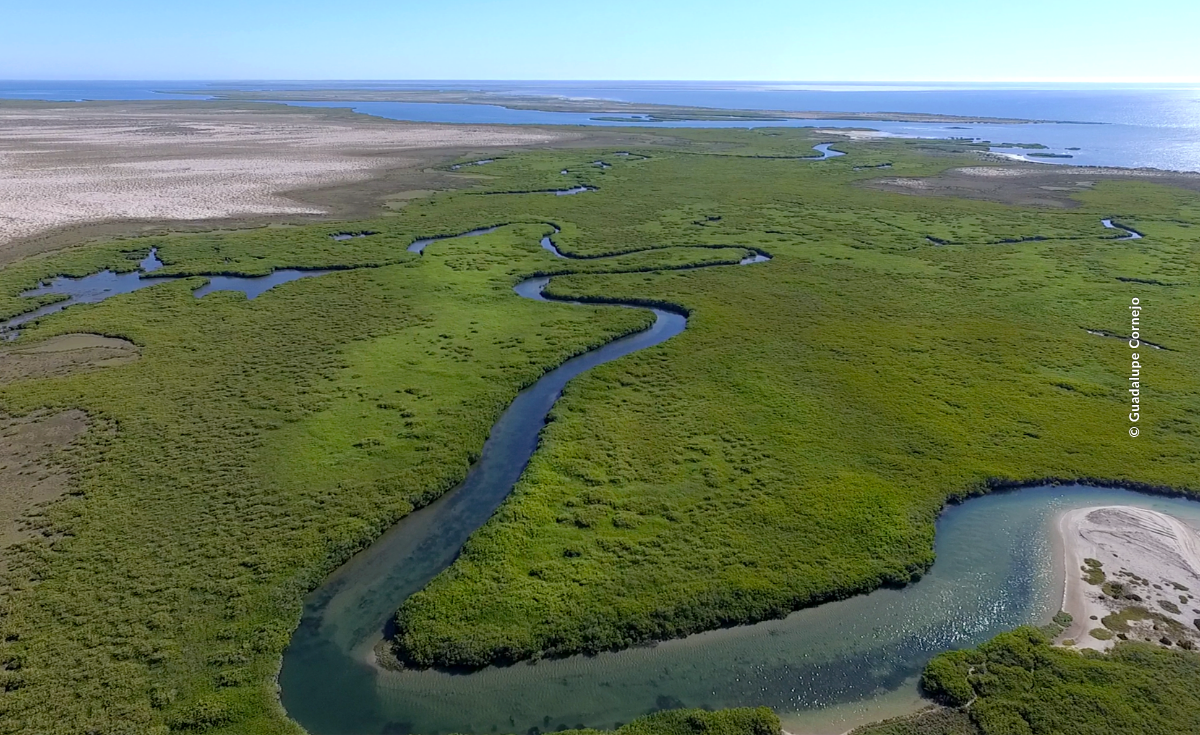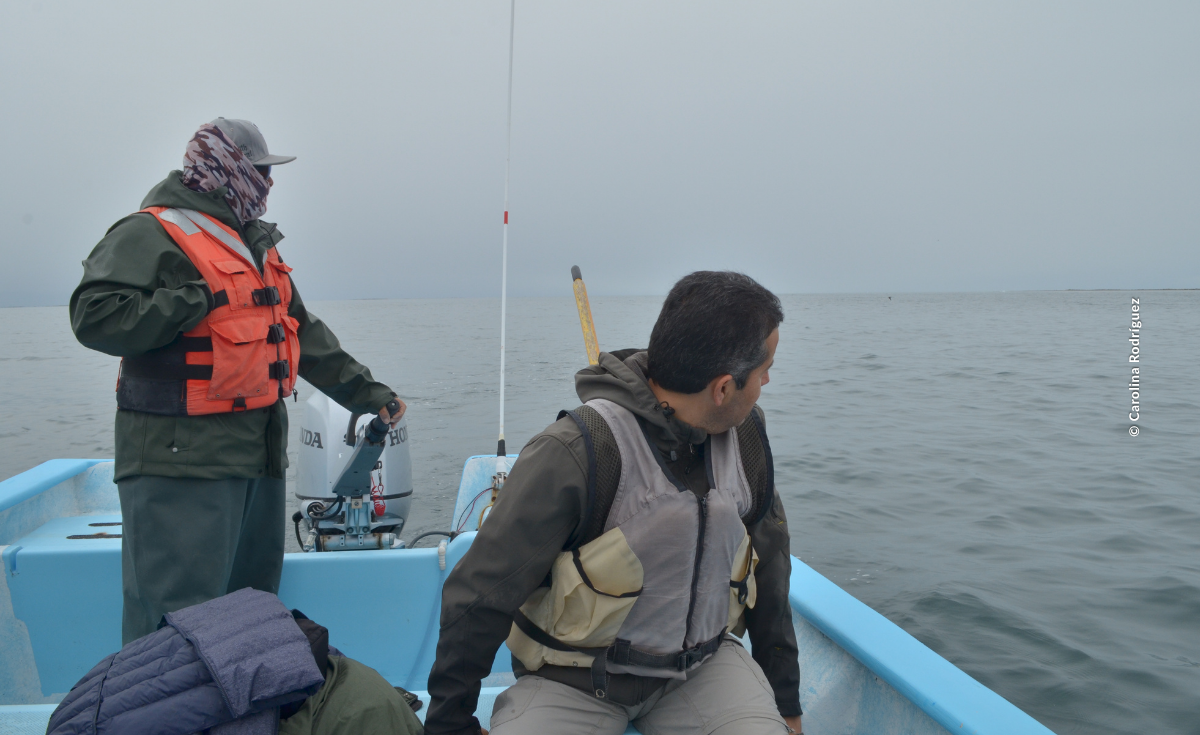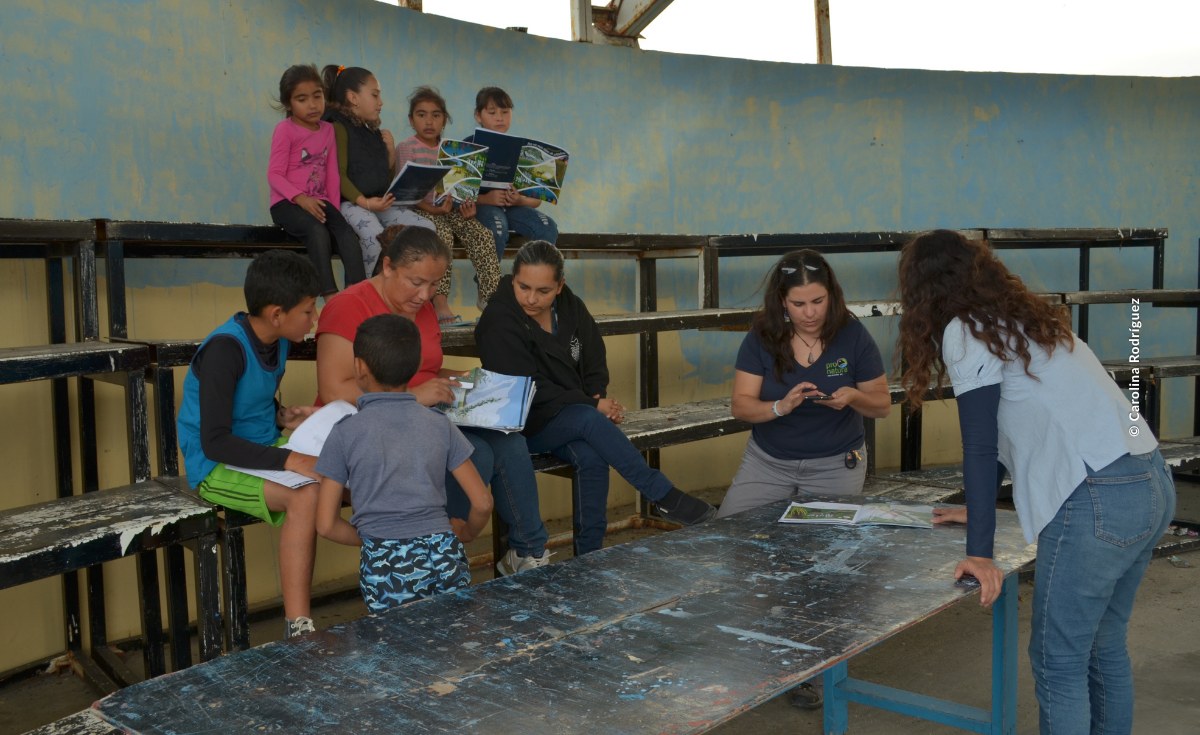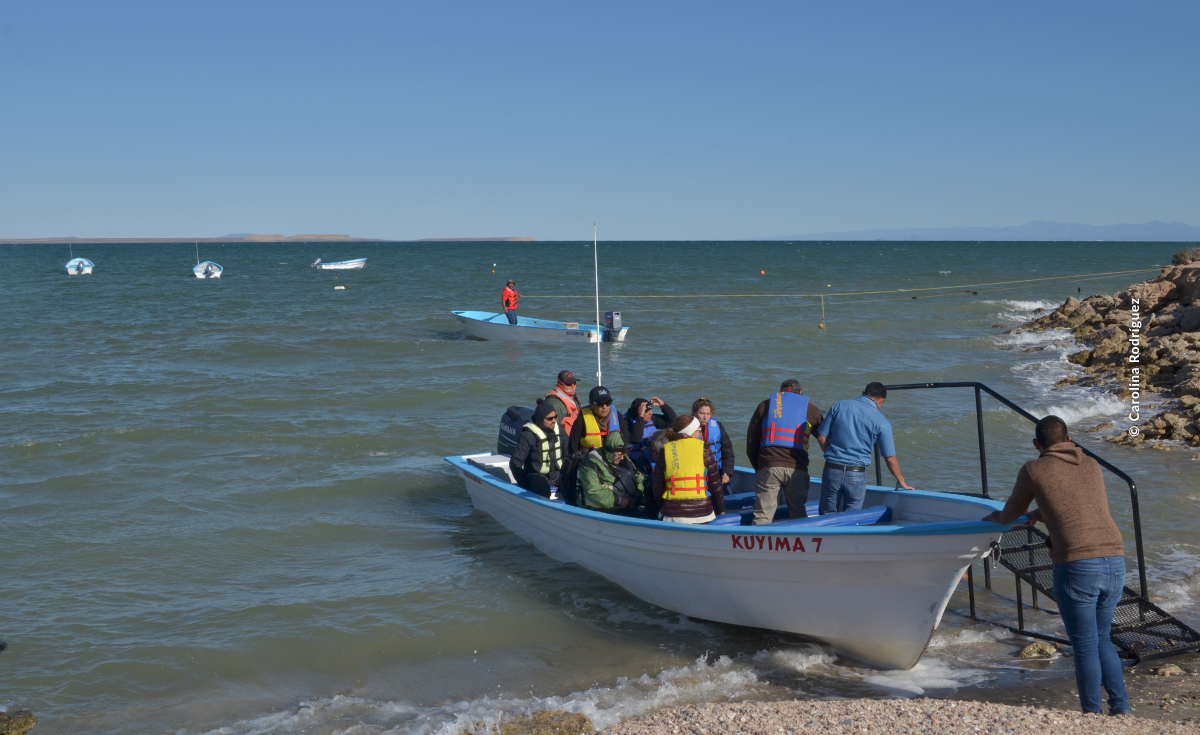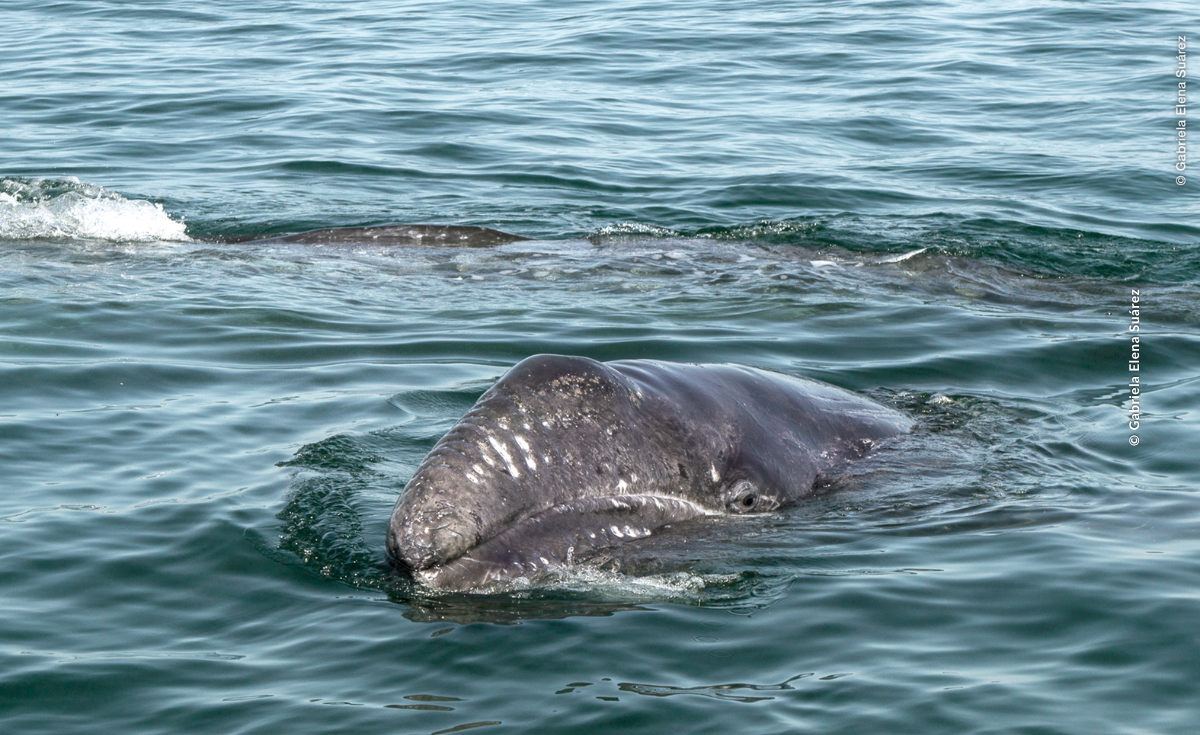


In 2006, ejidatarios (communal landholders) from Ejido Luis Echeverría signed agreements to preserve approximately 56 thousand hectares of land surrounding Laguna San Ignacio and protect the gray whale sanctuary, which today is an integral part of their economy and identity.
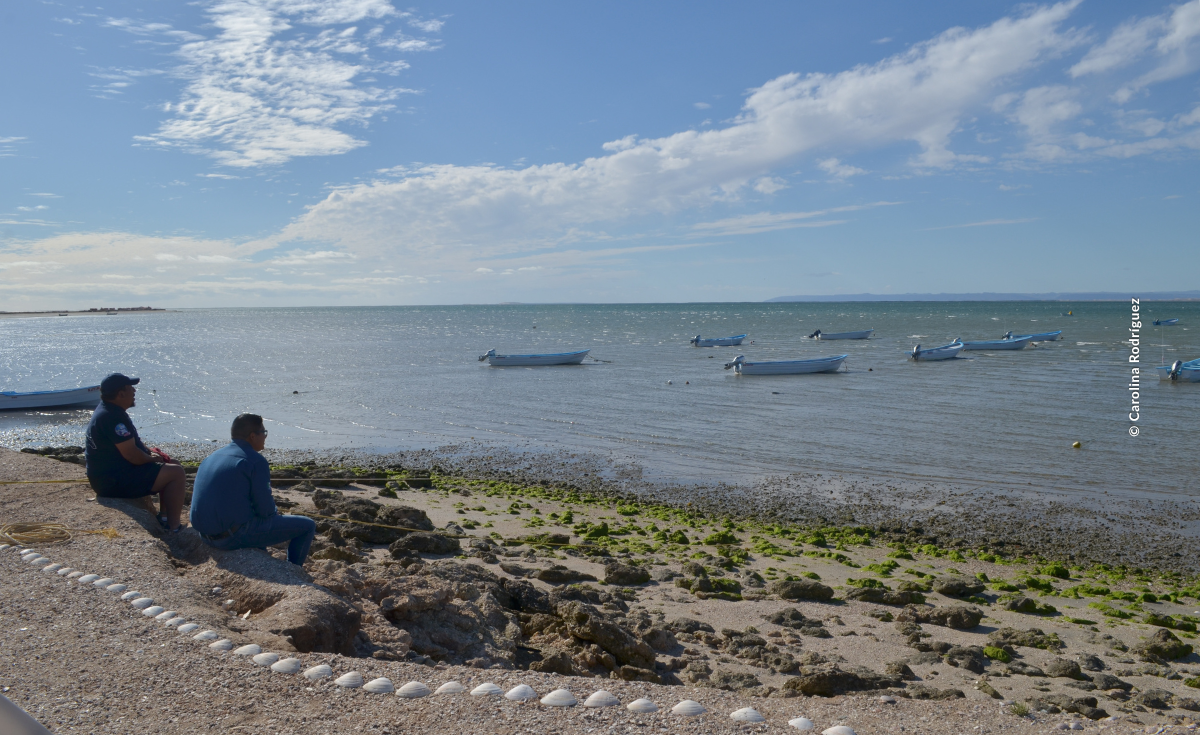
In Laguna San Ignacio, Baja California Sur, conservation is not only an environmental goal, but the foundation upon which a community has built its way of life.
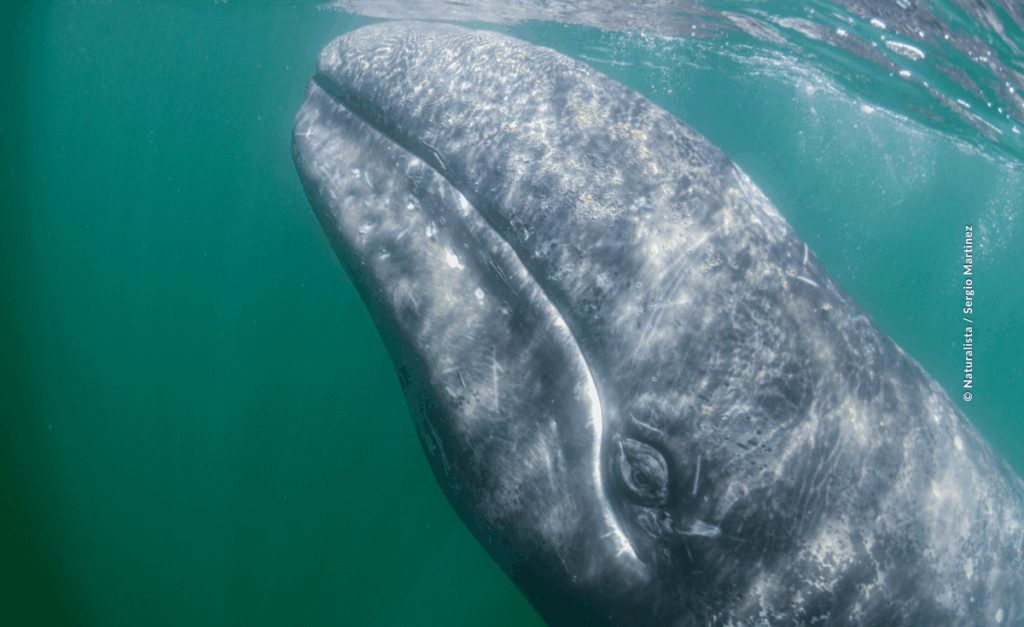
At Pronatura Noroeste, we have worked alongside this process, which shows sustainable development is possible when it is born from within the community and rooted in a shared vision. Here, taking care of the planet also involves taking care of the sea, which the gray whale depends on; a great ecological and economic pillar in the region.
A Community Decision that Changed the Land’s Future
Around 20 years ago, Ejido Luis Echeverría Álvarez made a decision that involved uncertainty: signing conservation agreements that limited the use of their land. “And that’s how the Preservation Easement of Ejido Luis Echeverría was born”, Chief Operating Officer Daniela López Acosta stated. “When you consider the time that has passed since then, there’s an undeniable bravery in the community’s decision to sign an agreement that many thought would lead to them losing their land,” she added.
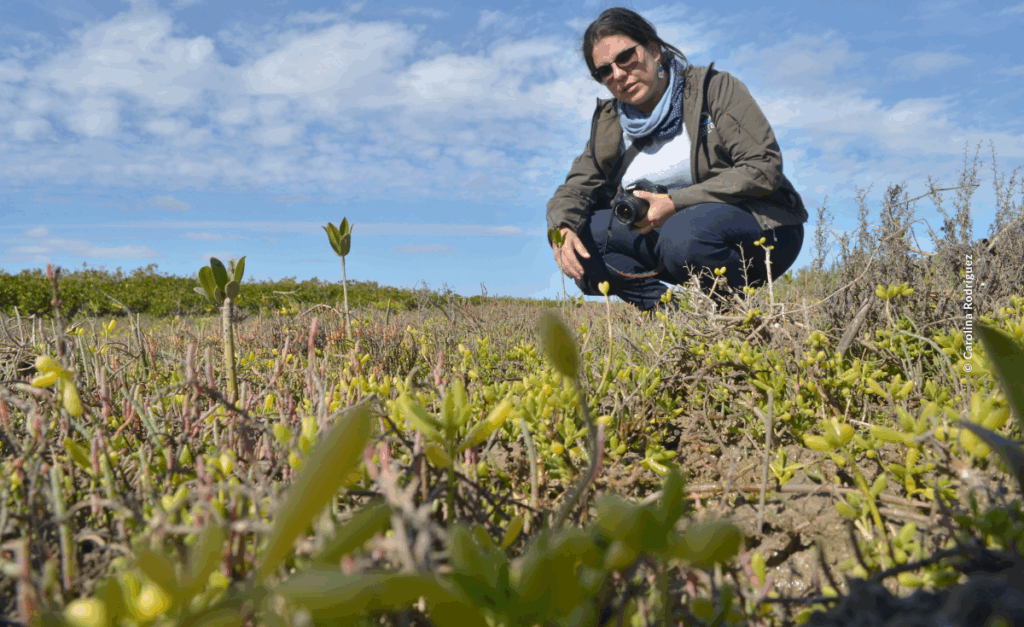
Far from being a loss, such a decision made it possible to protect more than 56 thousand hectares that are vital to the ecosystems that sustain life in the lagoon.
“This community had a vision. They understood that it did not mean losing their land, but rather organizing its use,” she explained.
Conservation as a source of livelihood and
a way of life
Now, the results are visible. This community not only protects this ecosystem, but
also makes a living from conservation. Gray whale watching is one of the main
economic activities and is currently led by the locals.
“The community has finally seen the economic benefits conservation has to offer.
That’s something hard to demonstrate, yet it’s happening here,” López highlighted.
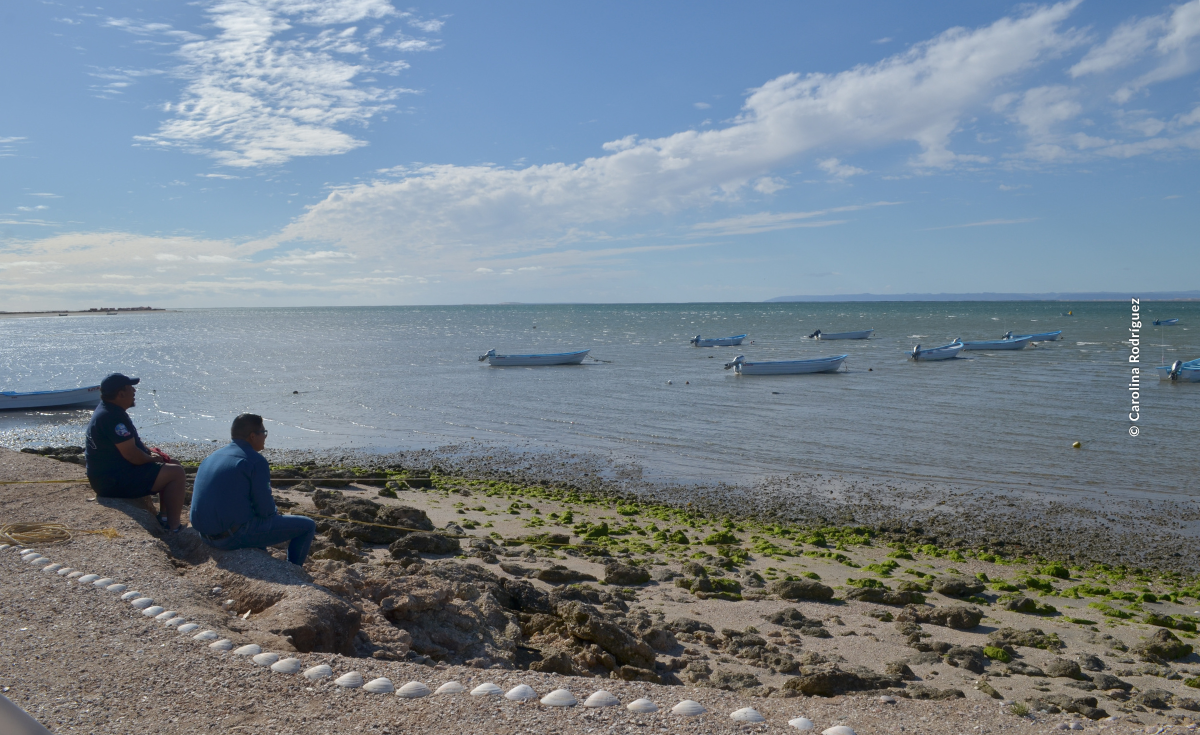
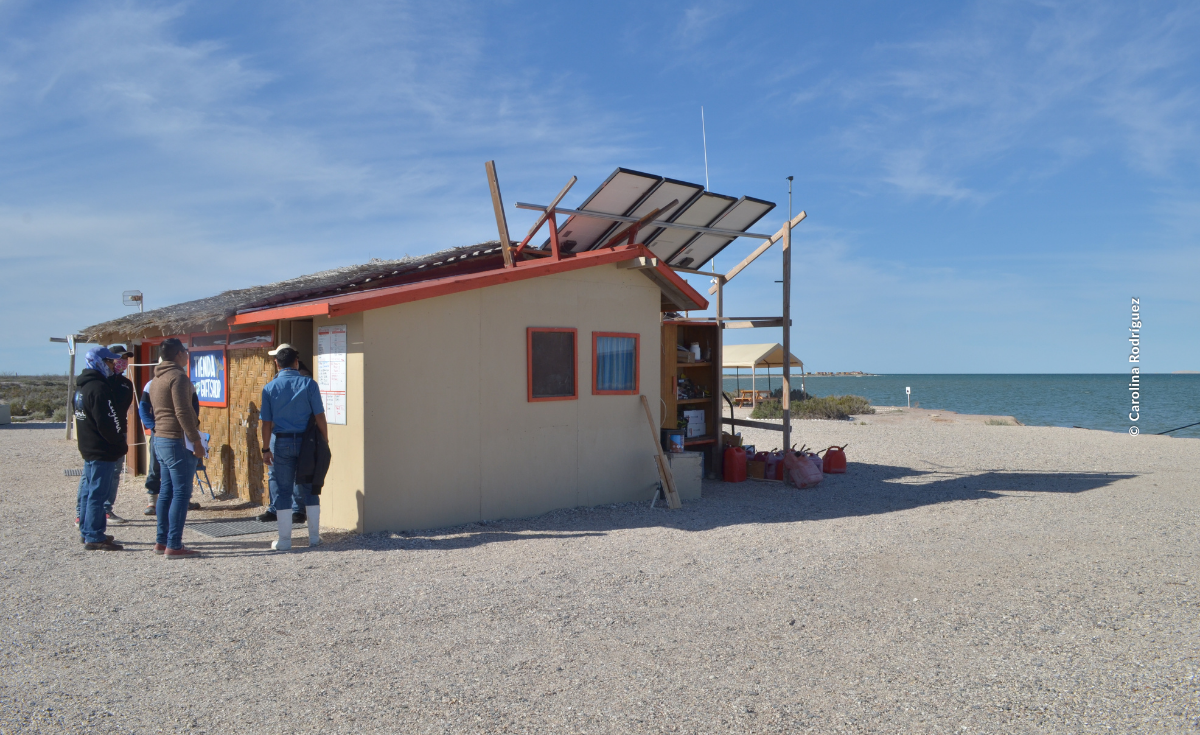
They are the ones who operate the ecotouristic areas; they receive the visitors and
have established the rules to guarantee respect for this species.
“They have immense respect for gray whale watching. If the whale is
uncomfortable, even if the tourist wants to approach, they won’t. They will never
prioritize the visitor’s experience over the whale’s well-being and comfort,” she
said.
This approach has strengthened a deep relationship between the community and
the whale. They recognize it not only as part of their environment, but also as their
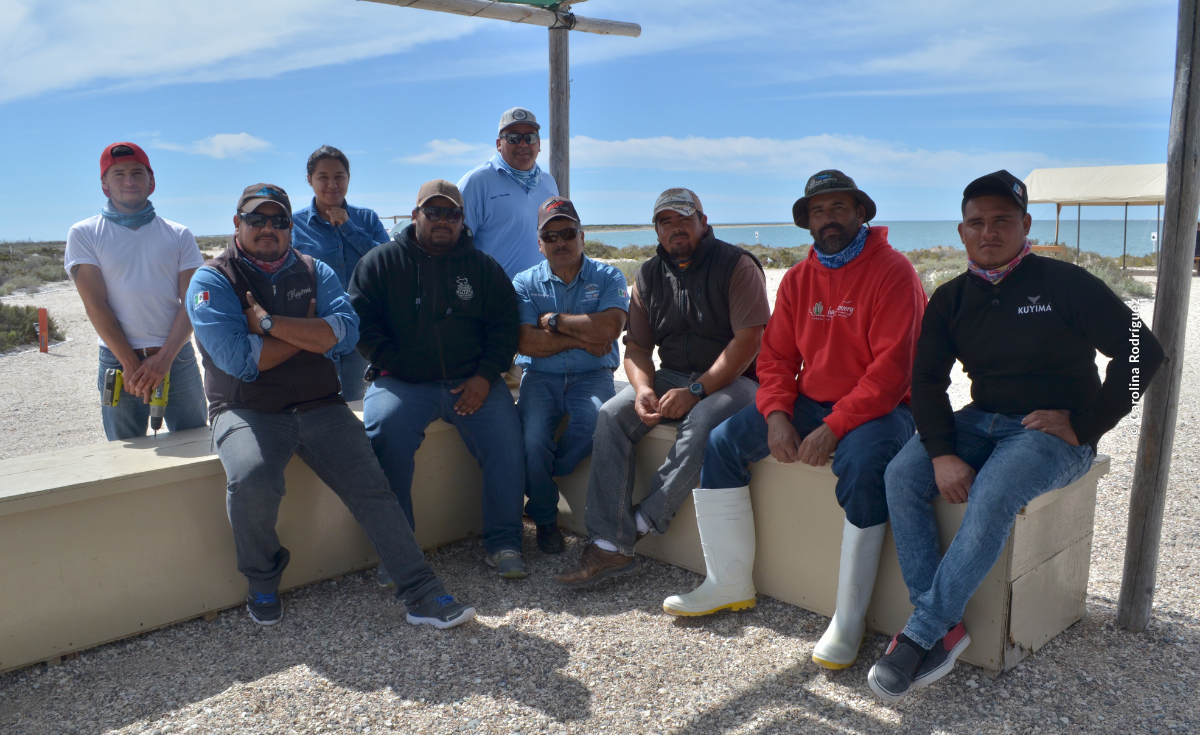
family’s livelihood. Each season, between November and April, the entire
community gets involved: from those who guide the boats to those who maintain
the camps.
However, the livelihood model extends beyond tourism. Over the years, the ejido
has diversified its sources of income linked to conservation, through government
subsidies for environmental compensation, payments for environmental services
and monitoring efforts, as well as the support of organizations that have promoted
mangrove restoration projects, strategic planning, and community strengthening.
This shows that the gray whale, while central to tourism, is only one of the many
conservation elements that sustain the life and economy of the land.
This model has also consolidated its autonomy. With external projects that promise
employment, the community has chosen to defend its territory and its landscape.
“They do not want to be anyone’s employees. They are used to owning their own
businesses,” she emphasized.
The anniversary of the Conservation Easement of the Ejido Luis Echeverría
Álvarez highlights the solid legal instrument that has successfully balanced
conservation with community well-being.
The challenge now is to ensure that new generations understand the value of this
model and adapt it to their own aspirations. Listening to young people will be key to
keeping this vision alive, noted our Operations Director.
At Pronatura Noroeste, we believe that the most effective conservation is that
which is built from the communities. The story of San Ignacio Lagoon confirms that
when nature is protected, opportunities, identity, and a future are also created.
Translated by: Nicole Fuentes and Ma. del Carmen Arce
Reviewed and edited by: Edgar Bolaños.