

We share experiences of inclusive exploration and community work that are transforming conservation in arid lands
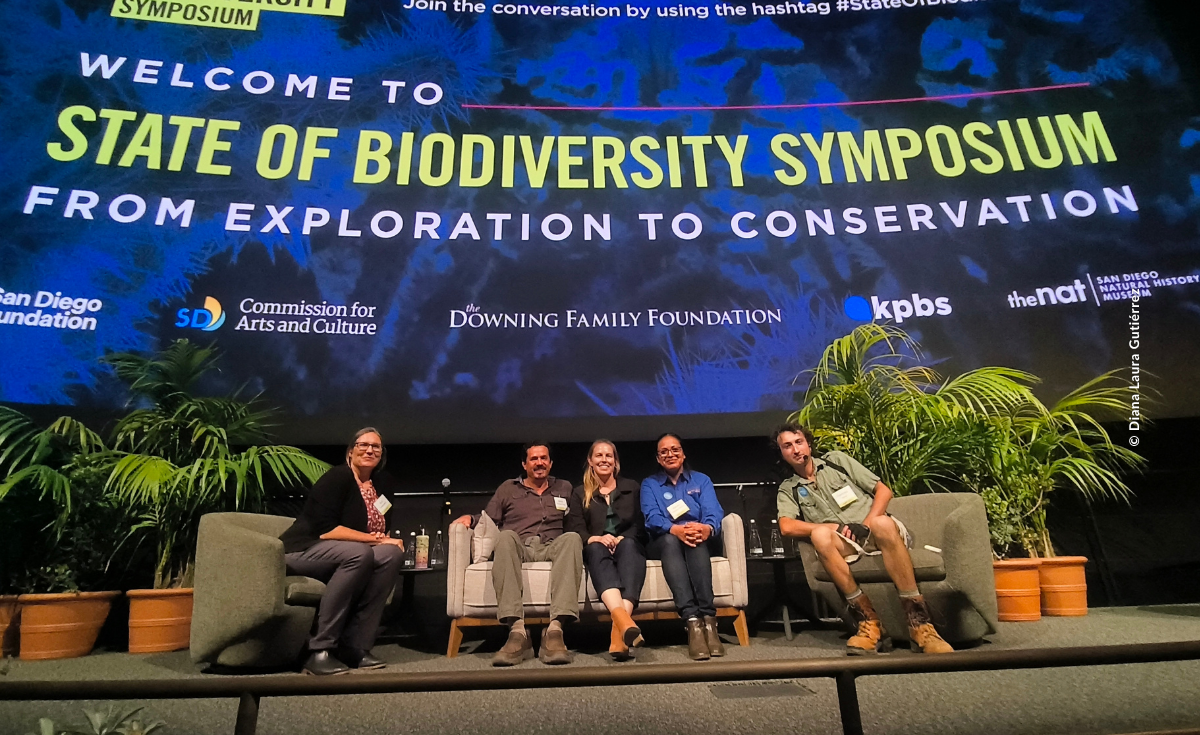
On April 9th, we participated in the State of Biodiversity Symposium 2026, an annual meeting convened by the San Diego Natural History Museum that brings together specialists, researchers and organizations committed to the conservation of biodiversity in the region.
Our presence, at the invitation of Michelle Thompson, director of the Department of Conservation Biology, was an opportunity to carry the voice of Baja California Sur to an international dialogue forum where progress, lessons learned, and challenges related to ecosystem protection are shared.
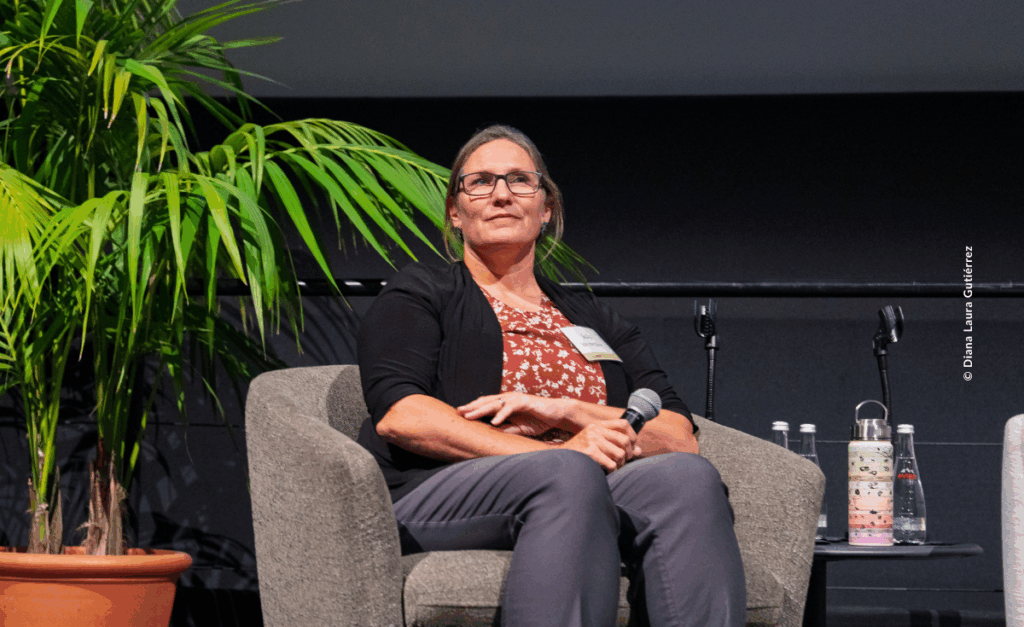
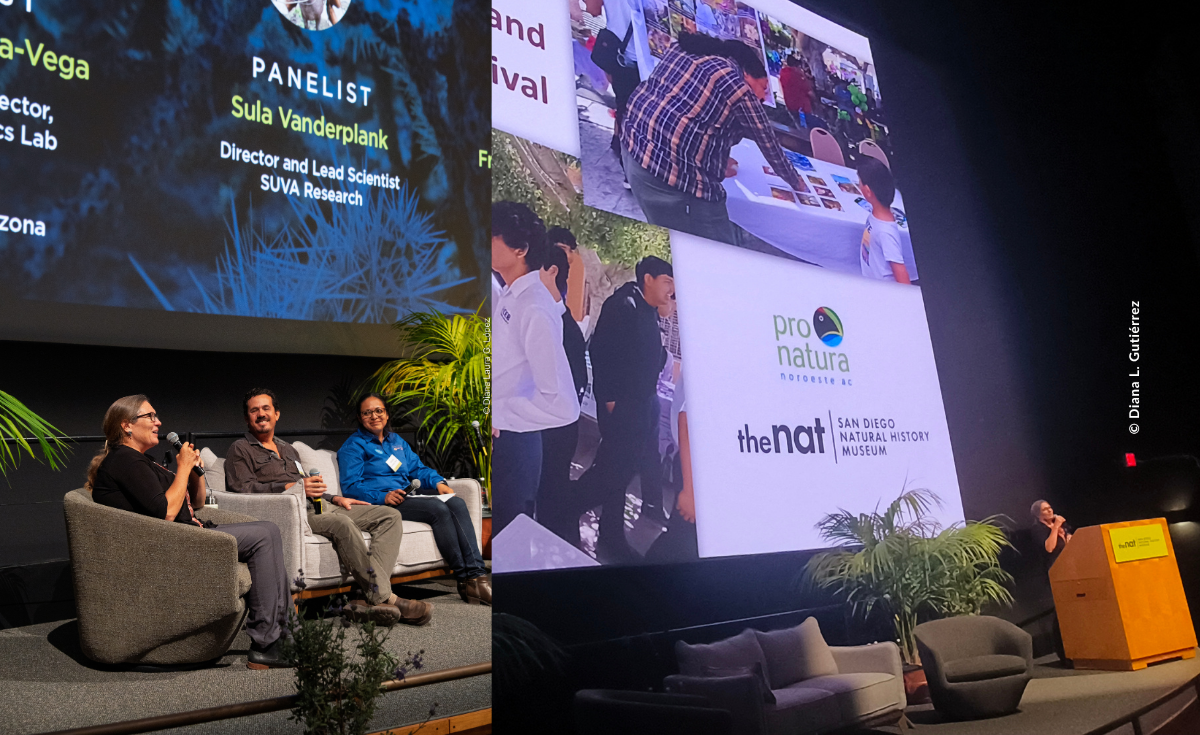
One of the highlights of our participation was the presentation by Sula Vanderplank, researcher and leader of the “The Planes Watershed Research Project”.
With more than 21 years of experience working in the field, Vanderplank shared that a more inclusive exploration equals to transforming the way science is done, as local communities are integrated and generate knowledge, returning them to through outreach processes.
In her speech, she highlighted women-led expeditions carried out in 2024 and 2025, which have opened new routes not only for scientific research, but also for the connection between science and art, extending the scope of knowledge and its social impact.
The symposium also provided a space to explore other perspectives on conservation. Francisco Bassó Medel shared his experience bringing wildlife closer to diverse audiences through bilingual and accessible activities, helping to dispel myths and strengthen environmental education.
Meanwhile, Adrián Munguía Vega presented advances in the study of kelp forests, ecosystems fundamental to ocean biodiversity. His work integrates innovative tools such as environmental DNA and deep-sea cameras, which allow for a better understanding of these habitats and their response to environmental changes.
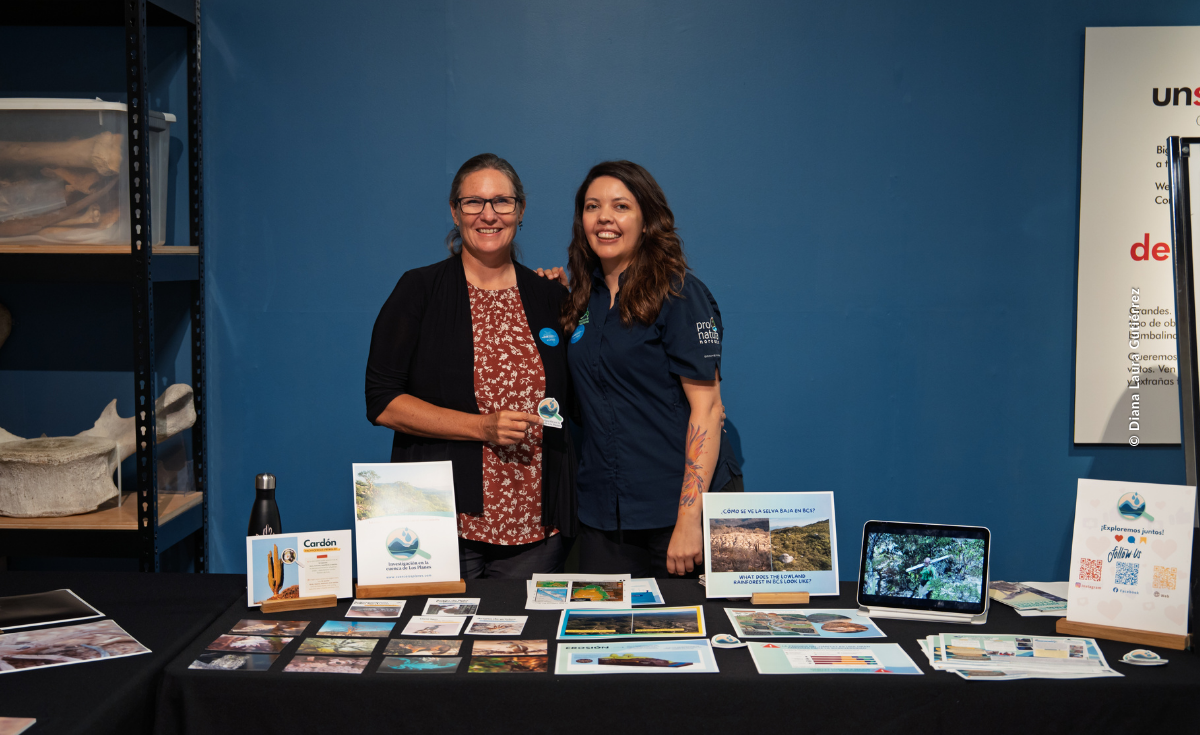
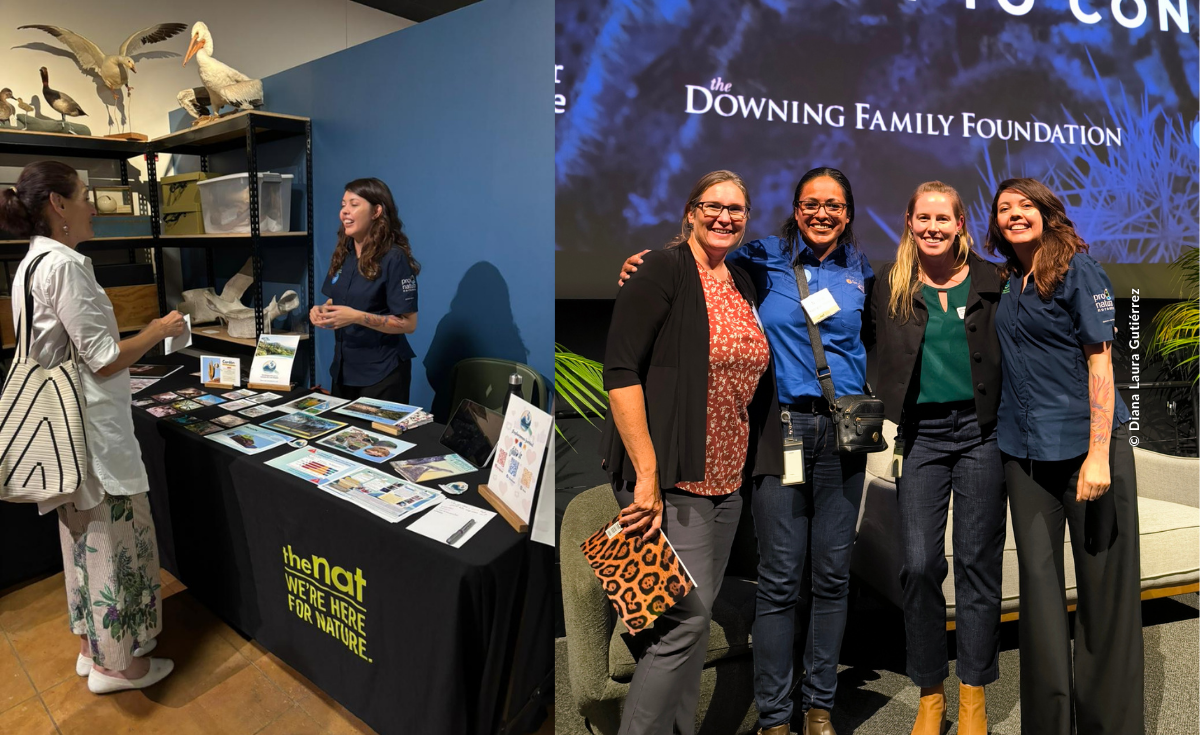
As part of our participation, we also set up an information table for The Planes Watershed Research Project, where we share the importance of promoting binational and multidisciplinary expeditions. These efforts help us understand the way biodiversity responds to actions such as soil restoration and water harvesting, hereby strengthening conservation strategies in arid lands.
Being part of this meeting reaffirms that, in addition to scientific research, biodiversity conservation needs collaboration, dialogue and strong links with communities.
At Pronatura Noroeste, we are committed to building bridges between science and society to protect the ecosystems that sustain life in our region.
Learn more about our work, share this story, and join the actions making possible the conservation of the biodiversity in Baja California Sur.
Translated by: Nicole Fuente
Reviewed and edited by: Carmen Arce