

We are celebrating with workshops, tours, gray whale watching, and a community festival at San Ignacio Lagoon, commemorating two decades of conservation efforts in this
stretch of Baja California Sur
At Pronatura Noroeste, we commemorated the 20th anniversary of the signing of contracts for the ecological easements of Ejido Luis Echeverría Álvarez with a series of community, educational, and field activities that brought allied organizations and residents of the region together.
This anniversary celebrates two decades since the signing of conservation contracts that, since 2005, have protected over 138 thousand acres around San Ignacio Lagoon.
“The goal was to celebrate that 20 years have passed after the signing of these contracts, which were mainly to protect the land around San Ignacio Lagoon,” Daniela López Acosta, COO of Pronatura Noroeste, explained.
Bringing Conservation Closer to New Generations
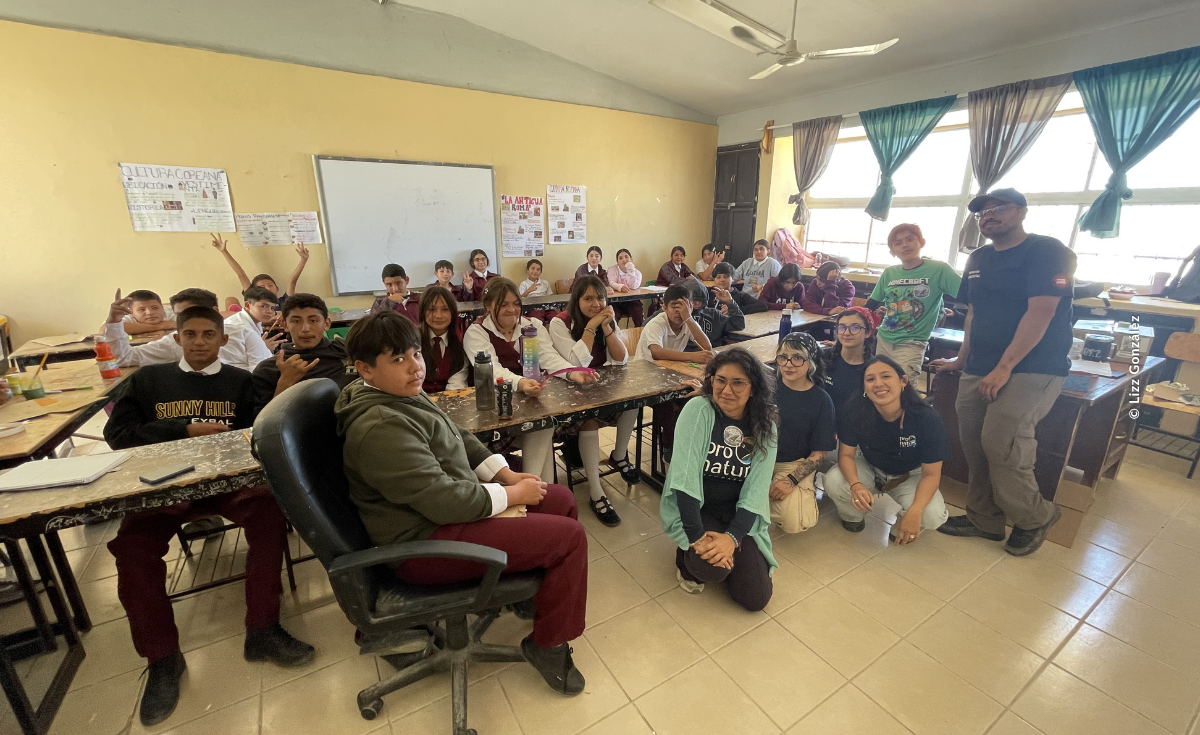
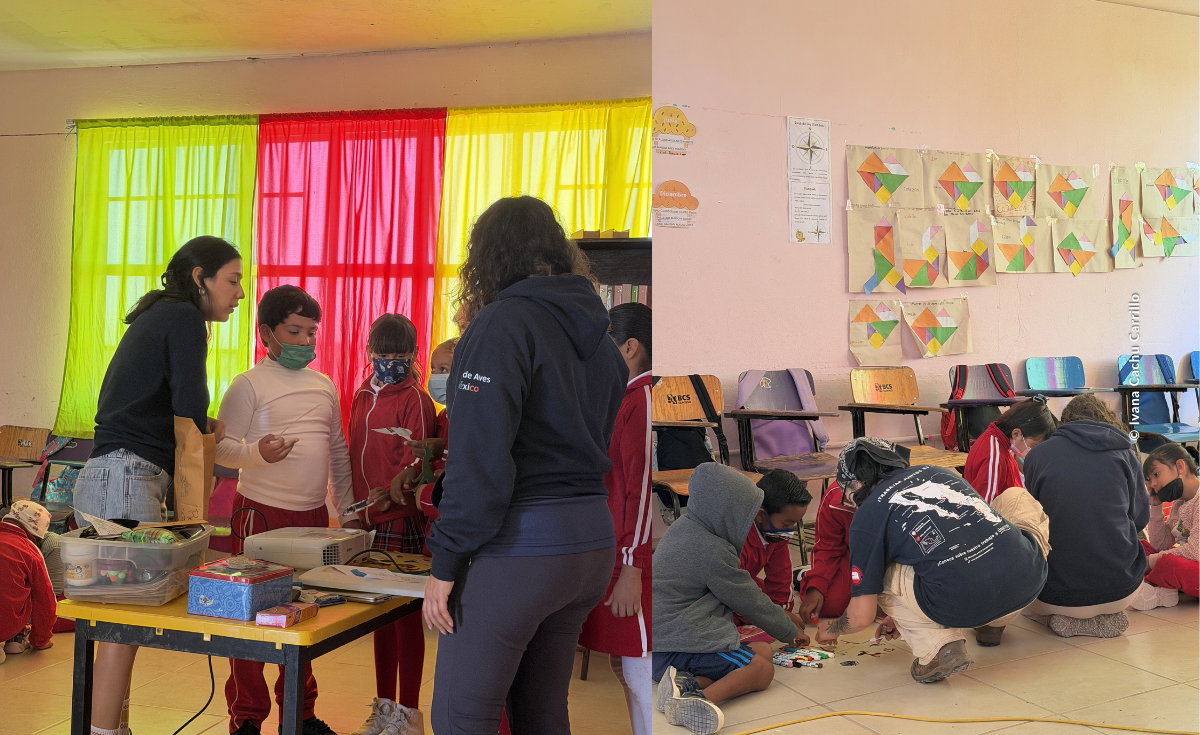
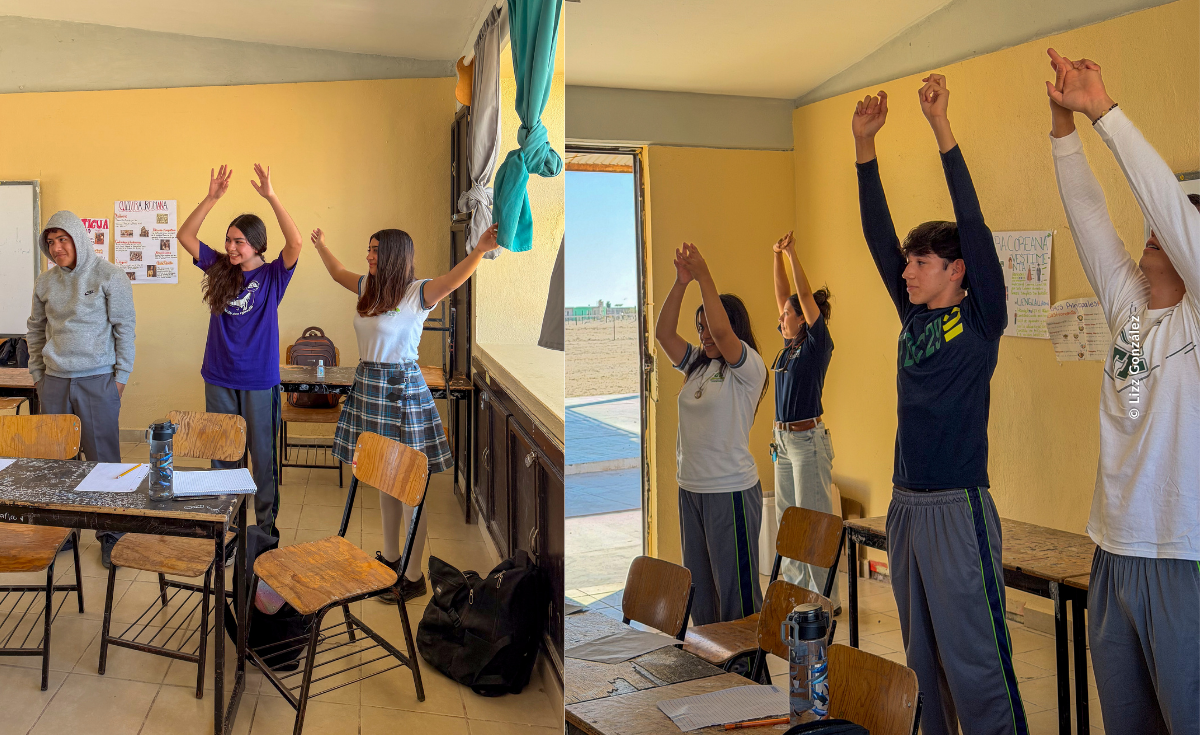
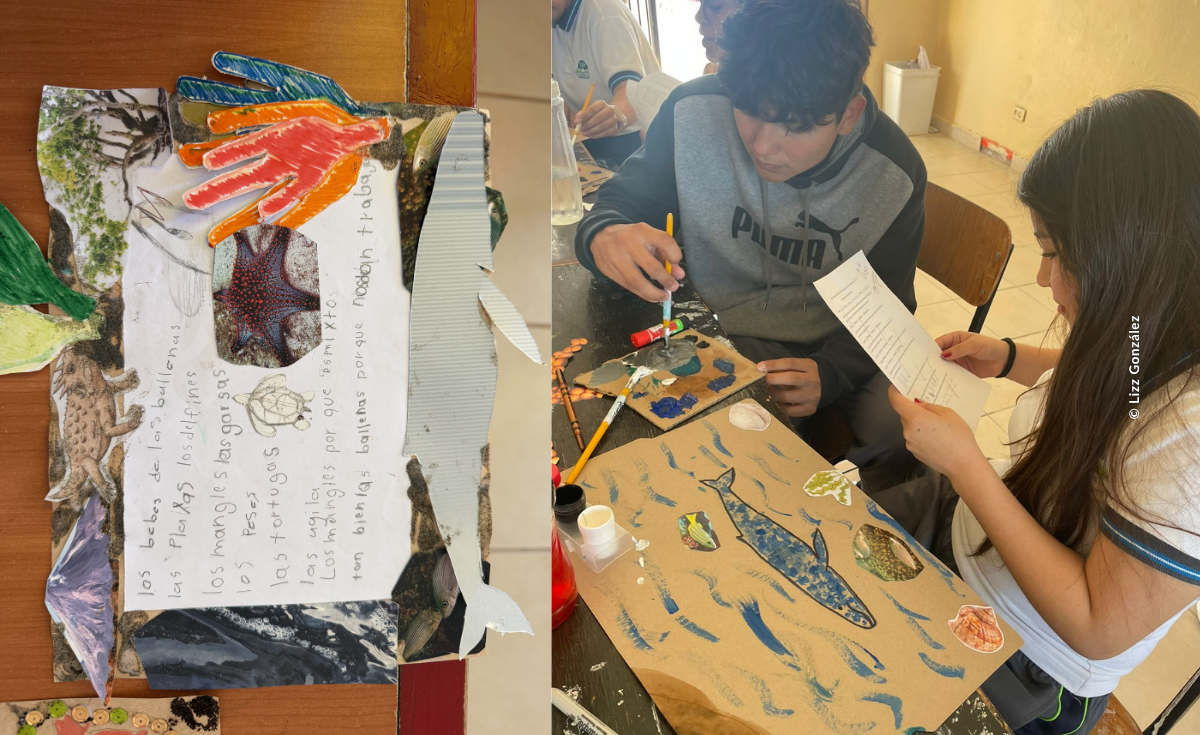
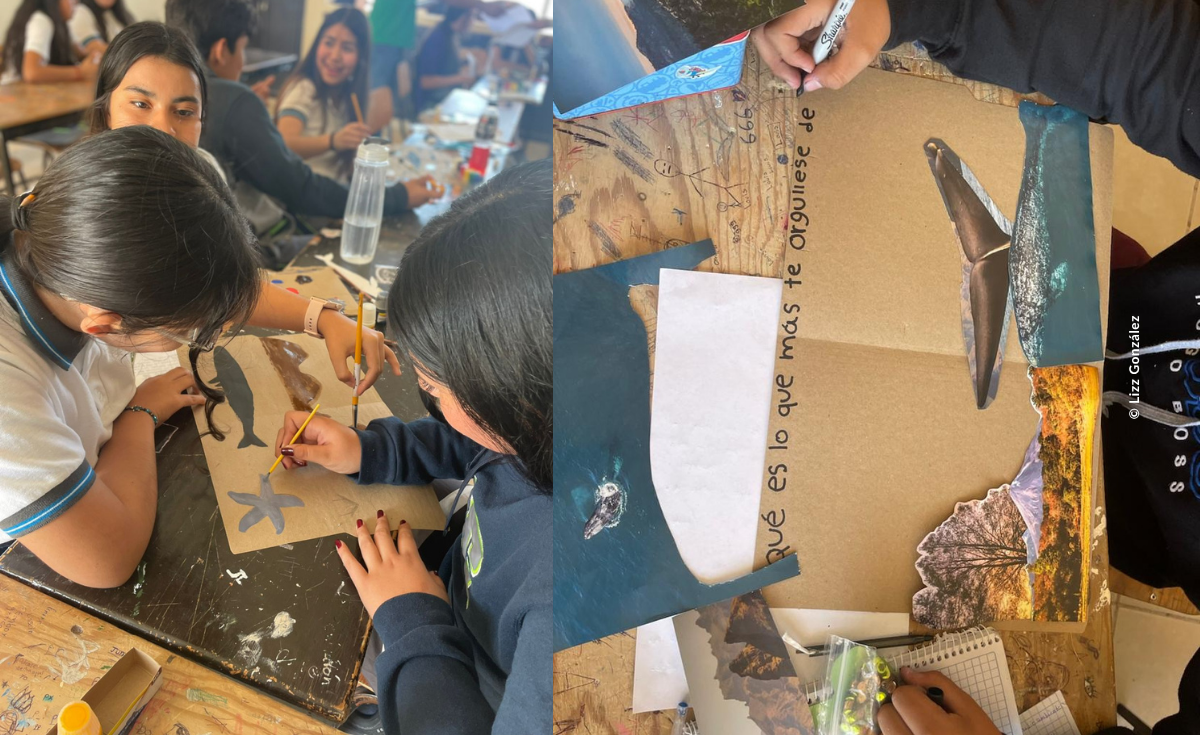
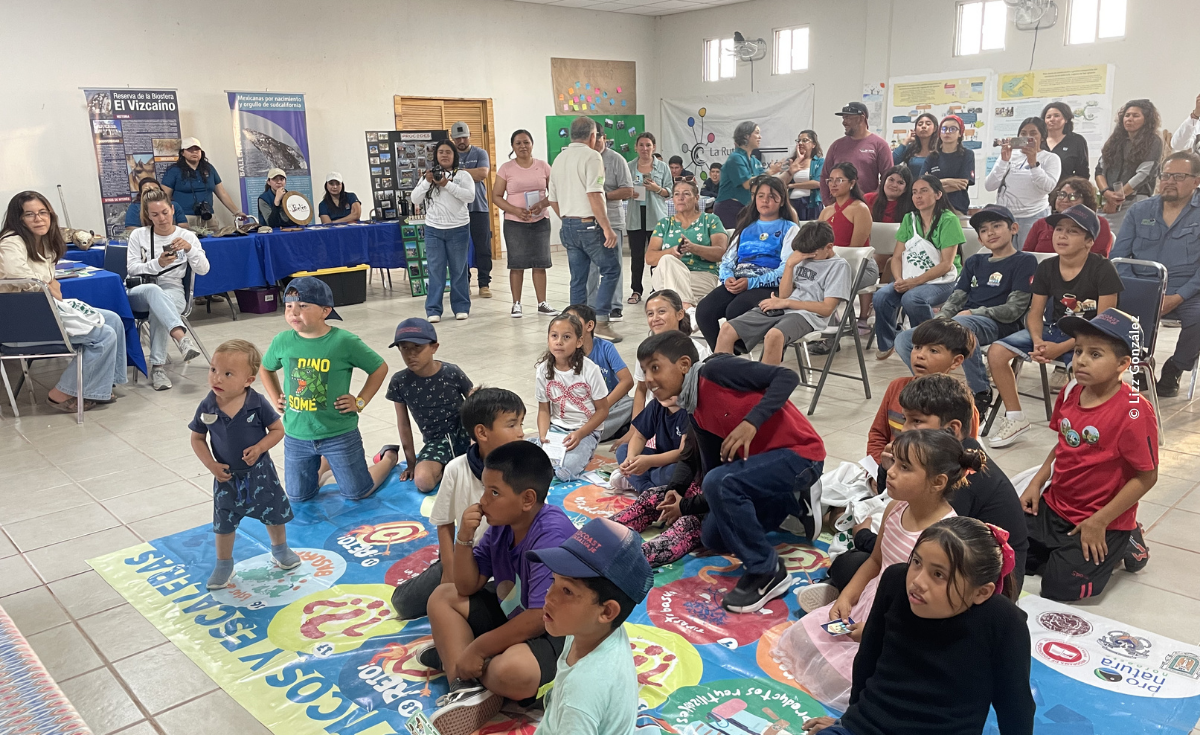
As part of the commemoration, we conducted workshops at both local and remote elementary, middle, and high schools on environmental services, monitoring, and legal conservation tools.
Besides, we shared a video to the community on the work done throughout these last two decades. It mentioned how the project started and what it works towards.
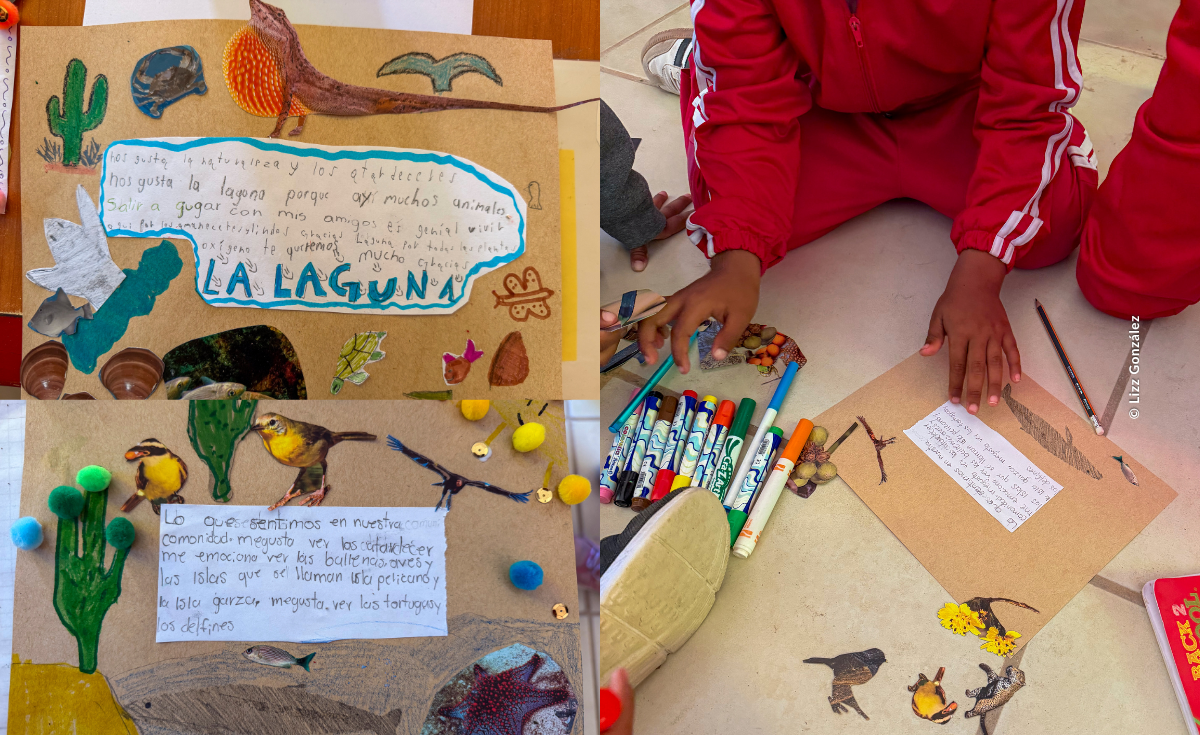
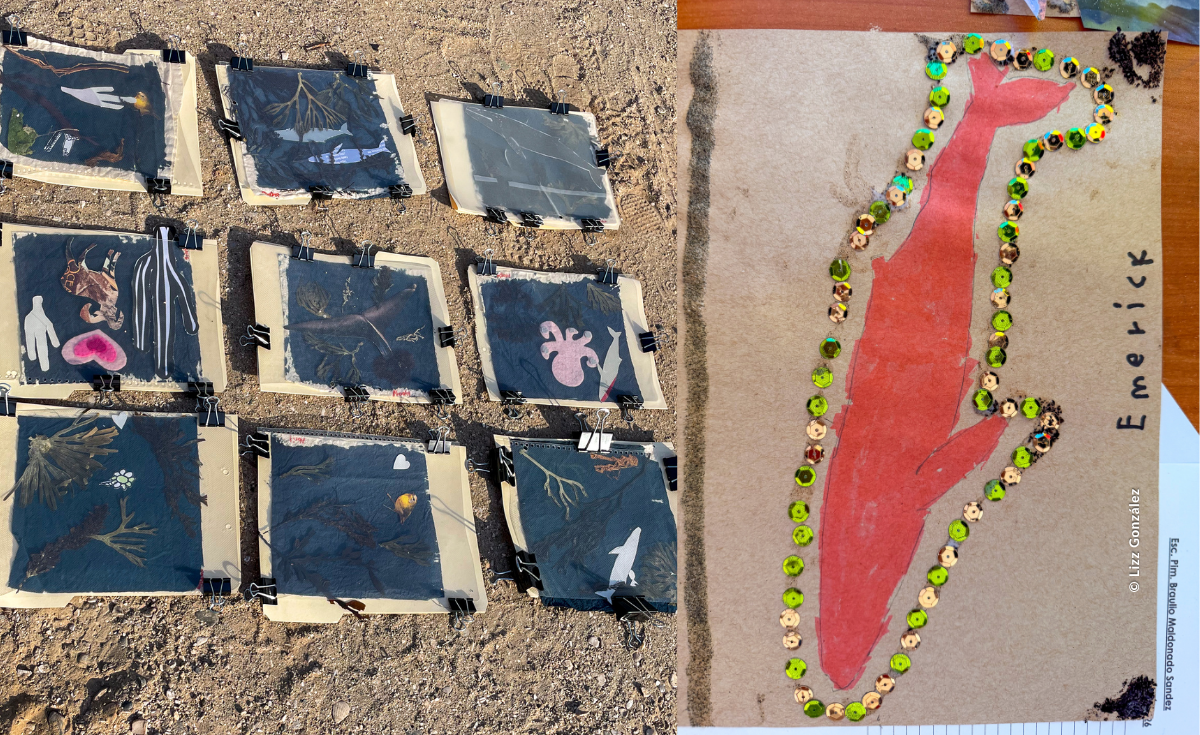
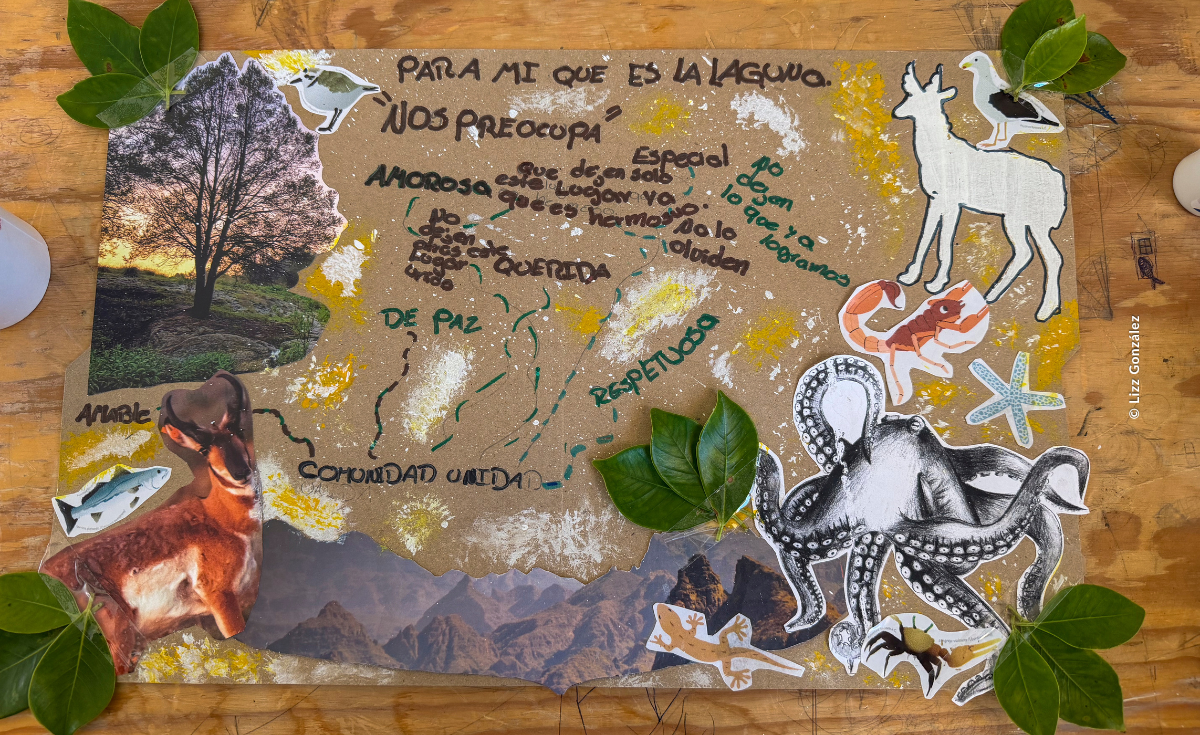
Along with the students, we made a collage and a poem where they expressed what they liked about their community, which species populate their region, what they would like to say to others about their community, and what worries them.
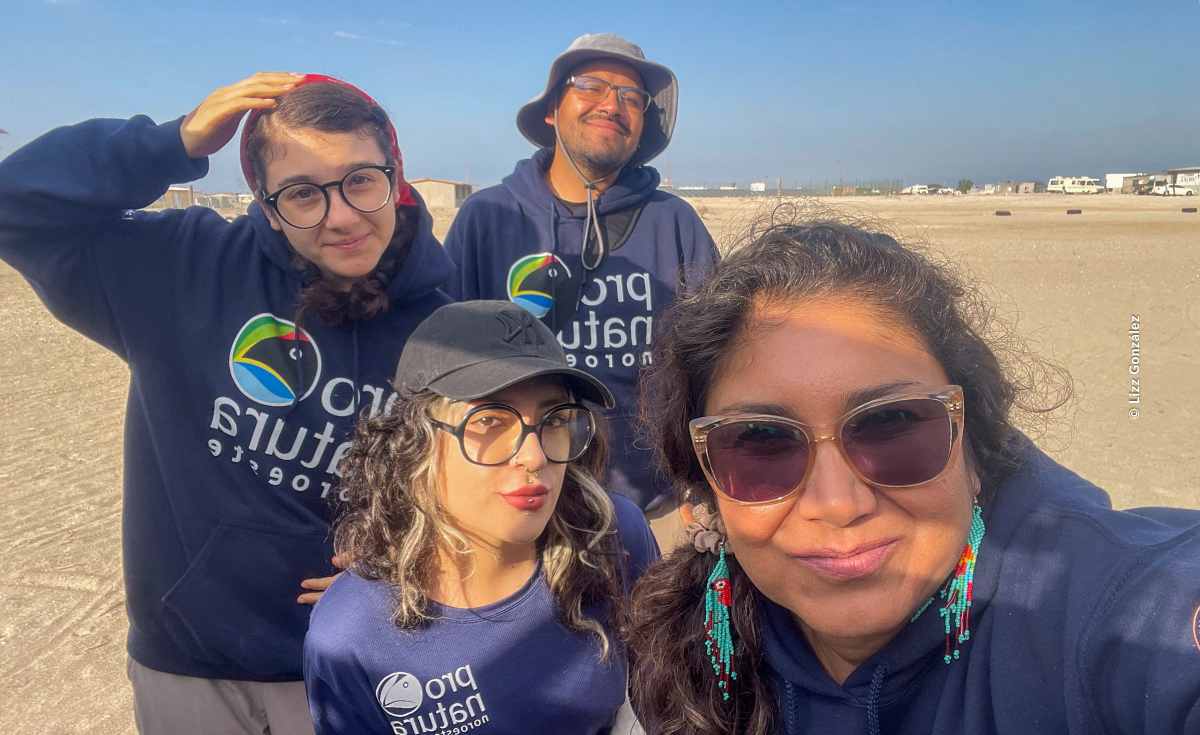
For these activities, we had the work of Lizz Gonzalez Moreno, our Conservation Education Coordinator, with the support of youth volunteers Samantha Soleno Montes, Vani Álvarez Argumedo, Ivanna Cachu Carrillo, and Silvio Ramos González.
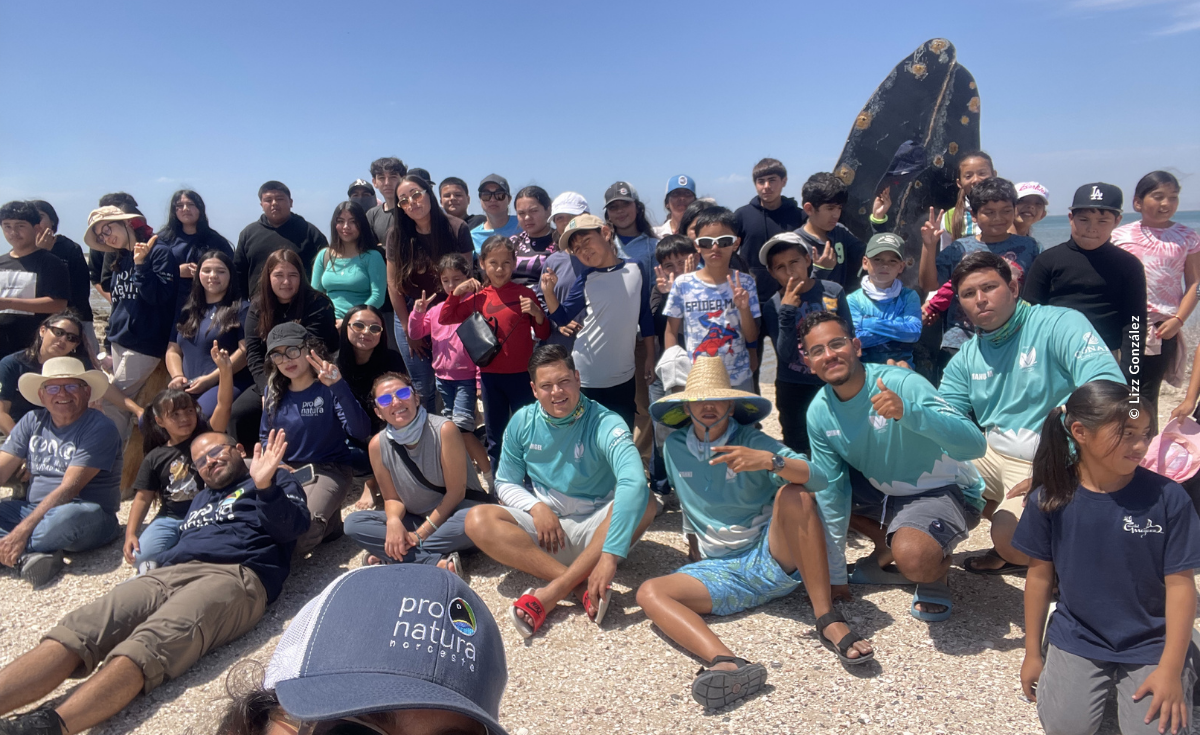
López Acosta mentioned, “In some activities, students were taken on a field trip where they could see vegetation, and we could explain to them, for example, how birds are monitored. There was also a gray whale watching activity, which is San Ignacio’s main tourist attraction, which happens every year from November to April.”
It is important to note that one of the goals of these ecological easements is to protect the land so that the sea, home to the gray whale, mangroves, and the brant goose, may be preserved.
Festival and Assembly to Share, Recognize and Build the Future
The Director of Operations for Pronatura Noroeste explained that the celebration included a community festival in which organizations such as Costa Salvaje, Umbela, Kilómetro 1, NAWAL, CAOS participated, as well as institutions such as Conafor and representatives of the El Vizcaíno Biosphere Reserve, along with women and artisans from the community.
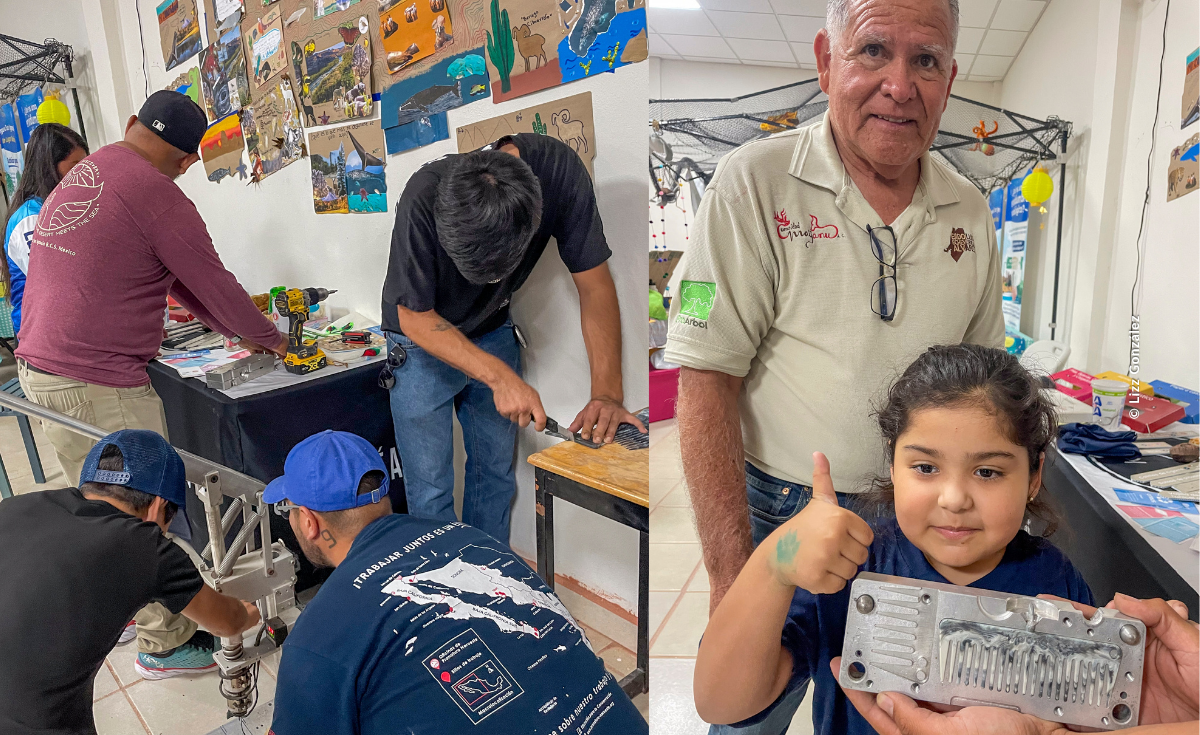
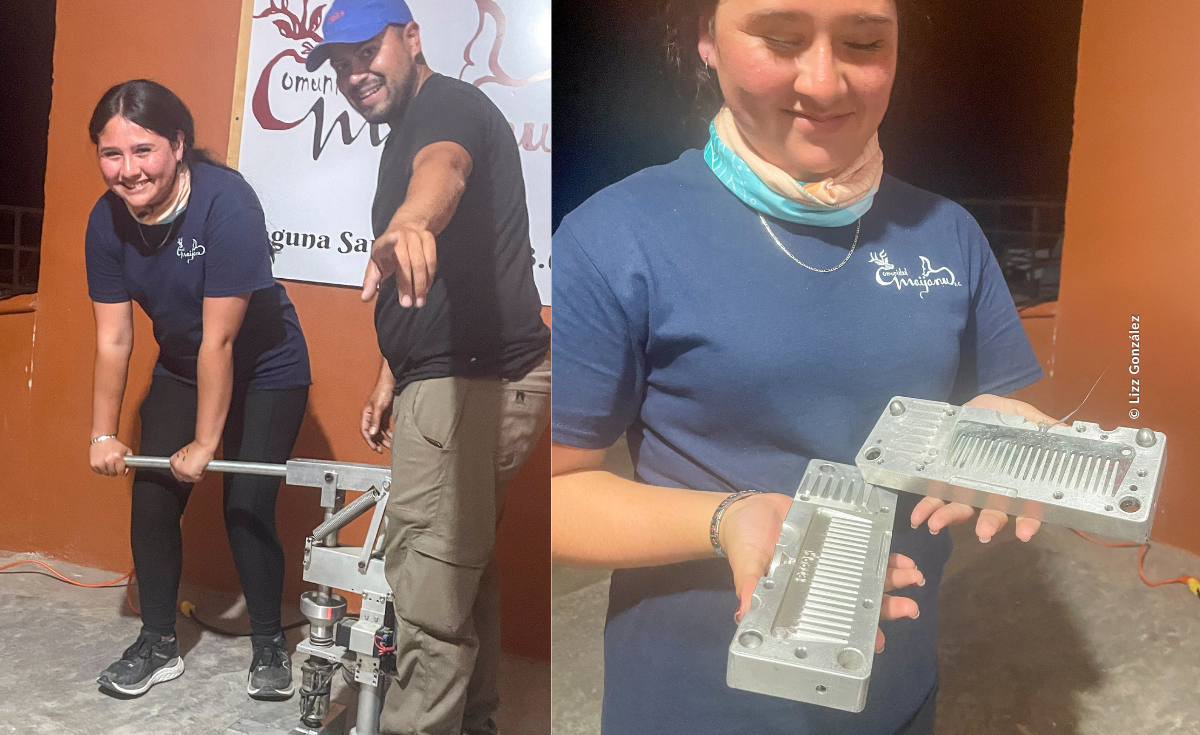
At Pronatura Noroeste, we shared our work in land conservation, environmental services, and sustainable fishery. We also presented the “For a Sea Free of Plastics” campaign, where attendees transformed waste materials into useful objects through recycling processes.
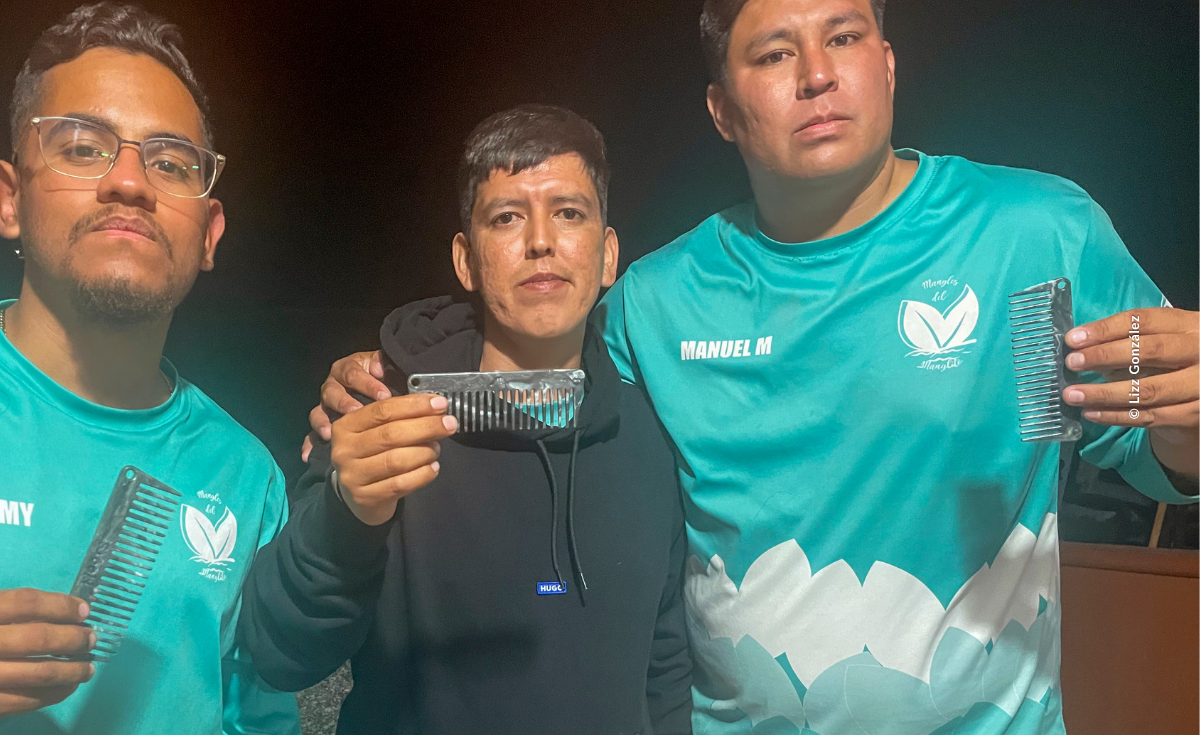
“We brought a press machine in which shredded plastic is placed and melted. It has molds that allow us to transform the shredded plastic into combs. Each participant was able to make their own comb from recycled shredded plastic,” she stated.
In this activity, we collaborated with NAWAL and Kilómetro 1, which opens important opportunities to advance toward a circular economy within the community.
Through this effort, we seek to boost income generation for local artisans while also contributing to waste reduction.
We also recognize and appreciate their support in providing us with the press machine and the training necessary to carry out this process.
The “Guardians of Nature” performance was also presented by the group CAOS, a puppet show featuring Muppet-style characters; Ensatina, a salamander native to the San Pedro Mountain Range, and Terribilis, a dart frog from the Amazon, to highlight in a fun way the ecological importance of the area and address the problem of waste, promoting its management and proper disposal.
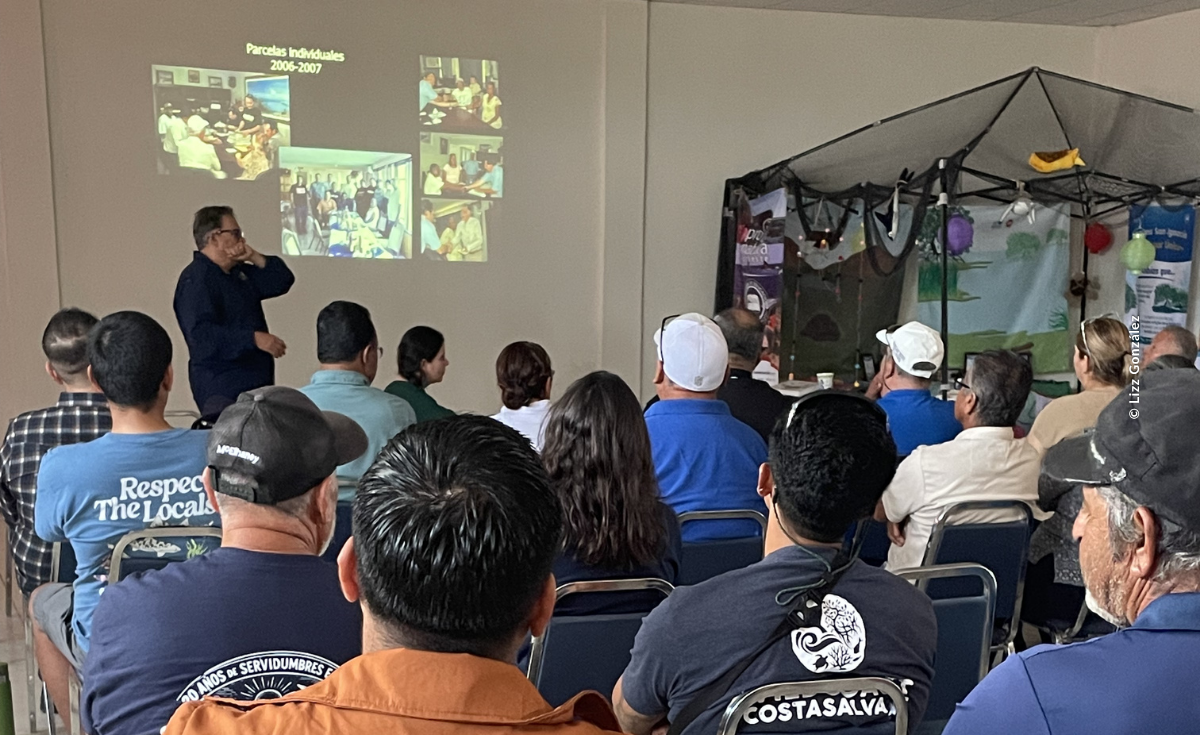
As a closing activity, we held an open ejido (Community Land) assembly in which we presented the history of the conservation easements, their evolution, and the results achieved over the past 20 years.
“The people who signed the contracts were reminded why they signed them, when they signed them, and what agreements had been established,” she stated. “Those who had not signed the agreements but were attending the assembly were informed about what the conservation easements involved and everything that has been accomplished at the site.”
Two decades after its creation, this model stands as a living example that conservation can be built from within the community, providing environmental, social, and economic benefits for its inhabitants.
Our goal is to strengthen this path with the younger generations to ensure that this long term vision continues to guide the development of San Ignacio Lagoon.
Translated by: Alejandra Picos y Edgar Bolaños.
Reviewed and edited by: Nicole Fuentes.