We´re closer to an environmental solution for the pollution of the Cedritos Drain
SHARE


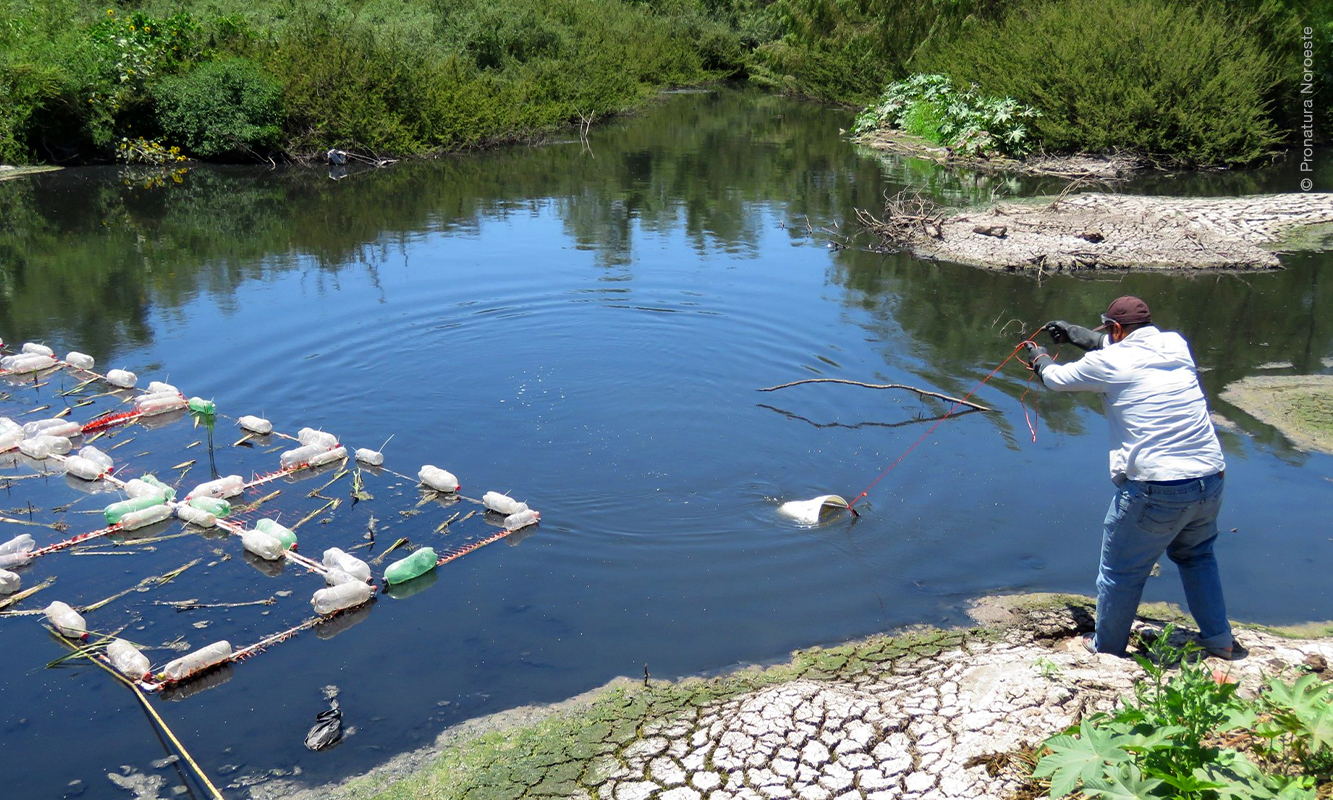
The Cedritos Drain is a 46-kilometers-long water channel located in the municipality of Navolato, Sinaloa. It transports sewage from things like agriculture, livestock and fishing, the industrial sector, sanitary waste from homes in Culiacan and Navolato, and the wastewater treatment plants of Culiacancito, El Tamarindo, and Culiacan-Norte. However, it presents with serious silting and contamination problems due to a lack of appropriate maintenance during the last 30 years.
Our presence and management at Pronatura Noroeste consists ofintense work with the local community, government, and educational and civil organizations in the area. With them we take actions to reverse the current condition of the drain, since it causes direct and indirect environmental impacts for the more than 15,000 inhabitants of 11 towns in the municipalities of Culiacán and Navolato, Sinaloa. In addition, it causes damage to the populations of several bird species and to the ecosystem as a whole.
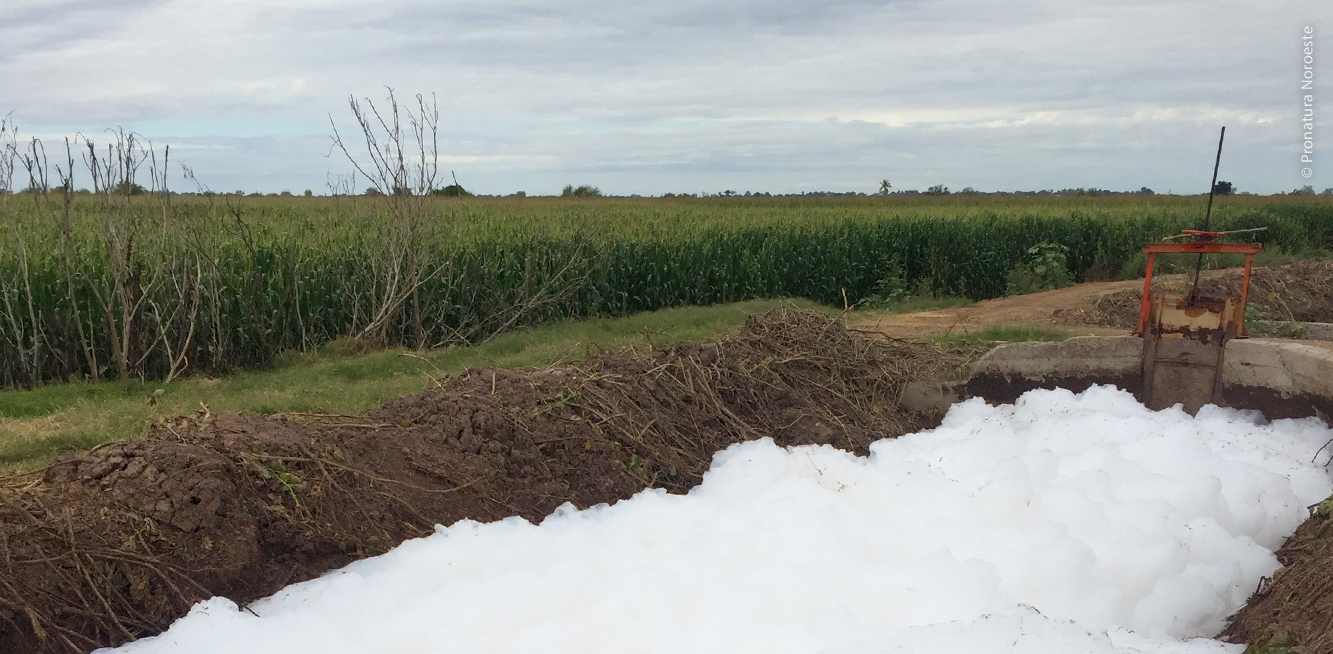
This situation worsens in the rainy season due to the accumulation of tree trunks, vegetation, and garbage that obstruct the flow of water, causing overflows and floods that impact the 4,000 inhabitants of the five neighboring communities. The greatest damage is in residential properties and agricultural land, and in the loss in quality of aquaculture, agricultural, and livestock products. At the same time, there are risks to the wellbeing and health of the inhabitants because they are exposed to pathogens and other contaminants.
To address this issue, in recent years a specialized working group was formed to attend to the environmental problem of the Cedritos Drain. This collaborative multidisciplinary body is made up of the three levels of government, educational institutions, and civil society organizations, like Pronatura Noroeste. From the basis of this group we work with local communities to promote long-term, sustainable circular economy projects. With these projects, the group seeks to improve the quality of ecosystem services, raise human welfare indicators, and promote community development in areas like Bahía Santa María, one of the ecosystems affected by the contamination of the Cedritos Drain.
This working group employs multiple conservation strategies, such as dredging areas that have siltation, managing vegetation, training community promoters in the treatment of contaminated water, and promoting good water management practices, among others.
Applied science for the benefit of the community
In addition to the above, we have created projects for communities to intervene in the face of environmental problems and find ecological solutions to their way of life. For this work, we have the support of the personnel of the environmental laboratory of the Mazatlán and Guaymas Regional Unit in Aquaculture and Environmental Management (CIAD) of the Autonomous University of Sinaloa, the Sinaloa Polytechnic, and the H. Navolato City Council, as well as the technical staff of Pronatura Noroeste. One example of these projects is the community sowing floating wetlands or “chinampas” to create a residual biomass that provides them fiber from tule, which is used to make energy blocks called briquettes. The briquettes are used to generate fire and energy for cooking, thus avoiding the use of firewood.
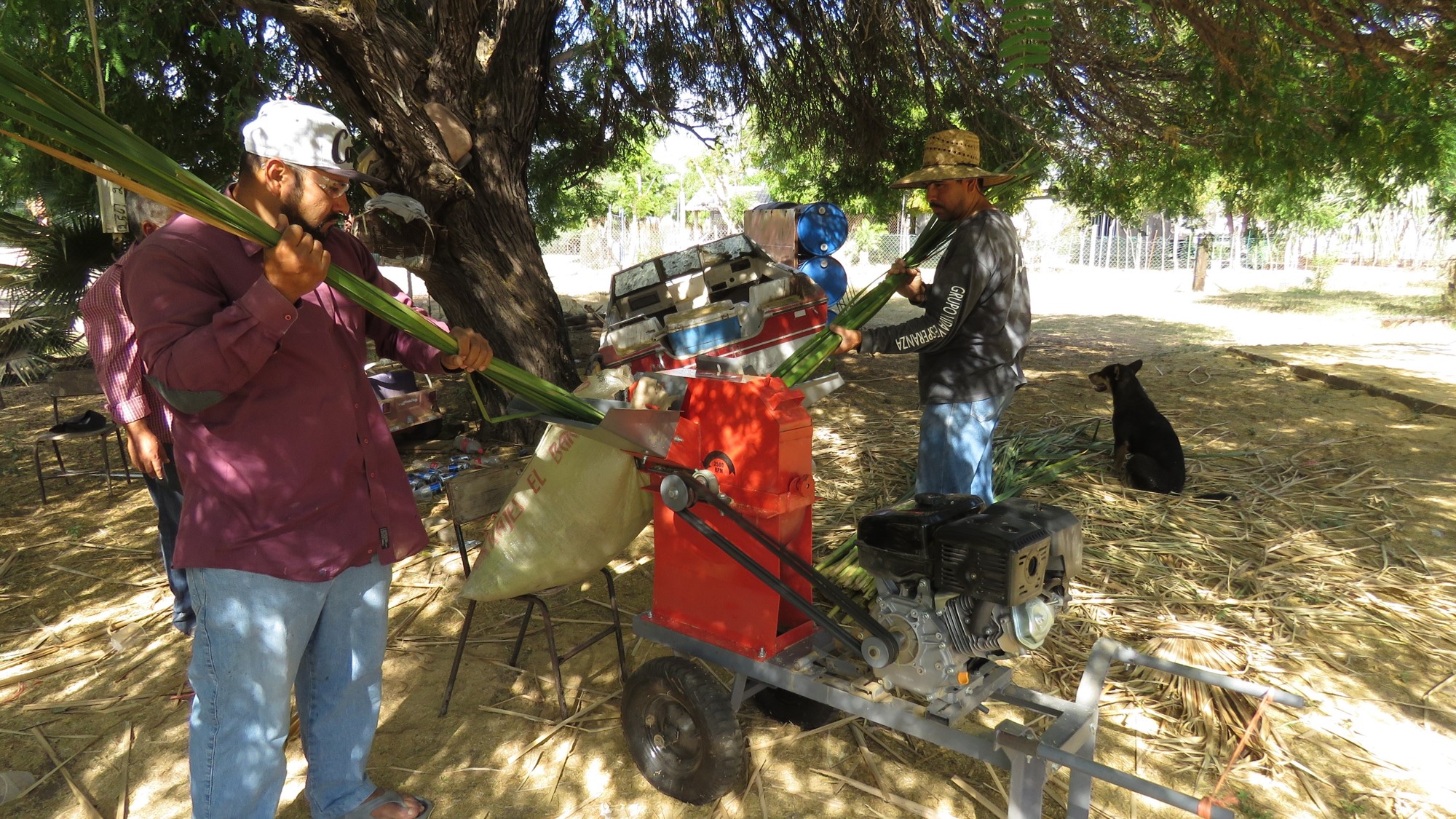
The benefit, as explained by Julián Ríos, our community promoter in Macario Gaxiola, municipality of Navolato, Sinaloa, is:
“The heat provided by briquettes is better and easier to control than that provided by firewood. In addition, most of the people who use stoves are older adults and many live alone, or have mobility problems to get firewood. Generally they don't cut down wood, but gather dead wood, which is difficult to turn into firewood. Sometimes they have to pay someone to bring a pile of firewood that lasts three days; so with briquettes they don't have to get firewood to heat their food.”
This strategy is very useful for the inhabitants, since three briquettes, equivalent to one kilo, generate more than two hours of heat, which allows for the cooking of foods such as tamales or beans without the need for firewood, and does not generate smoke. The briquettes are made with cardboard, so the community created a collection center for the product for this second use. The participation of young girls and boys and youth, who make briquette units to be sold to tourists during the upcoming Holy Week, is notable. They work in a rudimentary way with tools that they themselves have created, although they aspire to obtain resources to promote this circular economy project with the right equipment.
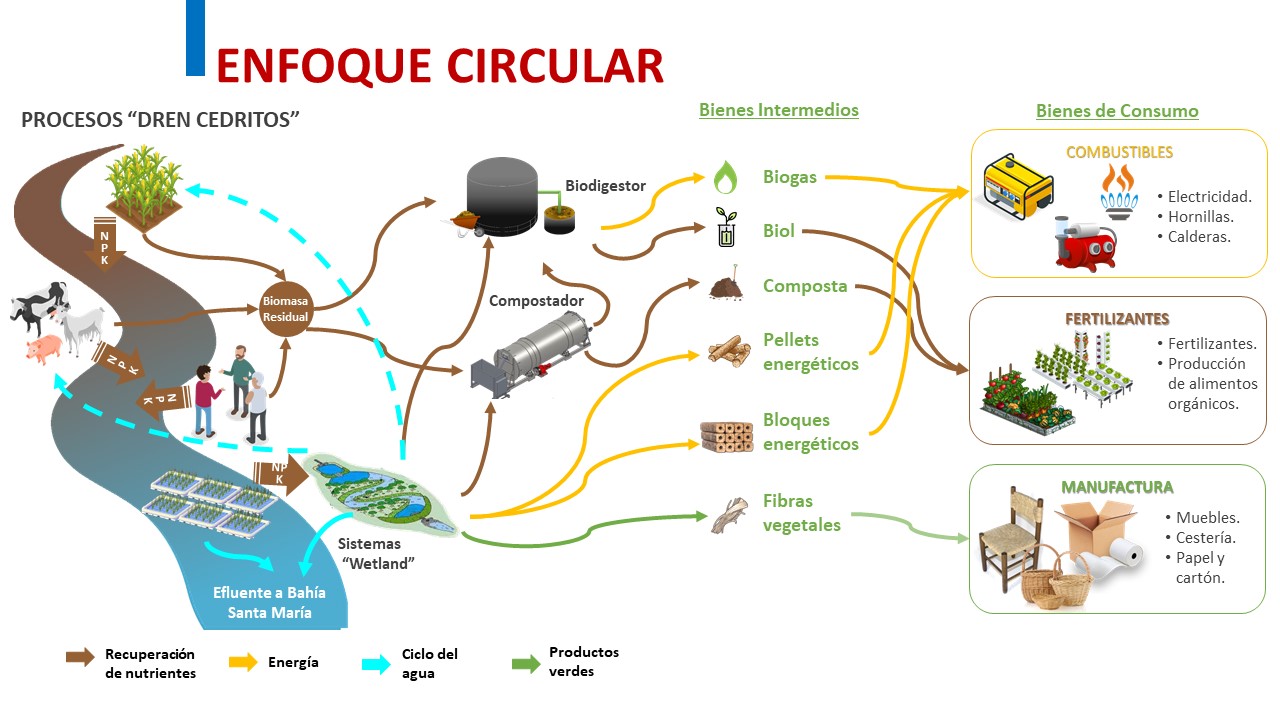
Another problem related to the contamination of the Cedritos Drain is the fact that the canal receives cattle manure waste. For this reason, the community runs a project to generate residual biomass from cow manure, with the creation of biodigesters that produce Biol, an organic fertilizer, and the generation of gas to be used in a community kitchen. This project seeks to modify the practices of the inhabitants and reverse part of the damage caused by the contamination of the drain, thus moving towards an environmental solution with the help of applied science.
Conforman este grupo la Comisión Estatal de Agua Potable y Alcantarillado de Sinaloa (CEAPAS), la Comisión Nacional del Agua (CONAGUA), la Comisión de Áreas Naturales Protegidas (CONANP), la Secretaría de Desarrollo Sustentable del Estado de Sinaloa (SEDESU-SIC), el H. Ayuntamiento de Navolato, el Centro de Investigación en Alimentación y Desarrollo (CIAD) Unidad Mazatlán, el Instituto Sinaloense de Acuacultura y Pesca (ISAPESCA), la Asociación de Usuarios Productores Agrícola (AUPA), el Módulo de Riego “Bachimeto 1-2” y Pronatura Noroeste.
-
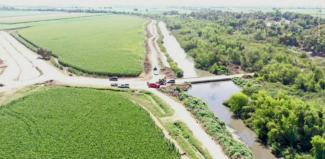 Vista aérea de sección del Dren Cedritos
 -
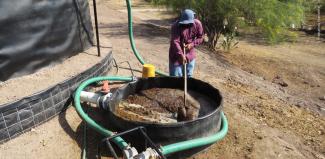 Persona trabajando en biodigestor
 -
 Tilidio (Charadrius vociferus)
 -
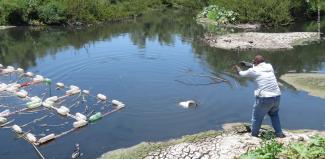 Muestreo de agua para medir su calidad
 -
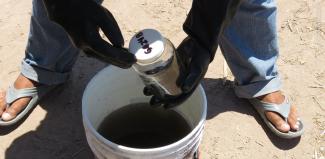 Muestra de agua tomada del Dren Cedritos
 -
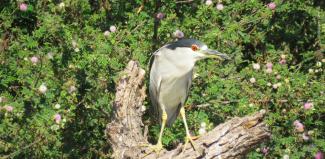 Garza en rama
 -
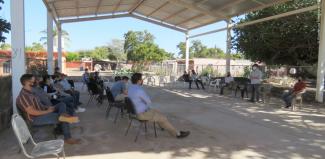 Reunión informativa con la comunidad
 -
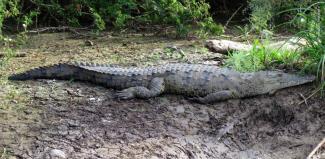 Cocodrilo descansando
 -
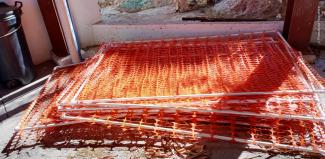 Armado de mallas para chinampas de tule
 -
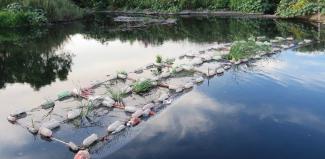 Chinampas de tule con flotadores en el agua
 -
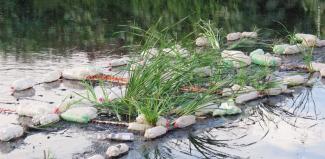 El tule al crecer, absorbe y filtra el agua
 -
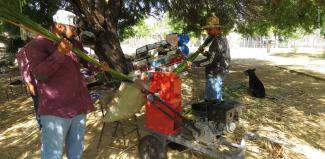 Personas procesando el Tule en maquinaria
 -
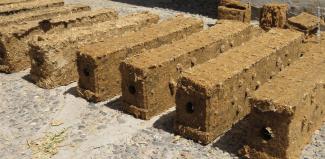 Briquetas para fogata