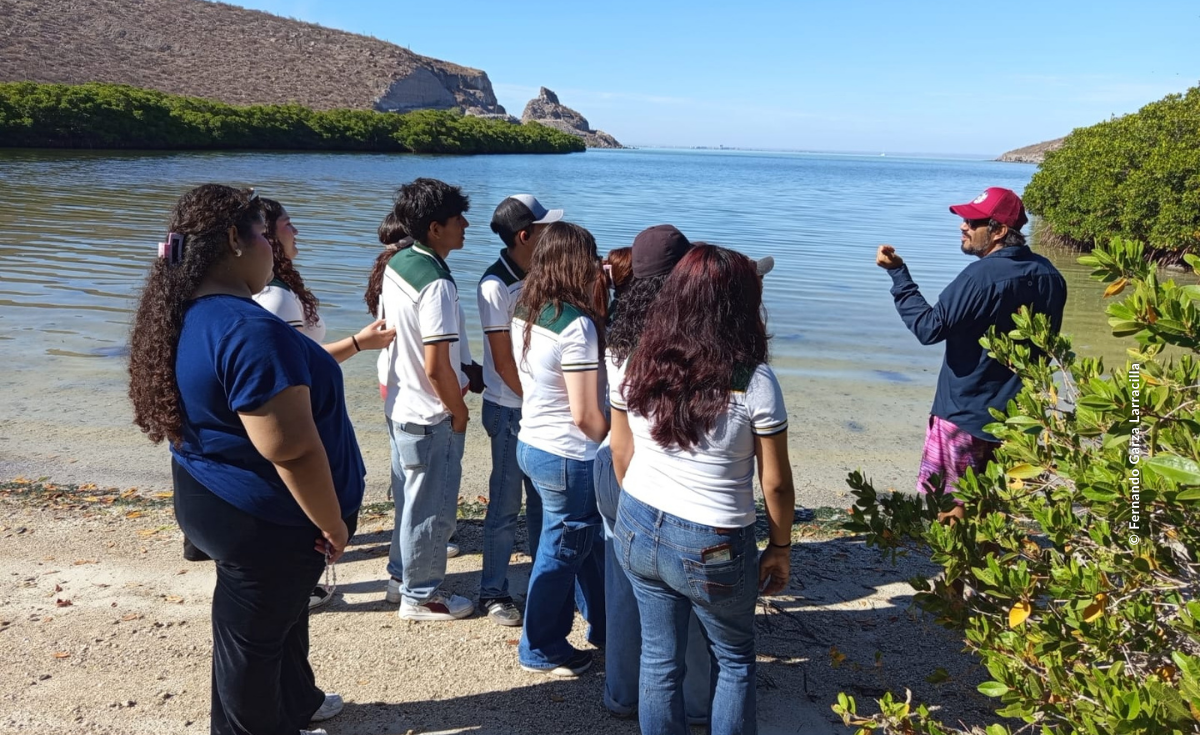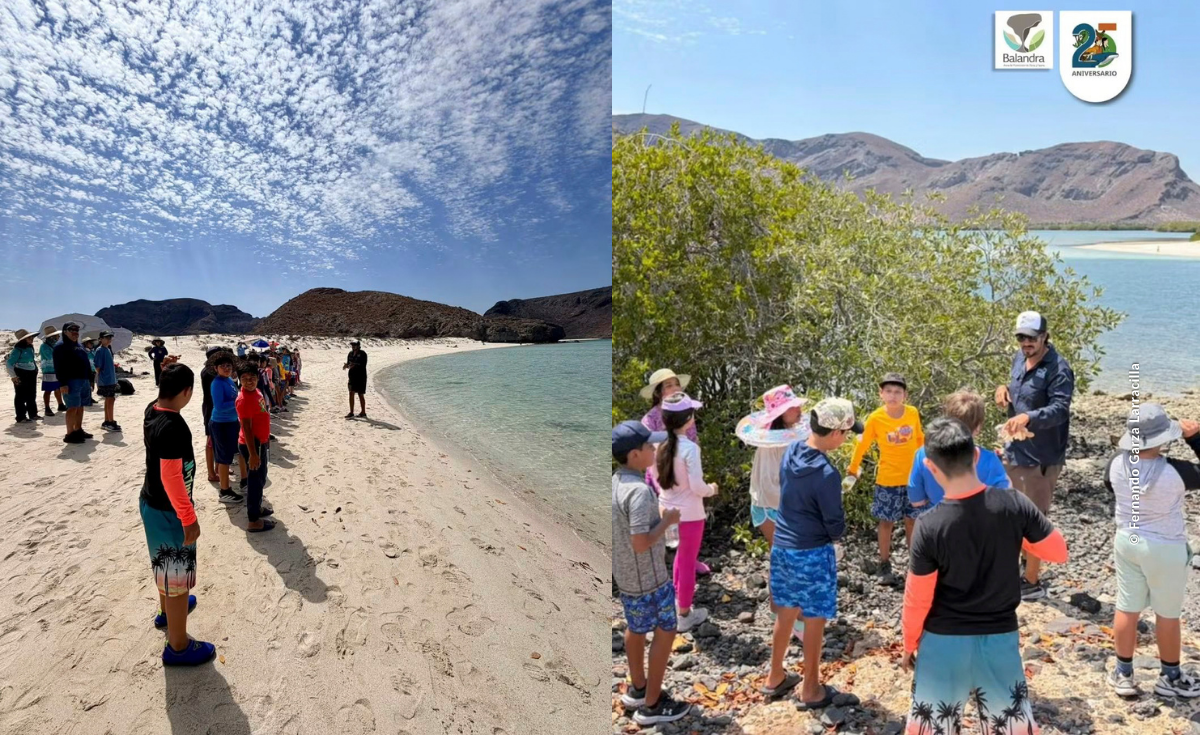


Our incorporation to the program promoted by Conanp and La Paz City Council will allow us to expand the field trips to protected natural areas and bring more students closer to the ecosystems of Baja California Sur.
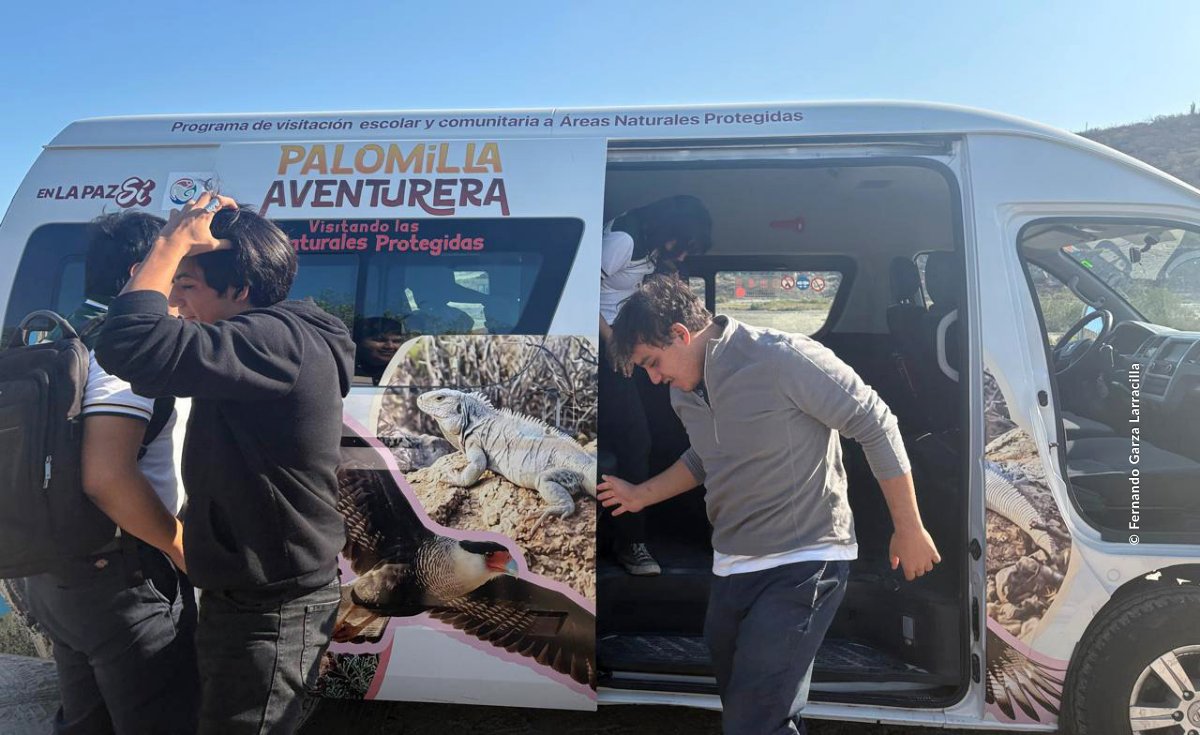
At Pronatura Noroeste we strengthen our commitment to environmental education for children and young people by joining the Palomilla Aventurera program, an initiative promoted by the Comisión Nacional de Áreas Naturales Protegidas (Conanp) and La Paz City Council that aims to connect students from the capital of Baja California Sur with the region’s protected natural areas.
Our participation in this inter-institutional effort shows an opportunity to expand the reach of our Environmental Education Program and strengthen new partnerships with organizations, schools and authorities working toward conservation and community strengthening.
“An important part of this is that, since we participated from the very first meeting, we are part of this component of the program, which will allow us to start bringing it to schools and strengthening our existing environmental education programs,” explained Fernando Garza Larracilla, an environmental education field technician at Pronatura Noroeste.
A Collective Effort to Connect Youth with Nature
On May 8, we participated in a meeting convened by Conanp’s General Directorate and the Directorate of the Balandra Protected Natural Area, where the Palomilla Aventurera program and the activities to be carried out as part of this collaboration were officially presented.
Organizations and institutions such as Efecto Arena, Ciencias BCS, Niparajá, Cómo Vamos La Paz, EPI, Wild Coast and Guardianas del Conchalito also participated in the meeting.
A few days later, on May 19, we collaborated in a maintenance and cleanup day in Balandra as a preliminary activity ahead of the program’s official launch, which took place on May 20.
Several government agencies participated in this event to formalize the agreement between the Mayor of La Paz, Milena Paola Quiroga Romero; Fermín Reygadas Robles, Director of Governance and Public Policy Coordination; and Dr. Rosalia Ávalos Téllez, Director of the Balandra Flora and Fauna Protection Area (APFF).
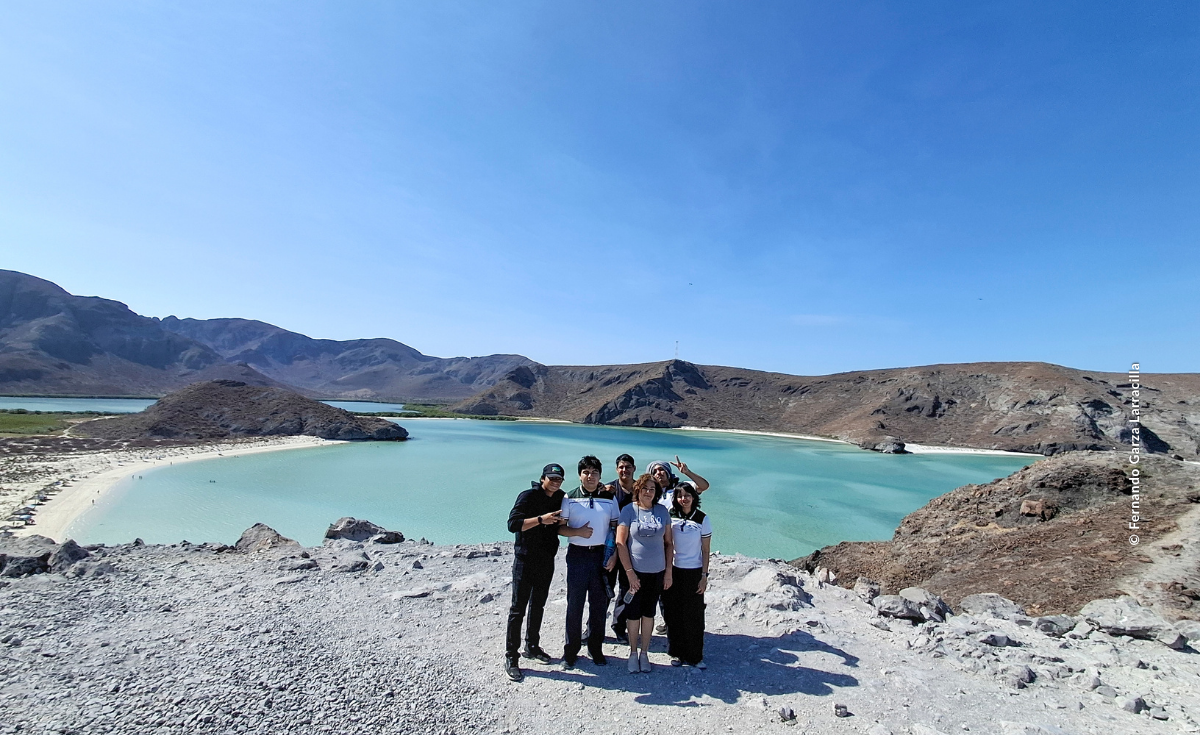
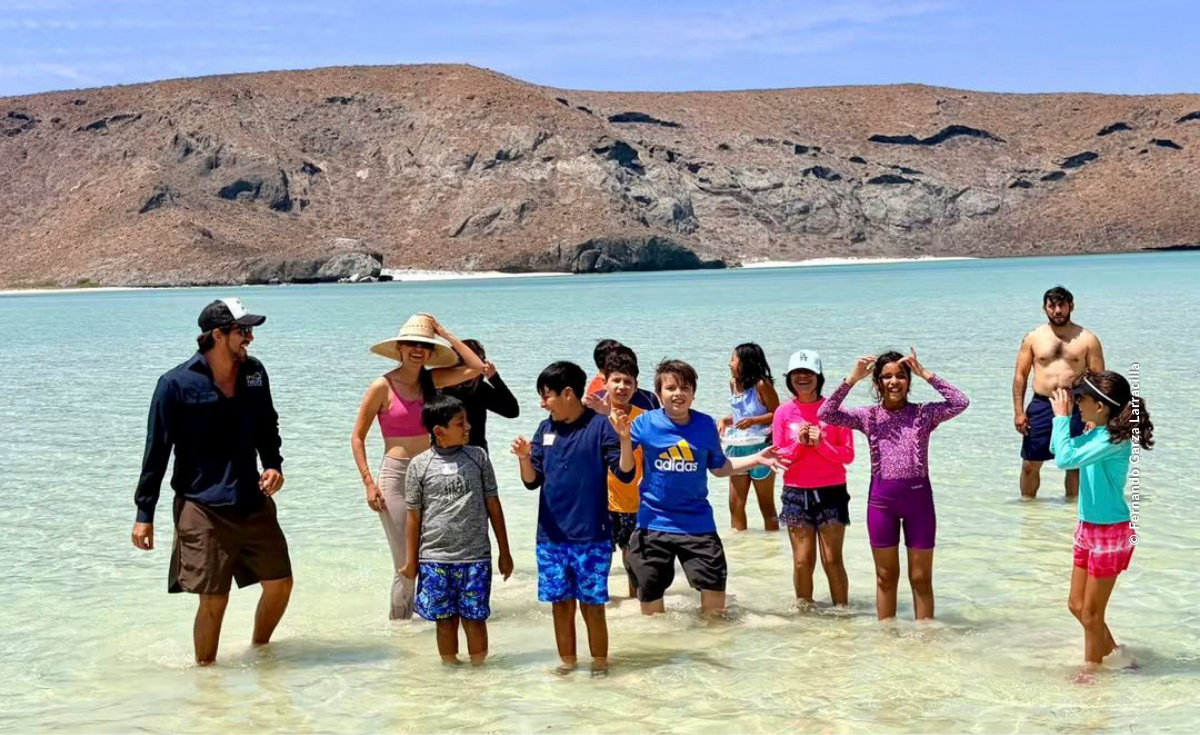
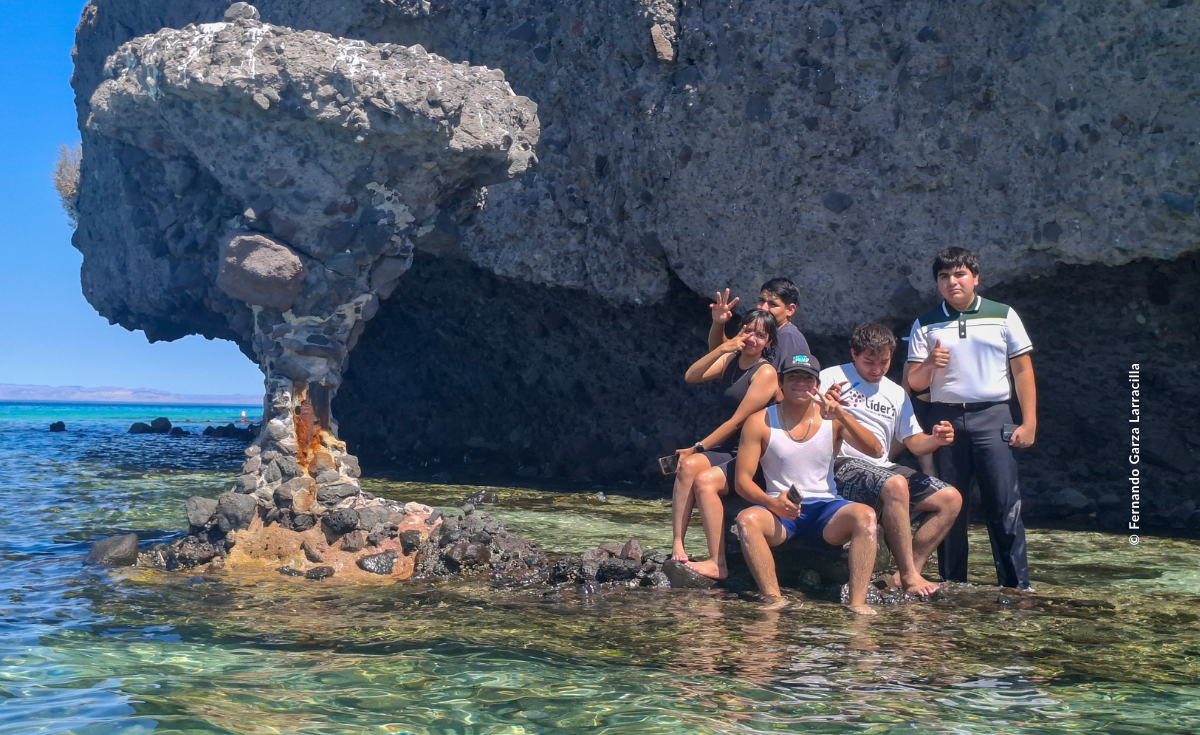
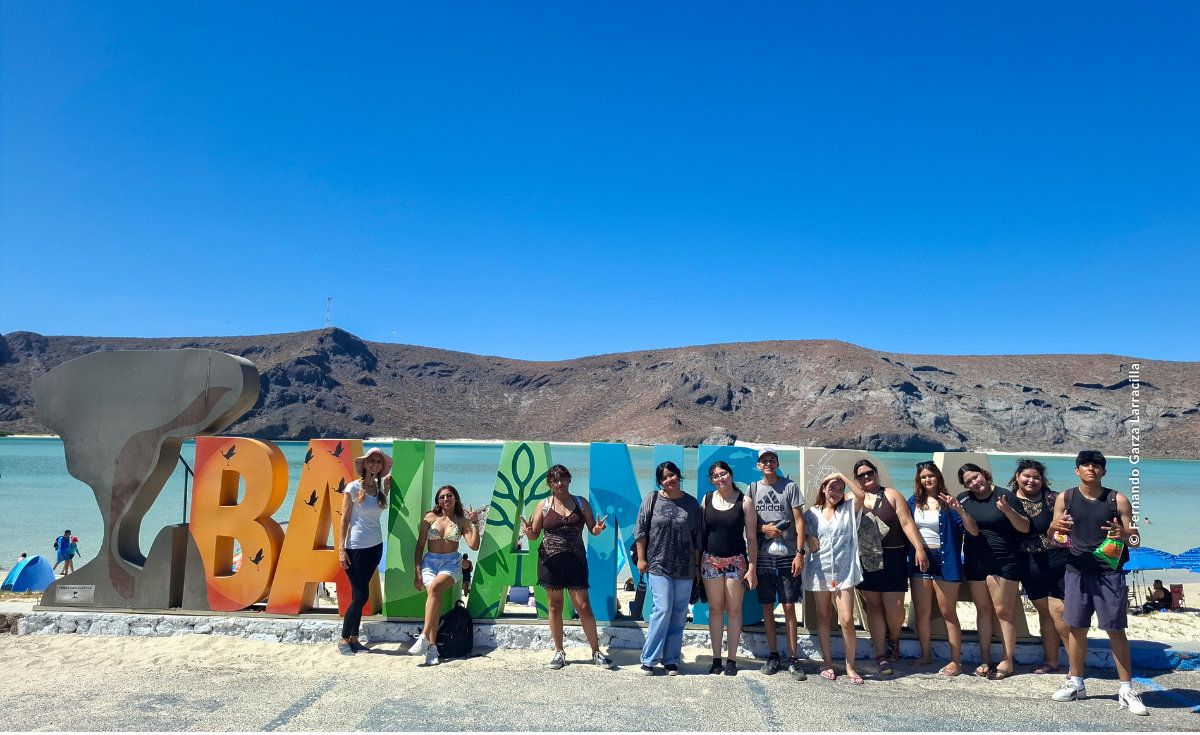
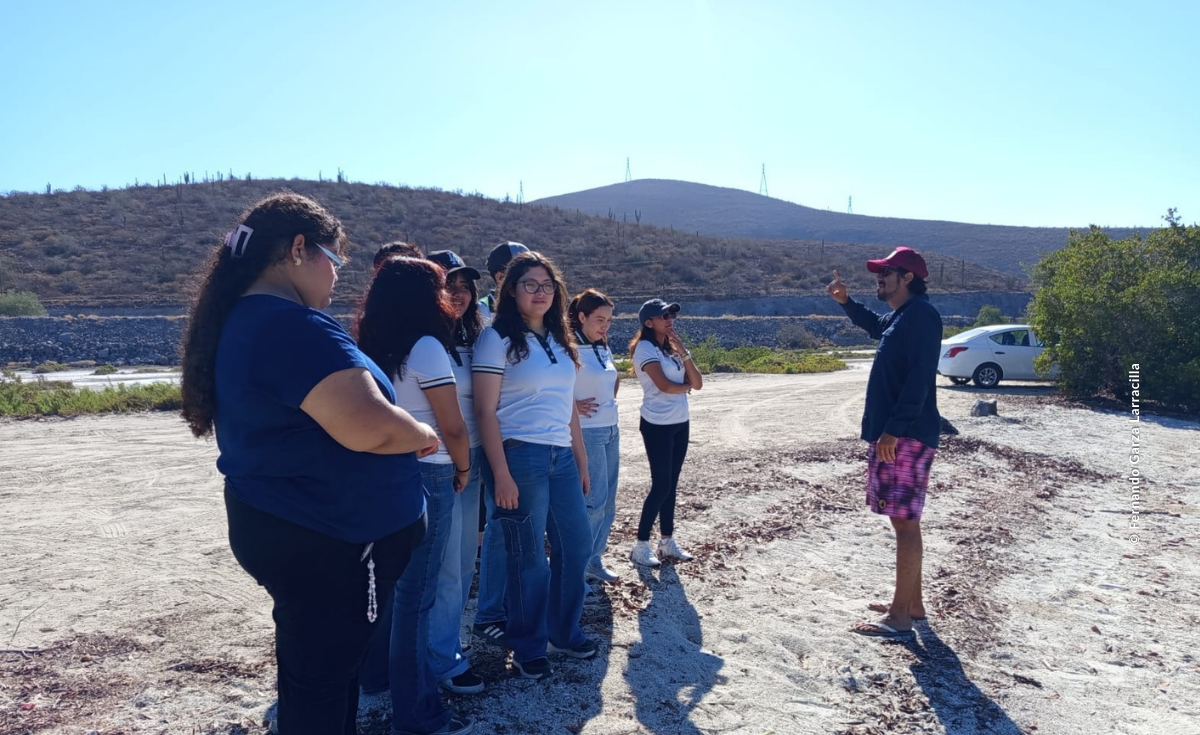
Under this agreement, environmental education activities began for students from the Colegio Nacional de Educacion Profesional Tecnica (CONALEP) and Carlos Moreno Preciado Elementary School.
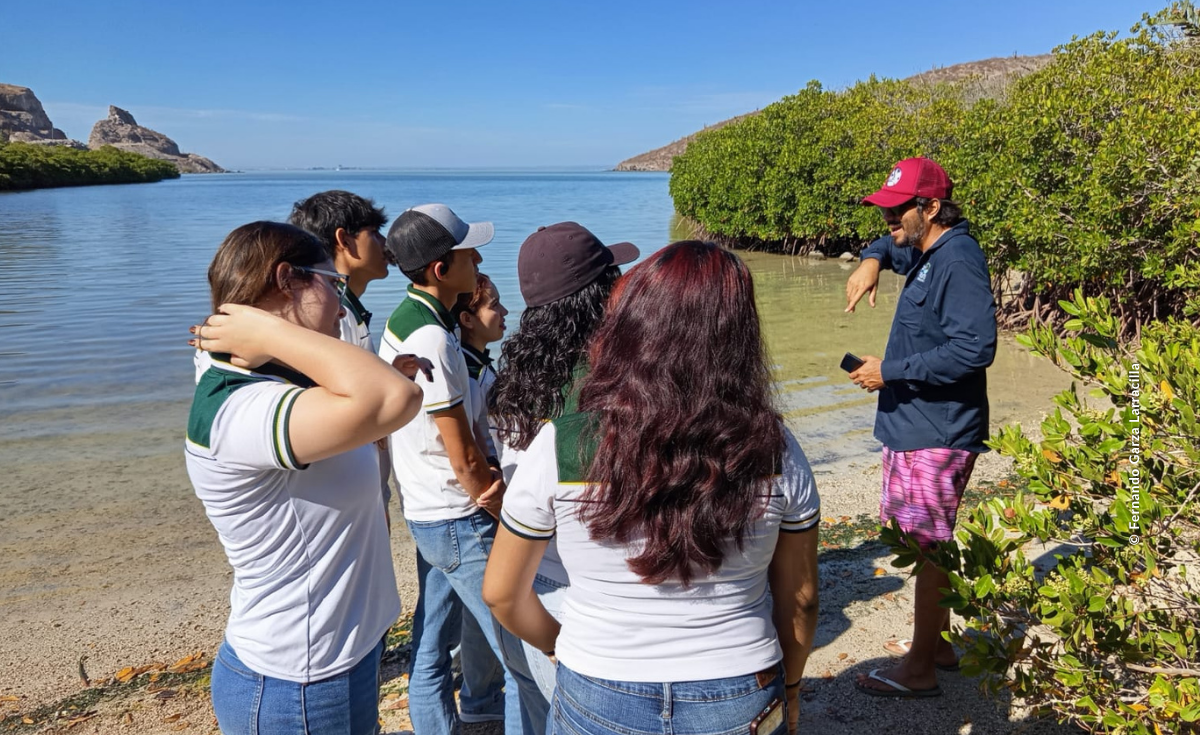
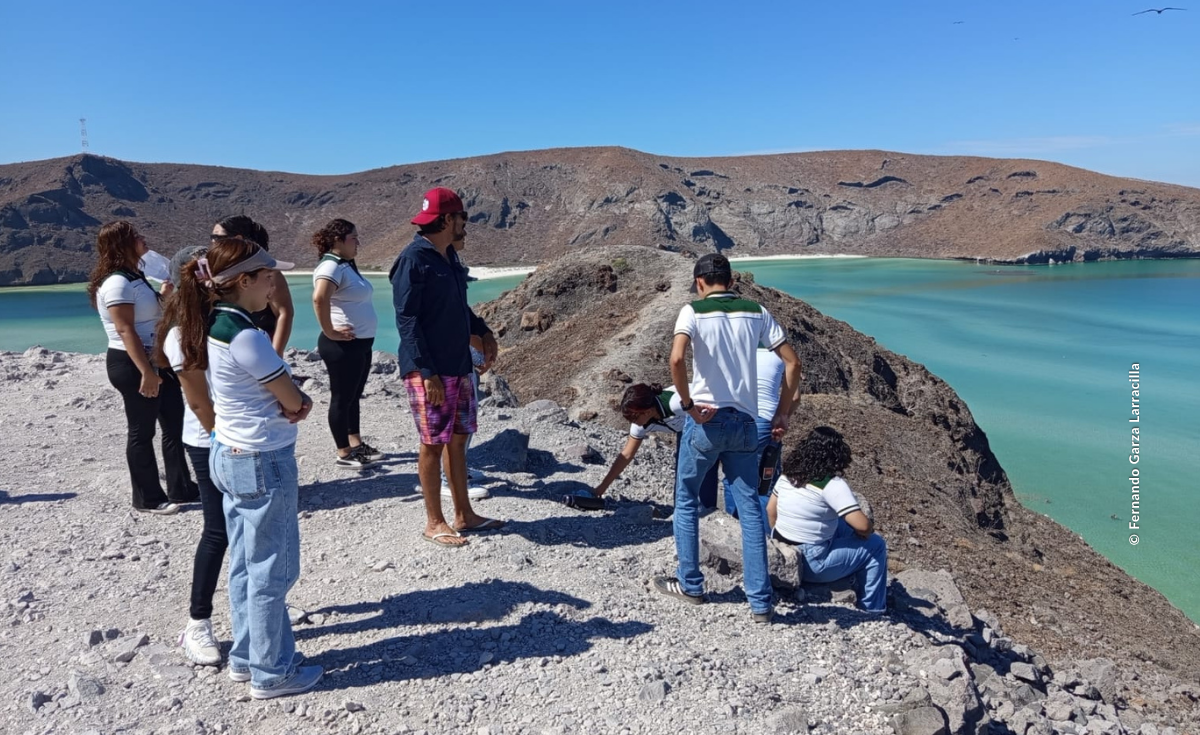
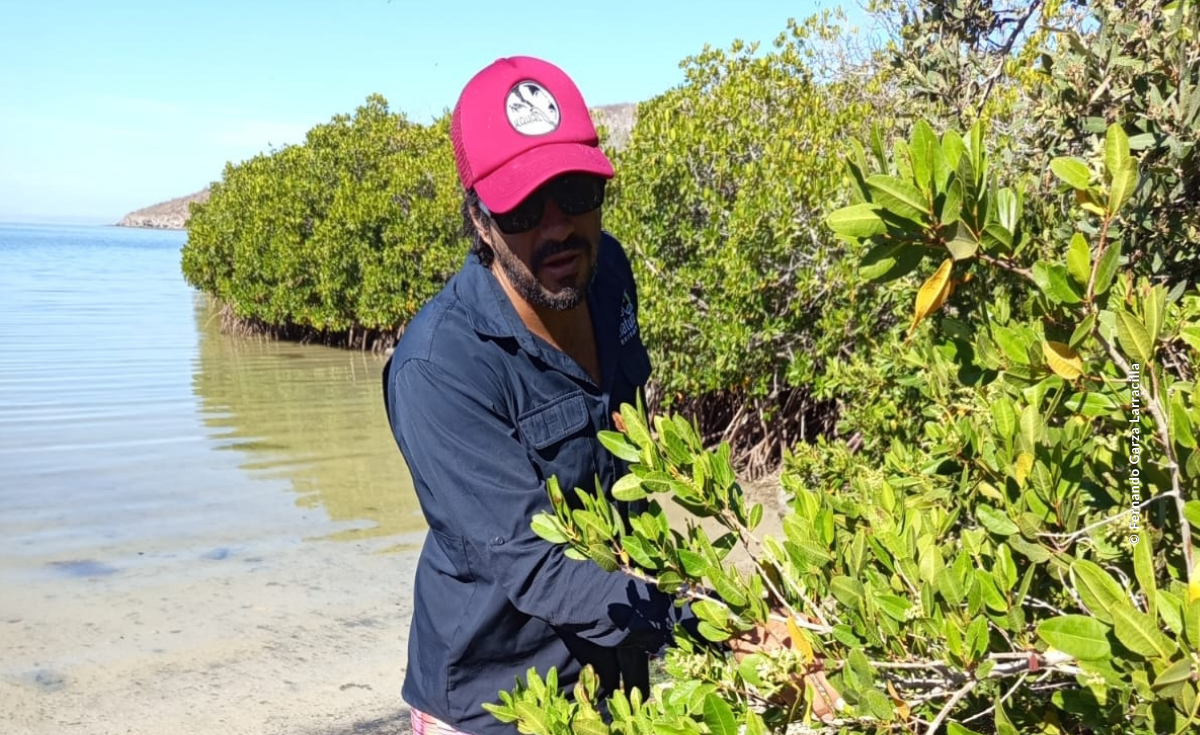
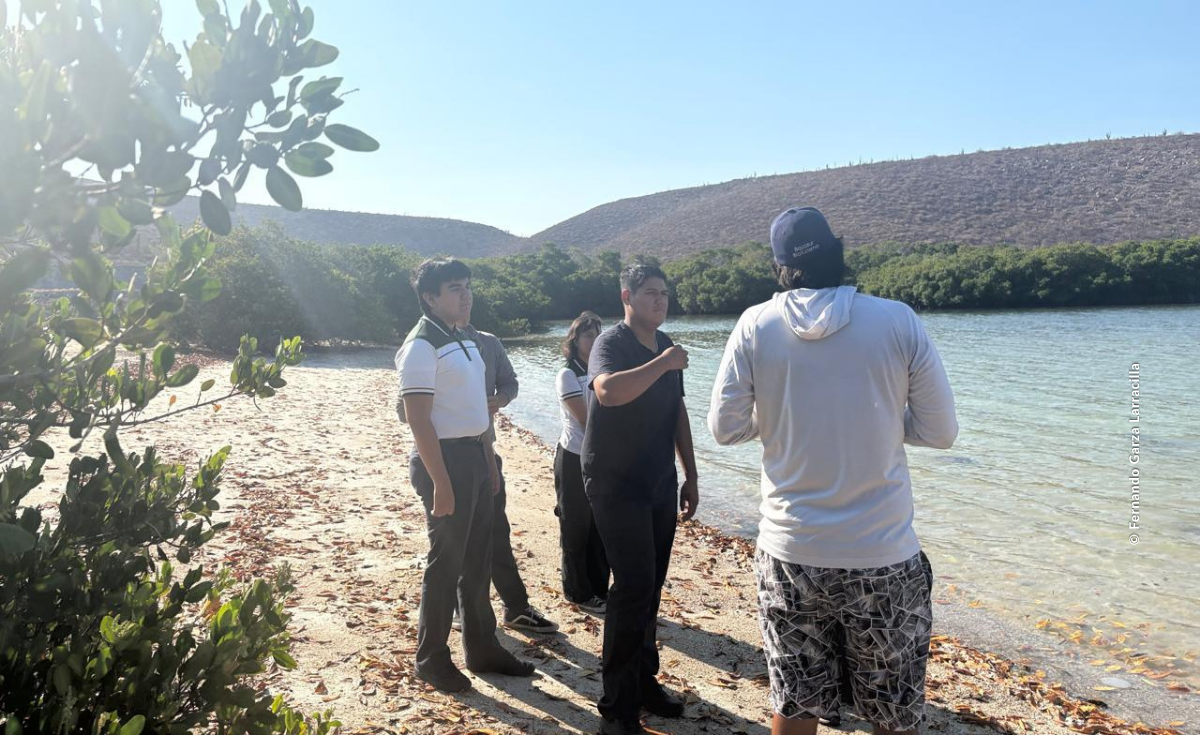
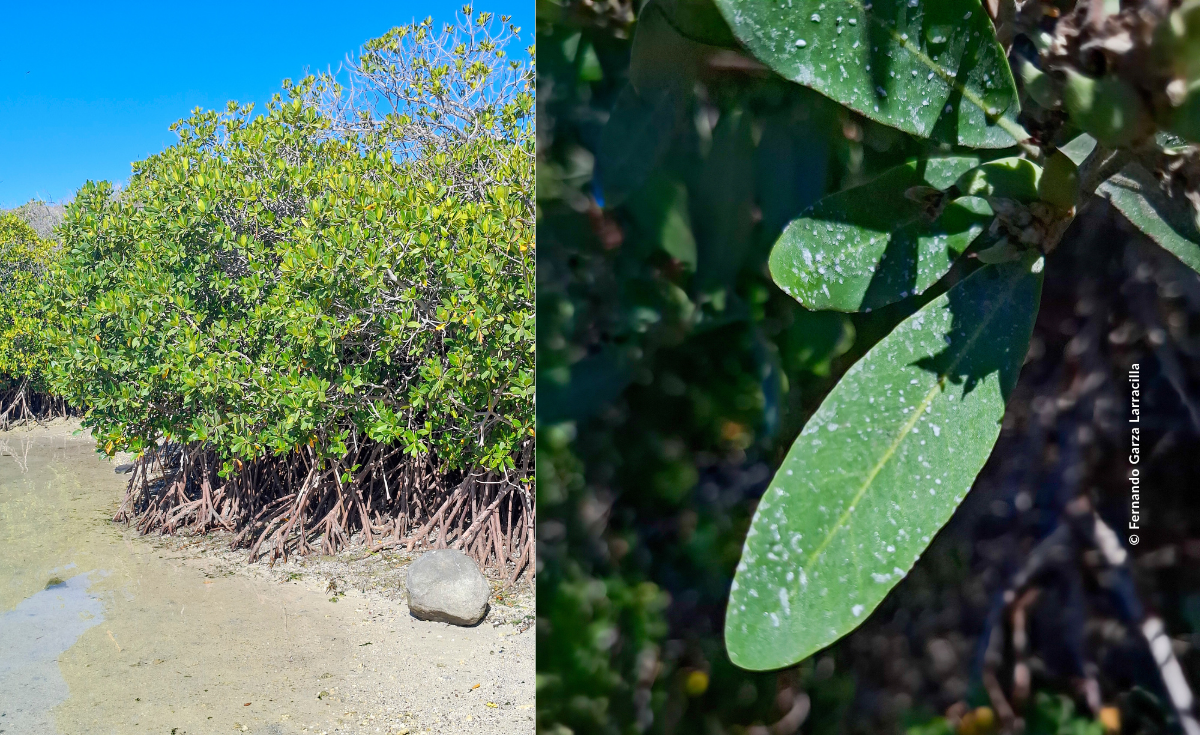
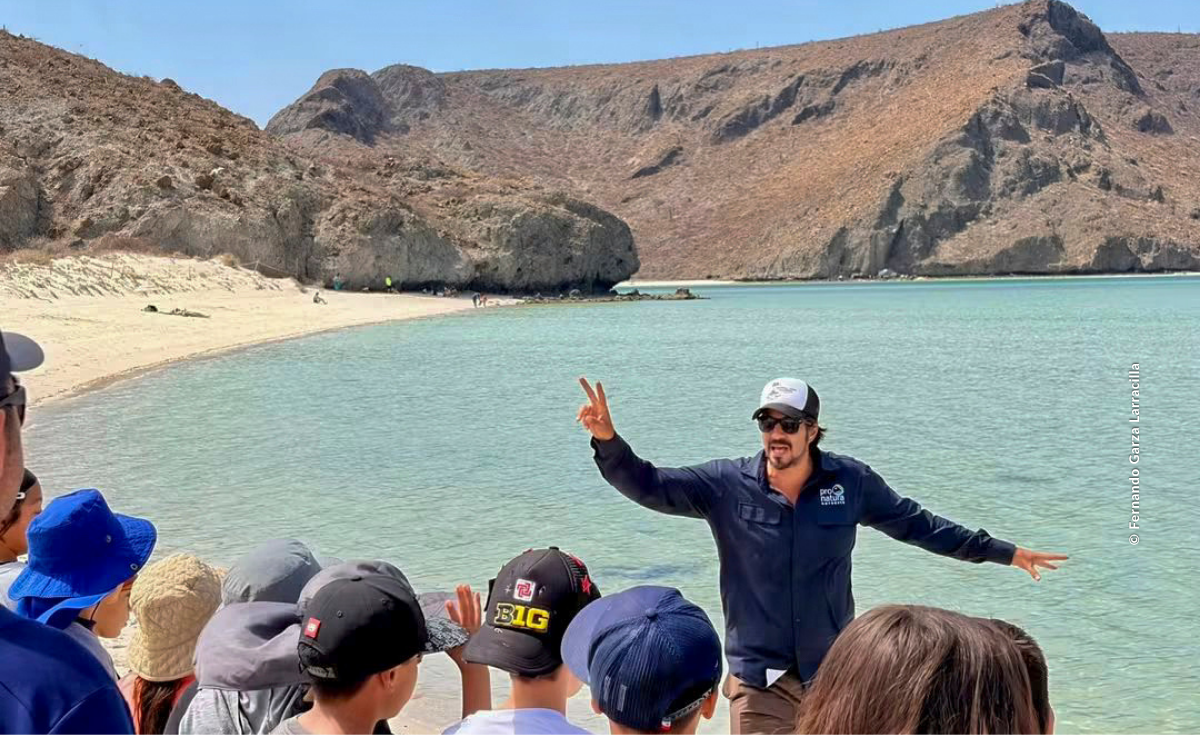
During that first educational visit, we conducted activities focused on reefs, coastal dunes, sea turtles and priority ecosystems of Baja California Sur.
“We went to the left side of the beach within the Protected Natural Area (PNA) to explain the connection between reefs, the coastal zone, dunes, and sea turtles,” Fernando Garza recounted.
More Visits, More Schools, and New Learning Spaces
At Pronatura Noroeste, we have been promoting an Environmental Education program since last year. This initiative is aimed at Conalep students and combines classroom-based learning with visits to protected natural areas. Now, thanks to this partnership, we can expand our field visits and reach more schools in La Paz.
“The importance of this agreement is that it allows us to bring students along and expand our field visits to natural areas of Baja California Sur as part of this Environmental Education program,” Fernando Garza mentioned.
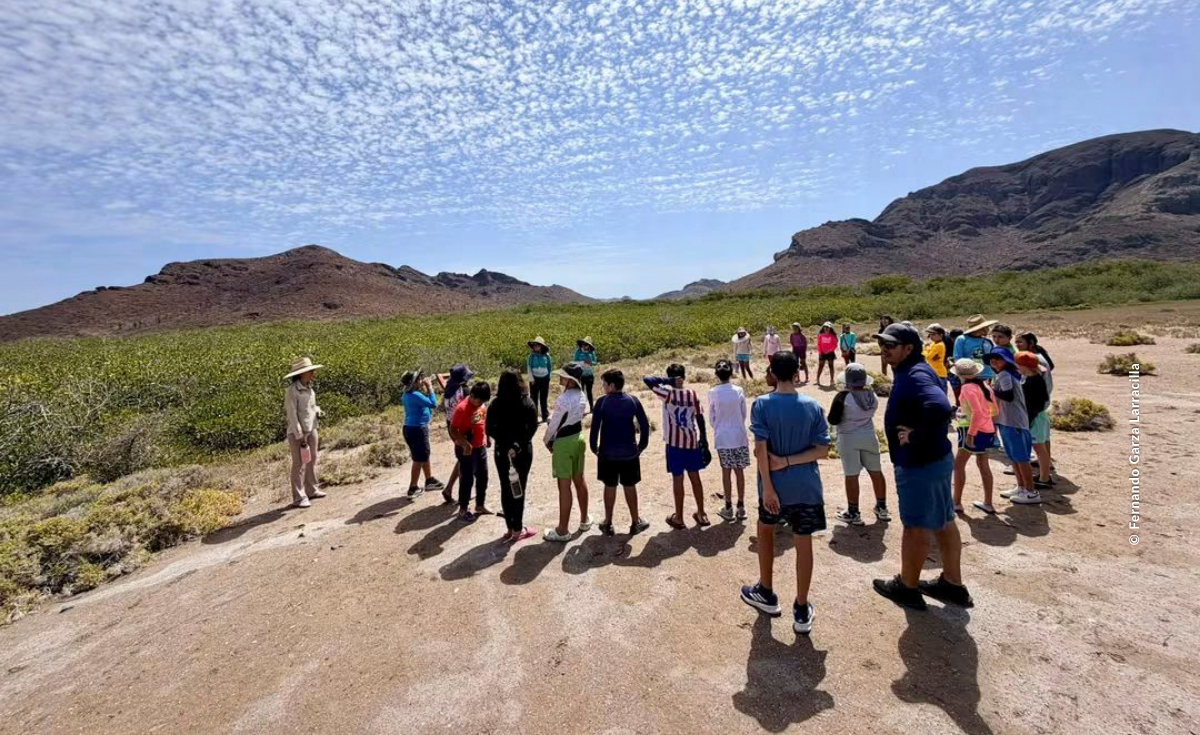
The program includes weekly visits—one or two per week during this initial stage—and aims to take one school per day to different protected natural areas across the state by 2027.
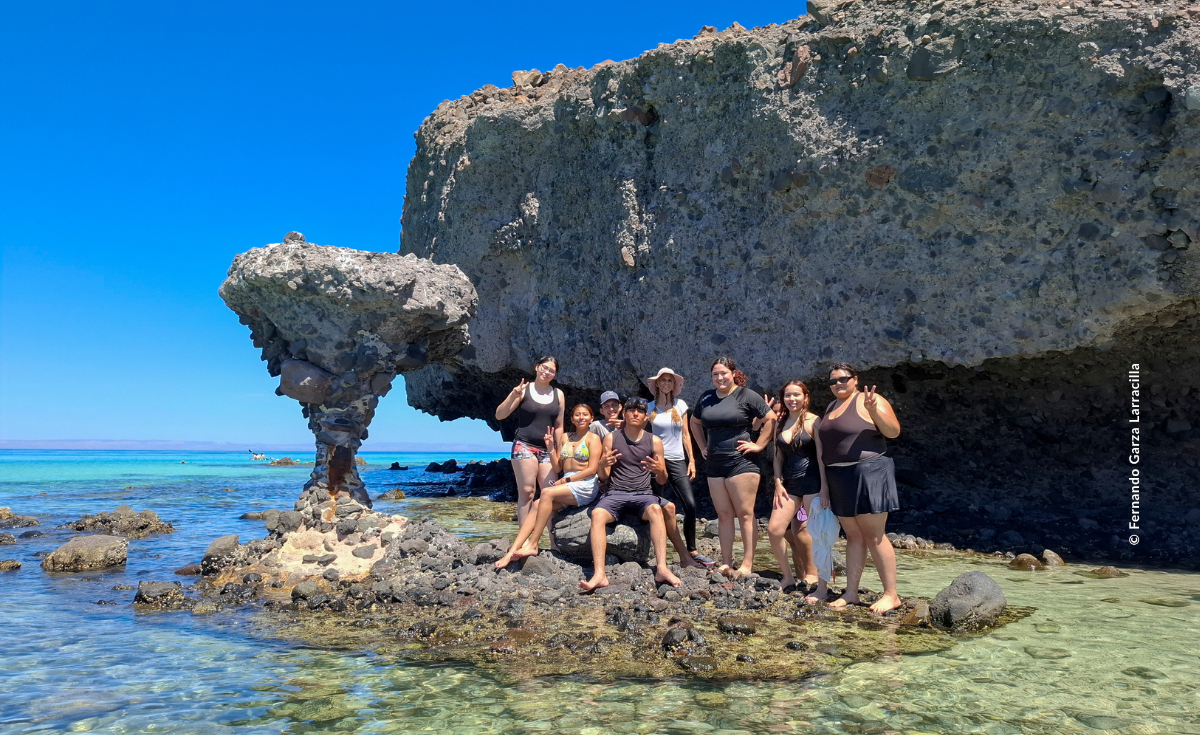
Besides Balandra, our goal is for all students to get to know other strategic ecosystems such as Cabo Pulmo, Isla Espíritu Santo, Sierra de la Laguna, and places such as Ecoparque de la Juventud (Youth’s Ecopark).
Environmental Education to Foster a Sense of Belonging
At Pronatura Noroeste, these experiences represent much more than school tours. They are about fostering a connection between young people and the territory they call home, as many children and teenagers in La Paz are unfamiliar with the protected natural areas located near them.
“Many of our visitors are national or international tourists, and I have encountered a high percentage of elementary, middle, and high school students who do not even know the protected natural area closest to them. What we seek is to foster a sense of cultural connection and conservation among future generations,” said Garza Larracilla.
That is why, during each visit, we seek to promote knowledge of ecosystems, explain their ecological importance, and show different ways people can get involved in their conservation.
At Pronatura Noroeste, we will continue working to ensure that more young people can have experiences that strengthen their connection with nature and encourage their participation in protecting Baja California Sur.
Conservation also begins with knowledge. Join our environmental education initiatives and help us bring more children and young people closer to the ecosystems that make the Gulf of California unique.
Translated by: Alejandra Picos & Claudia Jiménez
Reviewed and edited by: Nicole Fuentes