

Saving the Delta of Colorado River is possible but it needs more participation from the citizens. Get to know how you can help through activities such as reforestation, save water and defend the river as common property in the Northwest of Mexico.
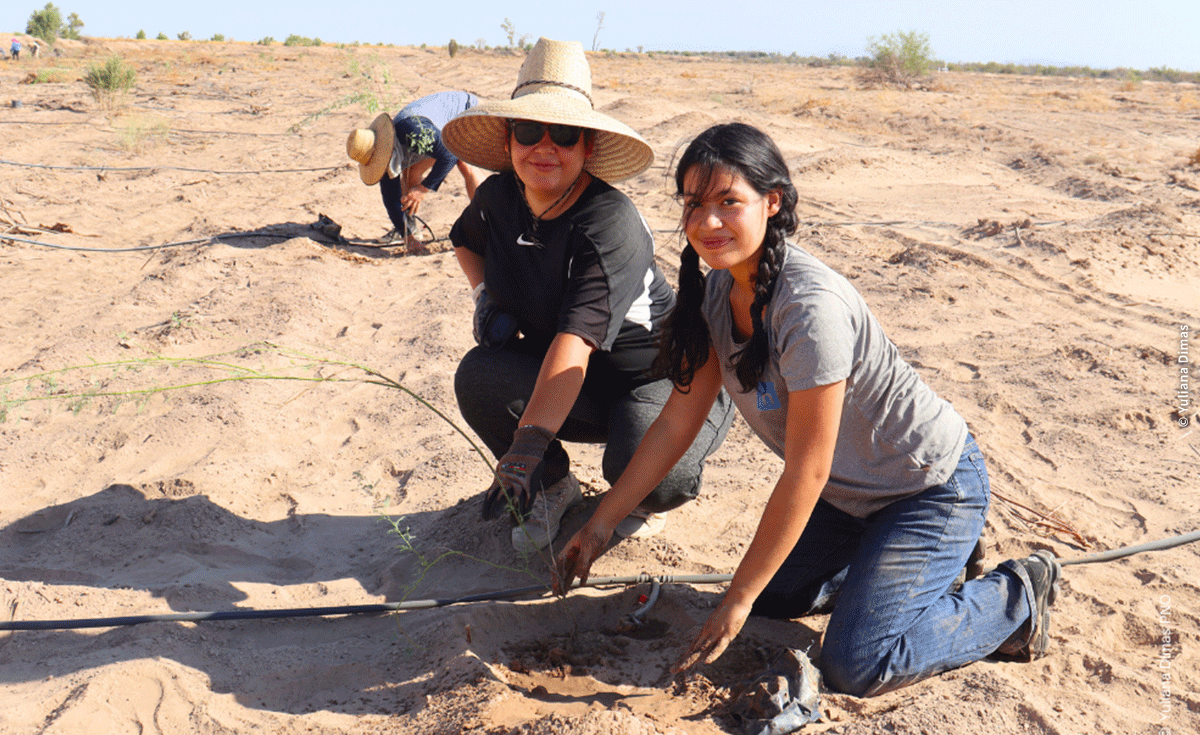
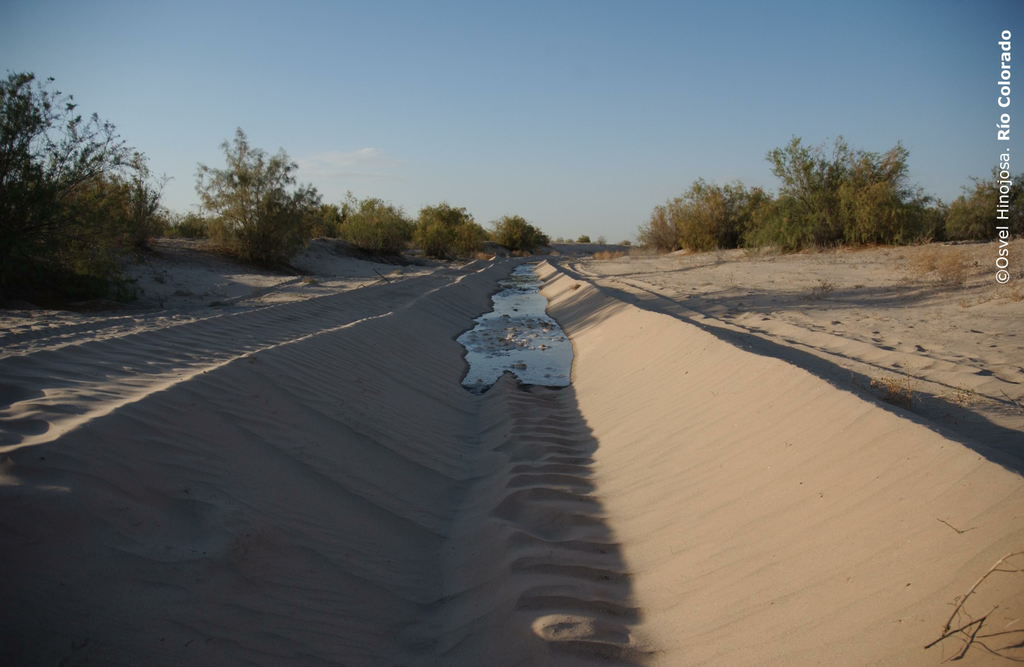
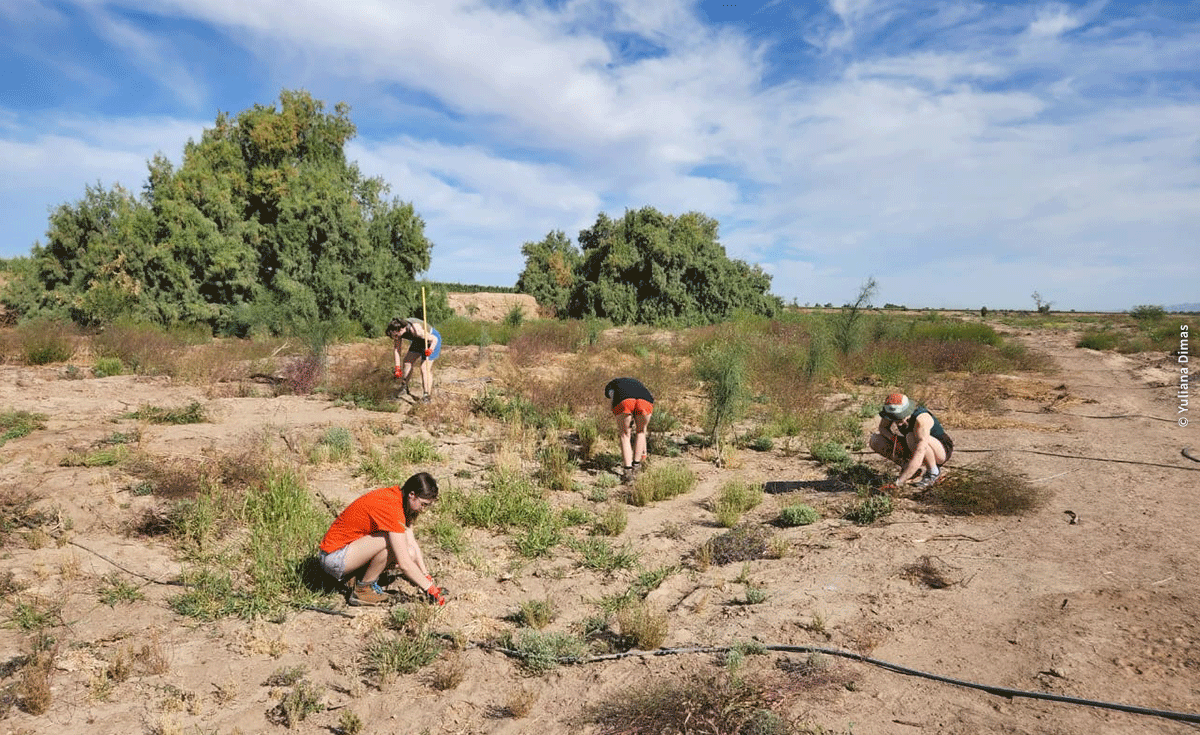
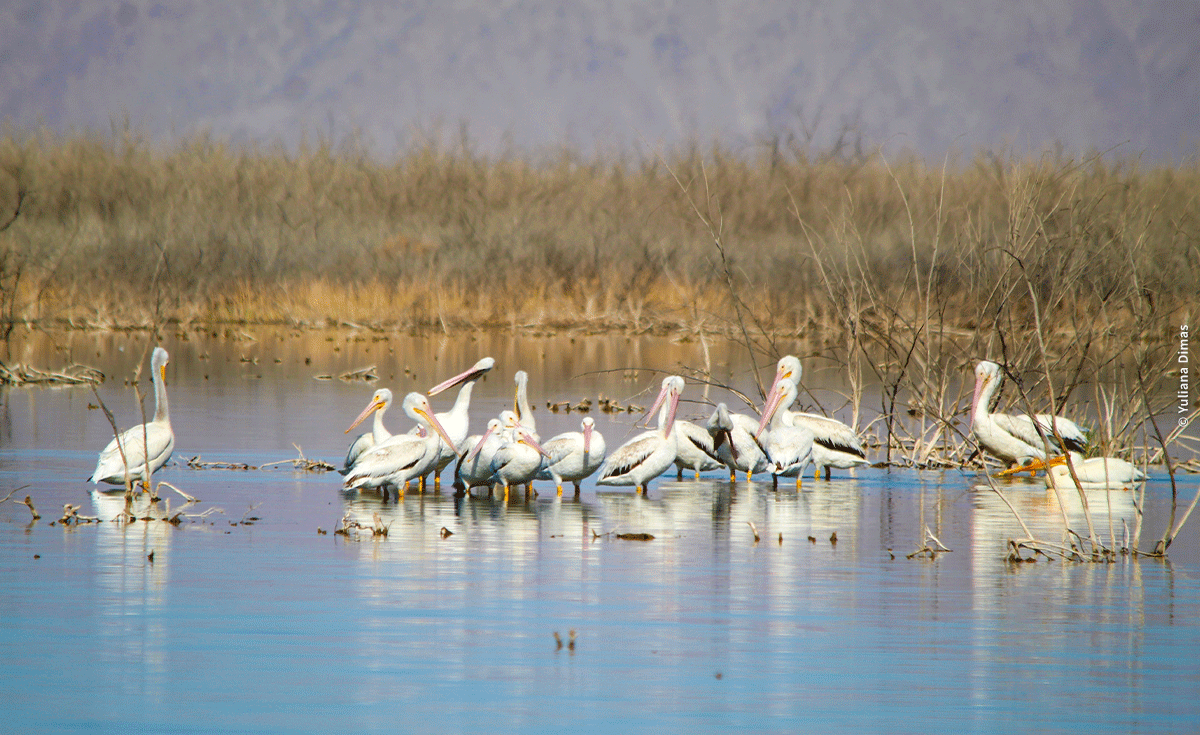
For decades, the Colorado River stopped flowing at their final section. Its delta, previously an oasis that nourished more of 800 thousand of wetland hectares, was reduced in dry patches without water and life. But today, in the middle of the desert, something has started to change: water started flowing, native trees started growing again and thousands of birds went back to the landscape that they once lost.
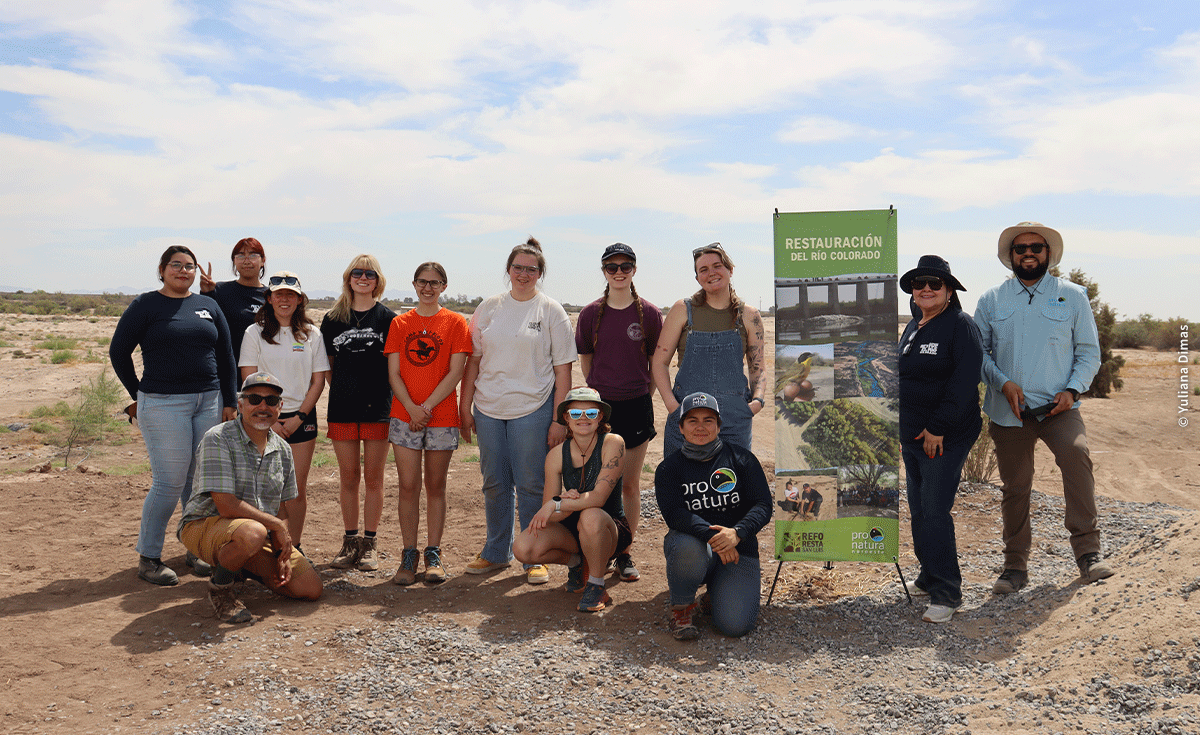
Each July 25th, the Colorado River Day is celebrated. This date helps us remember that delta recovery was not a miracle, but rather the joint effort of Pronatura Noroeste and five organizations in Mexico and the United States, part of Alianza Revive el Río Colorado. Even though binational agreements have been key to bring water back, the citizens’ role is also fundamental to maintain this rebirth.
“Nature is resilient”, declare Miguel Ángel Vargas, Land Ecosystem Coordinator of Pronatura Noroeste.
“But it needs to be cared by us. Getting back the delta is not just work for scientists or diplomatic corps. All of us can make something wherever we are¨.
How can I help keeping the river alive again?
Although the problem looks distant, each northwest person of Mexico can help the Colorado River to continue alive.
These are some specific options that everybody can made:
1. Know the origin of the water you consume
Water arriving to your home in Mexicali, Tijuana, Rosarito and Ensenada in Baja California, San Luis Río Colorado, Sonora, The Valle Agrícola del Distrito de Riego 014, the Border zone and 7 States of USA depends from the watershed of Colorado River.
Knowing this, it changes the way we use it: each liter saved at home can make a difference.
2. Consume products made for responsible use water farmers
There are at least 15 pilot projects of regenerative agriculture that promote efficient irrigation, health land and minor agrochemical use in the Irrigation Area 014, that is Mexicali Valley and San Luis Río Colorado.
Buying sustainable products is a direct form to protect the river.
Search in your local market the precedence of the products to know where the food you eat came from and take best decisions.
3. Make voluntary work of environmental restoration and education
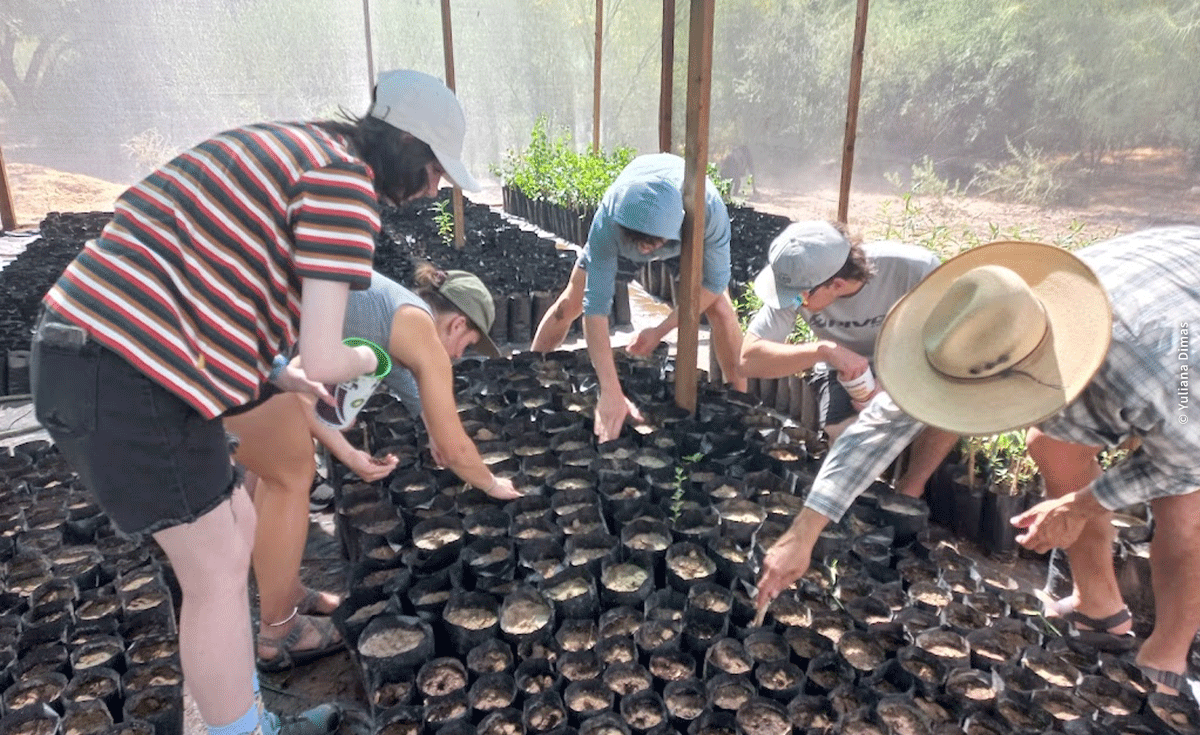
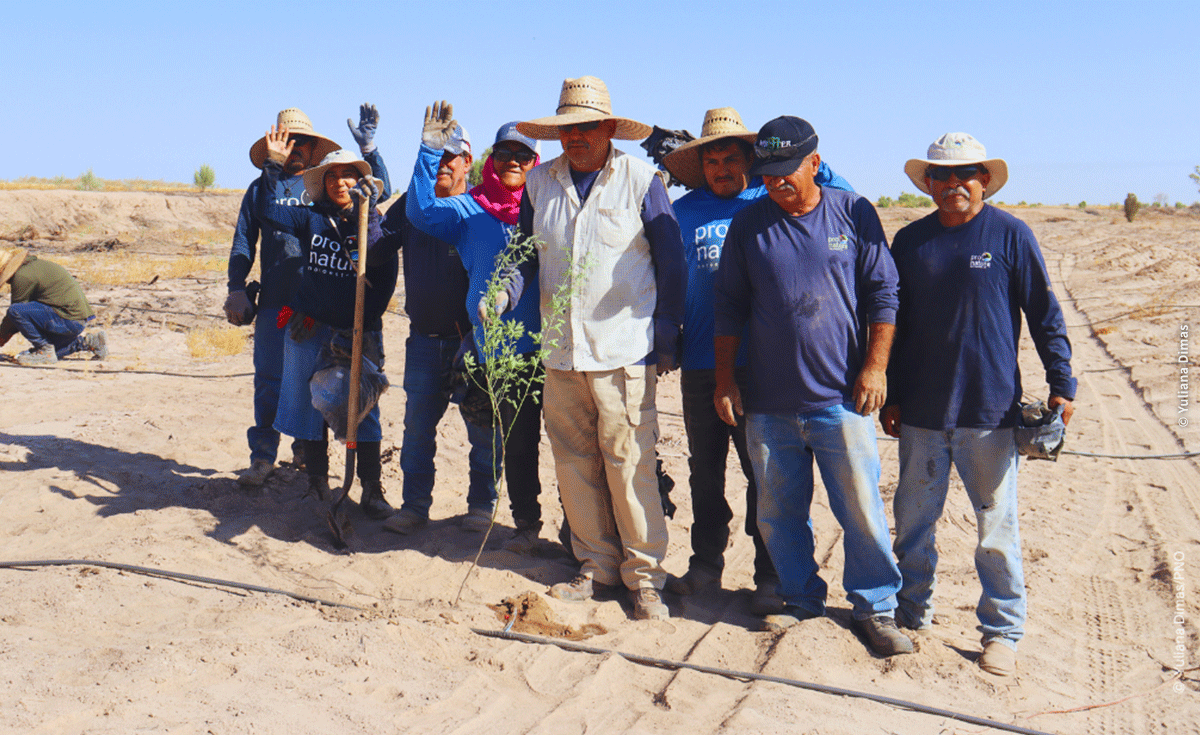
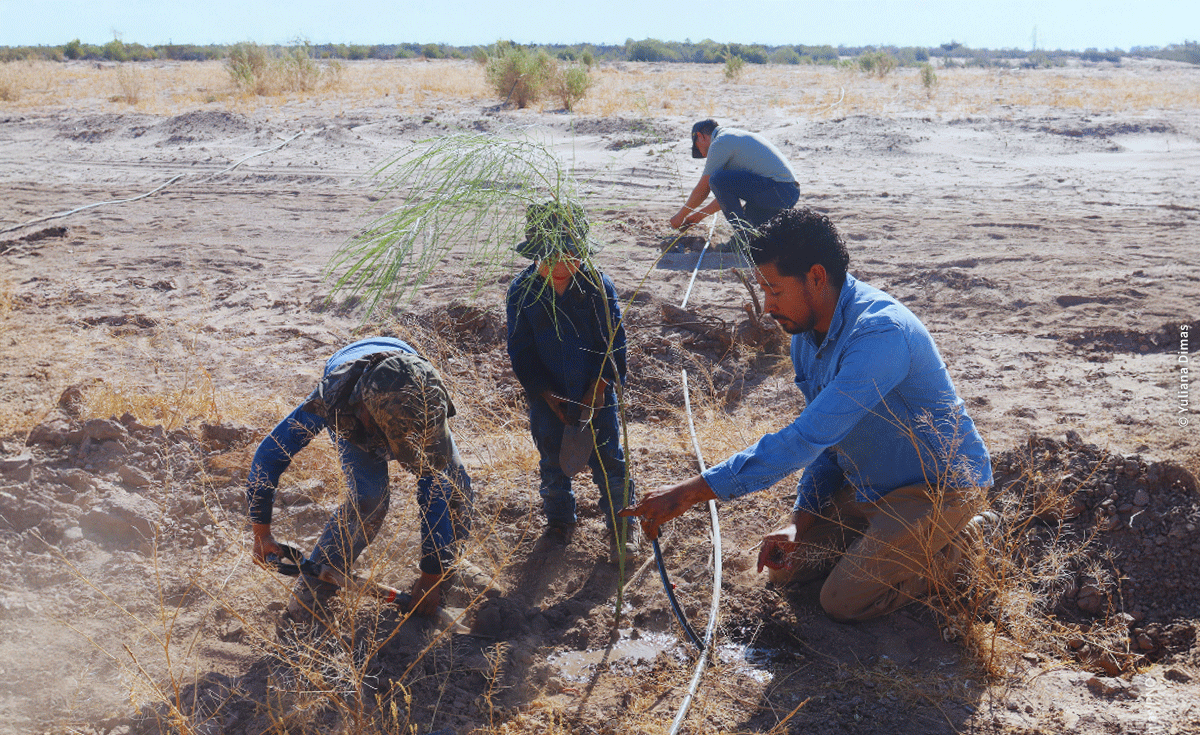
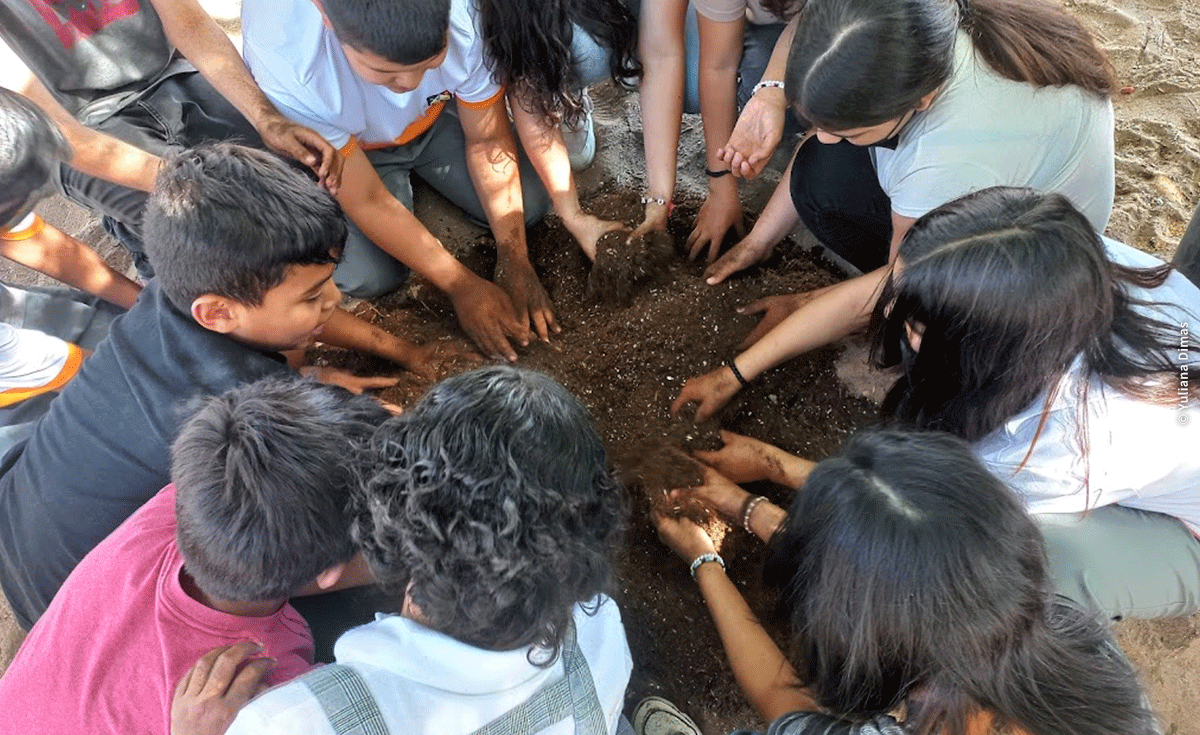
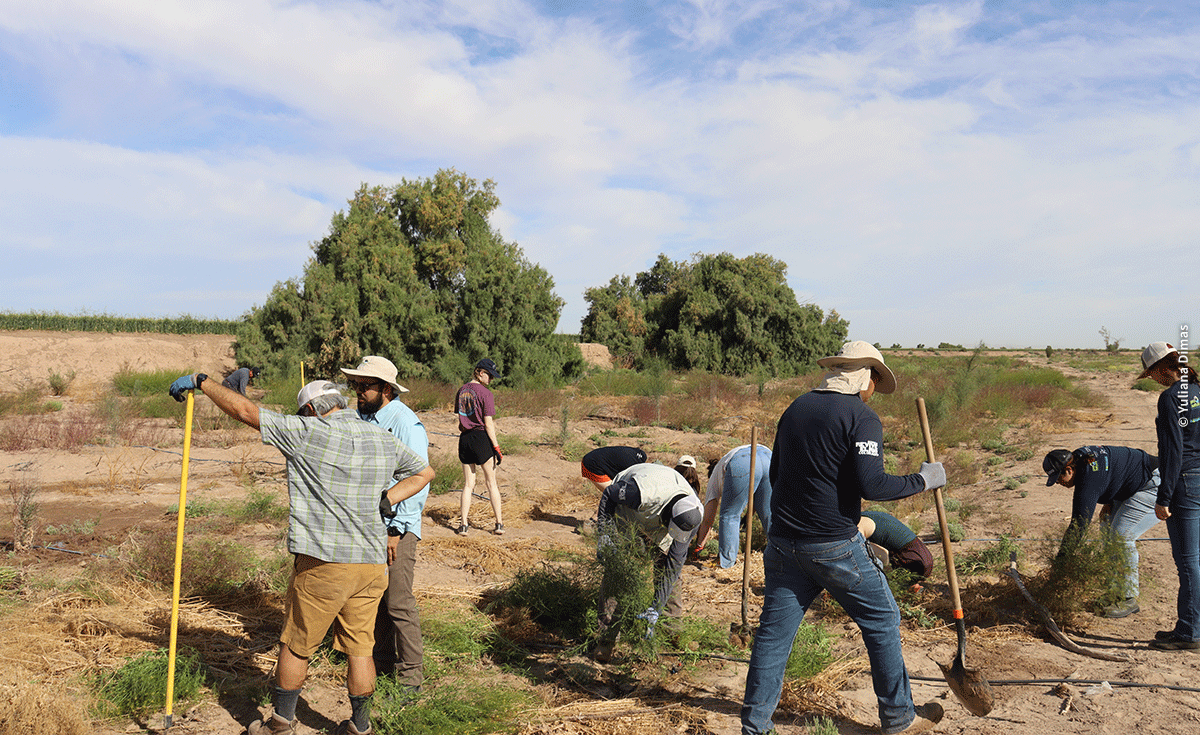
More than 21 thousand people are participating in reforestations, workshops, and guided visits to delta sites. Organizations such as Pronatura Noroeste, Restauremos el Colorado and Sonoran Institute Mexico offer one-of-a-kind opportunities for anyone can participate as a volunteer.
5. Help with donations and disseminate the project
This kind of restoration requires different resources to continue. You can donate, share information on social media or talk about it with your community even if you don’t live nearby.
5. Promote citizen participation
You can demand that your authorities ensure that water is not only used for industries and monocultures, but also for the environment. You may participate in forums, consults and public requests to defend the right to have water as a public asset.
The River has not been saved yet
Thanks to historical agreements as a proceedings 319 and 323, has been delivered more than 425 million of cubic meters of water for environmental use. That has helped reforest more than 540 hectares, grow birds’ presence to 70% and reconnect the riverbed with the
sea. Something that has not happened for more than 10 years.
But it is not enough.
“With barely 10% of the historic water volume of the river, we could keep key habitats and benefit the communities”, explains Vargas.
“That is technically viable, but also depends on how society gives value to water for nature”.
TO LEARN ABOUT
Pronatura Noroeste, National Audubon Society, Restauremos el Colorado, A.C., Sonoran Institute México, The Nature Conservancy, and The Redford Center work in a team through Alianza Revive el Río Colorado since 2012. This is a dialogue effort and actions with the government of the United States of America and Mexico to reverse the havoc caused by exploitation and climate change in the Colorado River.
Translated by: Dalhy Wong.
Reviewd and edited by: Perla Mendoza.