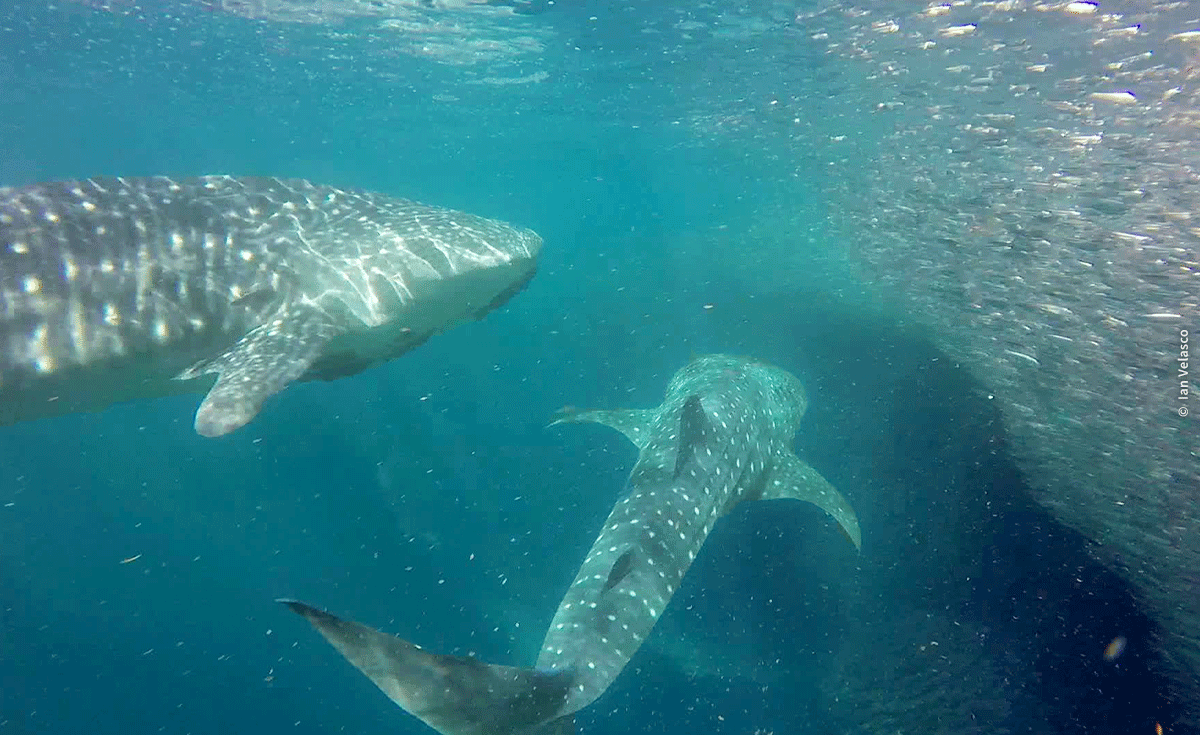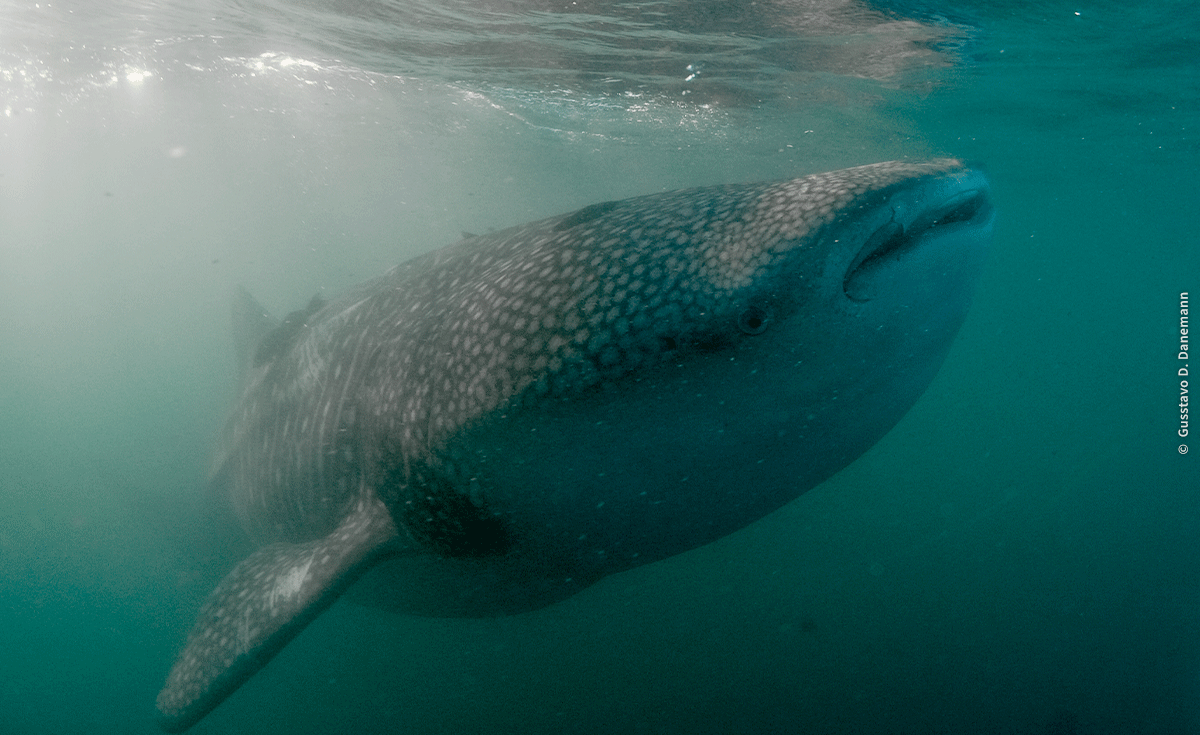


The whale shark (Rhincodon typus), known as the “Giant of the Seas,” is not a whale but the largest living fish in the world. It can reach up to 18 meters in length and, despite its impressive size, is completely harmless to humans. However, this shark currently needs protection.
Every August 30th, International Whale Shark Day is celebrated, a date to recognize their ecological and cultural importance. On this day, the scientific and environmental community reminds us that conserving this species not only protects an extraordinary fish, but also the ecosystems that sustain marine life.
This marine colossus feeds on plankton and small organisms, making it a crucial species for the balance of marine ecosystems. By filtering tons of water every day, it maintains the health of the oceans and ensures the continuity of the food chain.
Its evolutionary history is equally impressive: it is believed to have inhabited the Earth for at least 70 million years. The name “whale shark” was given to it in 1849 due to its particular physiology, which combines characteristics typical of sharks with its massive size, similar to the whales.
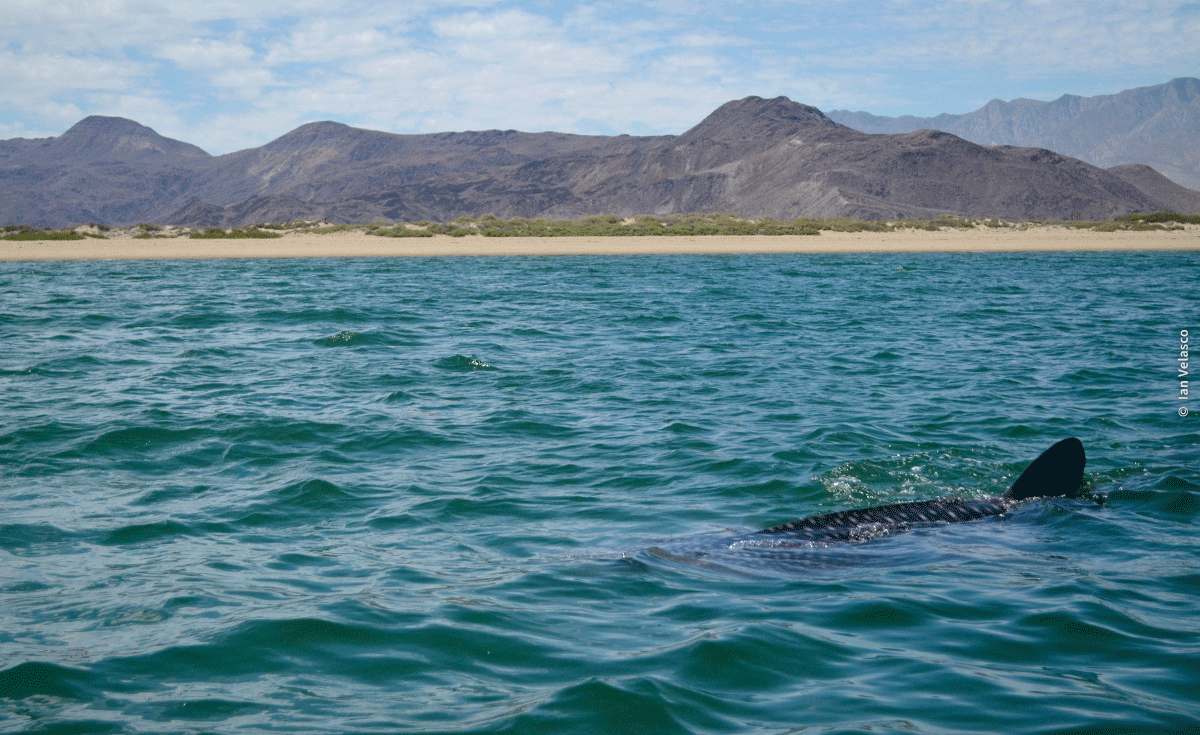
Whale shark in the Gulf of California
In Mexico, the whale shark can be observed in the Caribbean and in the Gulf of California, at Bahia de Los Angeles in Baja California, one of the most important sites for observation points that are useful for researched.
In this region the rocky reefs provide a conductive environment to rest and nutrition. The presence of this species also boosts nature tourism. At Pronatura Noroeste, we work for its conservation by promoting a model of responsible tourism that allows visitors to connect with the environment without putting the whale shark or its habitat at risk.
And although its image inspires admiration and curiosity, the whale shark faces serious threats: bycatch, collisions with vessels, and climate change have reduced its populations. Therefore, the Unión Internacional para la Conservación de la Naturaleza (UICN) classifies it as an endangered species, according to the Mexican Official Standard NOM-059-SEMARNAT-2010. The Convention on International Trade in Endangered Species of Wild Fauna and Flora (CITES) lists it in their Appendix II.
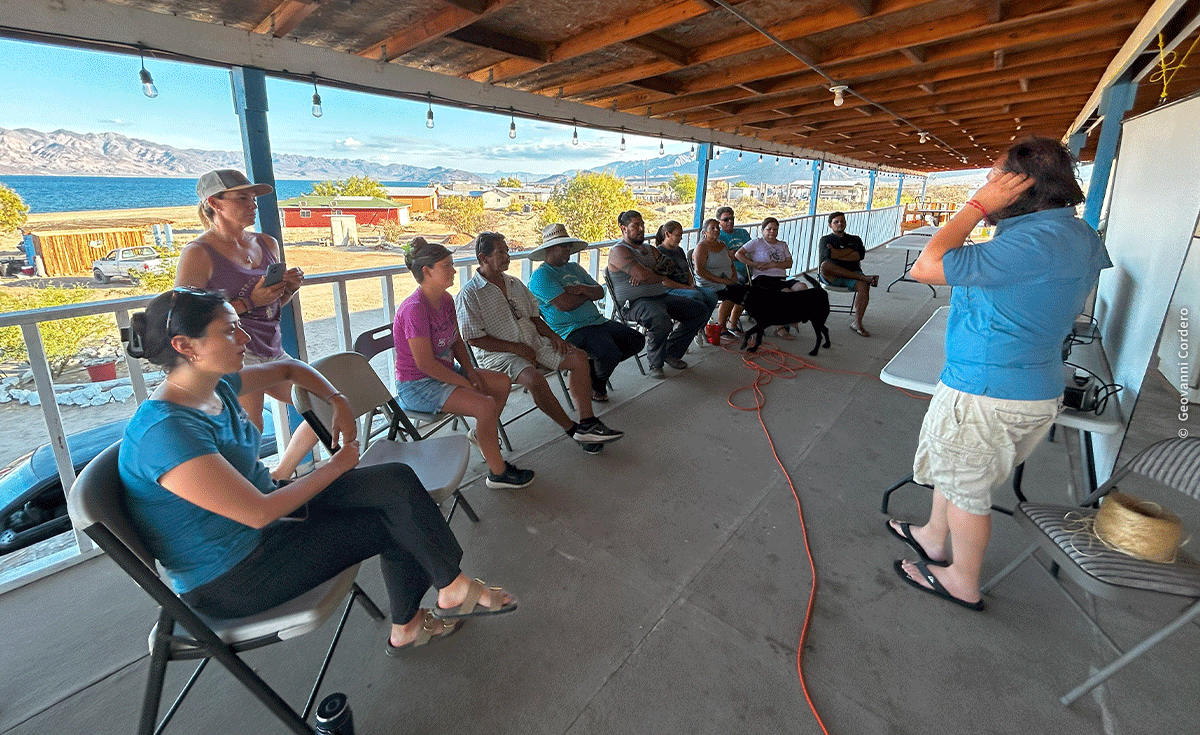
In Mexico, the Official Standard NOM-171-SEMARNAT-2010 is applied, which establishes the specifications for the development of non-extractive use activities for the observation and swimming with whale sharks. La Comisión Nacional de Áreas Naturales Protegidas (CONANP, for its initials in Spanish). Protocols have been established for its sighting and conservation, while at Pronatura Noroeste we collaborate on environmental education projects, scientific monitoring, and institutional agreements aimed at strengthening the protection of this giant.
Translated by: Perla Mendoza.
Reviewed and edited by: Belinda Carpio.