

World Sea Turtle Day is every June 16th, so in Pronatura Noroeste we want to highlight these chelonians’ importance for the marine ecosystem balance and as ocean health bioindicators. However, the species inhabiting the Gulf of California are endangered.
Sea turtles have great ecological importance: they help keep balance in the marine ecosystem, plus their presence is an ocean health bioindicator. Several factors put their existence at risk, such as habitat loss, bycatch, plastic pollution, poaching and climate change.
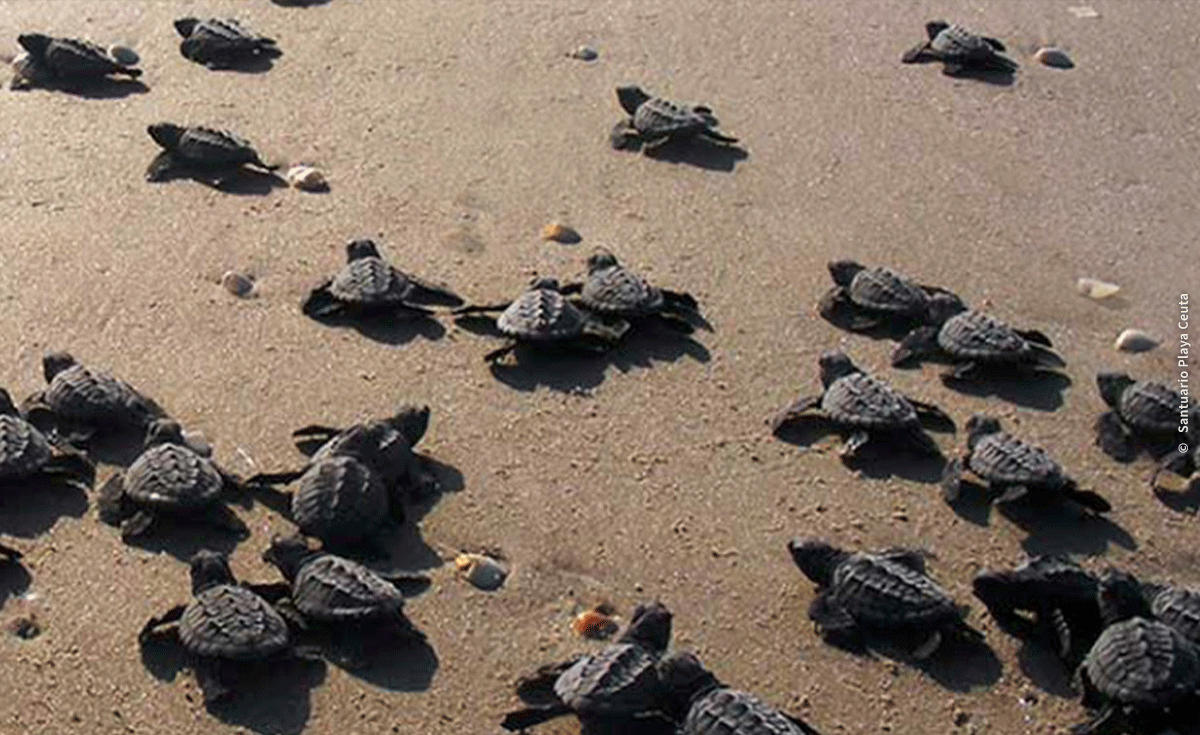
Their offspring are vulnerable to predators. Coyotes and raccoons frequent beaches as their hunting ground during nesting season. Other threats on top of that are turtle
egg trafficking, and unauthorized vehicle driving over beach areas. There is no exact estimate of the damage, but there is recognition of it being a problem — with the
declaration of danger through NOM-059-SEMARNAT-2010.
This World Sea Turtle Day, celebrated every June 16th, in Pronatura Noroeste we keep in mind that the following are the main factors for this situation. Plastic pollution, especially bags which can be confused for jellyfish; bycatch with unauthorized nets; illegal trade of sea turtle skin, meat and eggs; ocean warming; coastal habitat destruction due to real estate development and invasive tourism.
These types of threats are why species inhabiting the Gulf of California are listed as endangered.
Sinaloa, a strategic place for sea turtle conservation
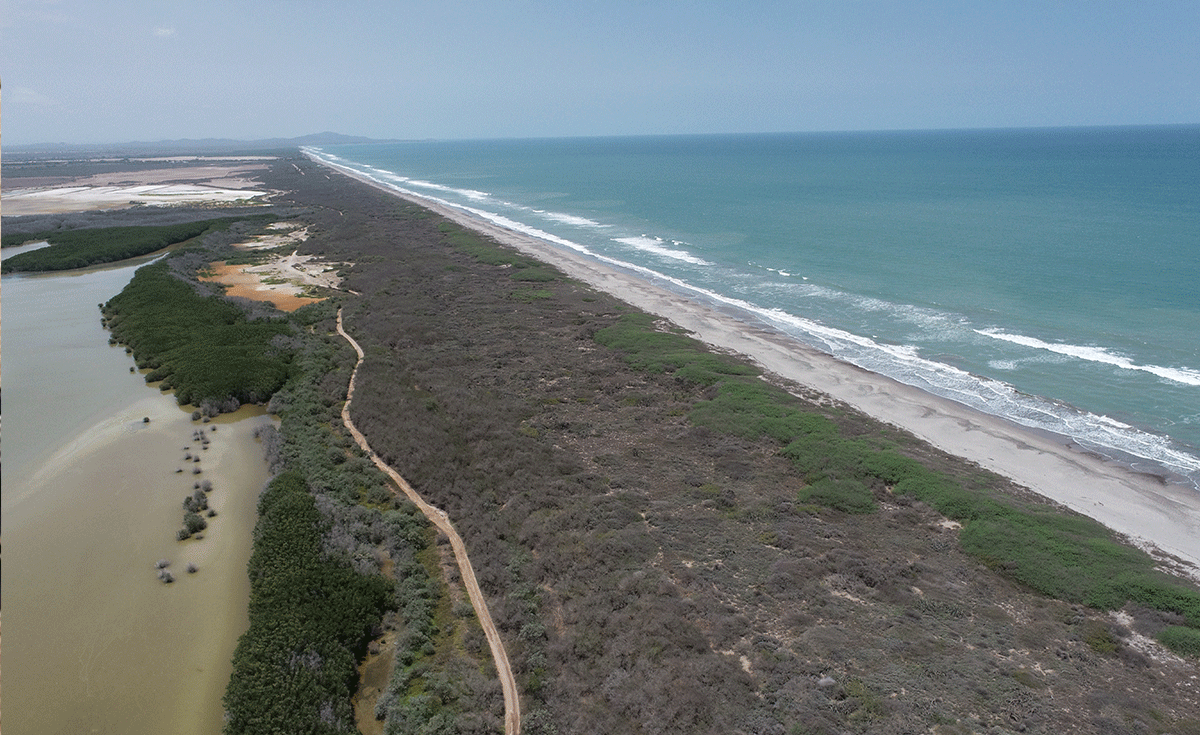
Sinaloa is a privileged state within the Gulf of California, not only for its coasts rich in biodiversity, but also for having one of Mexico’s most important sea turtle sanctuaries: Playa Ceuta.
This place, located in Elota municipality, in the south of the state, is where thousands of sea turtles stop every year for soft sand beaches with no rocks, establishing itself as a key point for conservation.
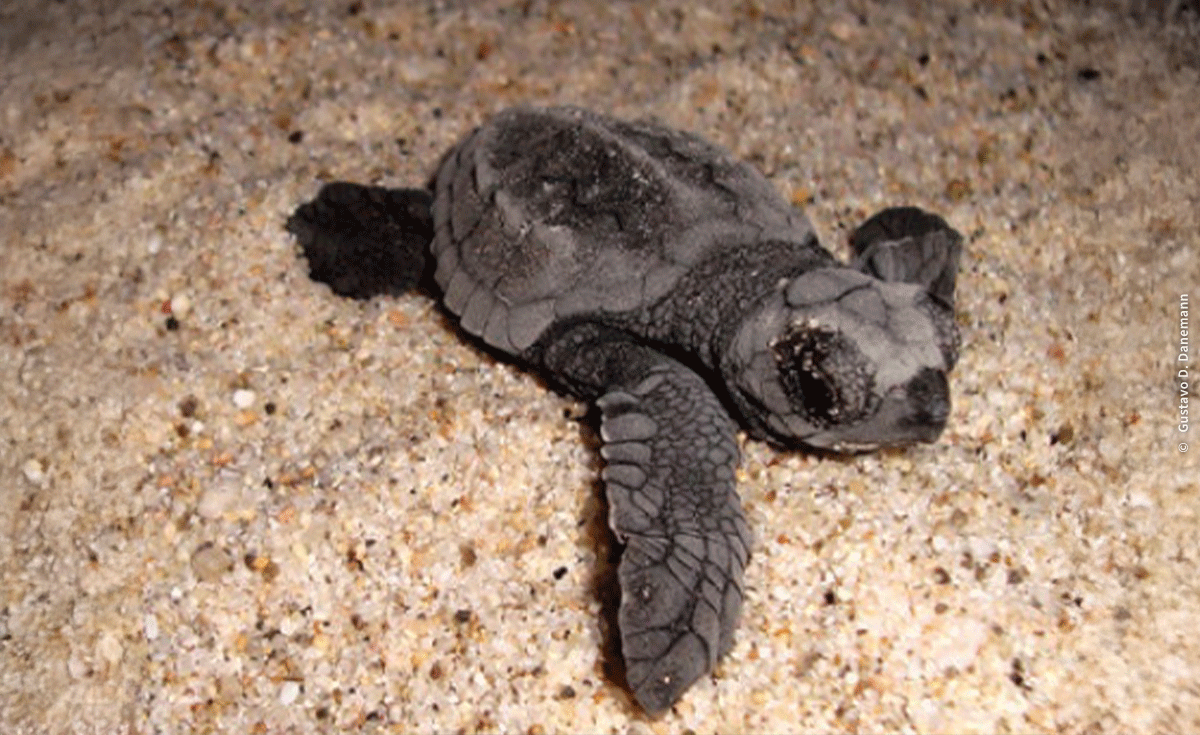
Through the sea turtle conservation program, in Pronatura Noroeste we know that out of seven species found around the world, three have been recorded nesting at Playa Ceuta, Sinaloa: the olive ridley turtle (Lepidochelys olivacea), the black sea turtle (Chelonia mydas agassizii) and the leatherback turtle (Dermochelys coriacea).
The most common of them is the olive ridley turtle, known for its dark olive green colored shell with five to nine lateral scutes. Every year, they return to Sinaloan coasts between June and December to fulfill their reproductive cycle. On average they can lay up to three times per season, laying around 100 eggs per nest.
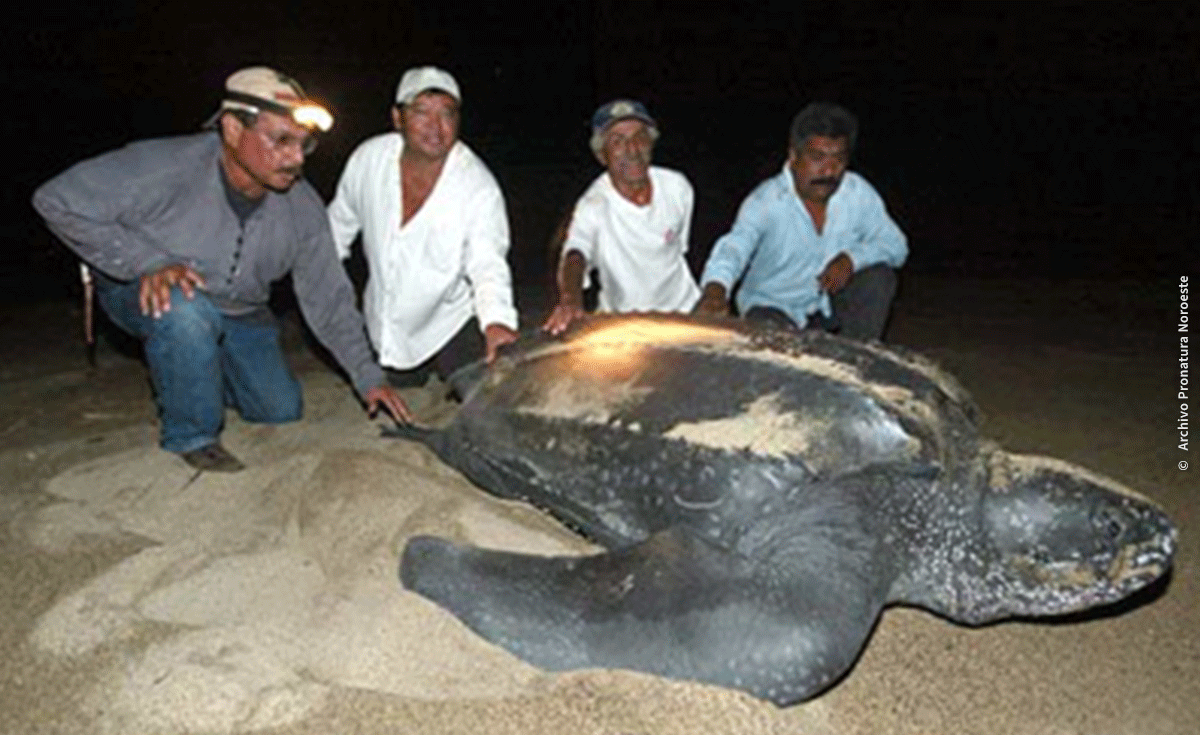
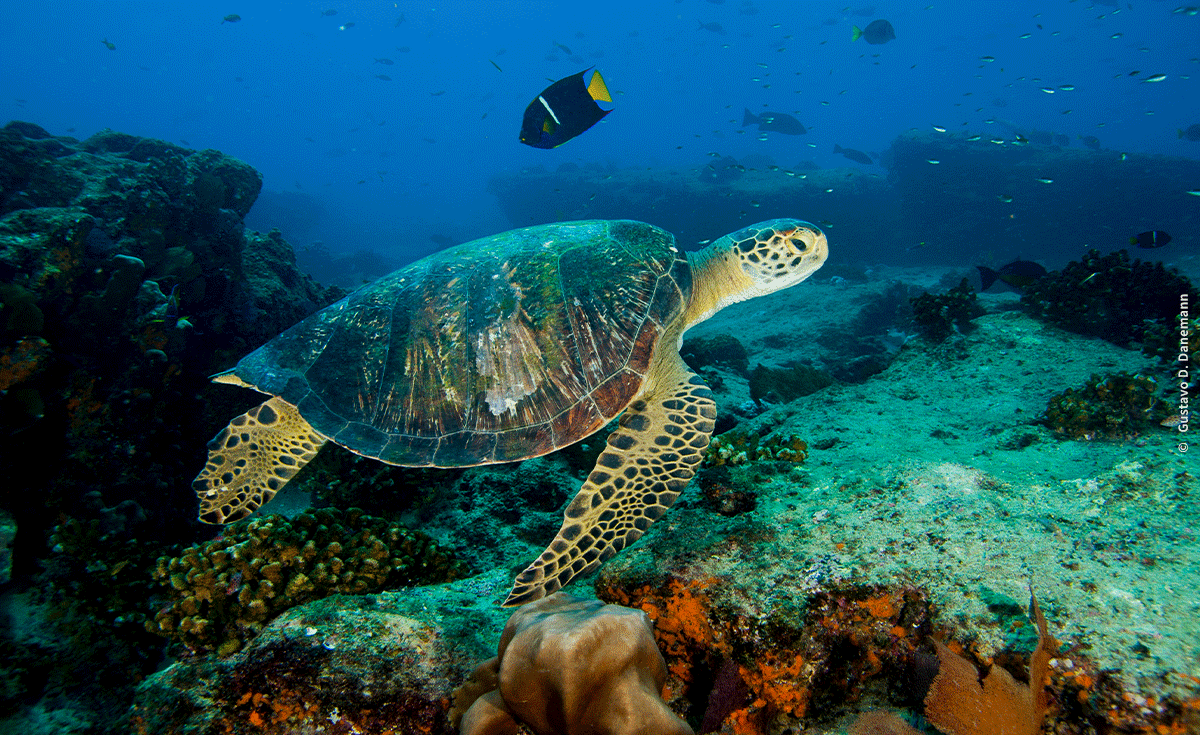
The black sea turtle -also known as the green sea turtle- is the second most sighted in Ceuta. On the other hand, the leatherback sea turtle, thought to be the largest worldwide, has been spotted occasionally, fascinating for both their size and peculiar black scutes and light spots on their shell. Along with olive ridleys, this species lives in the Pacific Ocean, returning only to nest on Sinaloa beaches.
Sea turtle importance in the Gulf of California
Sea turtles can be found in any ocean of the world, from temperate waters to warm and tropical zones. They are key species in marine ecosystems by keeping the food chain balanced, as well as acting as ocean health bioindicators.
During their juvenile stage, all sea turtle species mainly feed on jellyfish and plankton, which helps control their populations, therefore preventing ecosystem imbalance.
As they mature, their diet expands to seagrass, algae, crabs, sponges and sea cucumbers.
Their feeding behavior is directly linked to coral reef and underwater seagrass meadows health, vital areas for other species. Which is why sea turtles are known as great ocean health bioindicators.
What can we do to take care of the turtles?
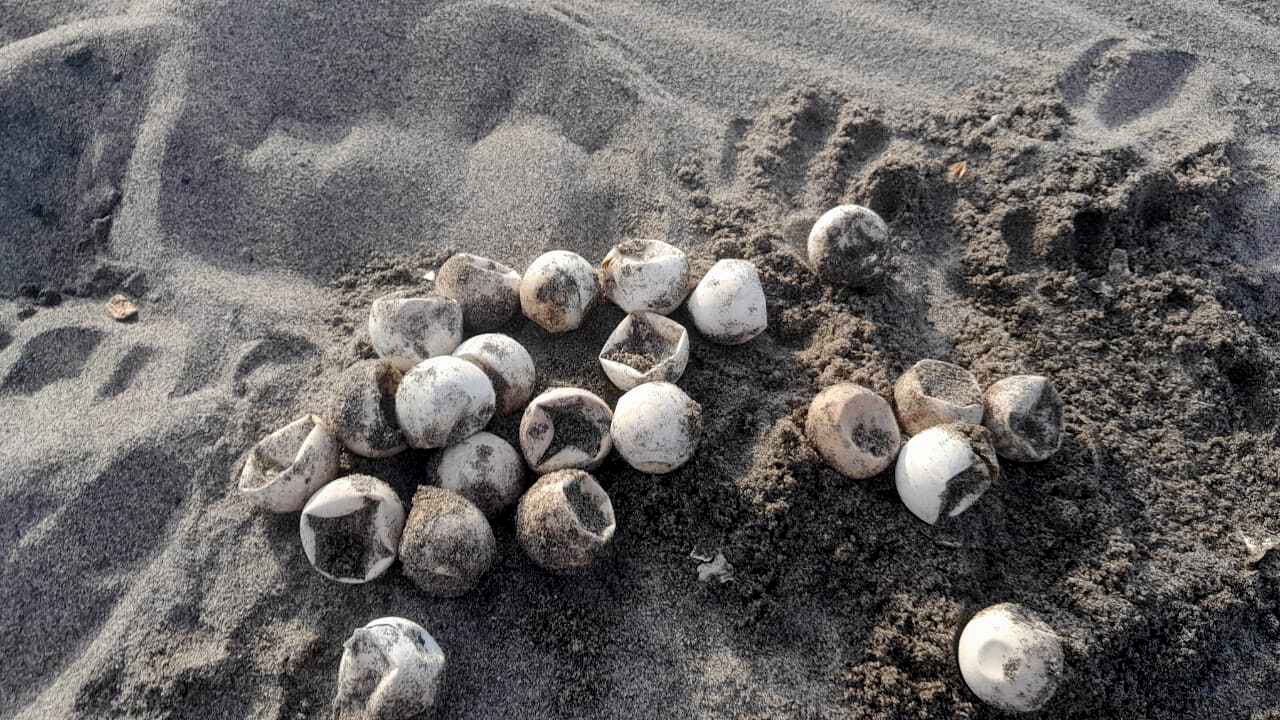
There are, on estimate, 600 nests recorded in Playa Ceuta each year, with 80 percent of eggs estimated to hatch and reach the ocean.
However, natural threats like raccoons and coyotes alongside human intervention, such as high levels of pollution, land depredation, invasive tourism, unauthorized driving of vehicles over nesting areas or the introduction of exotic species including cats, pose a constant risk.
Each season, volunteers and specialists from the Autonomous University of Sinaloa (UAS for their acronym in spanish), the National Commission of Natural Protected Areas (CONANP), the Elota City Council and Pronatura Noroeste work together by collecting nests to relocate them to the turtle camp. Where they are carefully placed in either containers or incubation pens, ensuring they hatch by reducing outside risks as much as possible.
While searching for nests, tractor-like tracks left behind in the sand by sea turtles help identify them. Afterwards, they are removed and kept safe up until hatching, when they are set free. We firmly believe respecting these sites is key to ensure the continuity of these species.
Playa Ceuta is not only the oldest turtle sanctuary in Sinaloa, but is also a research center focused on studying their behavior.
The invitation to locals and visitors is clear: protecting sea turtles isn’t only an environmental duty, but a commitment to the future of Sinaloa’s marine ecosystem.
Translated by: G. Rubio.
Reviewed and edited by: Mayela Navarrete.