

Every November 29, we celebrate International Jaguar Day—a reminder that this iconic feline is losing its habitat at an alarming rate. This day not only invites us to reflect; it is also an opportunity to share stories that show conservation is possible when partnerships are built with vision.
At Pronatura Noroeste (PNO), we know that protecting the jaguar is only possible through honest, long-term alliances that are deeply rooted in the territory. One example is La Papalota, a 368-hectare property in Santiago Ixcuintla, Nayarit, which has become a refuge for the jaguar (Panthera onca).
La Papalota is an exceptional site. It brings together mangroves, tropical dry forest, and thorn scrub—three ecosystems that rarely converge in the same place. Its ecological value led to its designation in 2008 as a Voluntarily Designated Conservation Area (ADVC). But what no one imagined at the beginning was that it would also become a key site for confirming the jaguar’s continuous presence in the region.
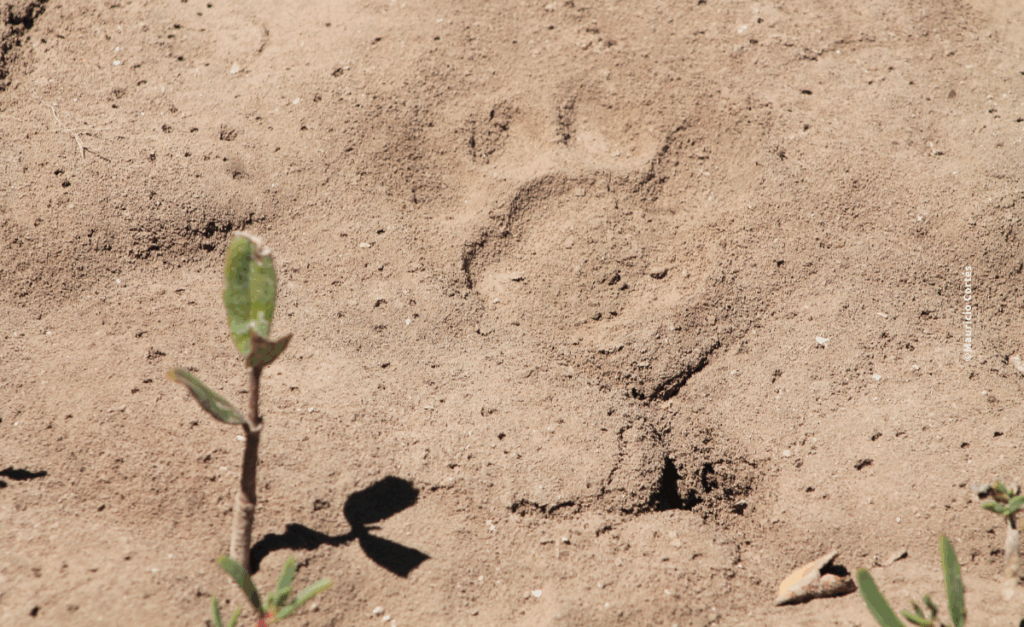
The first jaguar track
Ignacio Vallarta Chan, one of the property’s owner brothers and Vice President of Pronatura Noroeste Nayarit, vividly remembers the moment it all began. During a technical visit in 2009, a track in the mud changed the course of his story—and of conservation in Nayarit. It was a jaguar’s.
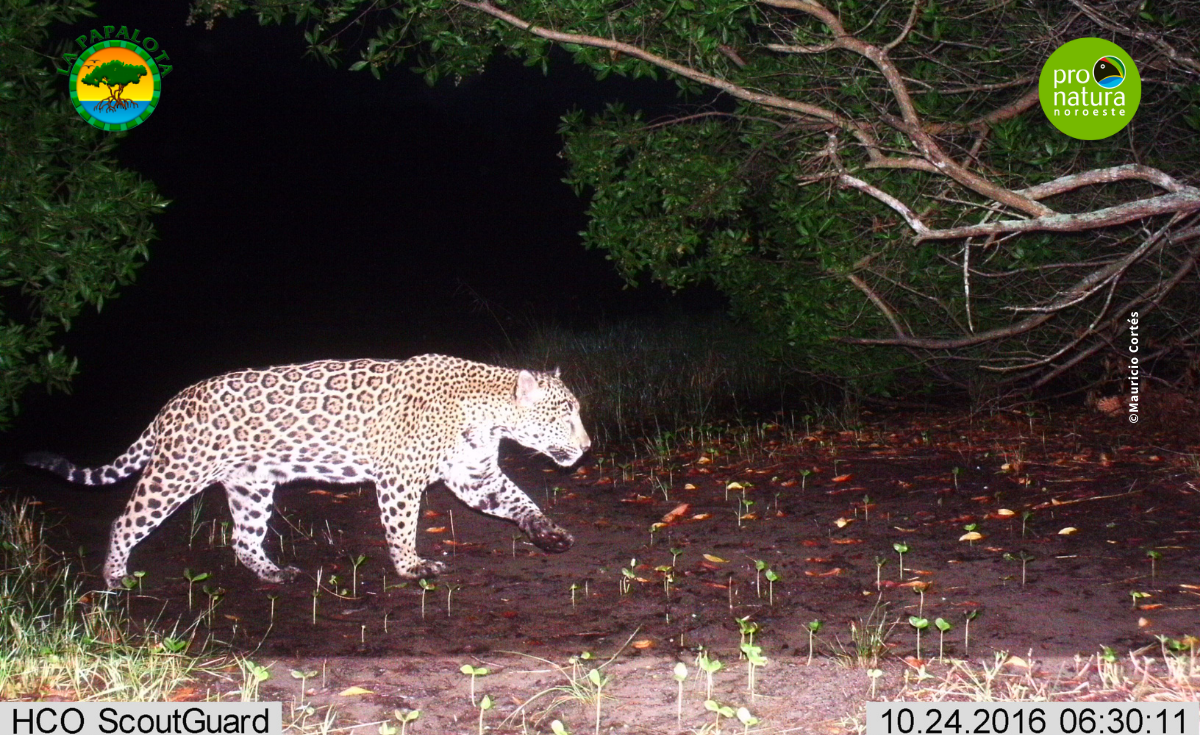
Years later, in 2013, the first photograph of a jaguar captured by CONANP camera traps confirmed what at the time seemed like only a suspicion: the feline was at La Papalota, moving silently through the mangroves.
“In 2015, we connected with Pronatura Noroeste. Mauricio (Cortés Hernández, PNO’s regional coordinator) invited me to join Pronatura’s Council. Miguel Ángel Cruz Nieto had some camera traps in Sinaloa that he was no longer using and said, ‘Hey Nacho, I’ve got some camera traps—why don’t we set them up there?’ We installed cameras through a verbal agreement between Pronatura Noroeste, UAN, CONANP, and La Papalota,” he explains.
From that moment on, a new chapter opened for conservation in the area. That same year, we recorded multiple individuals, which helped us understand that La Papalota was not just a stopover site, but an active part of the biological corridor connecting Sinaloa and Nayarit.
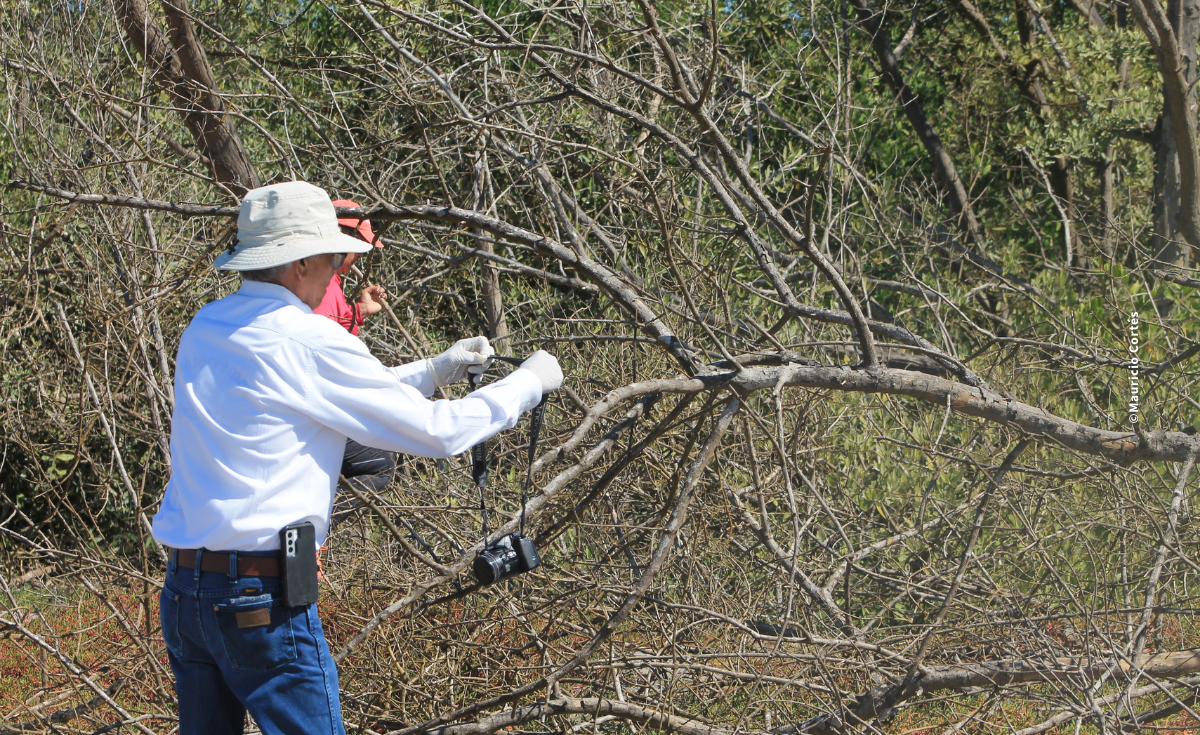
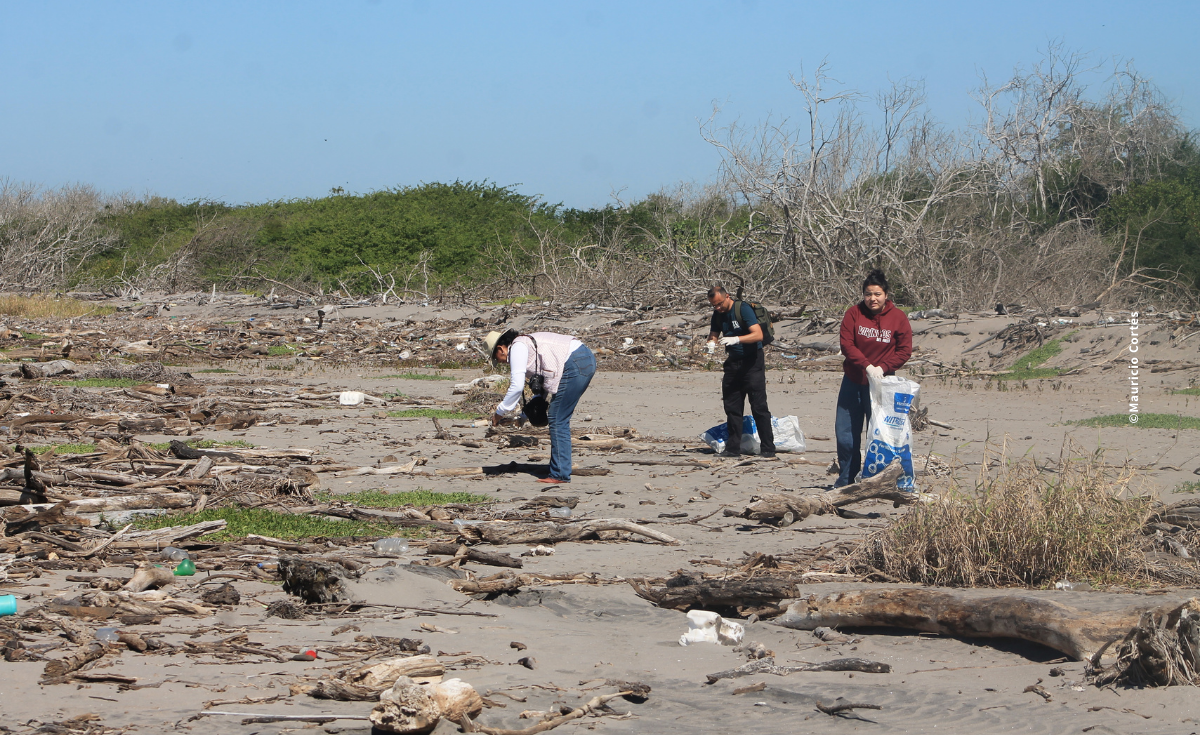
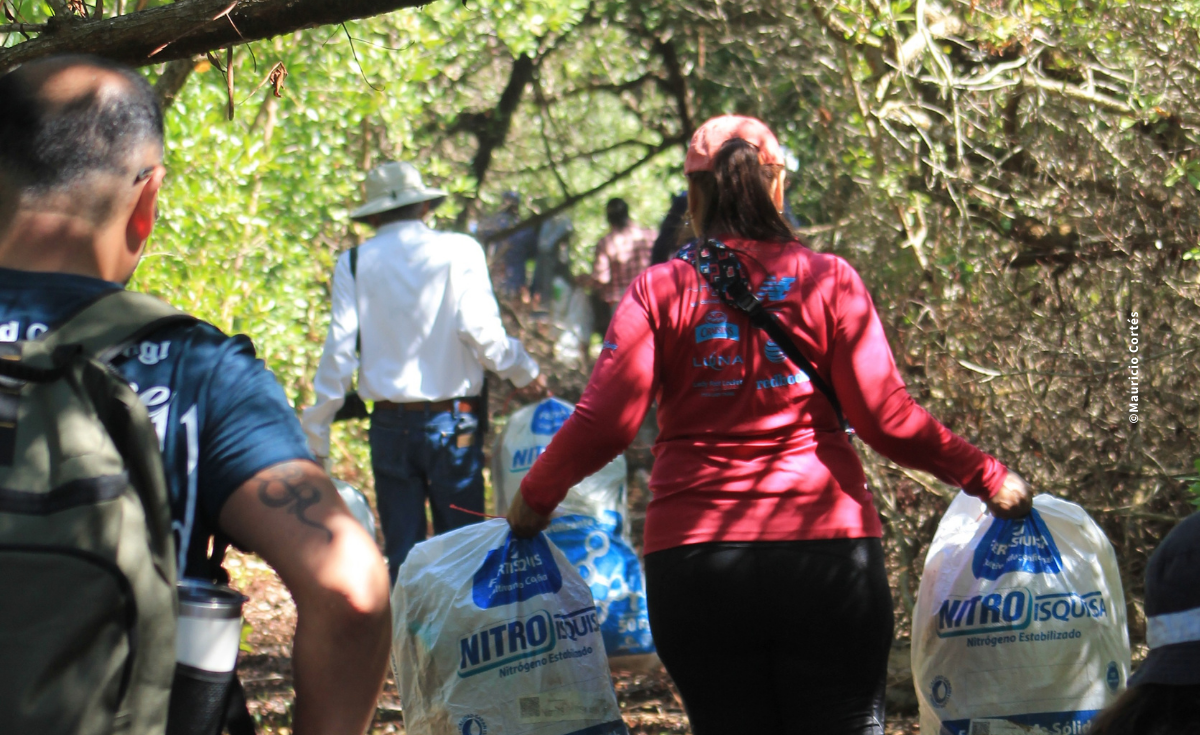
Although some institutional partnerships evolved over time, our collaboration with La Papalota grew stronger. We continued installing cameras, providing technical support, and designing coexistence strategies—including livestock insurance and preventive tools—as well as environmental education with neighboring communities.
All of this has allowed us to generate reliable information for decision-making and, above all, to maintain a constant presence in the territory.
A living refuge: what 10 years of monitoring reveal
Since 2015, we have recorded an average of four jaguars per year on a 368-hectare property. This figure is unusual, since in many regions the estimated average is one jaguar per 5,000 hectares.
“We believe these conditions exist because there is prey available, the Santiago River has water year-round, they feel comfortable, we don’t disturb them, and there are areas inside the mangroves that we have never entered—they’re their zone,” Vallarta Chan emphasizes.
According to CONANP, around 38% of the jaguar’s potential habitat in Mexico is protected, which makes places like La Papalota—functioning as biological corridors—strategic for ensuring connectivity and the population viability of this great feline.
Today we keep moving forward. Our team works alongside the Vallarta Chan family to strengthen a long-term project. The goal is to protect the coastal corridor and ensure the jaguar continues to have a home in Nayarit.
On this International Jaguar Day, we celebrate the work we carry out together with the Vallarta Chan family at La Papalota. Their decision to protect their land shows us that conservation becomes stronger when it is born from within the community.
We invite you to join us as a donor and be part of those protecting the jaguar’s future in northwestern Mexico. Together, we can ensure that this magnificent feline has a healthy habitat where it can continue to roam free.
Translated, reviewed, and edited by: Héctor Sánchez.