

From Samarkand, Uzbekistan, we’re bringing the voice of northwestern Mexico to global discussions on wildlife trade, with the message that international cooperation, effective enforcement, and community work are essential to saving the vaquita and protecting endangered species
Pronatura Noroeste’s participation in CITES COP20 represented an important step toward strengthening the defense of the vaquita porpoise and Mexico’s biodiversity in one of the most important international forums on conservation.
From Samarkand, Uzbekistan, we bring the experience of the northwest of the country to global discussions on wildlife trade, with the clear message that without international cooperation, effective law enforcement, and community involvement, it is not possible to guarantee the survival of the most endangered species.
CITES is a multilateral convention that continues to be a key tool for influencing public policy, strengthening country accountability, and aligning science with action.
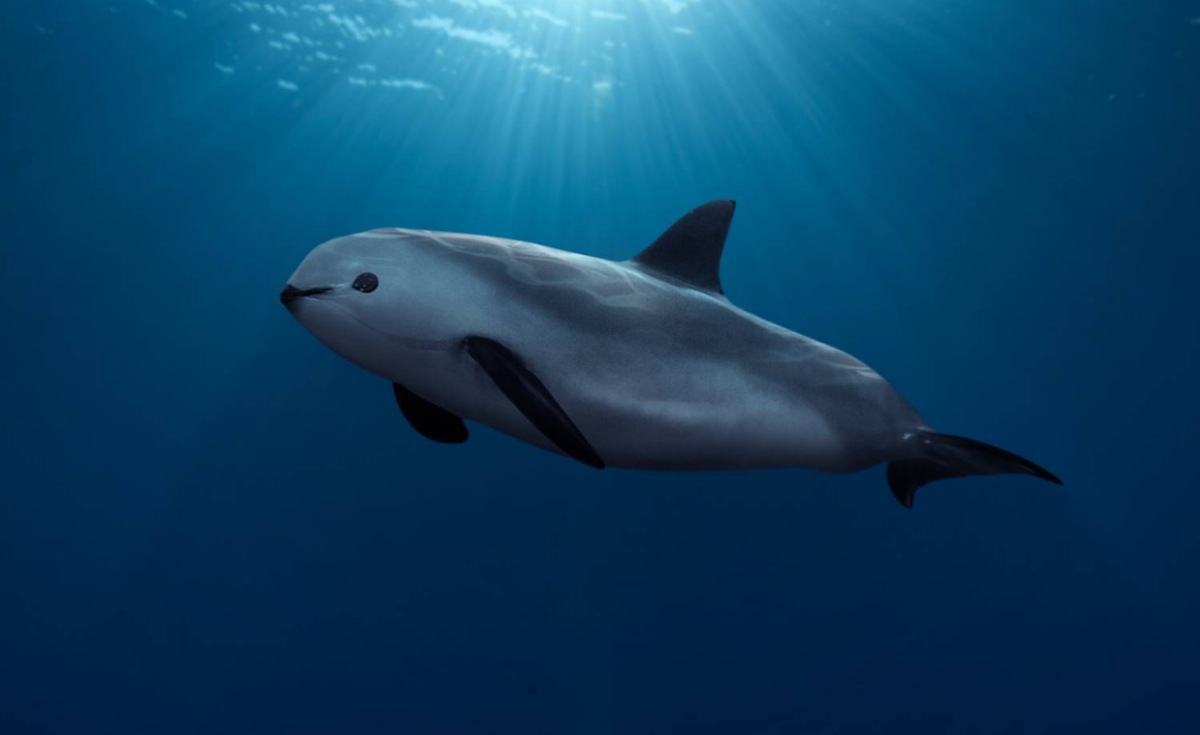
Being present at COP20 allowed us to advocate for the urgency of translating international agreements into concrete measures on the ground, particularly in critical regions such as the Upper Gulf of California, where the vaquita continues to face an extreme threat.
Vaquita and totoaba, a critical case on the global agenda
For northwestern Mexico, one of the central themes of COP20 was, once again, the case of the vaquita and totoaba illegal fishing.
Along with the Sea Shepherd Conservation Society, we issued a statement recognizing the Mexican government’s recent efforts to combat illegal totoaba fishing, advance vaquita conservation, engage local communities in productive alternatives, and implement an enforcement action plan. These actions represent an important foundation for the species’ recovery.
We also express our support for the preliminary decisions on totoaba included in COP20, and urge the modification of the agreement regulating fishing gear in the Upper Gulf of California published in 2020.
Commitments from the territory
At Pronatura Noroeste, we reaffirm our commitment to continue strengthening community monitoring, citizen science, and the development of alternative fishing gear that will enable the transition to sustainable fisheries with added value for the communities of the Upper Gulf of California.
Our experience confirms that the recovery of the vaquita and the protection of biodiversity do not depend on a single action, but rather on the combination of science, compliance, international cooperation, and sustained community work.
Science and communities, at the heart of conservation
During COP20, we observed significant progress in recognizing the role of indigenous peoples and local communities in conservation, an approach that is fully consistent with our work in the field.
“Many interesting things have happened. I am very pleased with the resolutions and recommendations concerning indigenous peoples and local communities,” said our Director of Conservation, Valeria Towns.
This approach is essential for the protection of jaguars, endangered birds, and marine ecosystems in northwestern Mexico, where conservation is only possible when it is built from within communities.
At the same time, we are closely following the debates on the trade in birds and songbirds, a growing problem that threatens biodiversity in different regions of the country and requires stricter regulations and international cooperation.
A clear message from CITES COP20
Our participation in COP20 reinforces our conviction that responsible regulation of international wildlife trade can make a difference when it translates into concrete actions on the ground.
From northwestern Mexico, we will continue to promote this agenda to ensure a possible future for the Vaquita, the jaguar, endangered birds, and the ecosystems that sustain the lives and livelihoods of communities.
We believe in responsible trade regulation
Our regional experience has shown us that trade regulation is key to protecting endangered species. As Valeria clearly summarized, CITES can be useful in preserving the world’s biodiversity.
CITES works by bringing together science, cooperation, and enforcement. This international framework helps us ensure that Mexico strengthens its legislation, acts on risks, and collaborates with other countries to curb wildlife trafficking.
From northwest of Mexico, we will continue to promote this agenda to ensure that species such as the vaquita, the jaguar, and endangered birds have a future, allowing our country to advance in conservation efforts.
Translated, reviewed, and edited by: Itzel Romero.