

At Pronatura Noroeste, we celebrate World Environment Day by recognizing nature’s silent work. From the food we eat to the air we breathe, ecosystem services are the invisible bond that links the planet’s health to our well-being.
On June 5th, World Environment Day, we want to highlight northwestern Mexico’s
ecosystem services that provide for social, economic and cultural development for
the region’s inhabitants.
What Are Ecosystem Services and Why Are They Important?
According to the FAO (Food and Agriculture Organization of the United Nations),
ecosystem services are the benefits provided by ecosystems to sustain life on Earth. They are classified into four types:
Provisioning Services
These provide essential material resources such as water, medicine and raw
materials.
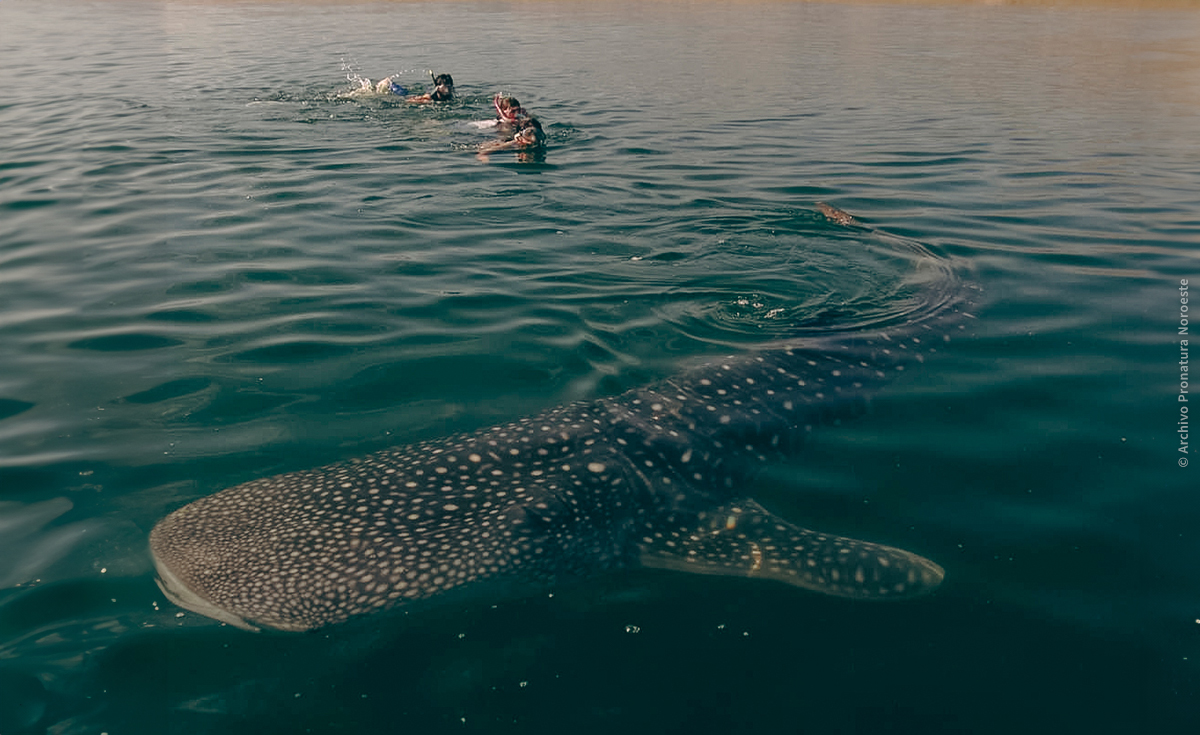
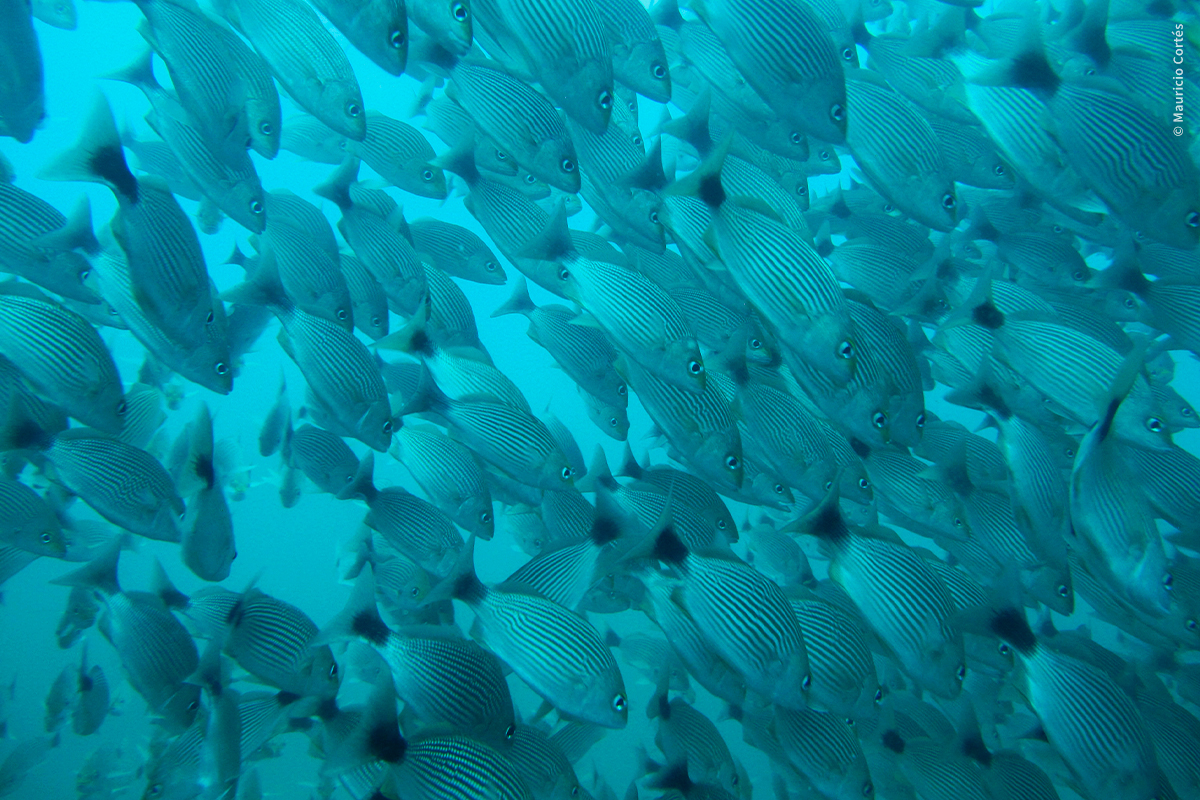
Local examples include forest resources in Durango and Sinaloa, and marine species from the Gulf of California—recognized internationally for their quality.
Regulating Services
These include climate and air quality regulation, carbon capture, moderation of
natural phenomena, wastewater treatment, and soil conservation.
Coral reefs, for instance, sequester carbon and host great biodiversity.
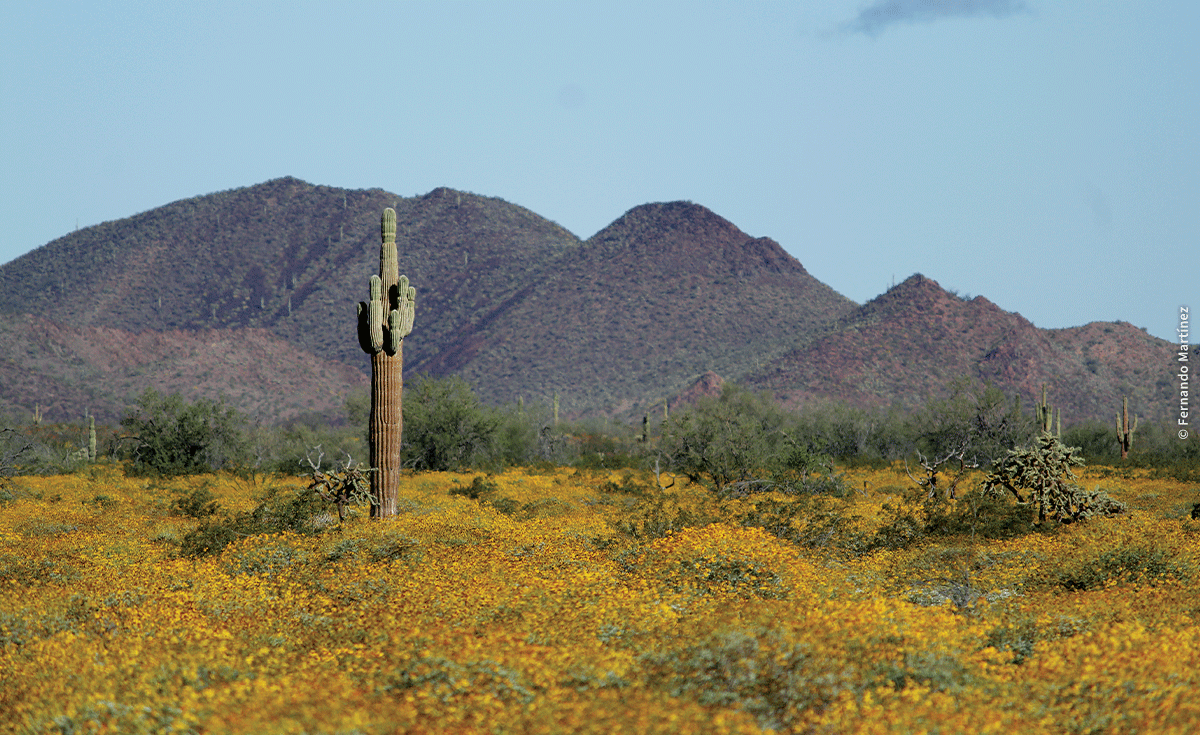
Cactus forests in Sonora, Sinaloa, and Baja California protect soils and provide
refuge for various species.
Supporting Services
According to the FAO, supporting services enable the conservation of diverse plant
and animal species.
They are the fundamental ecological processes that allow ecosystems to function
and sustain all other services.
This service is evident in the diverse landscapes of northwestern Mexico, home to
vital habitats for threatened and endangered species such as the pronghorn, vaquita,
jaguar, and golden eagle.
Cultural Services
These intangible services offer cultural identity, aesthetic inspiration, and
experiences of connection and spirituality.
To identify them easily, it is necessary to know the history of the regions and their
communities, such as the Cucapá culture, which revolves around the Colorado
River, or the worldviews of the Yaqui, Mayo, and Yoreme peoples, which integrate
water, air, mountains and earth as guardian spirits and givers of life.
At Pronatura Noroeste we recognize the importance of each of the region’s
ecosystem services, which is why we look back at some of the conservation,
restoration and territorial strengthening projects we’ve carried out.
Nayarit and the Isabel Island Coral Reefs
The corals in Isabel Island, Nayarit, are essential to a balanced marine ecosystem.
They boost fishing, promote nature tourism, and sequester carbon, as well as host
great biodiversity.
Moreover, they boost fishing (provision), promote nature tourism (cultural), carbon
capture (regulation), and host great biodiversity (support).
These coral reefs host up to 25 percent of the world’s marine species by providing
them shelter. And their role as natural barriers keeps coasts protected from storms
and erosion.
Here at Pronatura Noroeste, we strive for restoration and conservation. By
December 2024, we had already placed more than 1,100 corals in nursery beds and
domes, achieving a 92 percent survival rate.
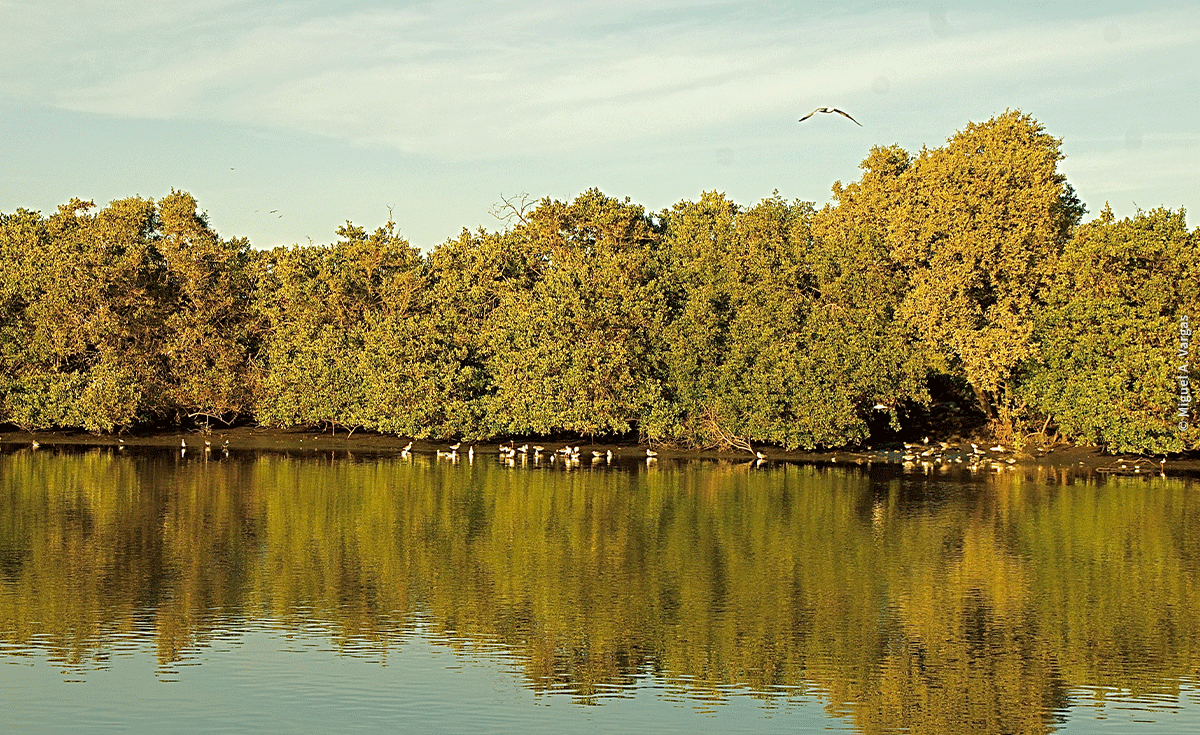
The Marismas Nacionales Mangroves
The Marismas Nacionales Biosphere Reserve in Nayarit and part of Sinaloa is home
to a fifth of Mexico’s mangroves, which help guarantee fishery resources and protect
coasts in the region.
These ecosystems provide regulating services, such as coastal protection against
storms and sea level rise, provisioning services, as seen from fish farming and
aquaculture, supporting services, by maintaining habitats for migratory birds and wild cats, and cultural services regarding identity and livelihood for fishing communities.
The Marismas Nacionales protect wetlands that shelter around 100,000 aquatic
birds, and species such as jaguars, ocelots, and margays. Furthermore they sustain
important fisheries like bass, sea bass, and snapper, which boost the economy and
provide ecosystemic regulation and provisioning services.
Our work in the Marismas Nacionales includes analyzing environmental flows in
watersheds that feed into wetlands (16,533 km²). Back in 2015, we collaborated by
removing 5,000 m³ of mud to desilt 2,500 meters of canals in Tecuala, Nayarit. This
way we restored around 400 hectares of mangroves.
Sinaloa and Watersheds
Sinaloa is home to 11 rivers and 56 watersheds that are essential for freshwater
retention. These represent a provisioning service, and are linked to hydrological
regulation, support of habitats that feed ecosystems, to seas, better fisheries, and
drinking water for cities and communities.
Integrated watershed management ensures clean water, protects habitats, and
sustains productive activities. A good example is the Río Baluarte watershed south of
Sinaloa, whose water comes from the upper region of Durango, in the Pueblo Nuevo
municipality.
This water is retained in the watersheds and feeds the Marismas Nacionales in
Nayarit through the forests. If the watersheds are polluted or degraded, the whole
ecosystem suffers, affecting not only wildlife but also fishing productivity and human
well-being. The impact is felt simultaneously in multiple ecosystem services: water
quality, species habitat, fishing, and relationships between communities and their
surroundings.
In 2012 we signed a 30-year conservation easement with Ejido Pueblo Nuevo for
conservation projects, such as bird monitoring throughout 100,000 hectares. Thanks
to mutual aid and support, an environmental agenda was created, preserving 40
hectares of forests that are elemental for biodiversity.
Sonora and the Desert
When we think of deserts, the mind often conjures up images of harsh and
inhospitable places, but these landscapes hold important ecological treasures.
In Sonora, we find El Pinacate and the Gran Desierto de Altar, home to over 540
species of mammals, 200 bird species, and 40 species of reptiles, amphibians, and
freshwater fish. These ecosystems shelter threatened and endangered species such
as the pronghorn, bighorn sheep, and the golden eagle.
Sonora is a state that concentrates the largest active field of dunes in North America,
which act as natural barriers against coastal storms.
At Pronatura Noroeste, we collaborate on various conservation projects, including
the protection of marine species like the red knot and the grunion. We also
participate in the monitoring and research of migratory birds, including the American oystercatcher, and have joined forces with civil organizations to develop the Green Corridor of the Sonora River.
Baja California and a Transboundary River
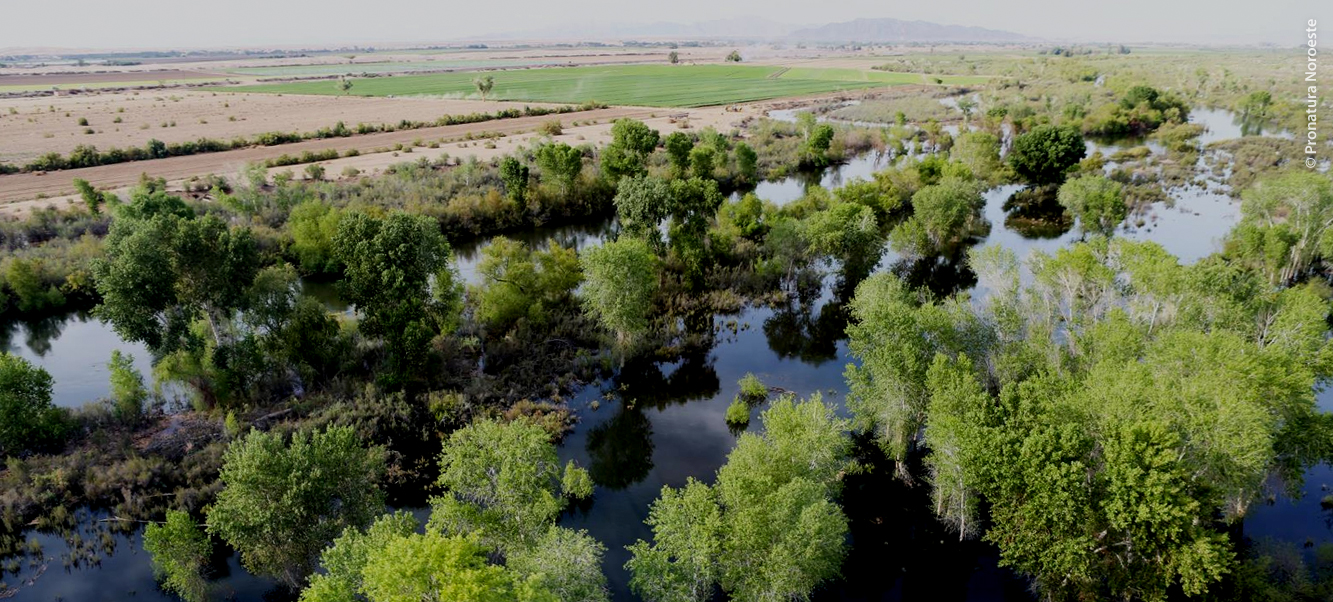
The Colorado River supplies water to around 40 million people and irrigates 2 million hectares of farmland in the Mexican states of Baja California and Sonora, as well as seven U.S. states.
For Baja California, the Colorado River is vital to sustaining cities such as Mexicali,
providing water for the agricultural valley and serving as a hydrological lifeline for the region’s population.
The Colorado River is not only a source of water, but also a cultural landmark for the
Comcáac people, whose way of life is closely tied to natural resources and their
unique worldview.
A decade ago, we began working with various organizations in a binational effort.
Since then, we have restored the Colorado River basin by planting over 100,000
trees and recovering the Cucapá artificial wetland, which spans 25 hectares. This
work has been carried out in partnership with the Cucapá community.
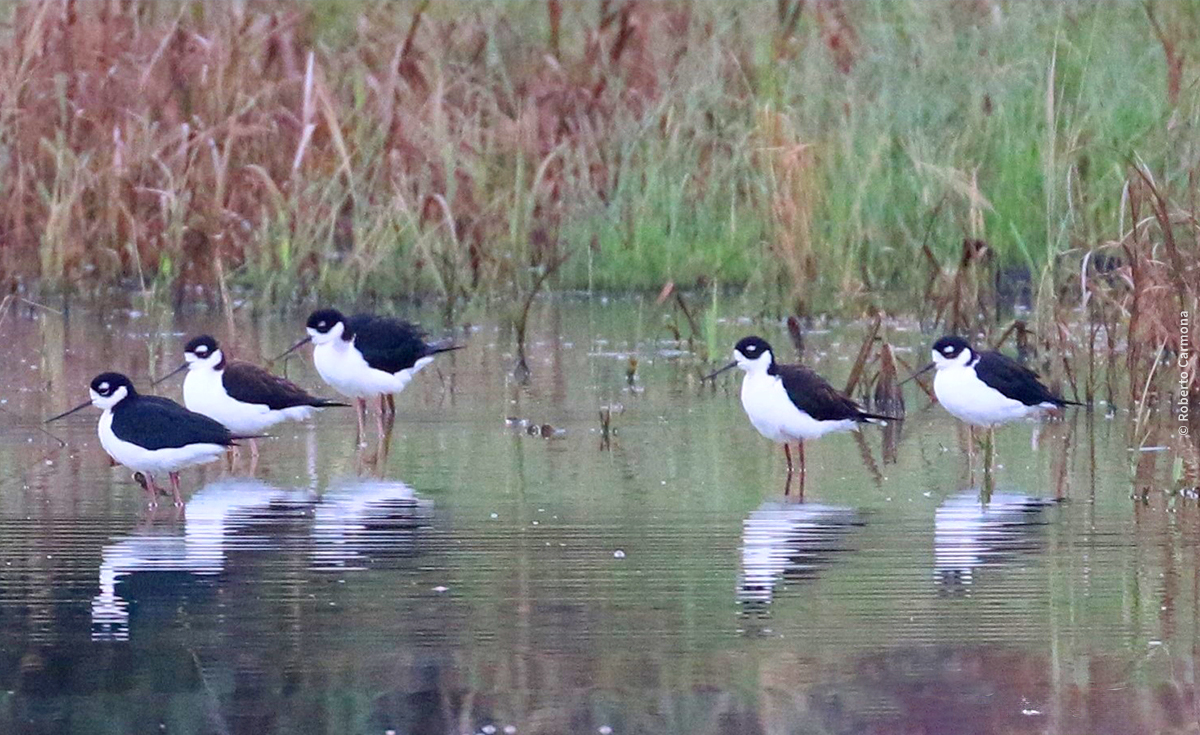
Baja California Sur and an Oasis for Birds
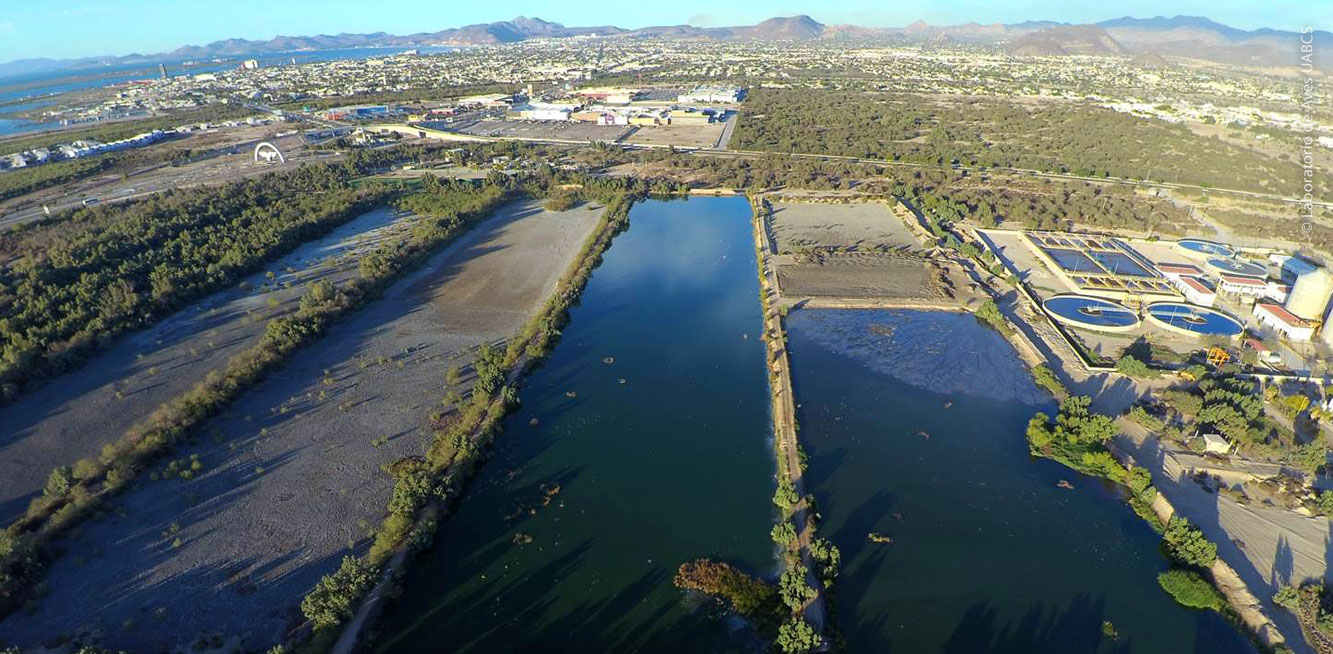
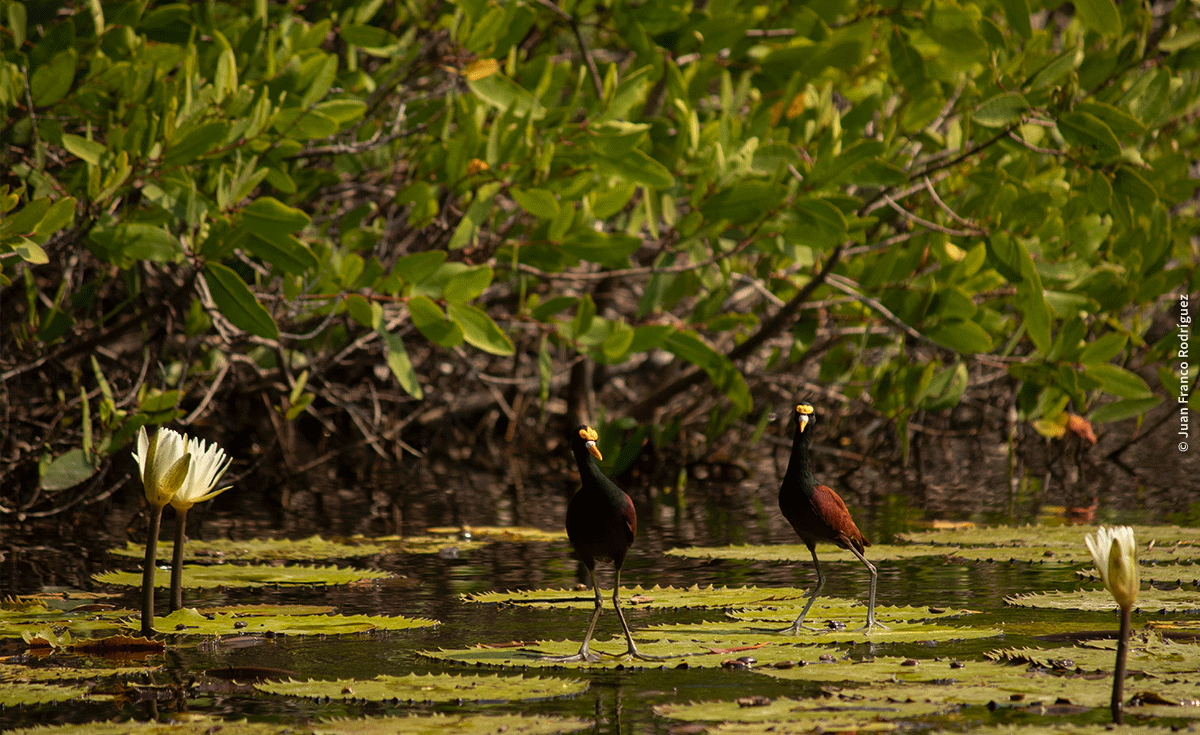
In 1995, an unexpected discovery shifted perspectives on the Oxidation Lagoons of
La Paz: a freshwater oasis in the heart of the desert turned into a sanctuary for
hundreds of bird species.
Researchers from the Bird Laboratory documented more than 120 species, marking
a milestone in urban conservation. These artificial lagoons, originally created to treat
wastewater, became a key habitat for migratory birds, revealing the vast ecological
potential of human-designed spaces.
The abandonment of the original water treatment system severely impacted the
ecosystem. Most of the lagoons dried up, and their ecological value was lost along
with them.
Nevertheless, through the Eco Parque de la Juventud project, promoted by
Pronatura Noroeste in partnership with the Bird Laboratory at UABCS, the CIPACTLI Forest Restoration Agency, the Wastewater Treatment Plant (PTAR), and the Coastal Solutions Program since 2021, the restoration of this refuge has been made a possibility again.
Restoring the Oxidation Lagoons as a natural space represents a second chance not
only for biodiversity, but also for the local community.
At Pronatura Noroeste, we work every day to conserve the services that make our
lives and future possible. This World Environment Day, we invite you to recognize,
value, and protect them.
Translated by: G. Rubio, Mayela Navarrete and Airam Norzagaray.
Reviewed and edited by: César Egüez.