

Science also happens in the field, in the classroom and in dialogue with communities. Learn about the story of our collaborators Paola and Samantha
At Pronatura Noroeste, we know that science is not only built-in white coats and laboratories; it also happens on beaches, in estuaries, communities and classrooms, whenever someone observes closely, asks questions, and chooses to share knowledge to protect our ecosystems and their biodiversity.
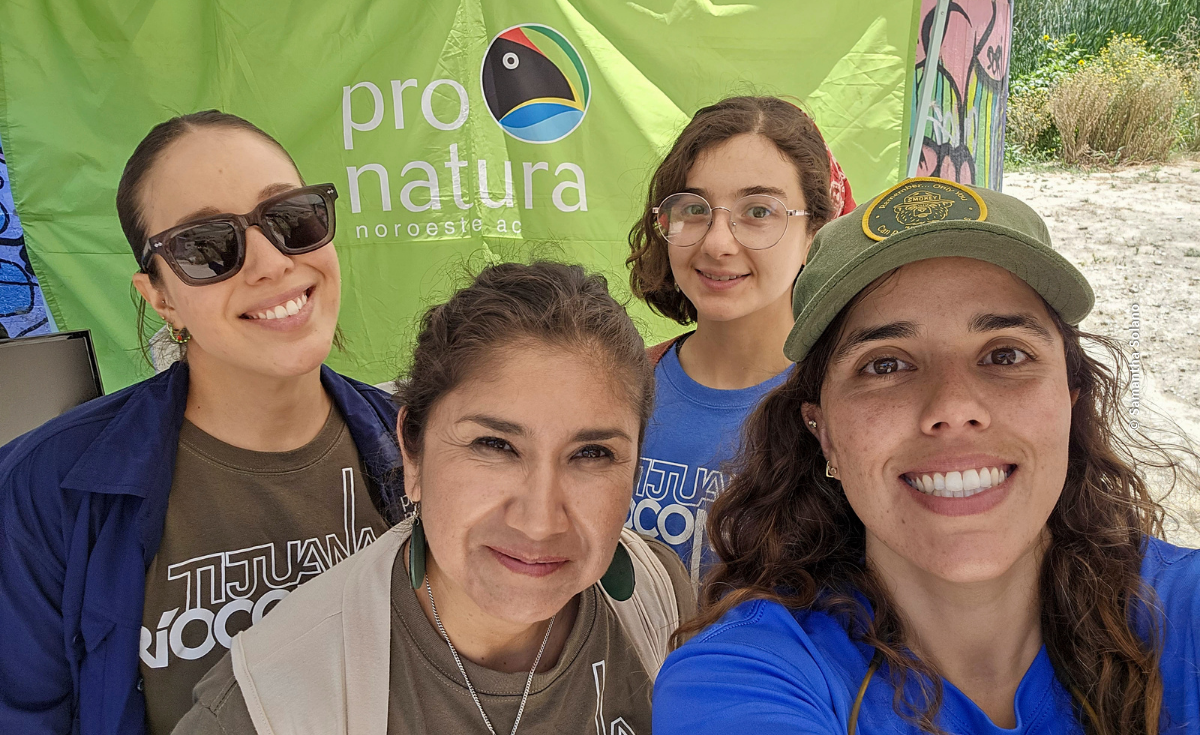
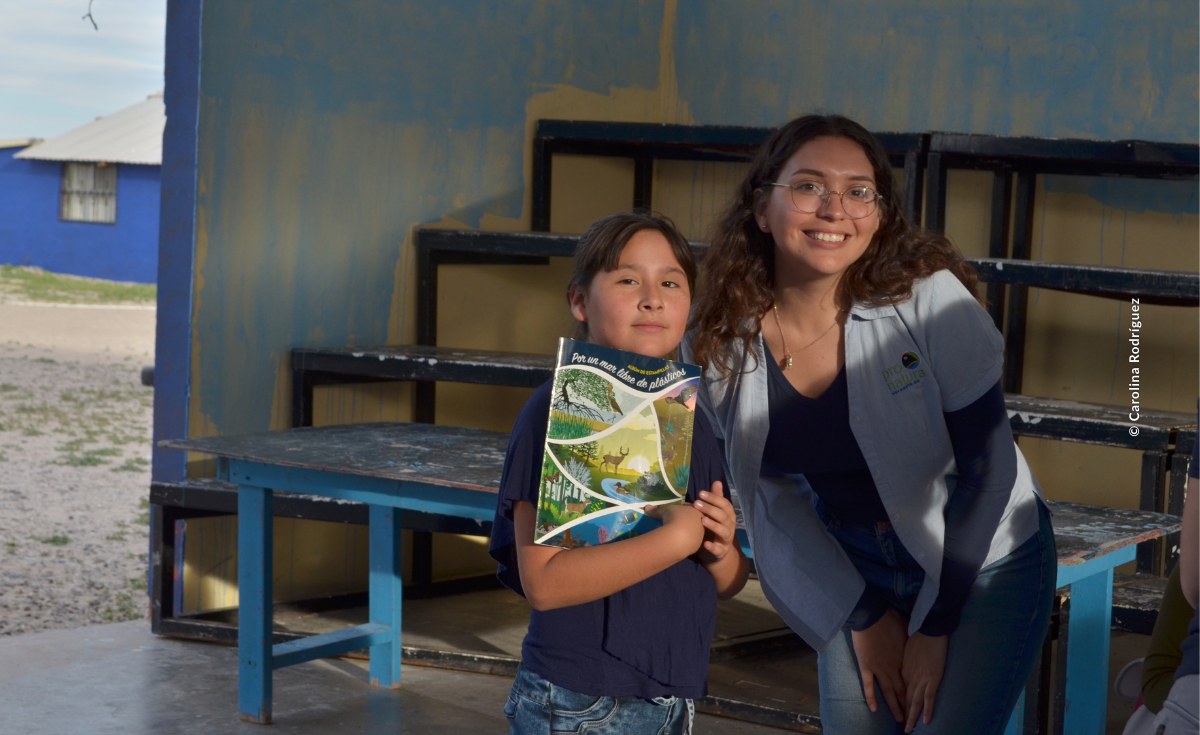
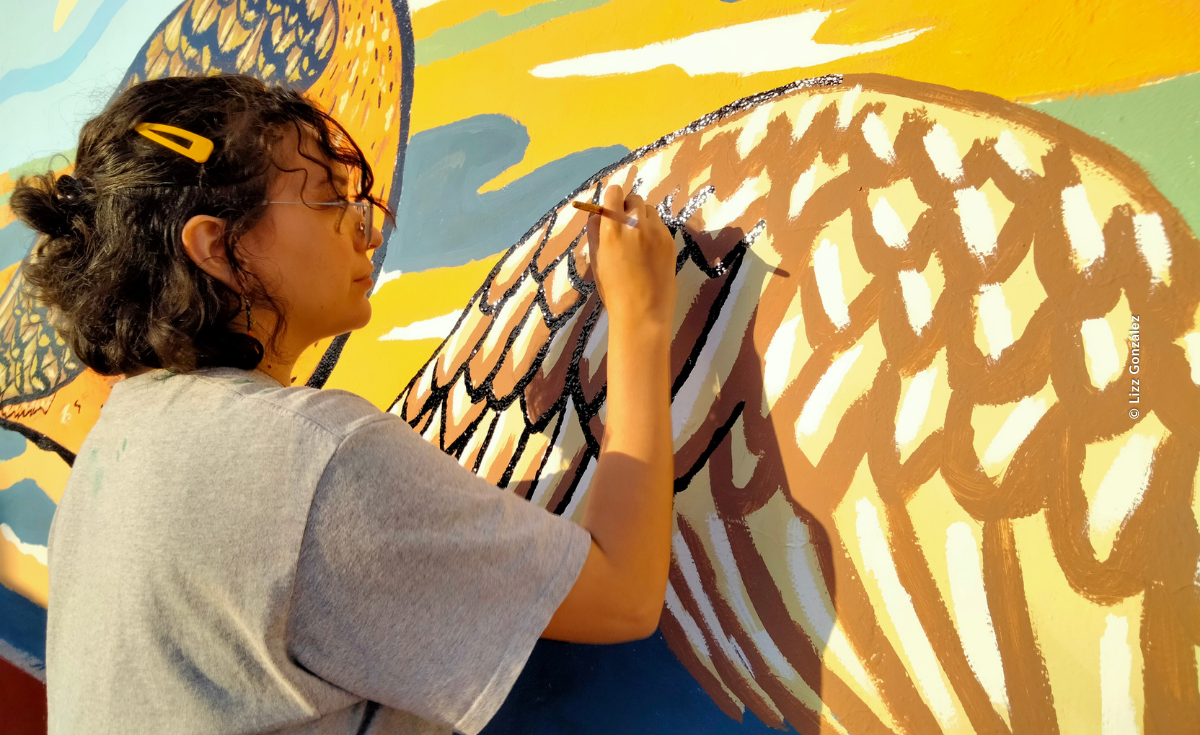
Within the framework of the International Day of Women and Girls in Science, this February 11, we share the stories of Samantha Soleno Montes and Paola Murrieta, members of our Environmental Education team, coordinated by Lizz Gonzalez Moreno at Pronatura Noroeste.
The United Nations highlights that, globally, data show that although more women are accessing higher education, only 35% of science graduates are women, and just 31.1% of those dedicated to scientific research are female. In emerging fields such as artificial intelligence, women participation is even lower. But Samantha and Paola are proof that science is also carried out through environmental education on beaches, in classrooms and in communities.
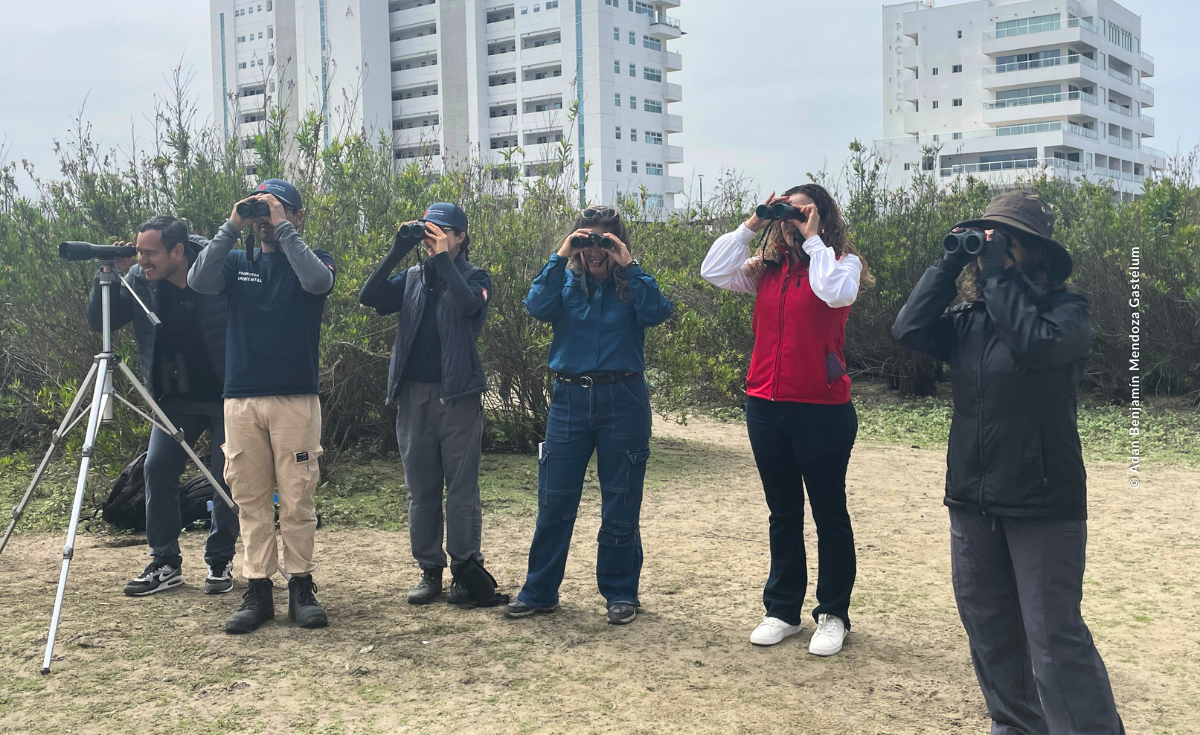
Observe to understand and protect
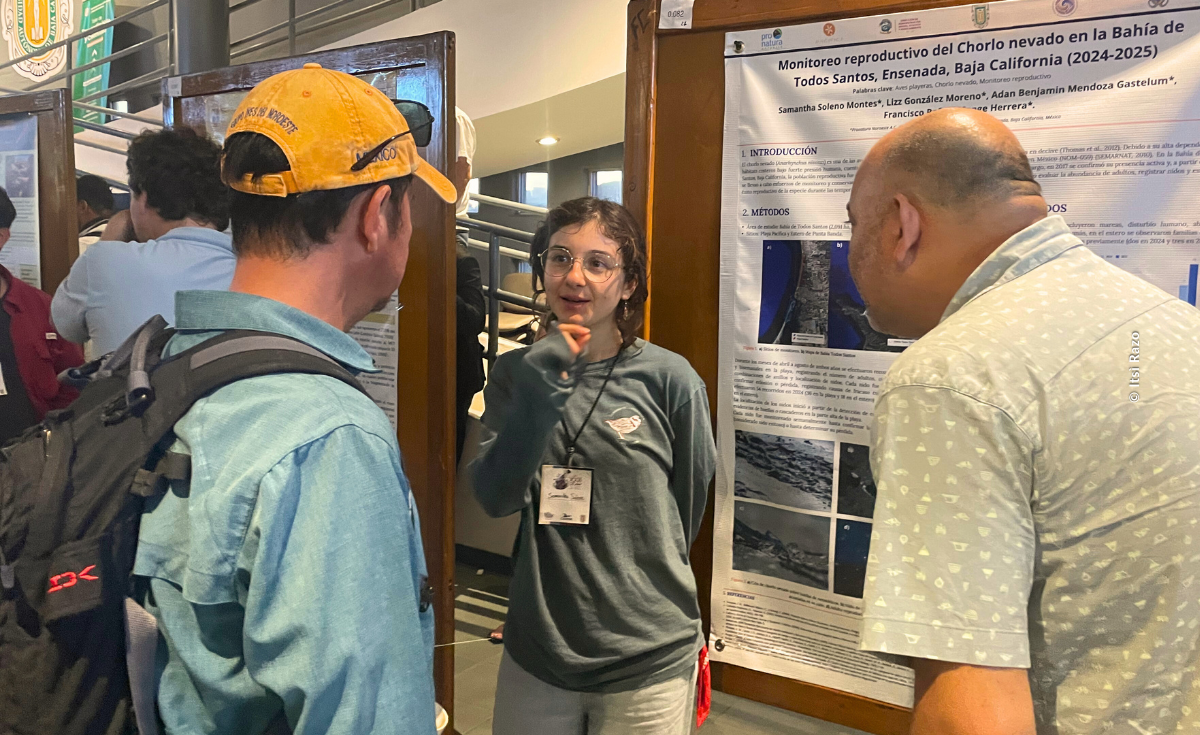
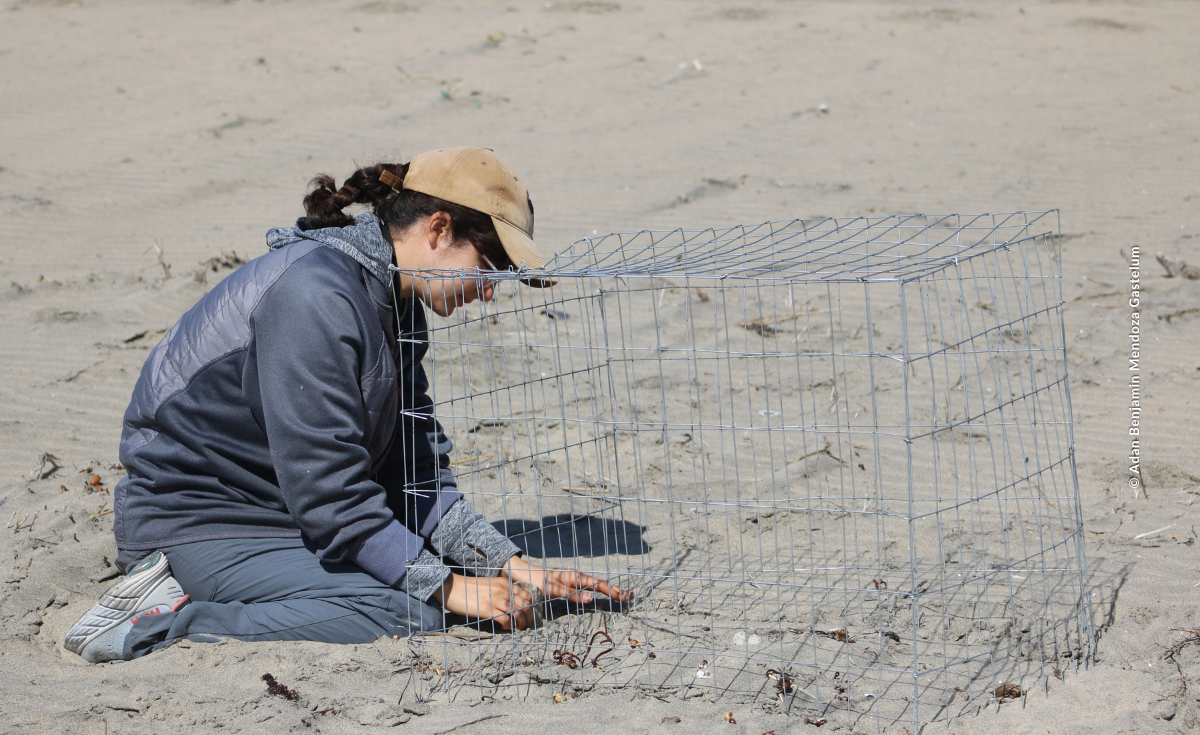
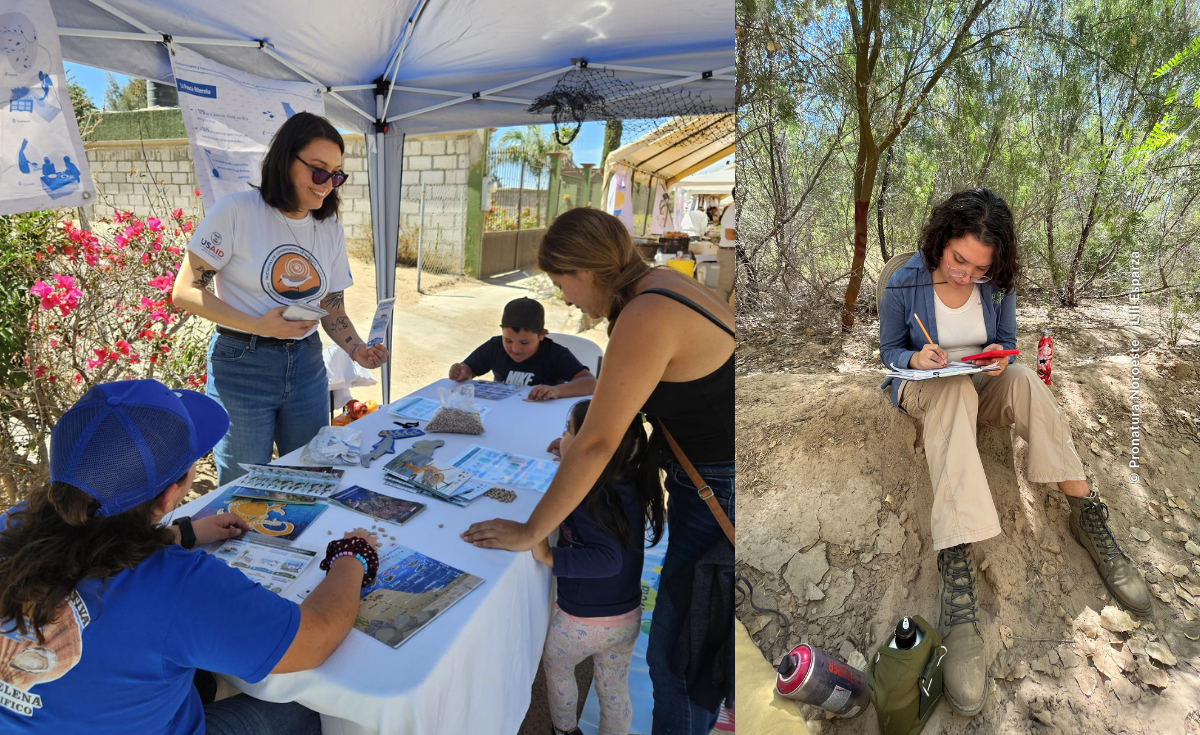
Samantha, a biologist from the Universidad Autonoma de Baja California and originally from Tijuana, began as our volunteer in 2023. Today, she works as a field technician and participates in shorebird monitoring, such as that of the Chorlo nevado in addition to leading environmental education campaigns in schools and public spaces.
“Part of what science is about is observing your surroundings and behavior in detail, that’s something I’ve really taken from this experience: that you have to be mindful of noticing the small details” she explained.
Tracking the behavior of small and fragile birds in heavily trafficked areas reveals just how delicate ecosystems are. One memory left a particular mark on her while she was
participating in a snowy plover monitoring effort on the beaches of Ensenada: taking
advantage of its camouflage with the stand, a chick hid, but ended up right between the tire tracks left by a vehicle.
“That was a moment when you can truly see how vulnerable these animals are, and it really highlights the importance of raising awareness and establishing guidelines so that people become more conscious of the actions that should be avoided or regulated within these environments”, she emphasized.
Translate science so that it makes sense
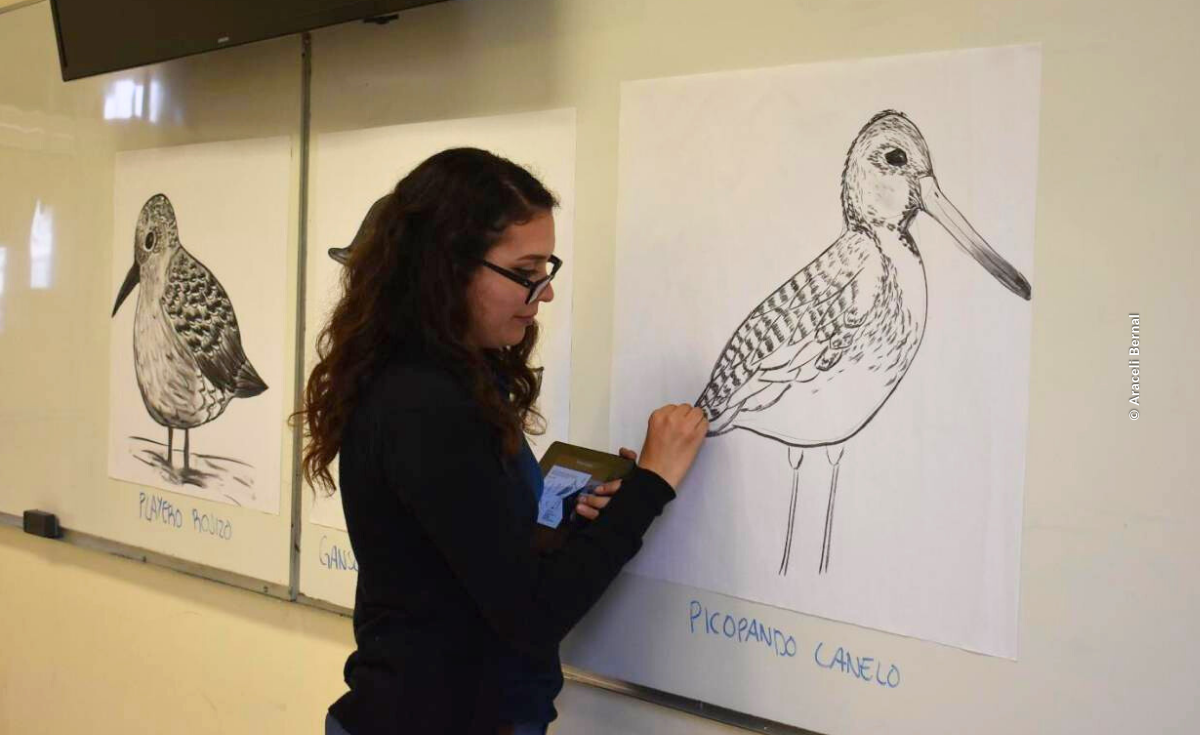
Paola Murrieta, who holds a degree in Environmental Sciences from the Universidad
Autonoma de Baja California, joined Pronatura Noroeste as an intern in 2017. Today, she serves as a Thematic Specialist in Environmental Education and has found her calling as a bridge between scientific information and people. Her interest began in childhood, when she heard that a species of tiger could become extinct within just a few decades. That mix of awe and sadness led her to pursue a career that would integrate both the natural and social sciences.
“If I truly want to have an impact on people, because environmental problems are, for the most part, caused by human actions. I want to do something that focuses on helping nature, but also in helping society. That's where I found Environmental Sciences, which is this combination of more exact sciences, like biology and chemistry, together with social sciences” she explained.
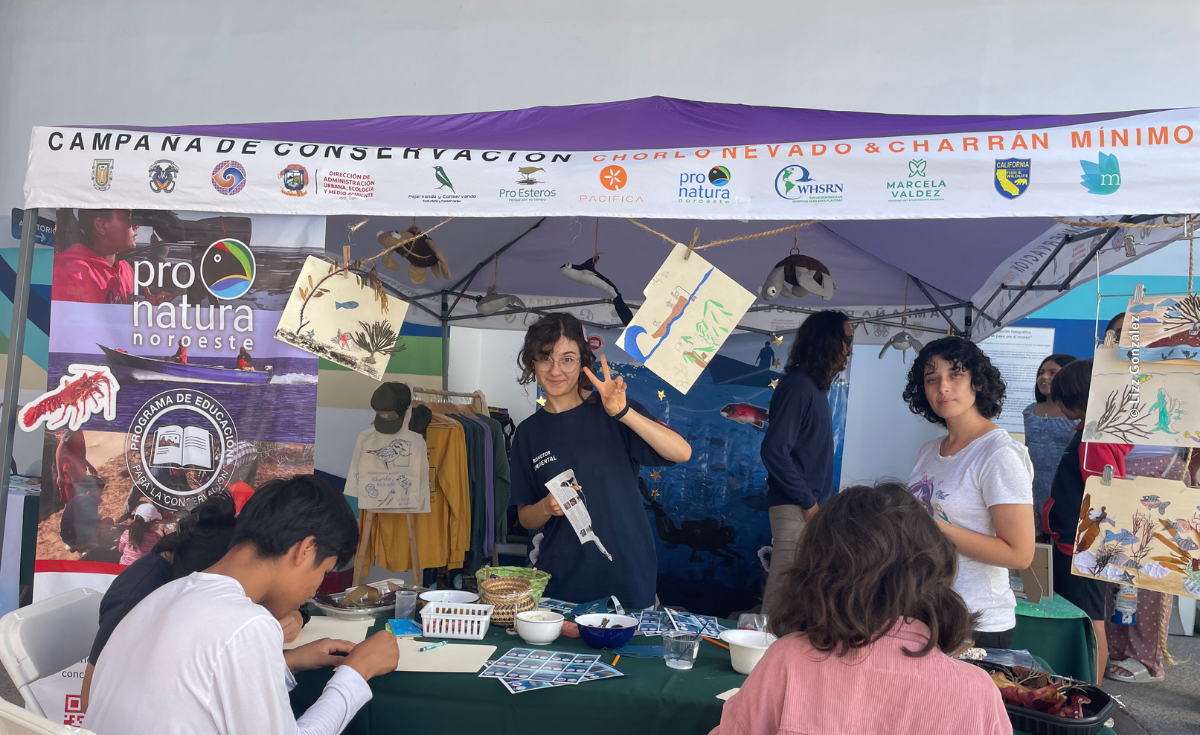
In her work she designs teaching materials, supports communities and translates technical information to adapt it to diverse audiences. “Maybe I’m not conducting research myself, but through developing educational and outreach materials, I have to work with scientific information. I really enjoy taking on the role of bridge between highly technical information from researchers and the communities we are
trying to communicate the message to” she said.
Science with human impact
Although not all science takes place in academic settings, its value is just as profound. Through observation, education, and communication. Samantha Solenos and Paola Murrieta practice science, sparks curiosity in those who listen to them, and help build collective awareness.
On this International Day of Women and girls in science, join us in fostering scientific vocations with social and environmental impact. Share these stories, support our work and help more girls and young women discover in science a way to care for our present and future.
Translated by: Perla Mendoza.
Reviewed and edited by: Daleth Aguilar & Héctor Sánchez.