

From late March through August, we are reinforcing monitoring efforts in Ensenada to protect nests and encourage community involvement in the conservation of this threatened species.
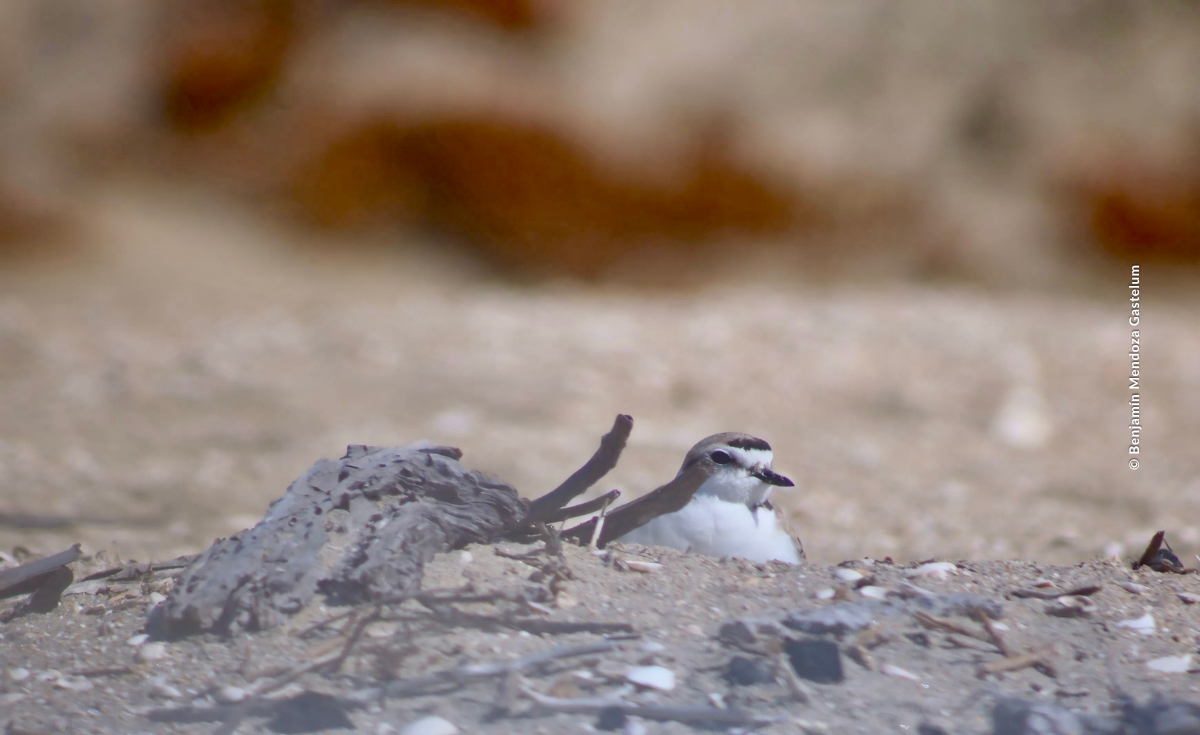
The 2026 nesting season for the snowy plover has officially begun along the beaches of Ensenada. Through our field monitors and volunteers, we at Pronatura Noroeste are doubling efforts to protect their nests and raise awareness about the importance of conserving the habitat of this species, which faces multiple threats during its breeding season.
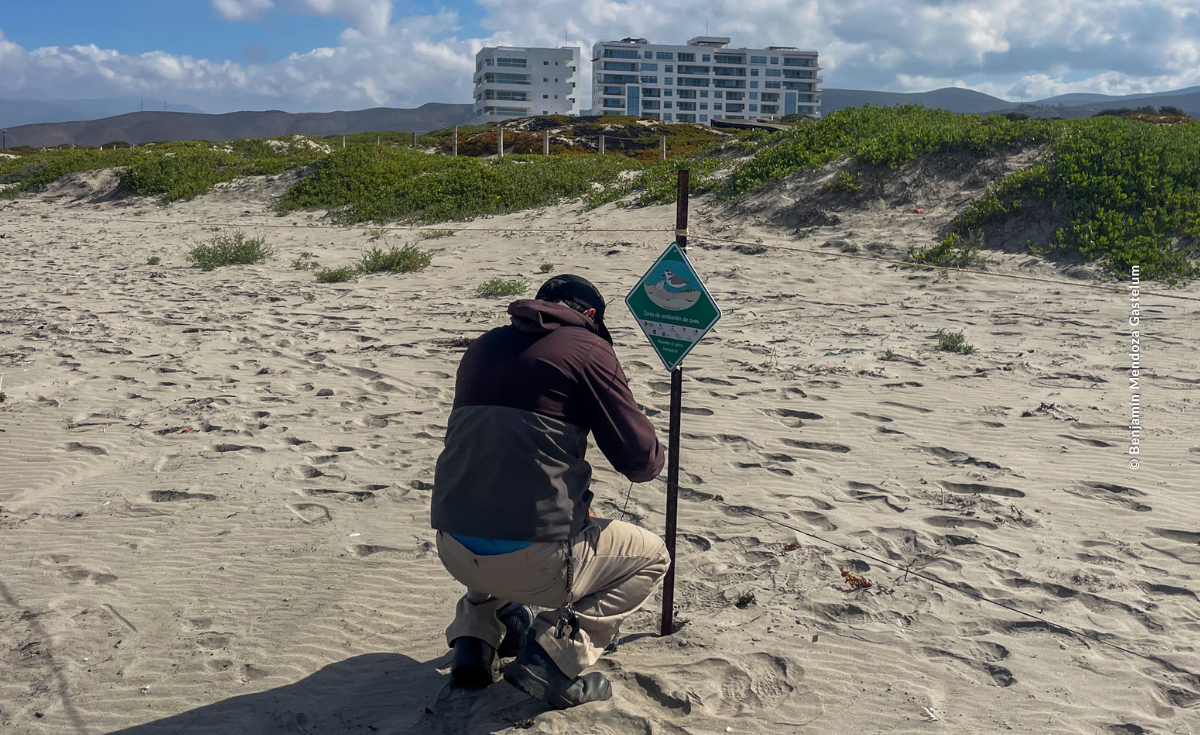
From late March through mid-August, the team conducts regular on-foot surveys at Playa Pacífica(including Playa Militares, Pacífica and Conalep), as well as the Punta Banda estuary to locate, document, and monitor nests that are highly vulnerable due to their natural characteristics, as they are built at ground level, barely visible on the sand.
“Throughout the breeding season, we carry out constant monitoring to observe the plovers, identify breeding pairs, and locate their nests. From there, we continue tracking each nest to better understand its development,” explained Francisco Rafael Monje Herrera,environmental steward and field monitor in Ensenada.
Monitoring and Volunteer Efforts That Make a Difference
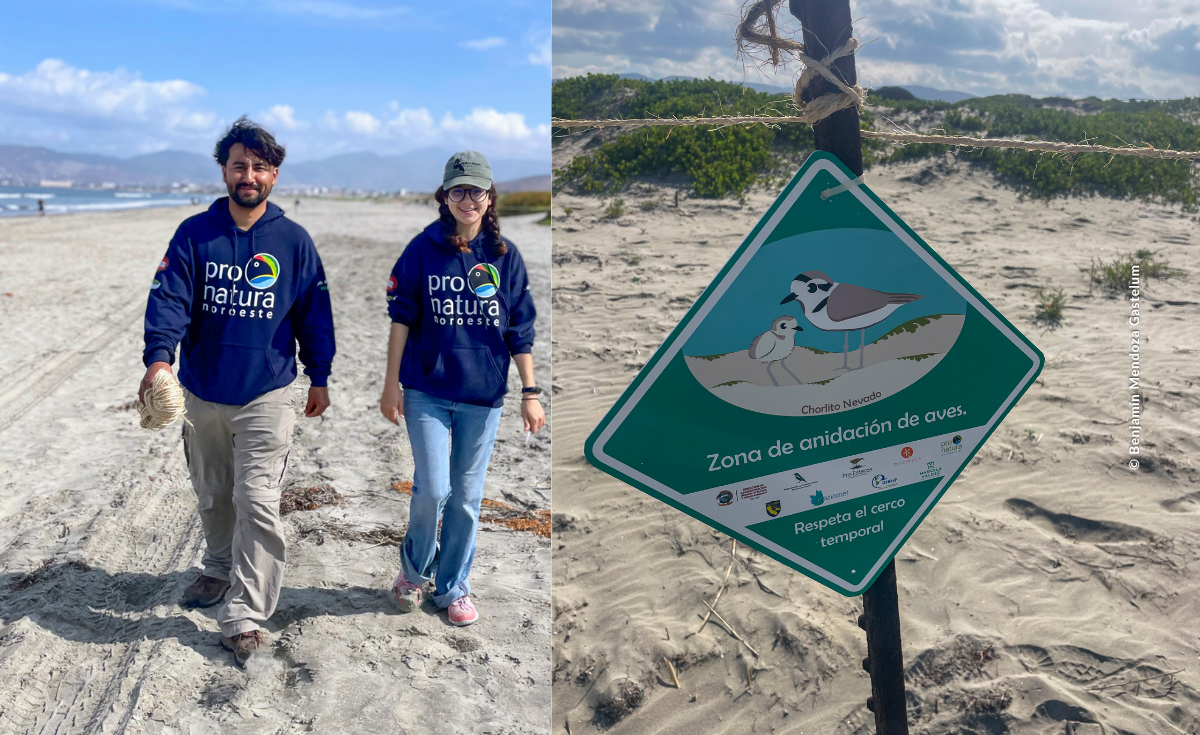
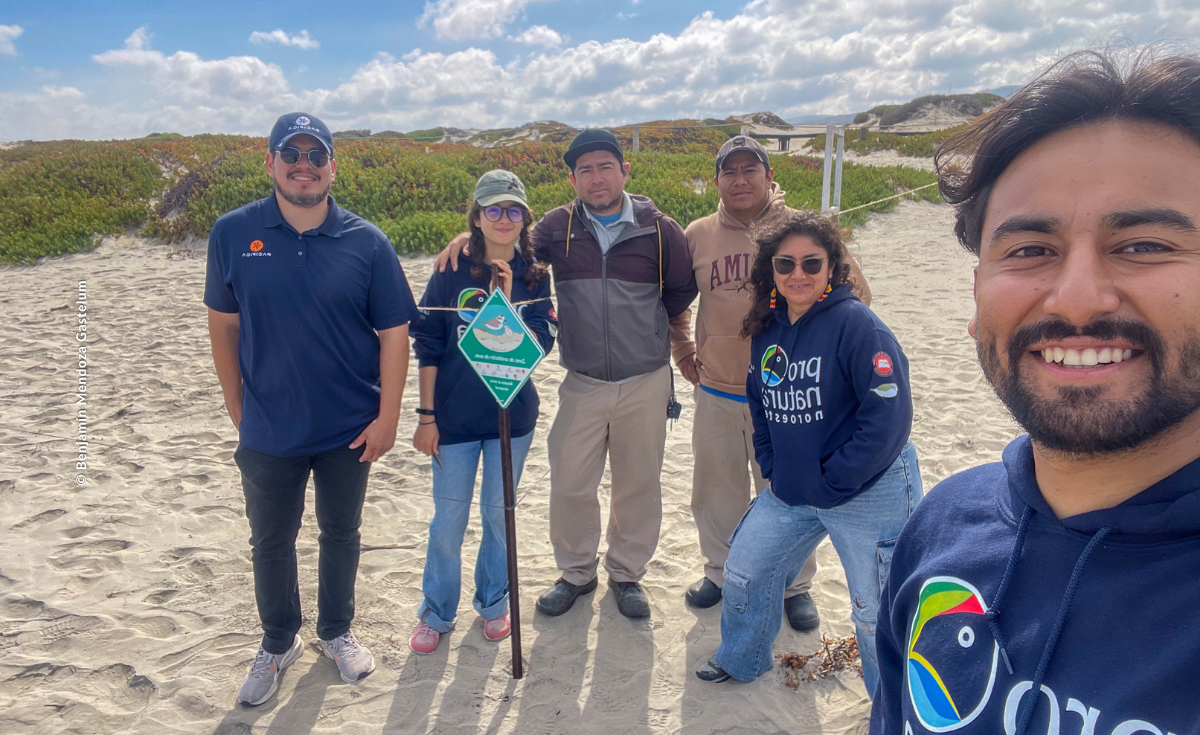
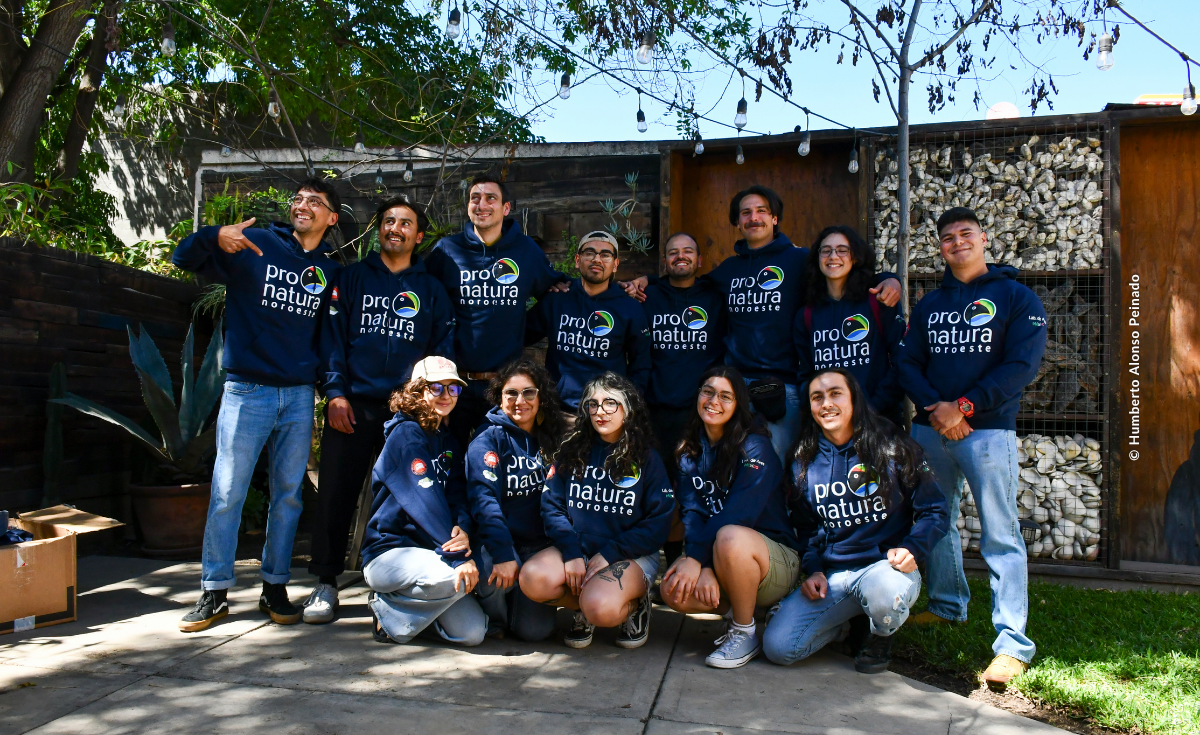
Fieldwork is carried out by a core team of three people, supported by volunteers who strengthen every monitoring effort. Together, they have maintained continuous monitoring since 2023, allowing the organization to better understand the species´behavior and population trends.
Pronnatura Noroeste extends its gratitude to every volunteer who contributes time, commitment, and energy to the snowy plover conservation effort. Each person brings valuable knowledge, experiences, and skills that enrich a project built through collaboration and diverse perspectives.
This work is also made possible thanks to the support of partner organization and allies committed to conservation, including Pacífica at Bay, Pajareando y Conservando, Ecología del ayuntamiento de Ensenada, Pro Esteros, and Humedales Costeros. The organization also recognizes the valuable support of Manfred Hermsen Stiftung, whose contribution continues to support this monitoring season.
In recent years alone, between 80 and 90 individuals have been recorded towards the end of the season on beaches such as Conalep, on the region’s key concentration sites for the species.
Beyond field monitoring, outreach booths are organized at beaches, schools, and community spaces to help people connect with the snowy plover and learn more about its conservation. The response has been encouraging, as more visitors are recognizing the species and adapting simple actions to help avoid disturbing habitat.
“Many people visiting the beaches had no idea that snowy plover lives here. Once we tell them about the species and show them photos of the bird, they quickly become fascinated by it. The snowy plover is a very charismatic species. It’s beautiful, and that’s usually what captures people’s attention first,” Monje Herrera shared.
A Threatened Species That Needs Collective Action
According to Mexico’s NOM-059 environmental protection standard, the snowy plover is classified as a threatened species in the country. Among the main risks it faces are habitat loss, increasing numbers of visitors on nesting beaches, unleashed pets, and pollution affecting coastal habitat.
Despite these changes, expectations for the 2026 season remain positive. Continued monitoring efforts, combined with growing public awareness, increasing the possibility that more nests will successfully hatch this year.
Protecting the snowy plover isa shared responsibility. Simple actions such as walking near the shoreline, avoiding dune areas, keeping pets on leash, and not leaving trash behind can make a meaningful difference between the survival or loss of a nest, emphasized the field monitor.
For this charismatic shorebird to continue returning to our beaches, its nesting areas must be respected and protected. Share this information and become an ally of a species fighting to survive.
Translated by: Grecia Martínez
Reviewed and edited by: Oddary Tacuba