

Following our participation in an international workshop convened by Birds Canada, we are promoting community inclusion and regional cooperation as essential drivers to transform scientific information into conservation actions.
Conservation technology advances quickly, yet the true challenge lies in turning data into action. At Pronatura Noroeste we recognize that monitoring migratory birds is fundamental, but integrating communities is what actually strengthens biodiversity protection.
Biologist Julián García Walther (who also leads our Bird Laboratory), co-led the workshop “From Data to Action: Leveraging Motus for Inclusive Bird Conservation” in Lima, Peru. The workshop was funded by Birds Canada alongside Conserva Aves and took place during the International Conservation Technology Conference.
Julián oversaw all technical aspects of Motus. Dr. Lilly Briggs, from Finca Cántaros, showcased success stories demonstrating ways women can lead Motus initiatives, while Maya Doyon and Evelyn Morin (Birds Canada) focused on explaining how to incorporate gender equity and social inclusion into conservation efforts.
The workshop brought together specialists from multiple countries to address a central challenge: overcoming the social, technical, and financial barriers that currently limit the use of the Motus system in Latin America.
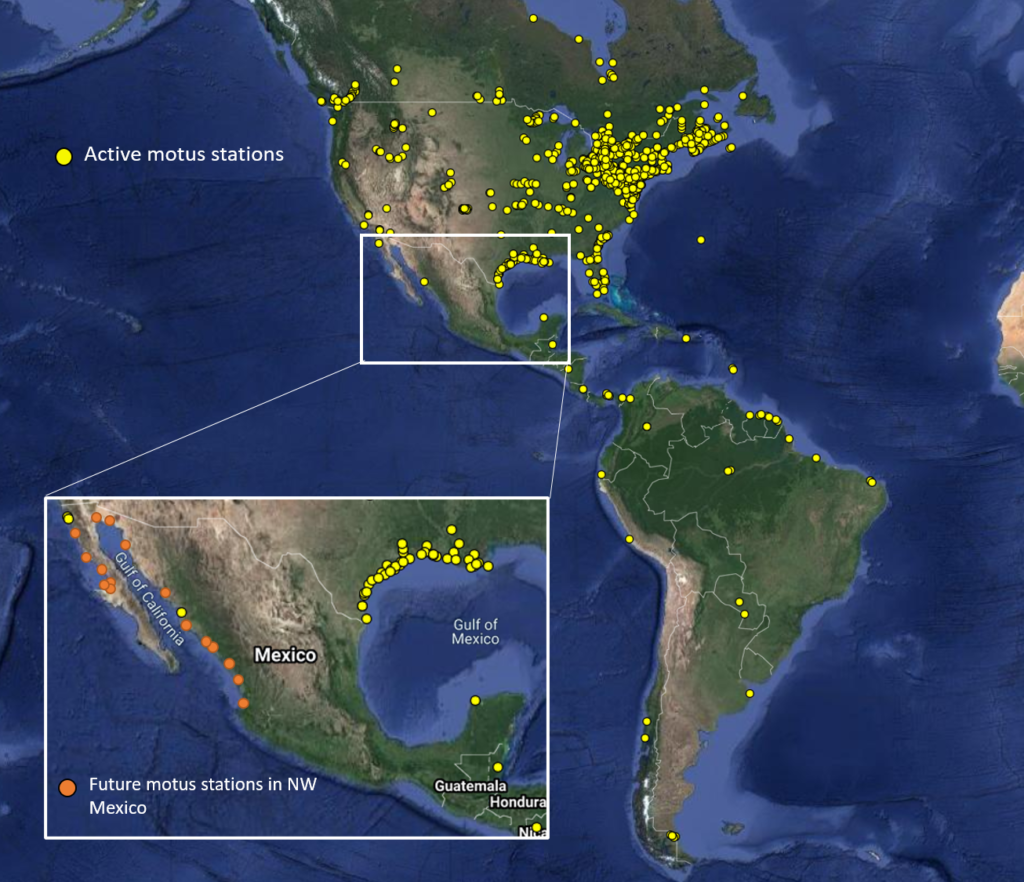
Motus is an international network of stations that detect birds fitted with small transmitters, enabling the tracking of migratory routes from Canada to Patagonia.
Northwestern Mexico leads this network, generating critical information for the conservation of species that cross borders.
“I really enjoy technology, and I love installing stations, tagging birds, but sometimes we lose sight of how important it is to educate communities about the use of these technologies and ensure gender inclusion in their application. Without realizing it, we leave out of the conversation the people who live in these communities and who could harness these technologies to conserve their own biodiversity”, is what García Walther said.
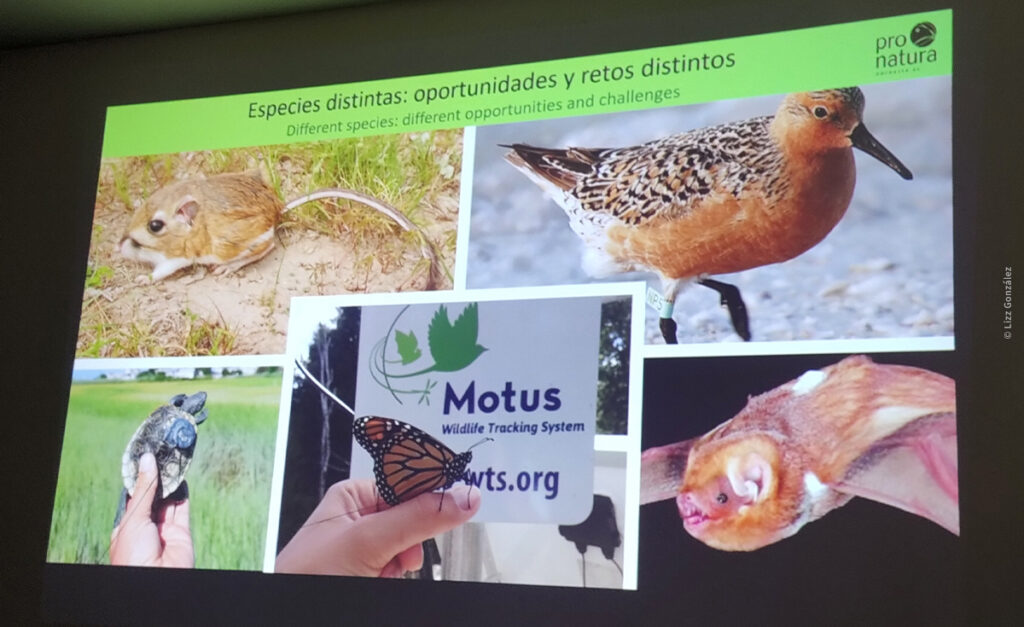
Broaden the view: Inclusion and Gender
The innovative focus of this workshop integrated three key areas, as explained by our Bird Lab coordinator: technical aspects, community aspects, and gender equality. “We presented an inclusive perspective that addresses both gender and different sectors, where our goal was to show how participants can include others, different stakeholders, and help make Red Motus a lot more inclusive,” he stated.
This perspective helped understand that Motus is not only a scientific infrastructure; it also includes the communities that authorize stations, groups of women who disseminate and use the information, journalists who translate complex data, and decision-makers who can turn evidence into public policy. In this sense, at Pronatura Noroeste, we designed a social mapping to identify local stakeholders who have not traditionally been included. This process allowed us to recognize opportunities to strengthen community participation and enrich conservation.
The Gulf of Santa Clara as an example
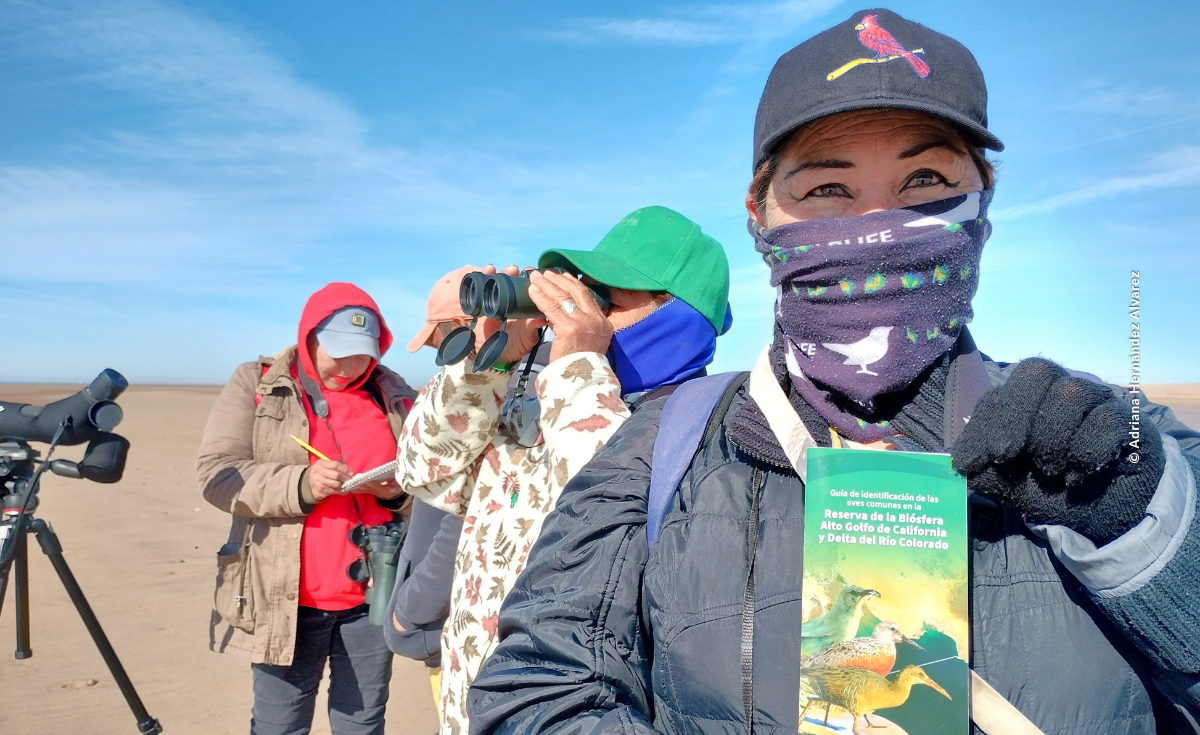
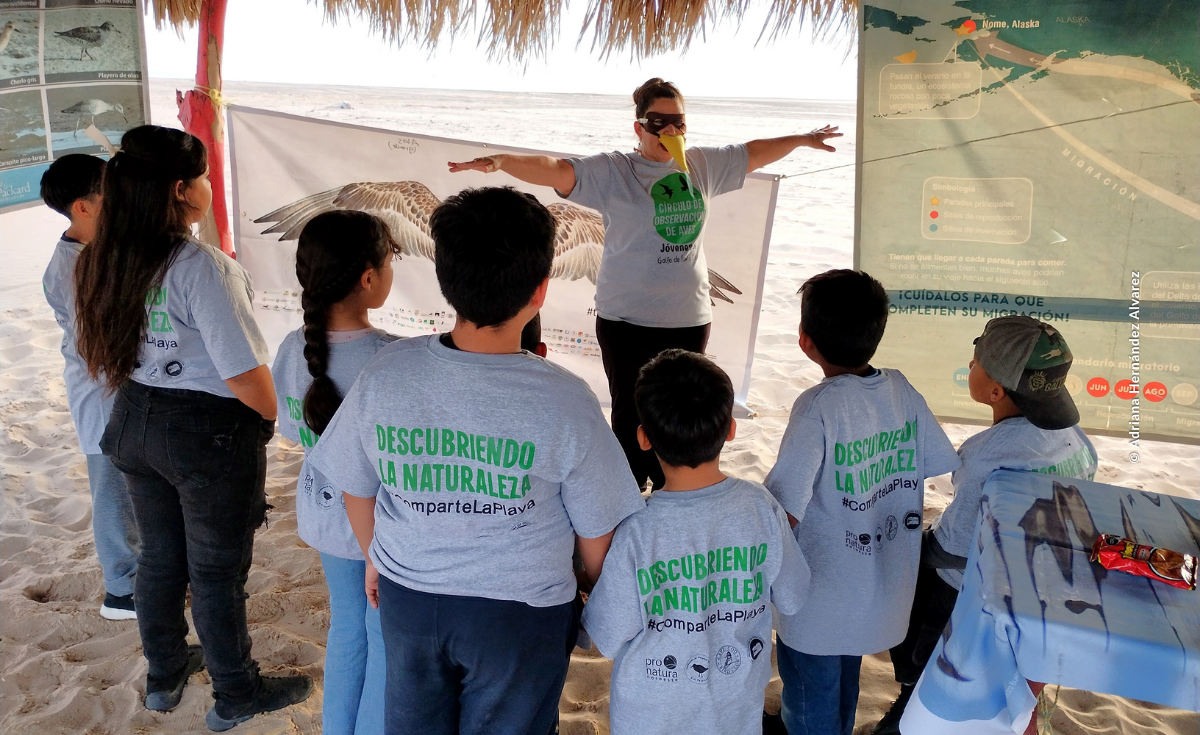
Julián García Walther highlighted the Gulf of Santa Clara in Sonora as an emblematic case of inclusion and equity, where community groups, including women leaders, have taken ownership of environmental initiatives for more than a decade. “There, we have a strong group of women and community members who have embraced these conservation efforts for over a decade. You can see the results; they are the driving force behind conservation in these areas,” he stated.
We have proven projects become more solid and sustainable when a community is actively participating,
Julián García Walther’s experience in Lima broadened our vision. Now we know that if we stop assuming who can and can’t be involved, we open up new opportunities for collaboration.
Inclusive conservation is necessary to ensure that scientific data can effectively lead to a social transformation.
At Pronatura Noroeste, we will keep promoting a more participatory Motus Network, where science, technology, and the community work together to protect migratory birds and the ecosystems we share together.
Translated by: Edgar Bolaños & Oddary Tacuba
Reviewed and edited by: Nicole Fuentes & Ma. Del Carmen Arce