

At Pronatura Noroeste, we are convinced that the strongest conservation efforts are born when communities adopt solutions. In the Gulf of Santa Clara, Sonora, this conviction takes form through Mujeres de Playa de Cuidando al Playero Rojizo, who have turned the circular economy into a tool to protect their environment and generate local alternatives.
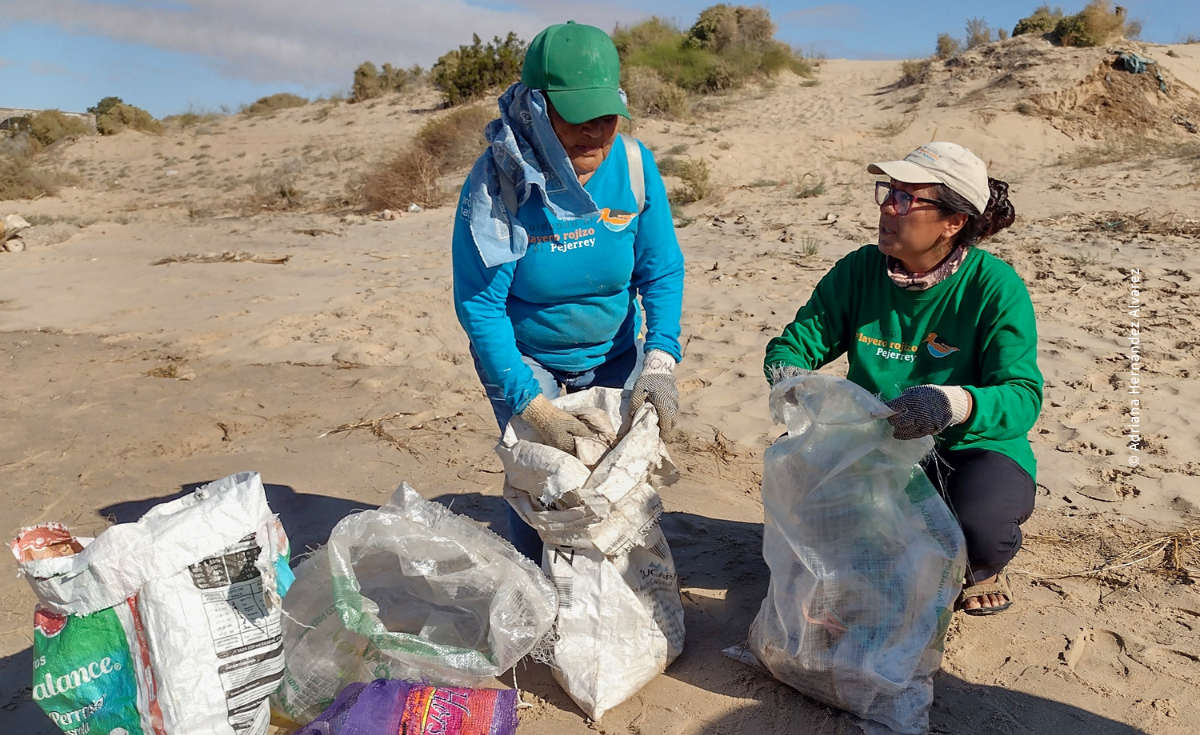
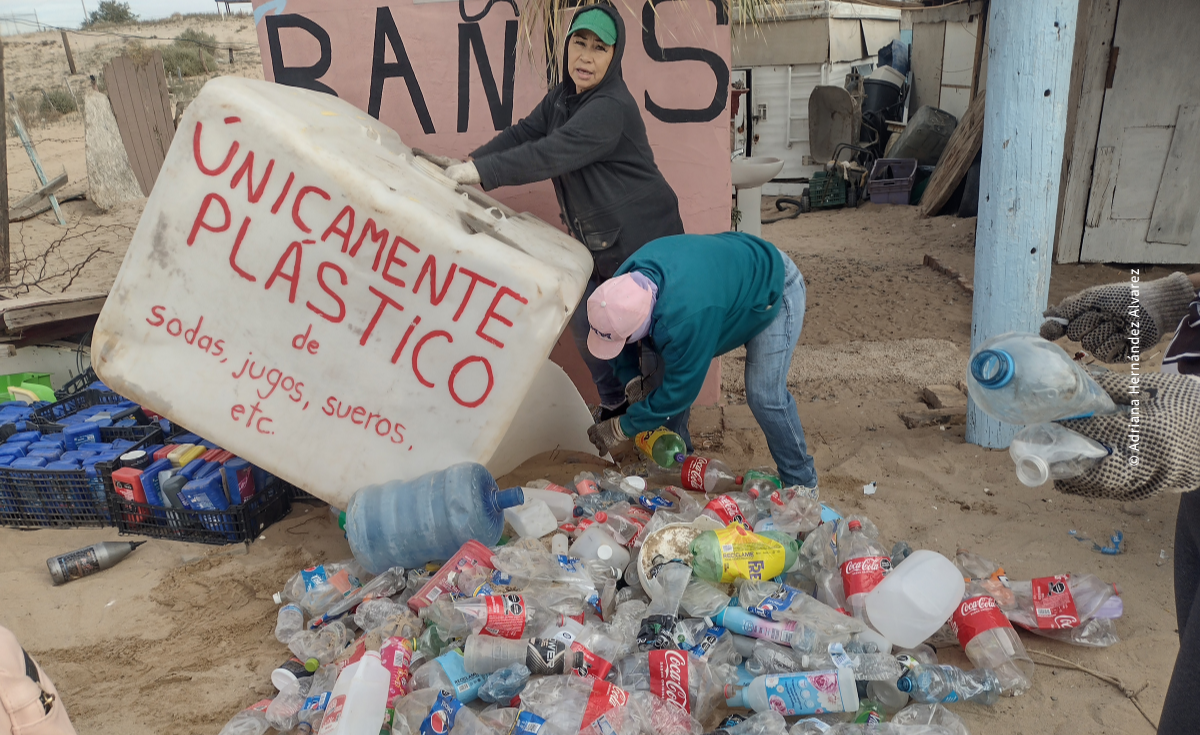
Since 2016, we have been accompanying the women of the Gulf of Santa Clara, who are a part of this group, in their habitat conservation, bird sighting and monitoring, environmental education, and beach cleaning activities. Over time, collecting plastic waste became a habit, as they identified how these materials end up in the desert, the beach and the sea, directly affecting the fauna of the Upper Gulf of California.
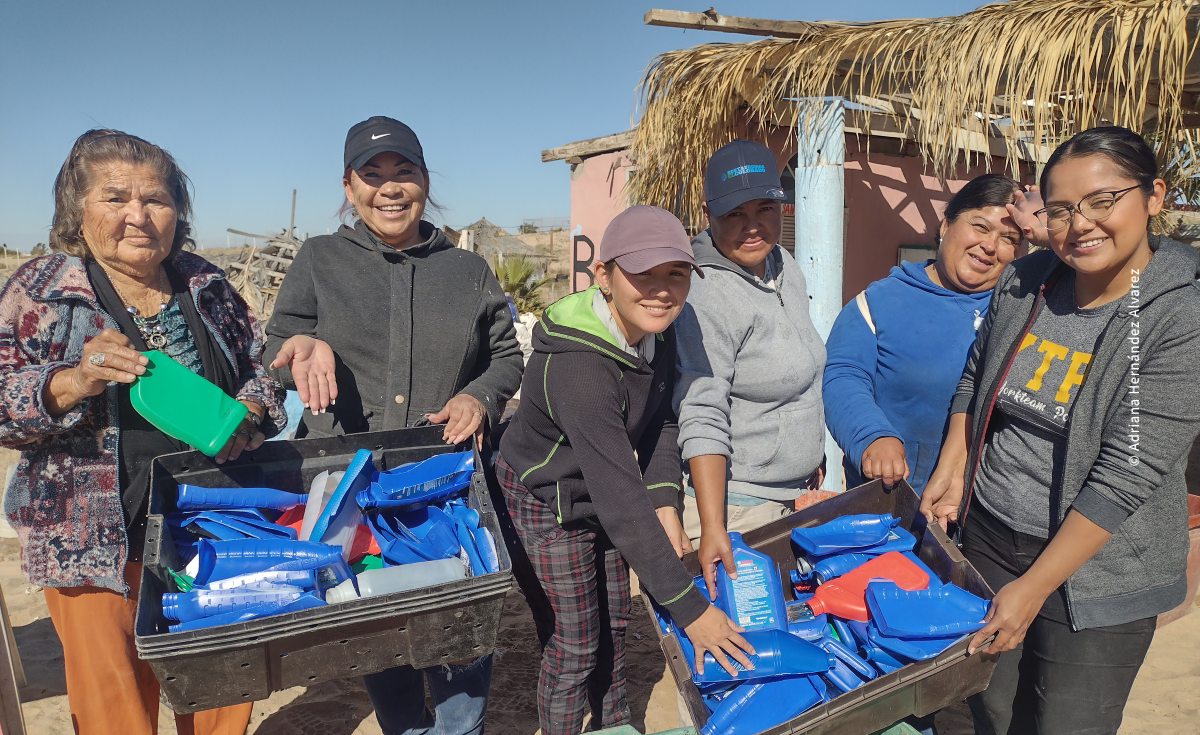
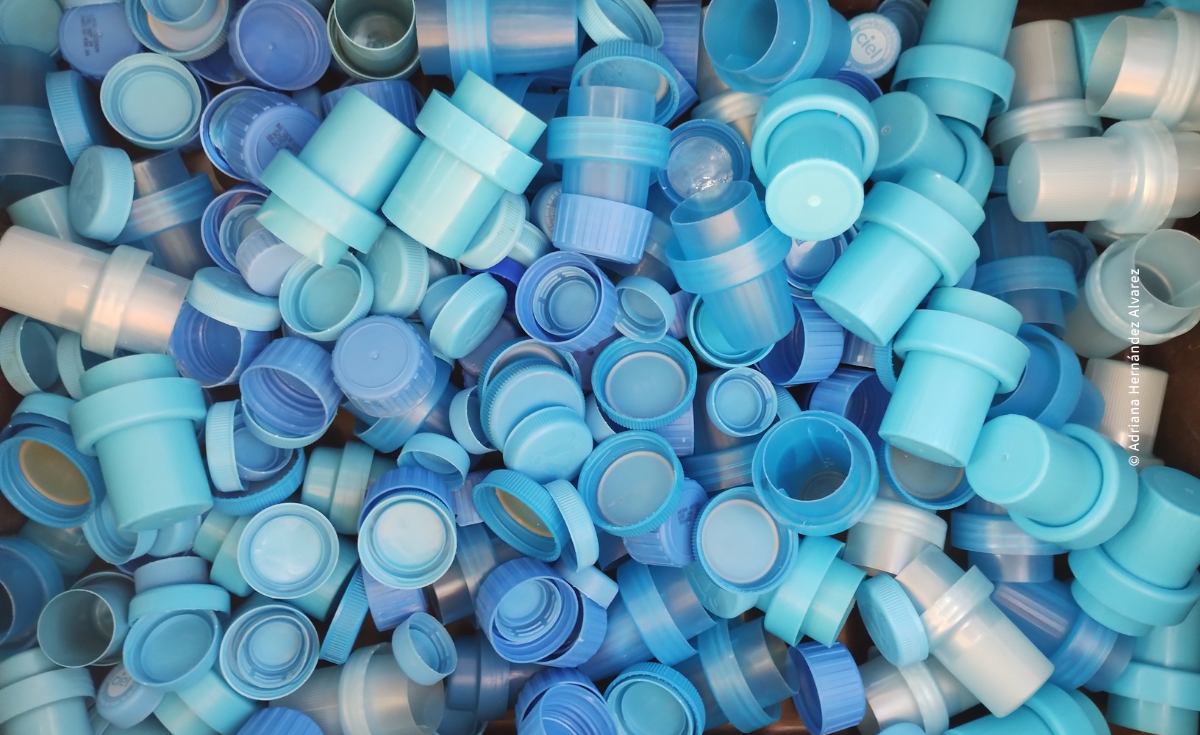
Devising a strategy to keep this waste from returning to the environment became one of the main challenges of our community work. The solution started with sorting recyclable plastic (HDPE, LDPE, and PP), later further evolving into a more ambitious project: transforming items sorted as garbage into objects with environmental sense.
Innovation that Connects Waste, People, and Purpose
The above-mentioned step was possible thanks to the joint efforts with Nawal ®, a Mexican company that develops innovative solutions for transforming waste into products with a history and purpose. Since March of 2024, this innovative company, founded by Rodrigo Guzmán and Héctor Acuña, has joined us as a key ally. They provided technology, training, and their constant support. With funds from Conservation Nation, we were able to acquire a micro-scale waste disposal unit and a plastic injection molding machine for the women’s group.
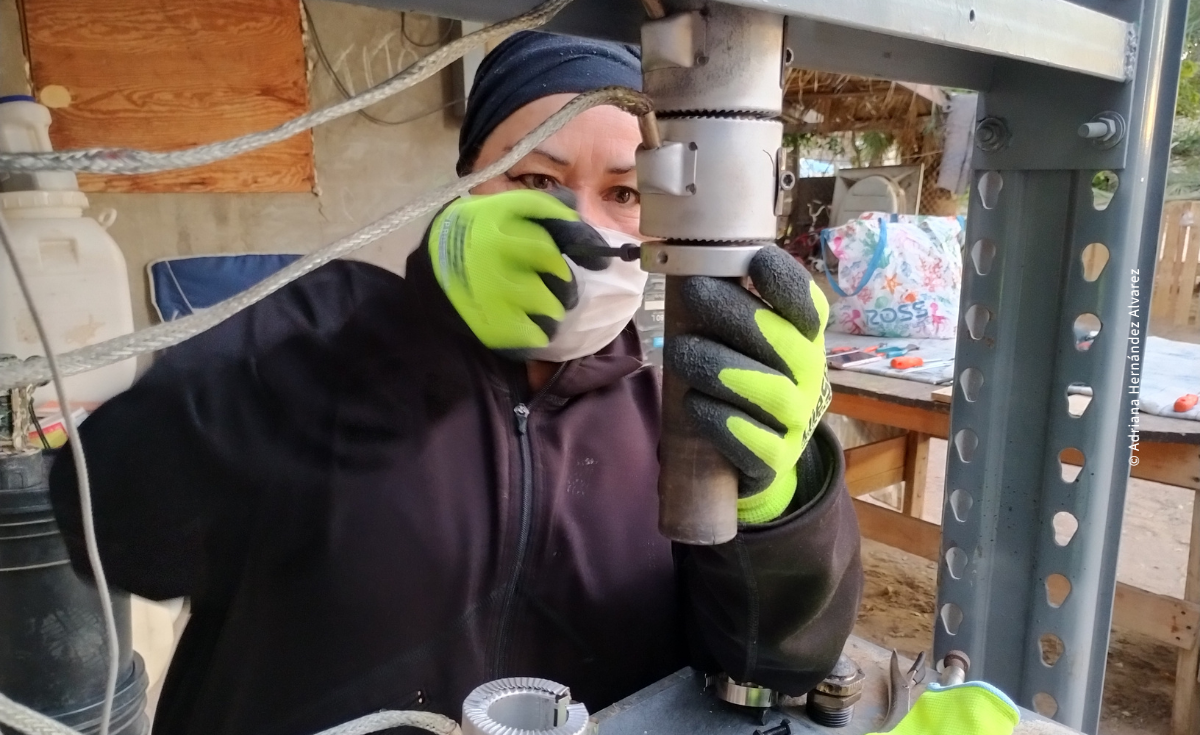
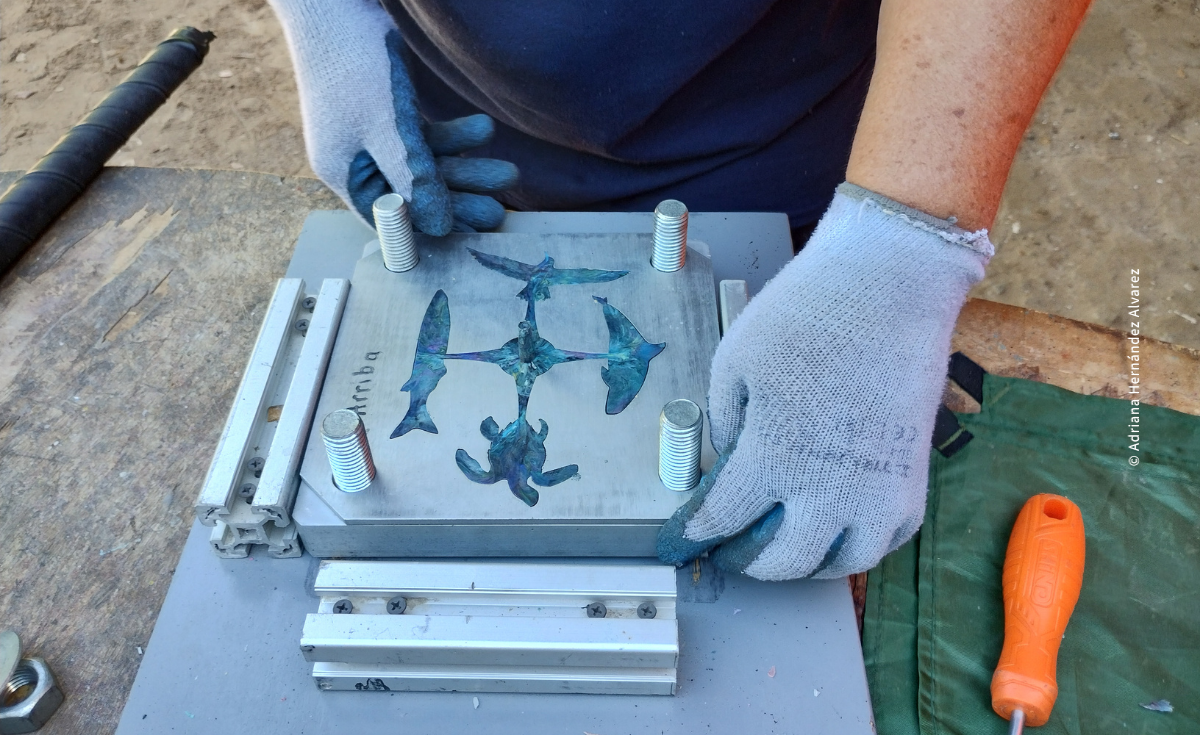
These machines, manufactured by Nawal ®, have been repurposed for a manual and community-based process. From then on, they were able to gradually familiarize themselves with all the processes that involve plastic sorting, shredding, and injection, as well as machine maintenance and part design. “The goal is to prevent recyclable waste from ending up in the environment, since what we have here is an open-air dump where waste is either burned or eventually ends up on the beach or desert, carried by the wind or the scarce rainfall we get each year,” Adriana Hernández Álvarez, coordinator biologist of Pronatura Noroeste, explained.
Products with Identity from the Upper Gulf of California
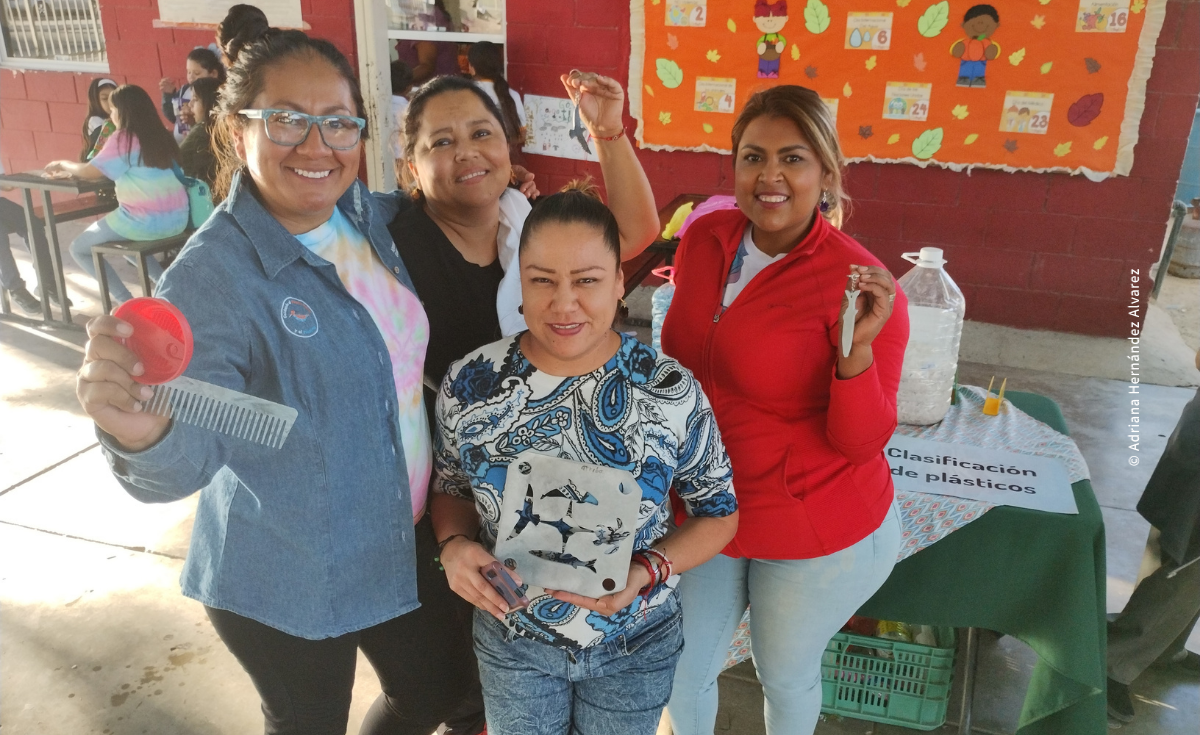
At present, the plastics that used to contribute to the pollution of the ecosystem have been transformed into pots, combs, and figurines exhibiting the silhouettes of emblematic species native to the region, such as the Vaquita, the Pacific Red Knot, the Gulf Grunion, and sea turtles. Each piece holds double value as it both reduces pollution and generates an income while conveying a history of conservation.
So far, we have recovered 11 tons of ghost nets, as well as 441 pounds of recyclable plastic directly from the environment, 176 of which were transformed into combs and figurines. We have also recycled 22 pounds of coffee pods belonging to a famous brand into pots.
Beyond the volume itself, the impact lies in changing everyday habits. Once they learned about the process, some people in the community started to separate their waste at home. With these actions, we have strengthened the bond between conservation and community.
“The idea is to promote waste sorting at home, because there is no better moment for recovering plastic than when you finish using it,” Hernández Álvarez emphasized.
Women who Educate and Care for the Land
In addition to recycling, Mujeres de Playa partakes in activities relating to environmental education at schools and community events, where they explain why waste is such a problem, the impact ghost nets have, and how important it is to protect the species that inhabit the Upper Gulf of California.
Although the project is in its early stages and faces challenges (such as having the proper space for recycling and production), the goal is for these women to establish their own brand, develop new products, and strengthen a circular economy initiative that stems from within the community.
At Pronatura Noroeste, we believe that these collaborations show that conservation efforts not only protect biodiversity but also generate opportunities, empower women, and build a more sustainable future for the Upper Gulf of California.
Translated by: Dalhy Wong.
Edited & reviewed by: Alejandra Picos.