

The National Park Isla Isabel is an emblematic place for marine conservation in Mexico and one of the most valuable ecosystems from the Pacific. As Pronatura Noroeste we are committed to protect this sanctuary, which, the past December 8th, turned 45 years as a National Park.
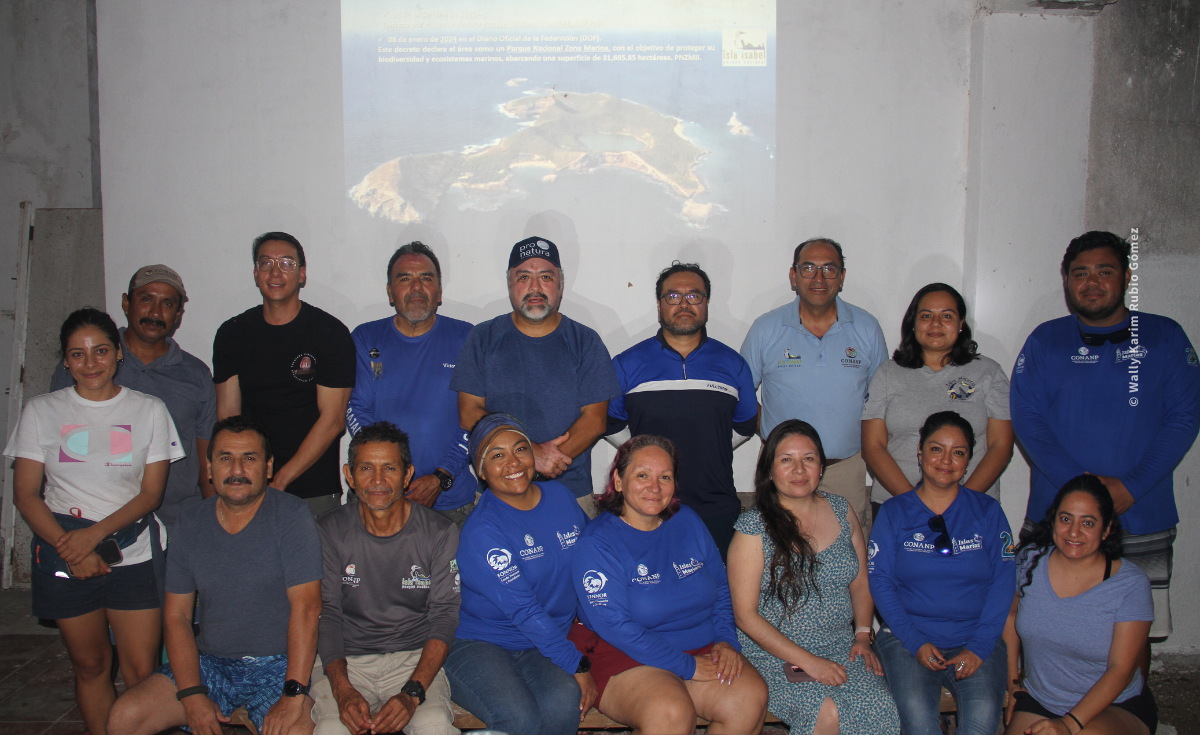
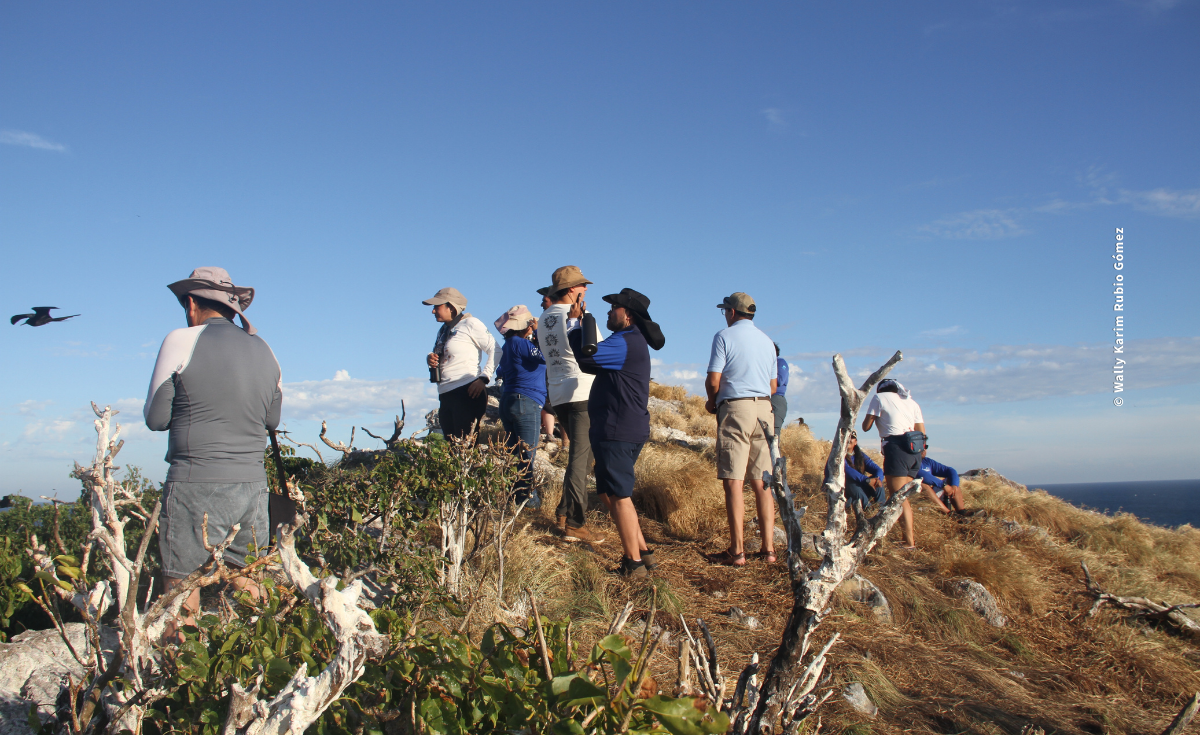
We joined this commemoration alongside environmental authorities, partner organizations and communities that have worked for decades to protect this unique territory.
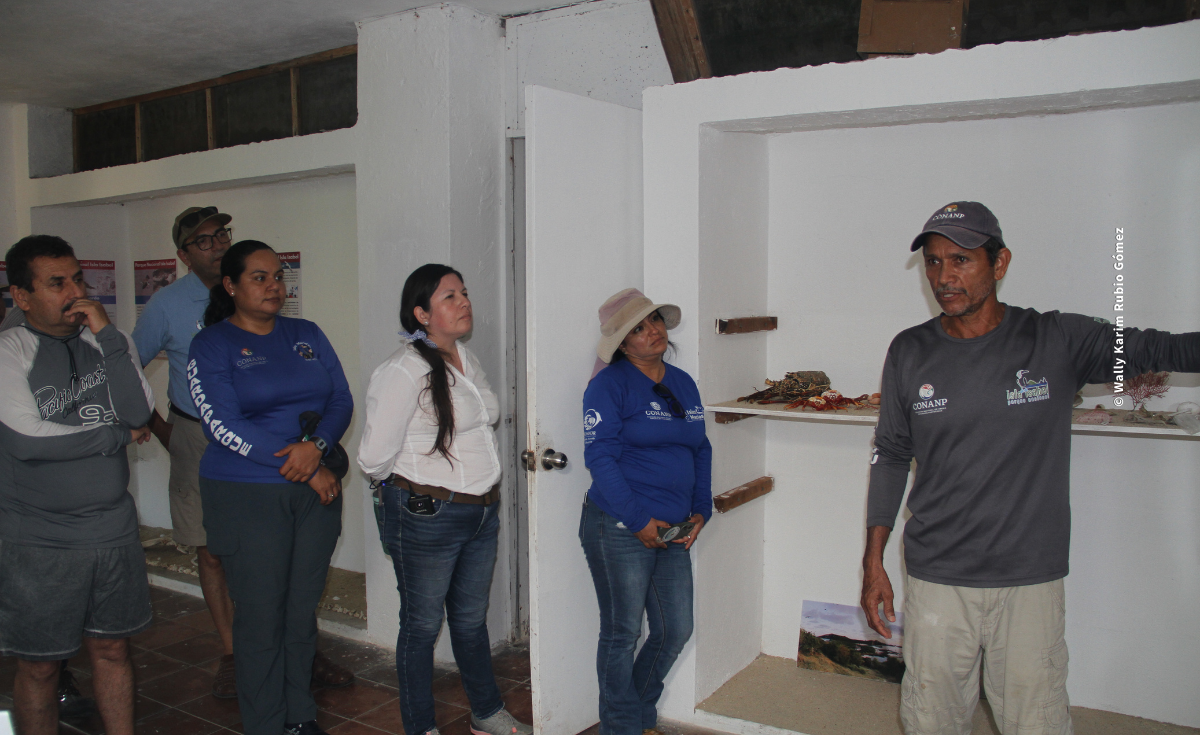
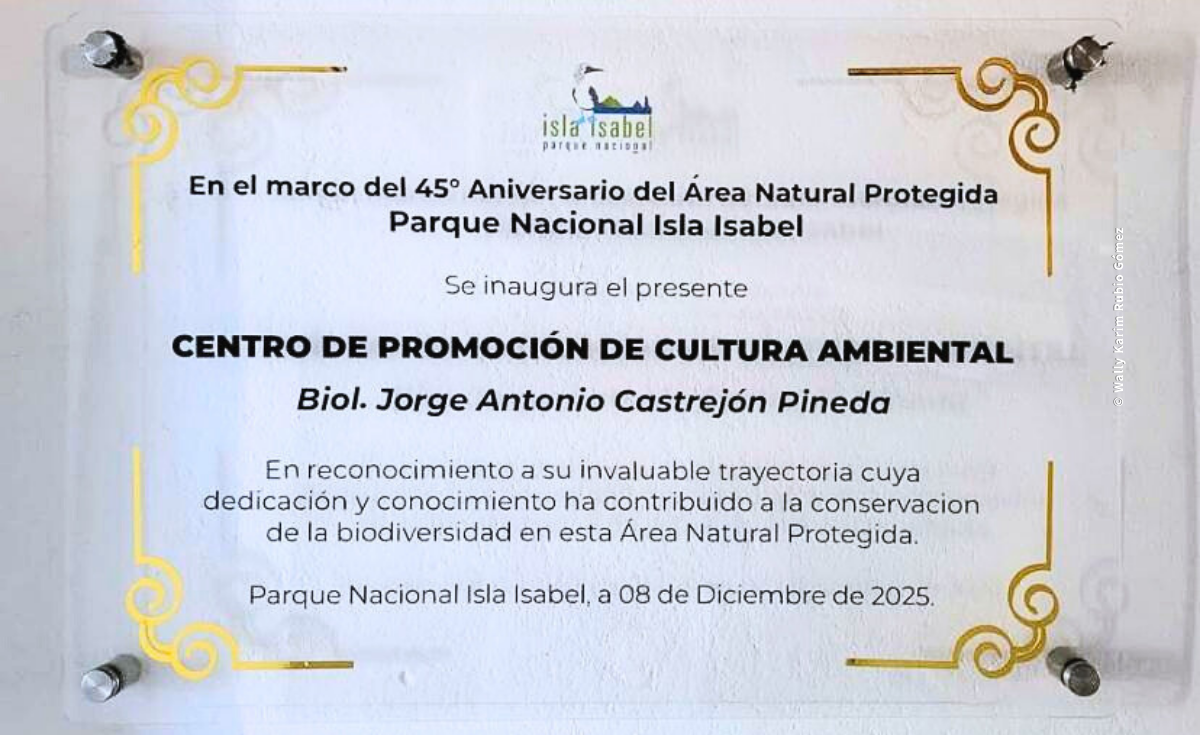
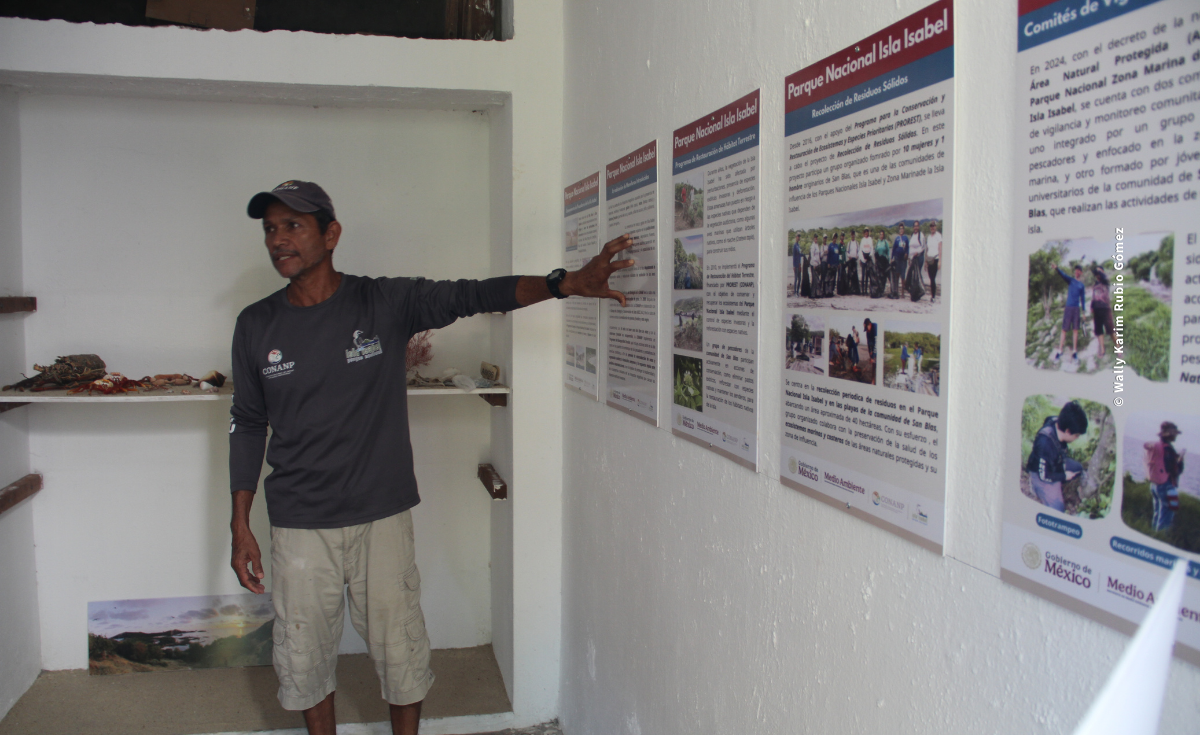
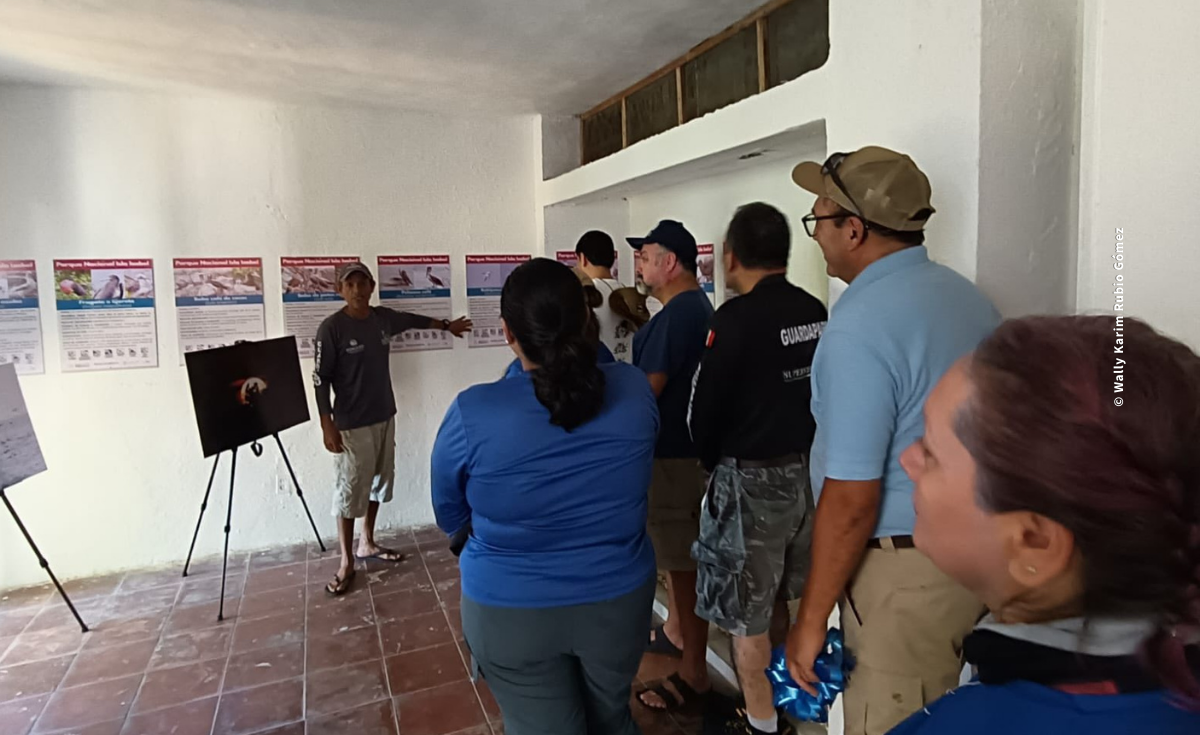
Representatives from the Conanp, Semarnat, directors from different ANP (National Protected Areas) of the western-centre Pacific, WWF Mexico and other committed institutions with the conservation were present at the ceremony. In this context, biologist Jorge Antonio Castrejón Pineda received a recognition for his long career in the Natural Protected Area (Área Nacional Protegida), where the Promotion Center and Environmental Culture now carries his name. His work has been fundamental for environmental management, research and education to the island.
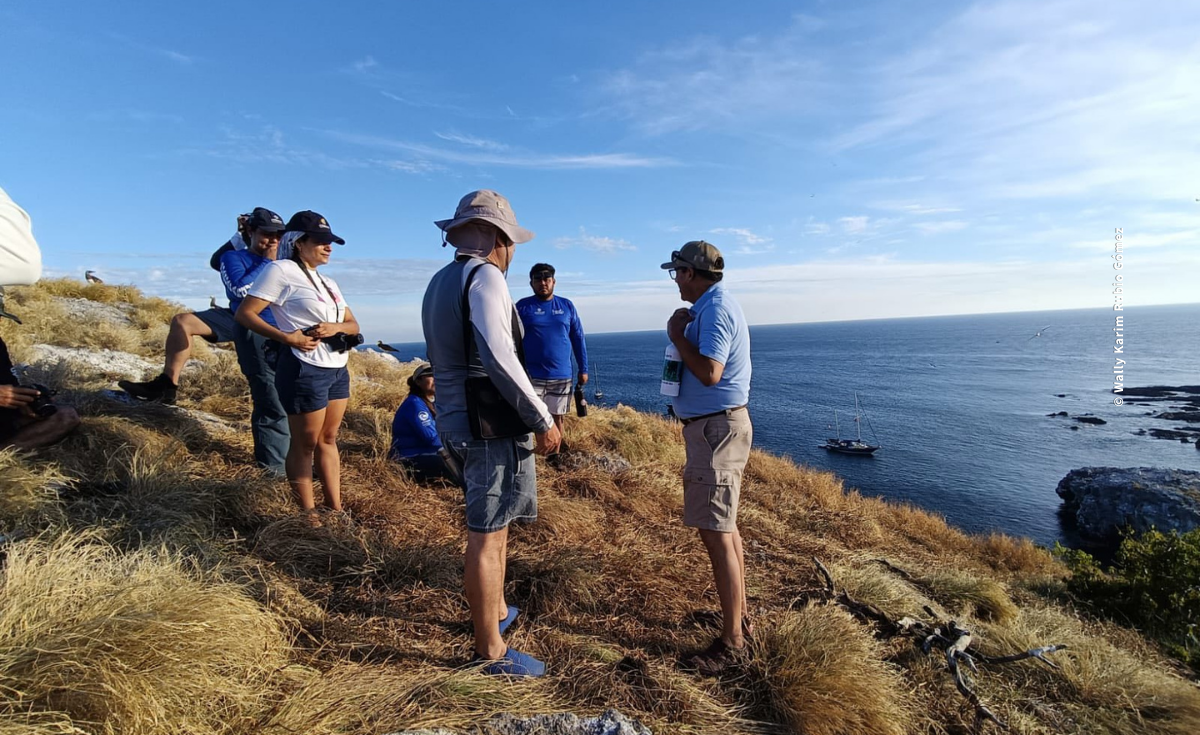
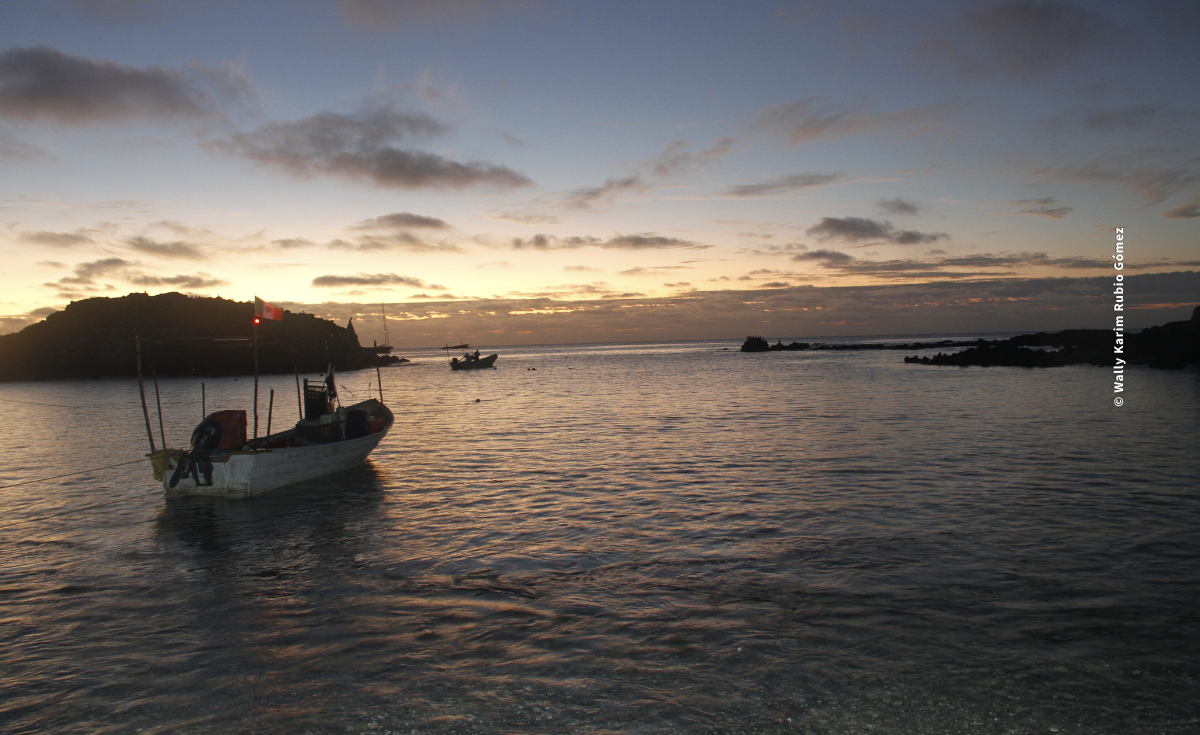
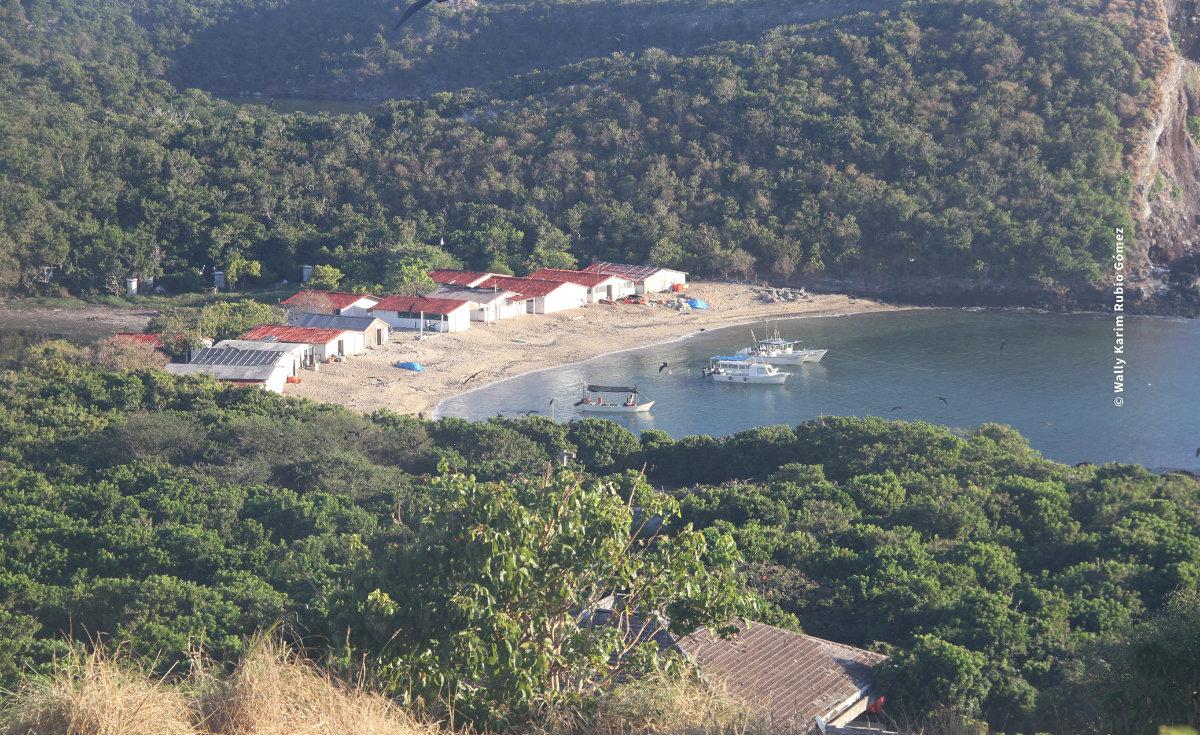
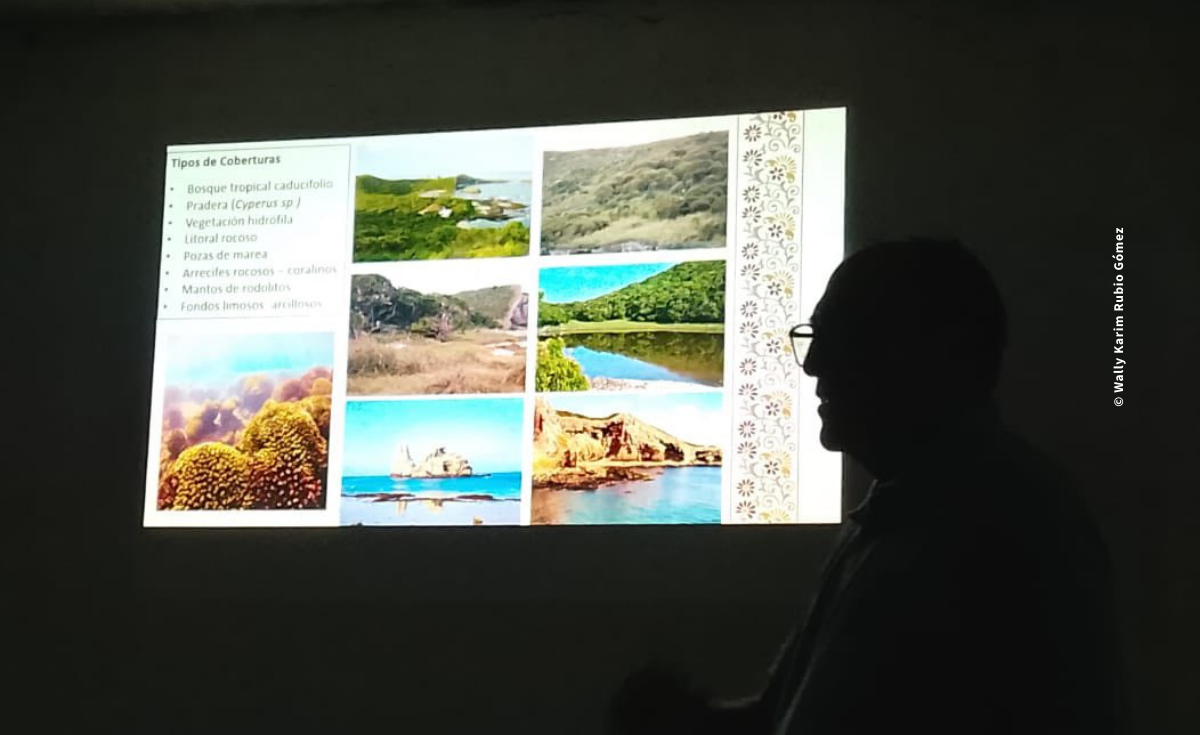
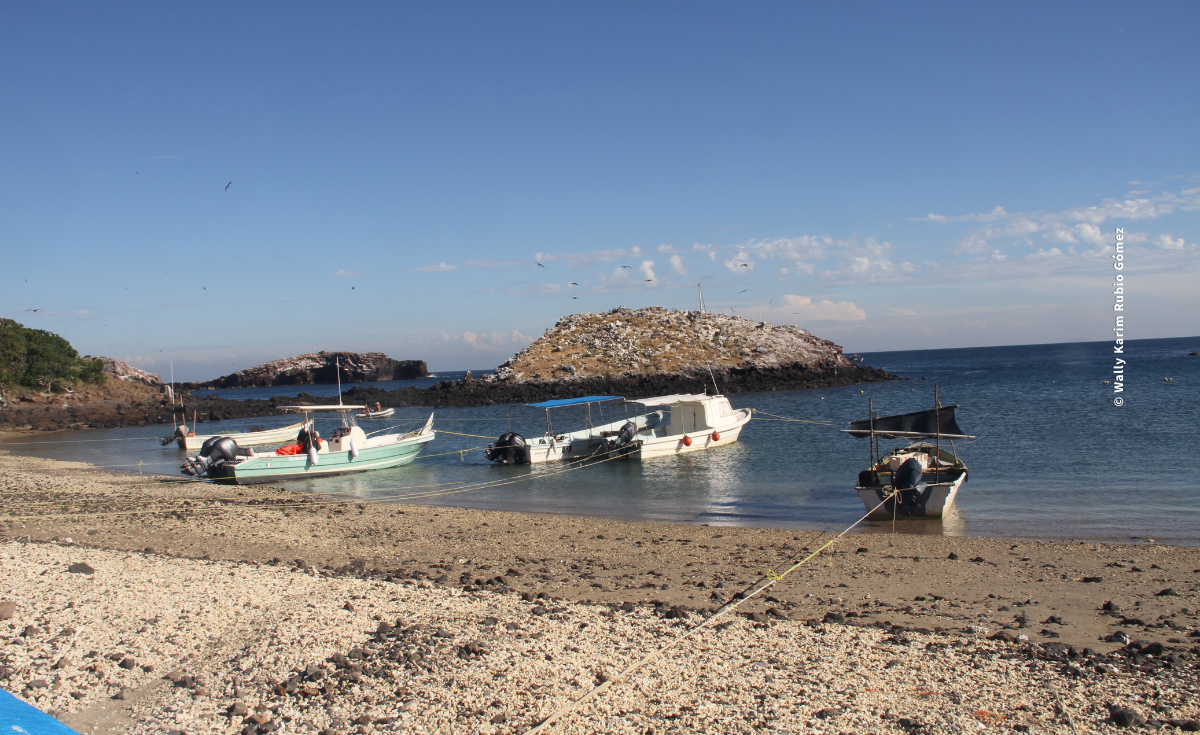
Isla Isabel is a unique place. Located 70 kilometers (43.496 miles) from San Blas, Nayarit, it originated from a volcano around 3.5 million years ago and is home to 82 hectares of land surrounded by more than 11 hectares of rocky and coral reefs.
Its marine productivity, its function as a species nursery and its flora and fauna richness, have made it into a worldwide recognized natural laboratory.
The history of its protection is also remarkable. In 1976, Jacques-Yves Cousteau documented its biodiversity and proposed its declaration as a national park. Two years later, Gonzalo Gavilo de la Torre and Zeferino Uribe Peña, Mexican biologists, backed up this initiative with a scientific diagnosis that paved the way for its decree in 1980. In 2003, UNESCO recognized it as a RAMSAR site for its ecological relevance.
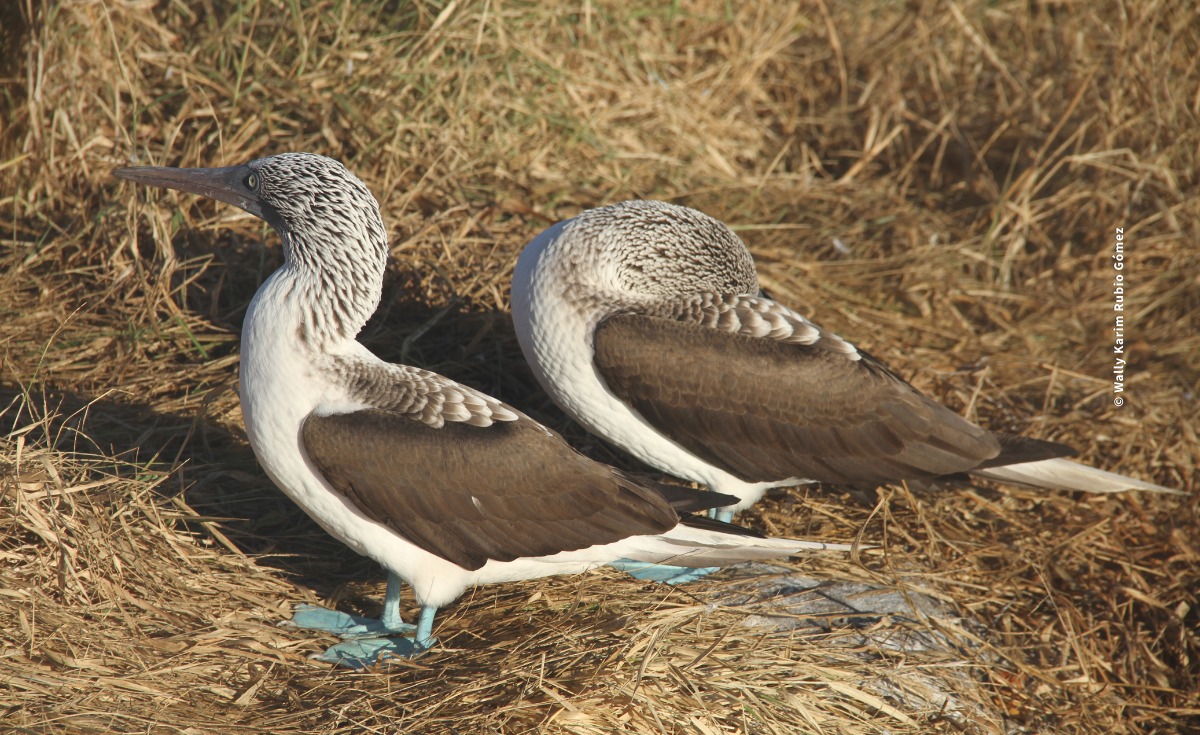
Nowadays, Isla Isabel confronts rising challenges. Global warming has provoked the loss of 80% of its reefs in just three years, making clear that it’s about a highly vulnerable ecosystem. However, it’s still home for one of the most important blue-footed booby colonies in the Oriental Pacific, also for brown booby, frigatebirds, lizards, reef fishes and an extraordinary marine life.
In the last years we’ve been making joint efforts such as collaborating with the Ecologia de Sistemas Acuáticos (Ecology of Aquatic Systems) academic body of the Universidad Autónoma de Nayarit, Seacology and the PNII direction to restore corals, while with Conanap we are exploring the potential for a strategic partnership to reinforce a conservation model that links fishing cooperatives and tourism service suppliers in sustainable practices, traceability and responsible handling of species such as the blue spiny lobster (Panulirus inflatus).
That’s why in Pronatura Noroeste we reaffirm our commitment with the Parque Nacional Isla Isabel conservation. Taking care of this natural refuge it’s essential to our biodiversity, for science and for the generations that will inherit this unique patrimony of the Mexican Pacific.
Translated, reviewed, and edited by: Daleth Aguilar.