

Each spring, when the weather gets warmer, Ensenada’s beaches receive some very special visitors: the snowy plovers (Anarhynchus nivosus). These small shorebirds chose our coasts to nest, and three years from now, an Pronatura Noroeste, we have had the opportunity to protect them during its reproductive cycle.
Snowy plover, a vulnerable shorebird
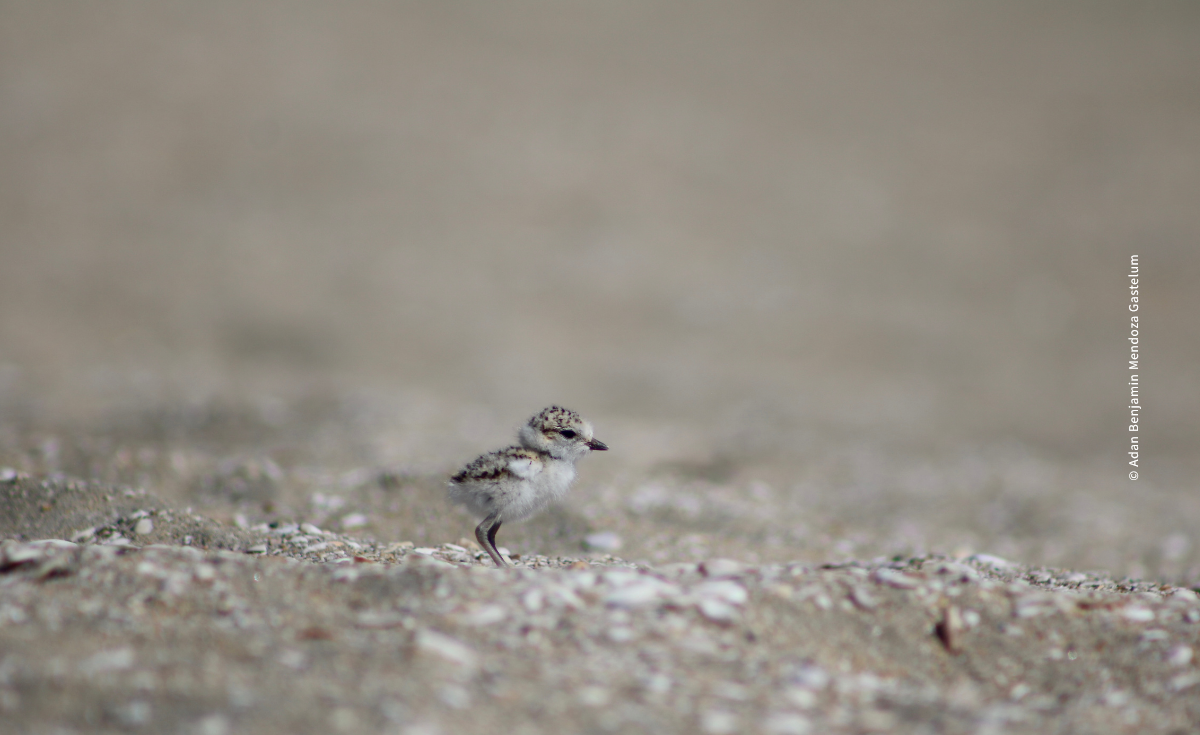
The snowy plover (Anarhynchus nivosus) is a small shorebird that distributes itself by the shore and Pacific wetlands, from the United States to South America. Even though its distribution is wide, the population is limited, which makes it one of the most vulnerable shorebirds of North America.
Their life relies on the coastal environment, places that each day are more pressured by urban development and human presence. That’s why, in Mexico, the snowy plover is protected by the law under the Threatened category.
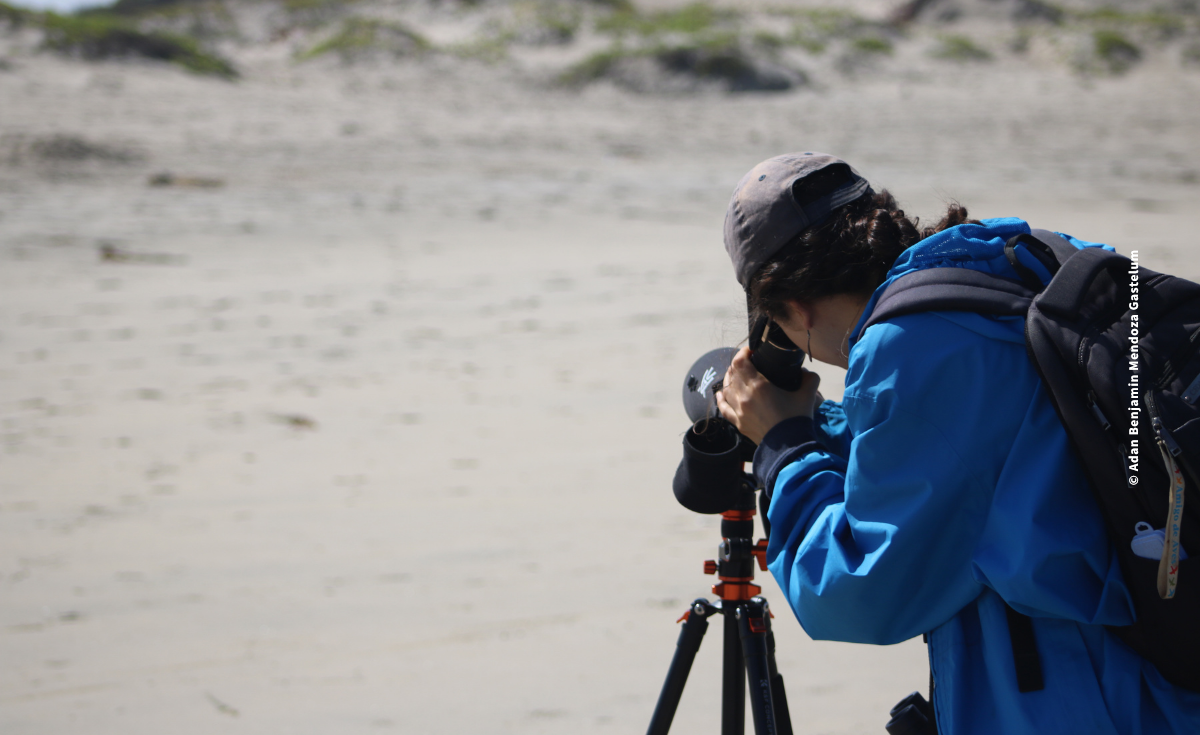
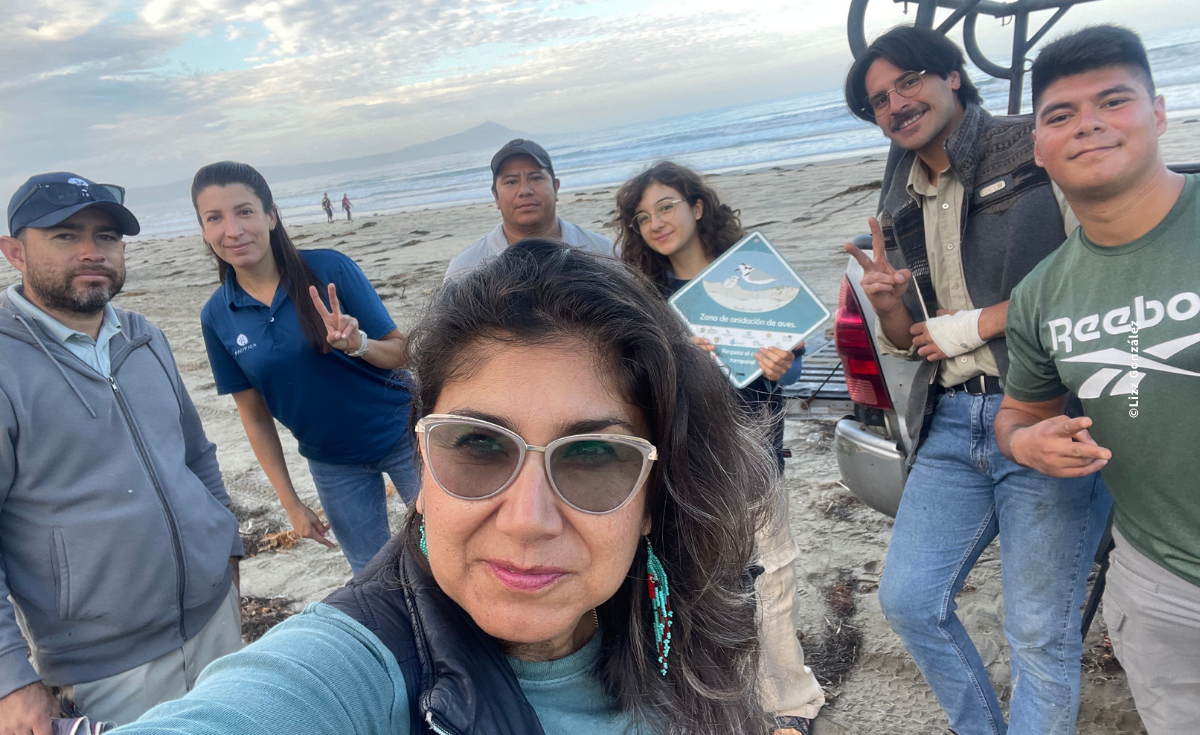
The 2025 nesting season at Ensenada’s beaches started in April and ended in August. During those months monitoring routes are made, from Conalep beach to the Ciprés and estero de Punta Banda, looking for couples, nests and newborn birds, explained Lizz Gonzalez, Conservation Education Coordinator at Pronatura Noroeste.
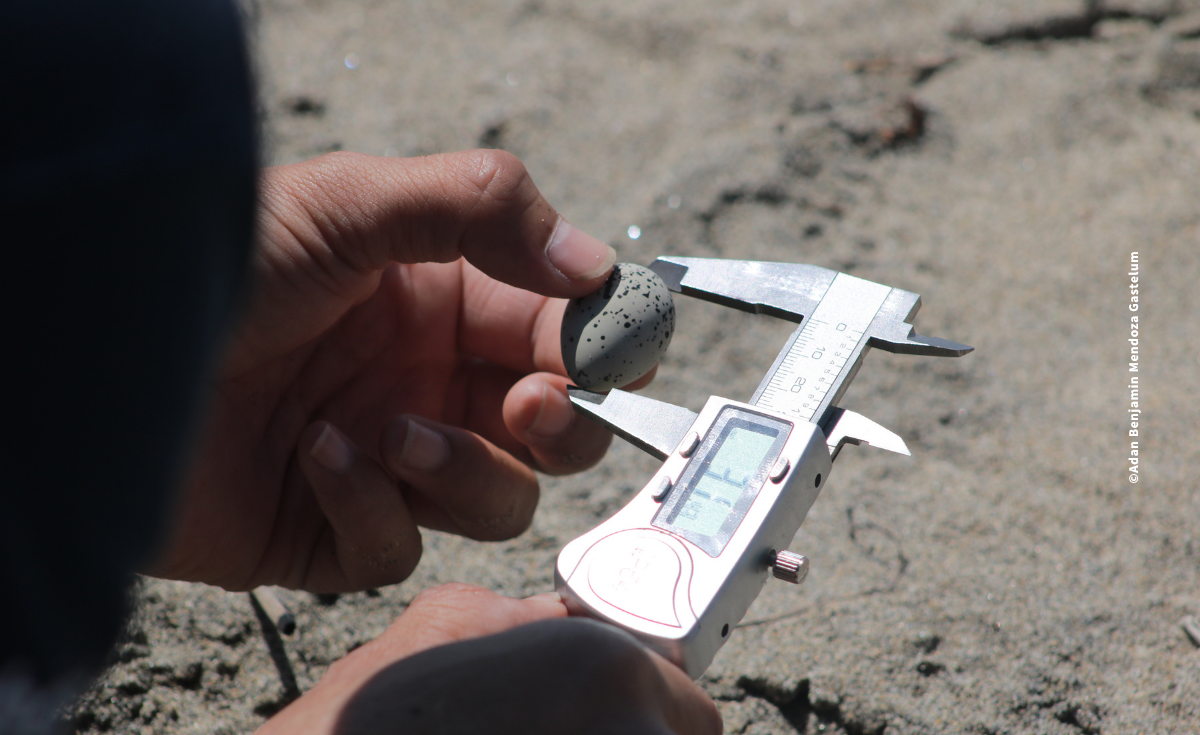
“This is our third season in which we are involved in monitoring, protection, and spreading actions in Ensenada. Two trips are made each week in search of snowy plover individuals, and as they come to breed themselves and to nest, we identify how they choose their couples, create nests, and if these nests are successful in hatching birds”, she said.
A successful season
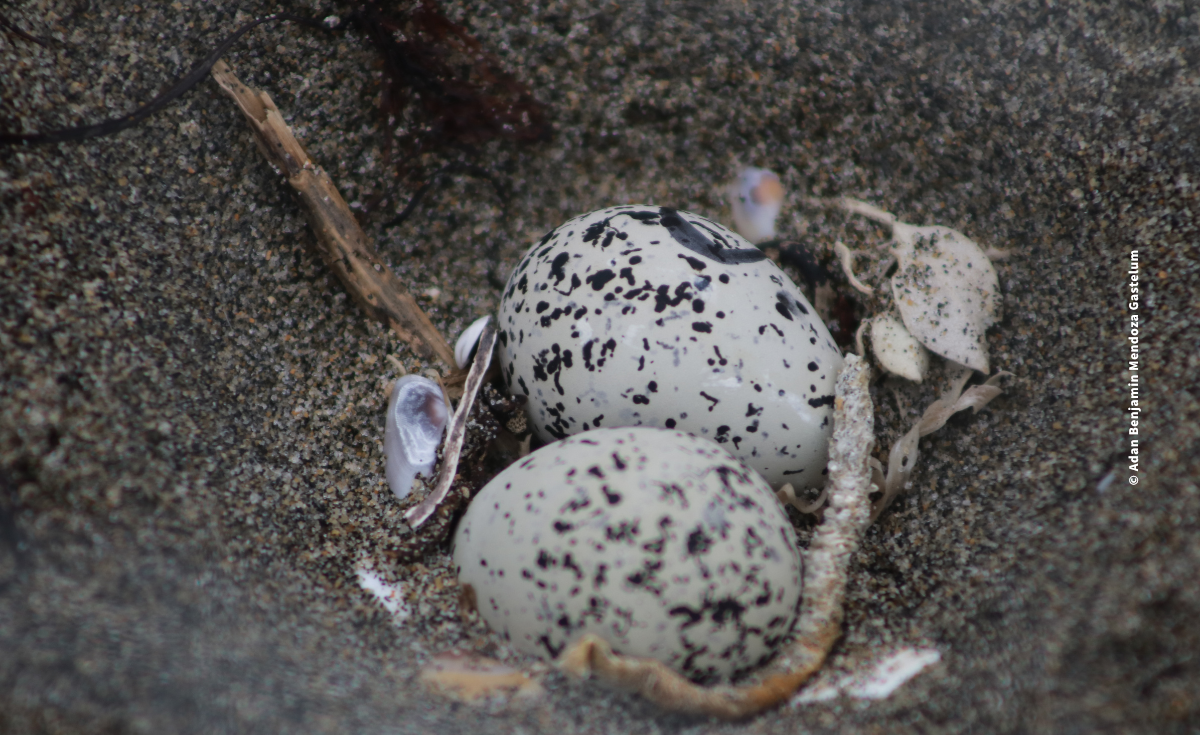
This year we registered 19 nests, in which 15 produced one or more birds. In total, 34 birds were born: 22 in estero de Punta Banda and 12 in Pacífica/Ciprés. This is a promising amount for a species cataloged as threatened in Mexico.
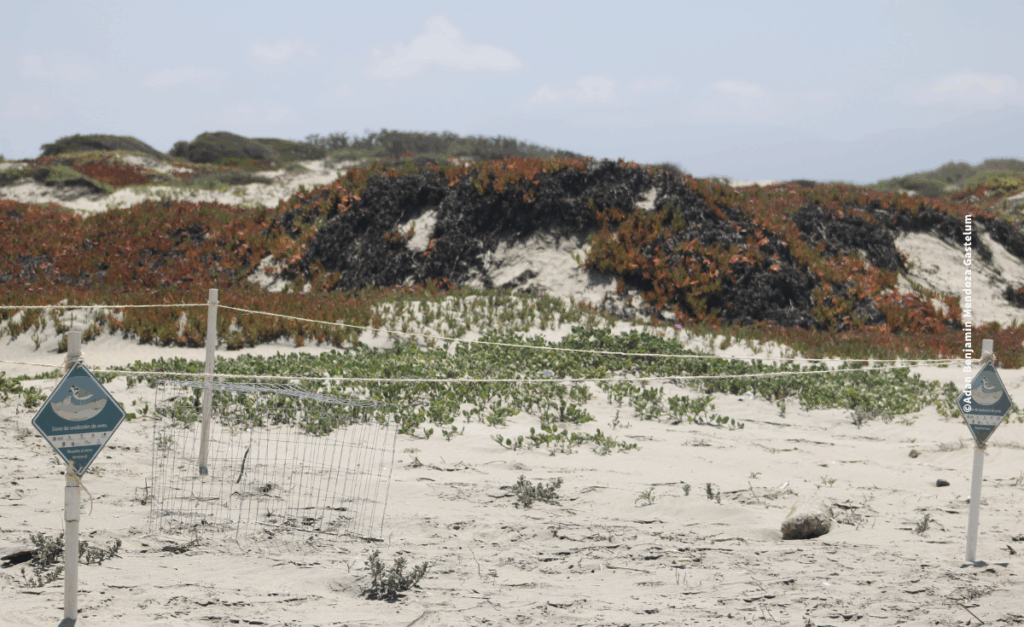
One of the most symbolic moments was the retirement of the temporal fence in Pacifica’s beach, which marked the end of the season. This fence, made with stakes and ixtle ropes. It does not prevent passage, but invites the people to respect the nesting spaces.
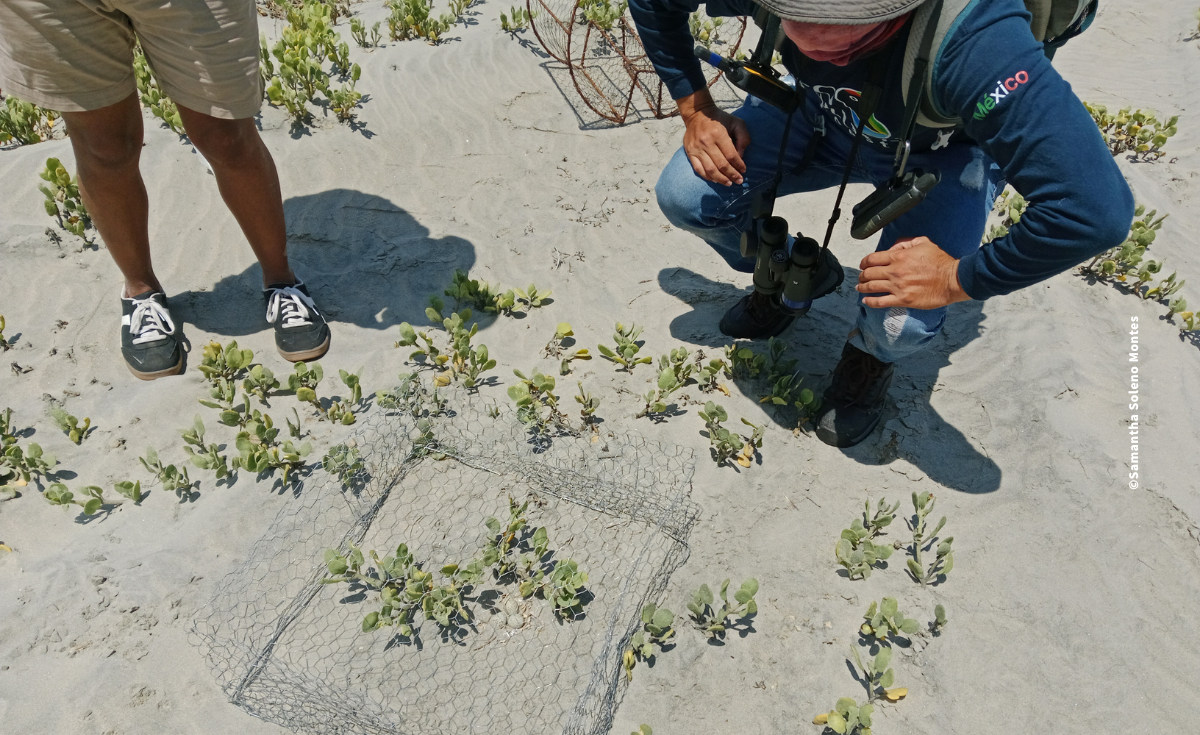
“The temporal fence is installed in front of Pacifica’s beach, but when some nests are located in other sites and we see that there’s a lot of inflow of people, a smaller fence is created circling the nest and a “exclusor” is installed. The excluder allow entrance and exit of the snowy plovers, and at the same time protect the nests from natural depredators such as some birds and coyotes, feral cats and dogs, dogs without collar that wanders in the beach or someone that could destroy the nest by accident, people that are running or in vehicles”, she expressed.
Educate to conserve
At Pronatura Noroeste, besides the monitoring work, we make educational and divulgation activities, participate in 20 events, visited 8 schools of different levels and shared with more than 570 people the relevance of protecting the shorebirds in Ensenada.
In every speech we repeat an essential message: do not litter, respect the fences and always walk your dogs with a collar. These are small actions that make a huge difference on the snowy plover conservation efforts.
“This is a protected species and the population are already very low, but by having that many people influx in the nesting zones makes its populations decrease even more, in that case, nesting zones are protected to try to make a bigger success on the hatching of its eggs and we can assure new generations”, highlighted the Conservation Education Coordinator at Pronatura Noroeste.
We also carry the banding and labeling of individuals in the Motus system, a technology that allows us to track its movement. Thanks to that, we know that many adults remain in Bahía de Todos los Santos, even after the season, confirming that this site is the key to the conservation of this species in the Mexican Pacific.
In the efforts for the conservation of the snowy plover, in Pronatura Noroeste we work in collaborations with varied organizations, among them Pajareando y Conservando, Pro Estereos, Pacífica, la Dirección de Administración Urbana, Ecología y Medio Ambiente de Ensenada, ZOFEMAT and la Regidora Raquel Manríquez.
Pronatura Noroeste believes that taking care of the snowy plover is also taking care of our beaches and our relationship with nature, because each successful nest is an outcome of the science, education and commitment shared between community and conservation.
Translated by: Daleth Aguilar.
Reviewed and edited by: Itzel Romero.