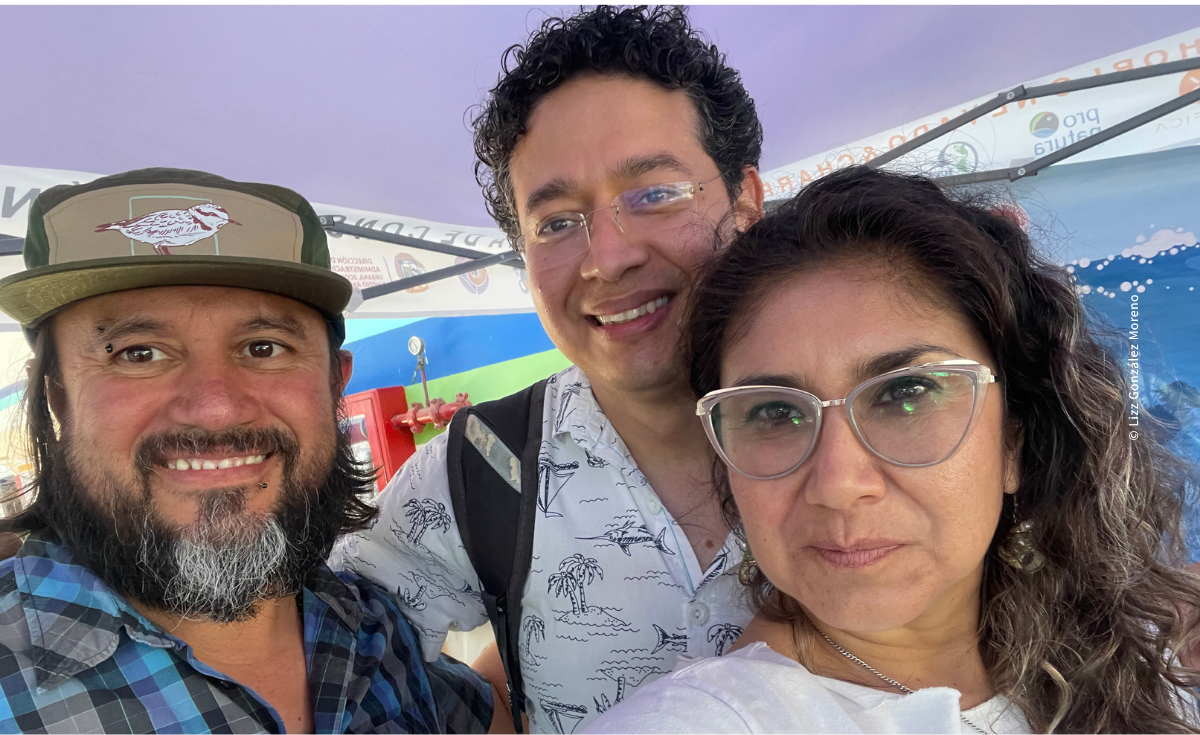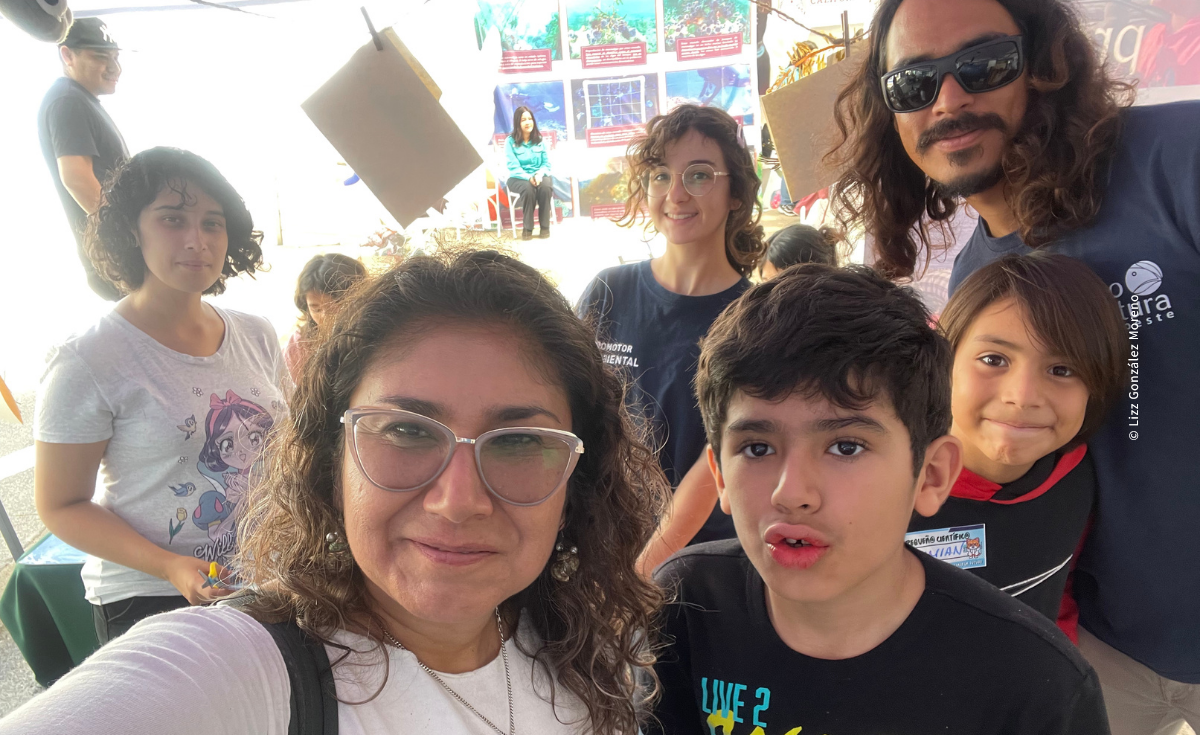


This last September 28th, the Caracol museum in Ensenada was turned into a gathering point for science, art, and marine conservation during the celebration of Kelp Day, organized by Cuidemos el Oceano A.C. Association.
The event gathered producers, institutions, schools and organizations of the civil society to purposely raise awareness among the population about the importance of the kelp forests, a key ecosystem for ocean vitality and regional economy.
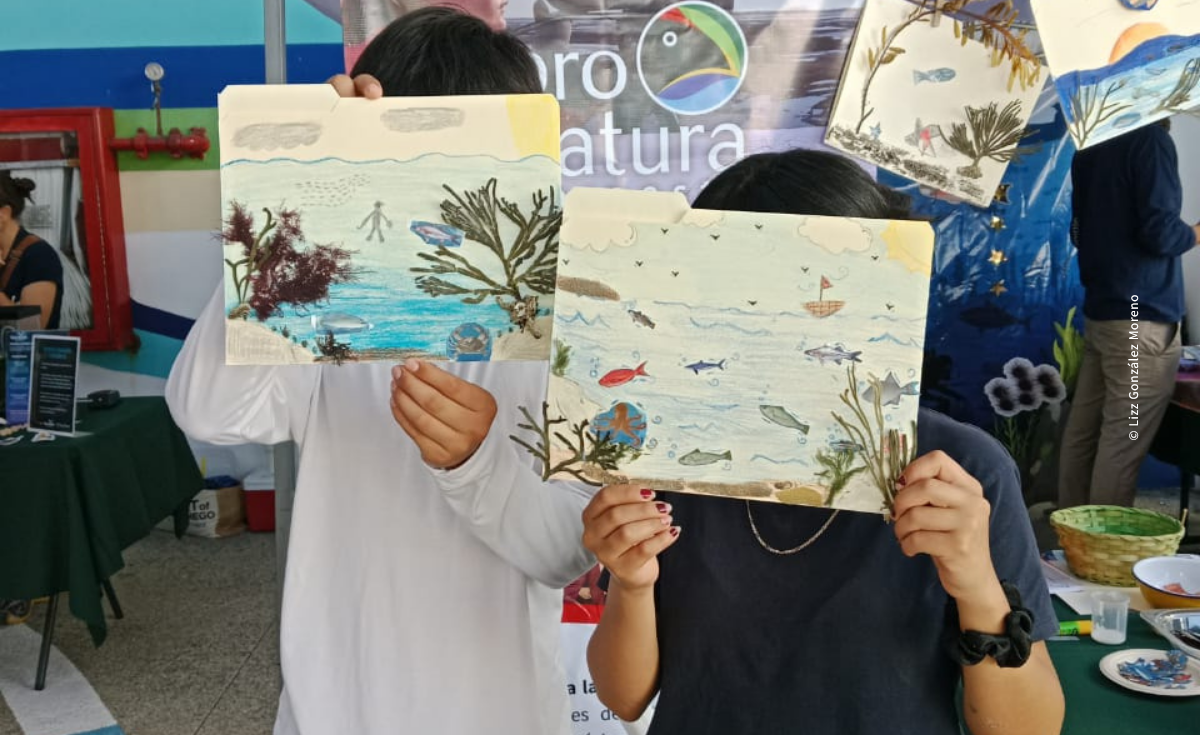
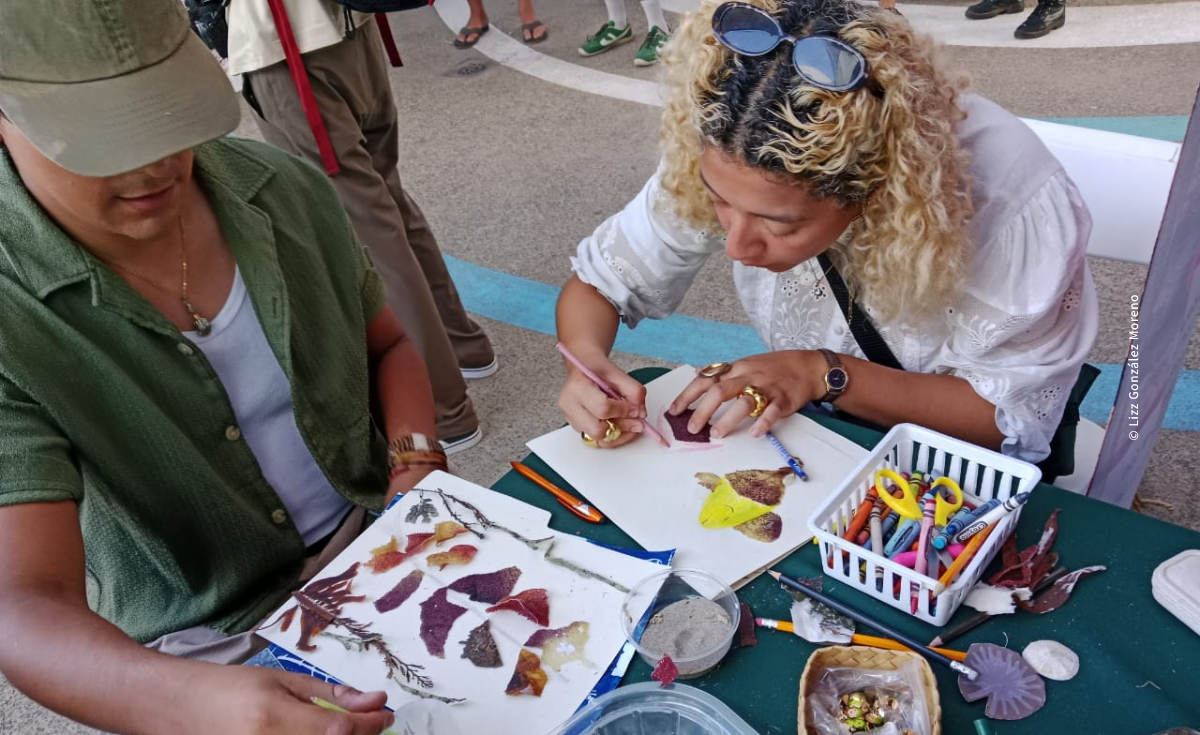
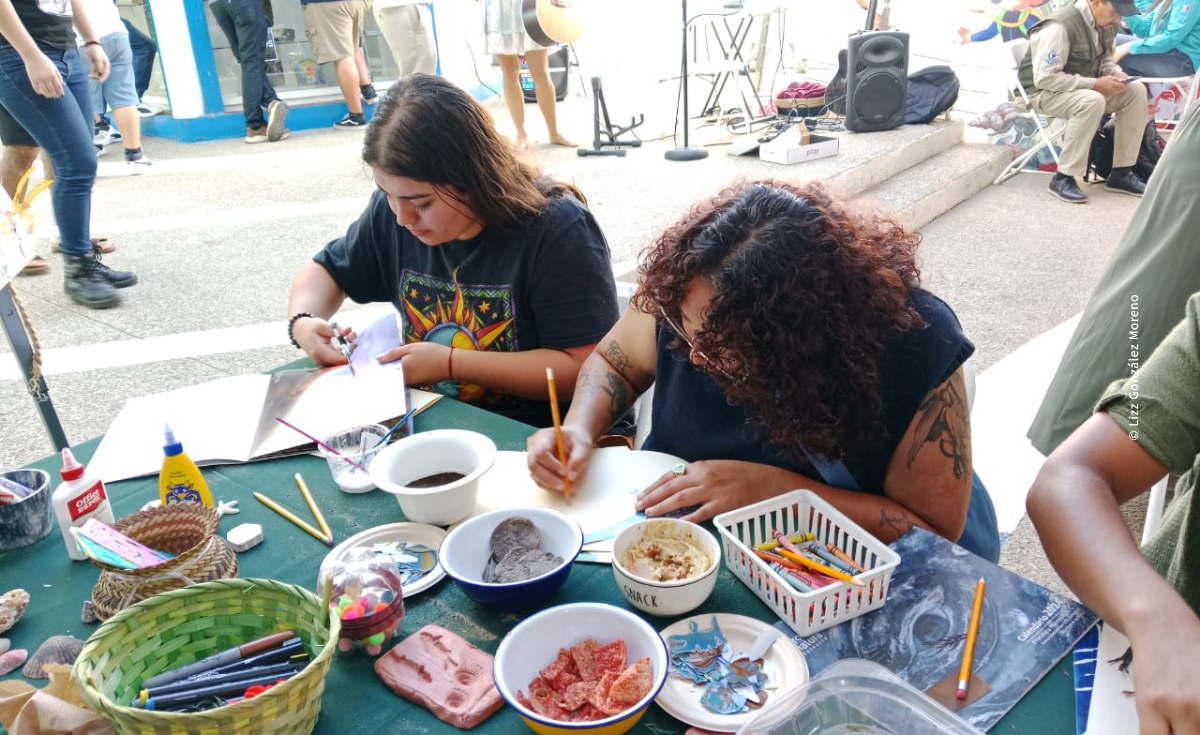
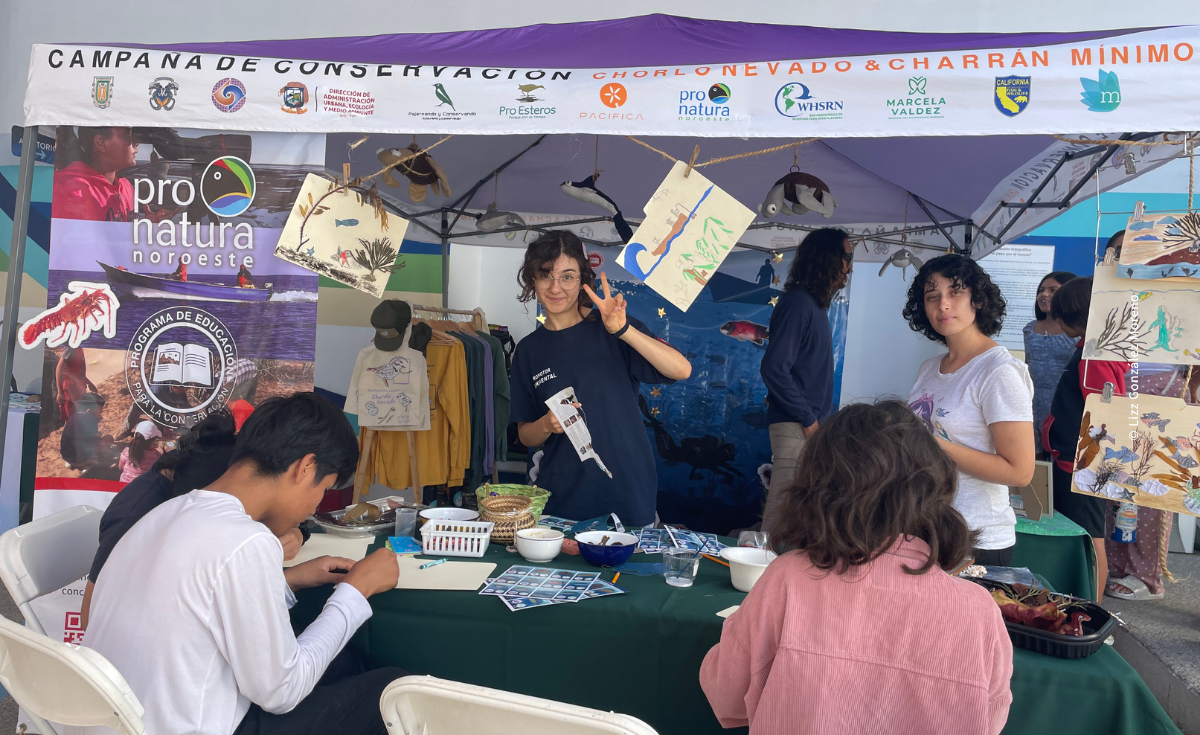
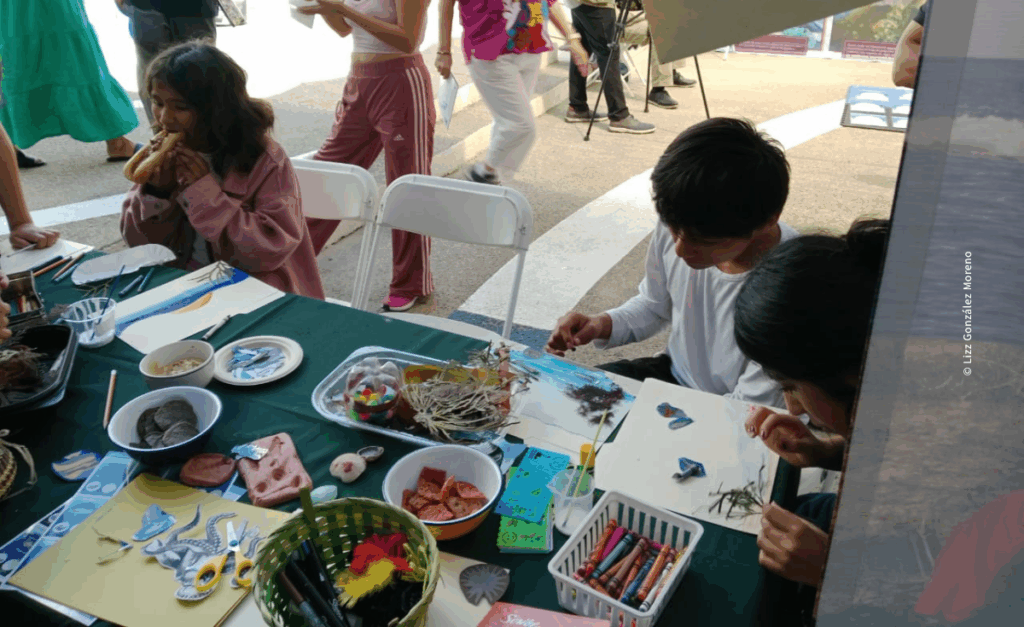
One of the activities was the workshop “Arte y vida submarina” (Art and Underwater Life), presented by Pronatura Noroeste in collaboration with the Phycological Herbarium CMMEX in the Facultad de Ciencias Marinas (School of Marine Sciences) in the Universidad Autónoma de Baja California (UABC).
In this space, children and adults explored this wonderful underwater world, where they learned about species of algae that inhabit the area, and represented the beauty of it through artistic collages, strengthening their bond with the marine environment.
The Value of Kelp Forests
The kelp forests, also known as Giant Kelp Forests (Macrocystis pyrifera), are “underwater forests” that can reach a height of up to 30 meters (98 ft), spreading from the bottom of the ocean to the sea surface. In Mexico, kelp forests are distributed along the western coast of the Baja California peninsula, from the border with the United States all the way to Bahía Asunción, in Baja California Sur.
These ecosystems are home of nearly a thousand marine species, like fishes, invertebrates, mammals and birds. Besides capturing large amounts of carbon dioxide through photosynthesis, kelp forests are helping to reduce climate change.
The kelp is used as a source of alginates and agar, used by the food and medical industry, as a fiber-rich food, Omega-3 fatty acids and vitamins. On top of that, it serves as an habitat to species of high commercial value like abalone, the spiny lobster and the red sea urchin, pillars of the fishing areas in Baja California.
A Threatened Ecosystem
The kelp forests are facing growing threats due to climate change, marine heatwaves, the events of El Niño and irregular fishing, which are altering the ecological balance. Given this outlook, Pronatura Noroeste launches, along with cooperatives and industry stakeholders, a Fishery Improvement Project (FIP) for the red sea urchin. This project is oriented towards strengthening the sustainable management, traceability and restoration, looking to reinforce
the balance between the fishing production and ecosystem vitality and the well-being of coastal communities.
Translated by: Belinda Carpio
Reviewed and edited by: Dalhy Wong