

La Papalota has marked a milestone in the preservation of the mangrove forests and the jaguar; two important elements of Mexican ecosystems.
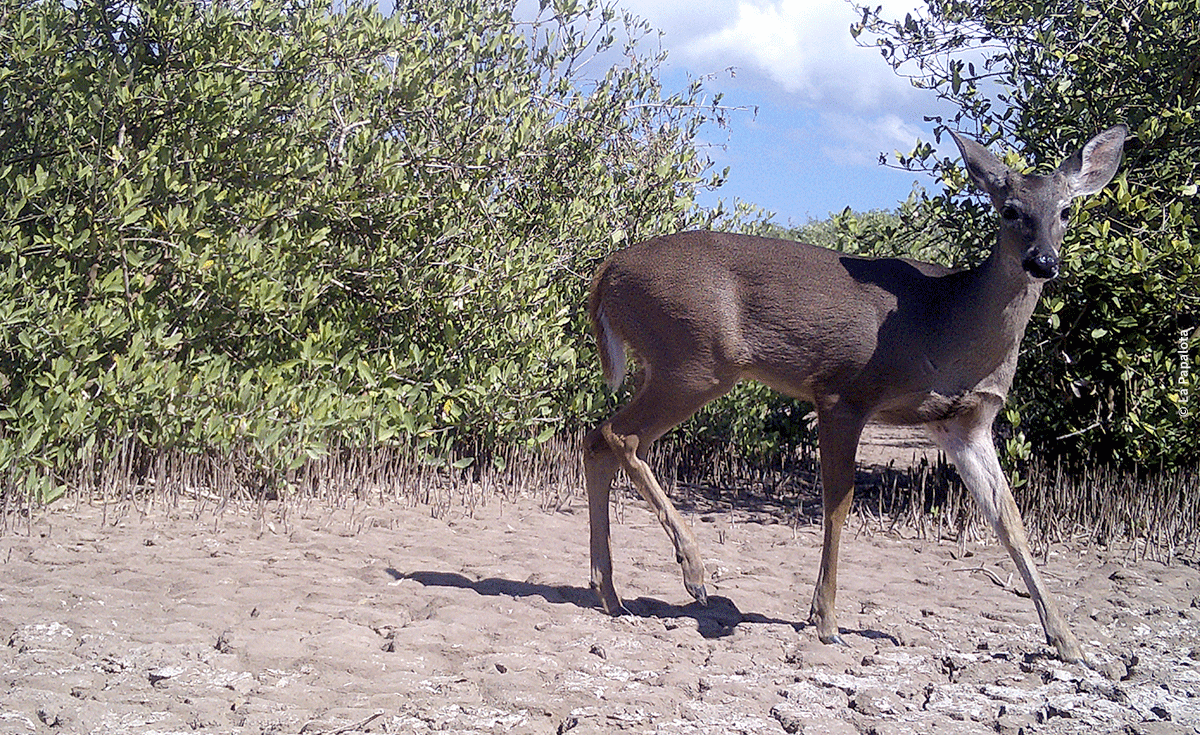
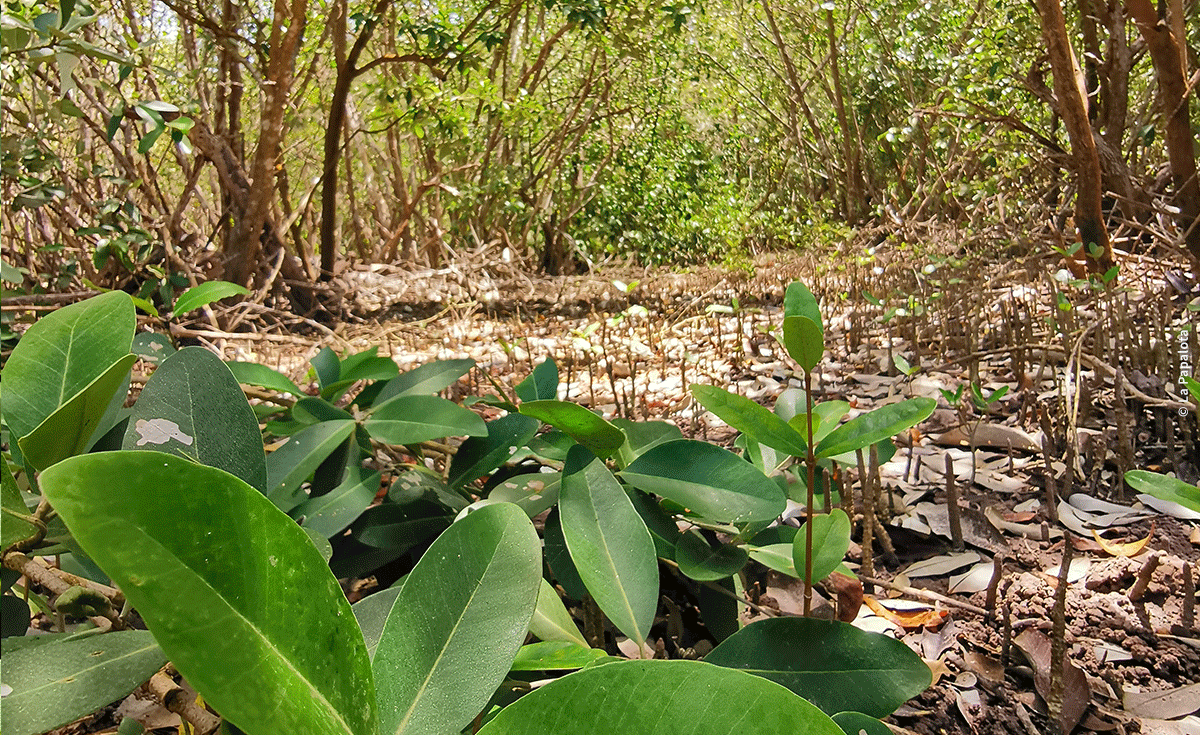
On Nayarit’s north coast, where Santiago River meets the Pacific Ocean, there is a 900-acre area that was once dedicated to livestock. Today, it shelters one of the most fragile, valuable ecosystems on the planet—the mangrove—and a threatened animal—the jaguar.
That place is ‘La Papalota’. Its history, as well as that of the ecosystem it protects, is a lesson in strength, gratitude to nature, and community collaboration.
At the head of it is Ignacio Vallarta Chan, called “Nacho” by his peers. He had never imagined himself planting mangroves, let alone protecting jaguars.
“To me, mangroves were for grilled fish, for palapas, for oyster rafts, but we accepted the challenge,” says Nacho, Pronatura Noroeste’s vice-president in Nayarit.
La Papalota was dedicated to livestock for generations. In 2007, an announcement from the National Forest Commission (known by its Spanish acronym, CONAFOR) regarding mangrove reforestation projects changed everything.
“What started as a resource project became a commitment to wildlife,” says Nacho. The initial plan was to produce 10 thousand mangrove trees to generate resources using La Papalota’s land, but upon learning that the project that would help the region’s sustainability, the original purpose changed.
Though the first attempt failed, he didn’t give up. After six months, and a lot of trial and error, he managed to produce not ten, but twelve thousand trees.
It was a pioneering reforestation effort that brought together more than 300 people, who transformed La Papalota into a nursery for other ejidos, increasing the mangrove restoration in the San Blas mangroves.
“This is what it’s all about: learning, and becoming passionate about preservation,” says Nacho, who went from a farmer to an ecosystem defender.
La Papalota: A Protected Area
In 2008, the National Commission for Protected Natural Areas (known by its Spanish acronym, CONANP) found out about La Papalota’s ecological value—mangroves, tropical deciduous forest and thornscrub, three ecosystems rarely found together.
At the beginning, there was some concern about losing the property, but by then there was already a major commitment with nature, so they decided to turn it into a Voluntarily Designated Conservation Area (known by its Spanish acronym, ADVC).
That commitment changed everything. Cutting mangroves was prohibited, community vigilance was implemented, school reforestation campaigns were made, and crucial actors, such as Pronatura Noroeste, were involved.
“People started respecting the place. They don’t trespass like before, nor cut nor destroy the mangroves,” says Nacho.
Feline Surprise in La Papalota
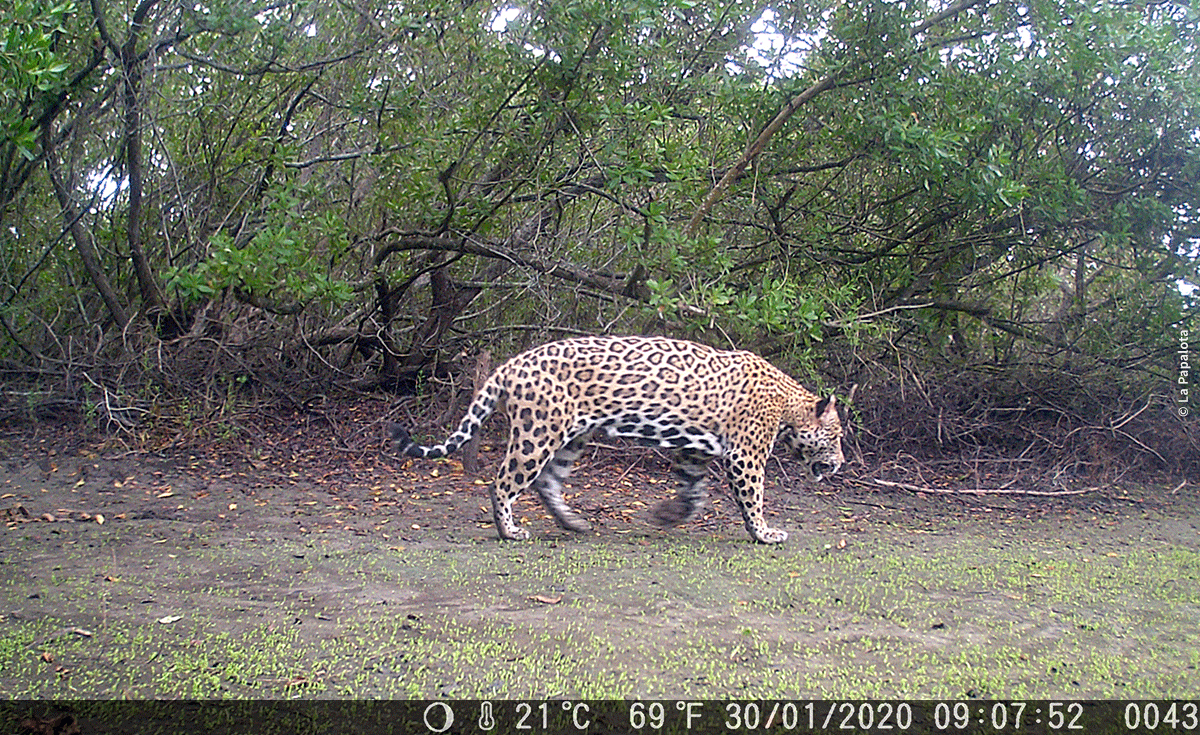
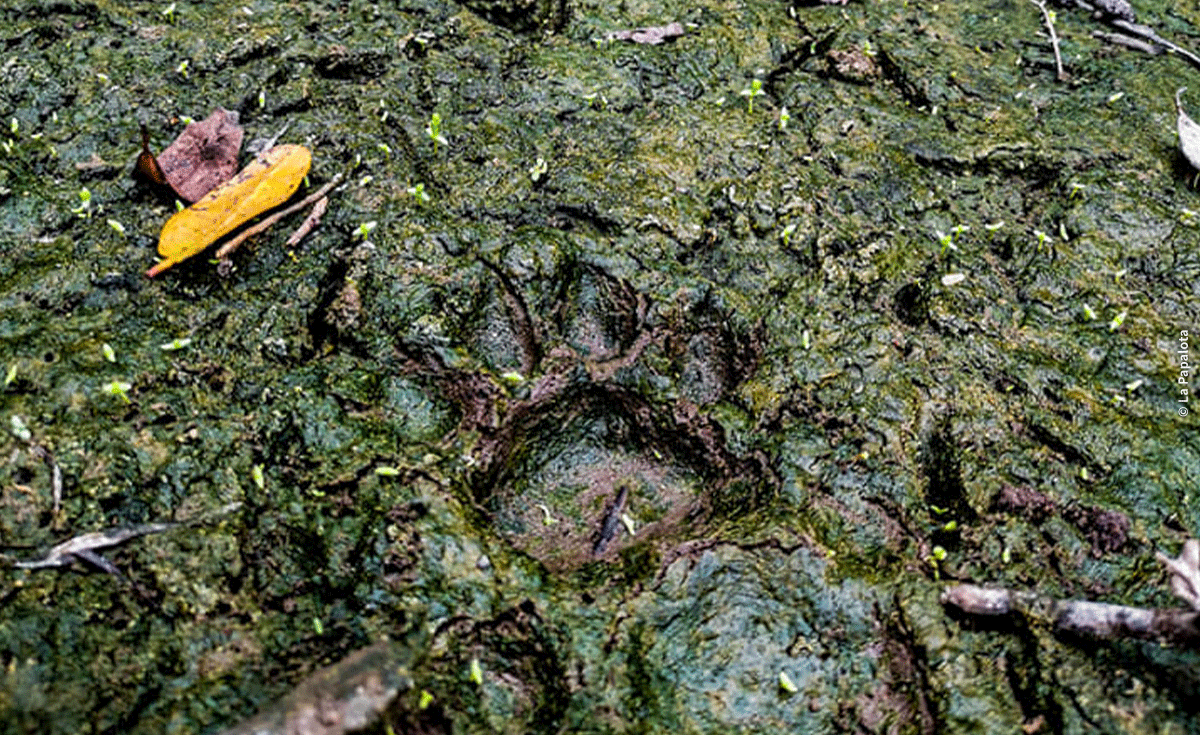
In 2013, there was a big surprise: A trailcam, installed by CONANP, captured a jaguar’s silhouette. Days later, one of Nacho’s sons photographed the same wild feline using a simple camera. It was the first photographic record of wildlife in the area.
From that moment on, systematic monitoring started with the support of Pronatura Noroeste and the Universidad Autónoma de Nayarit. The initial results weren’t taken seriously by authorities, but evidence helped to reveal something far more important: La Papalota was not only a passage area, but also jaguar territory.
At least four specimens have been identified each year, including females with cubs
—in a place where, according Mexican research on jaguar habitat, there would barely be room for one.
“This goes against all theory,” says Nacho, proud of the fact that the jaguar photographed back in 2013 marked a milestone in the region. This discovery was so big that it became state news and triggered researchers’ interest.
However, the continued presence of the jaguar has placed La Papalota at the center of a greater mission: preserving the biological corridor between Sinaloa and Nayarit. It has been breaking up due to urban expansion, land-use change, shrimp farms, and the accumulated impact of dams over Santiago River, which stop the sediment and erode the coast.
Solutions are now being revisited for the preservation of the region. There are discussions about a joint project with National Geographic, alliances with academia, reforestation even in schools, and about the role of mangroves as a defense against climate change.