

Six organizations from Mexico and the United States have been able to restore a part of the Colorado River delta, reversing decades of degradation, through binational agreements and environmental efforts against the water crisis.
During one of the most severe water crises of the century, a binational alliance of civil, scientific, and environmental organizations achieved what seemed impossible: bringing back to life the Colorado River delta, one of the most degraded ecosystems of North America.
On June 17, we celebrate World Day to Combat Desertification and Drought, which leads us to think about all the efforts that we’ve put forward for more than 20 years with sister organizations.
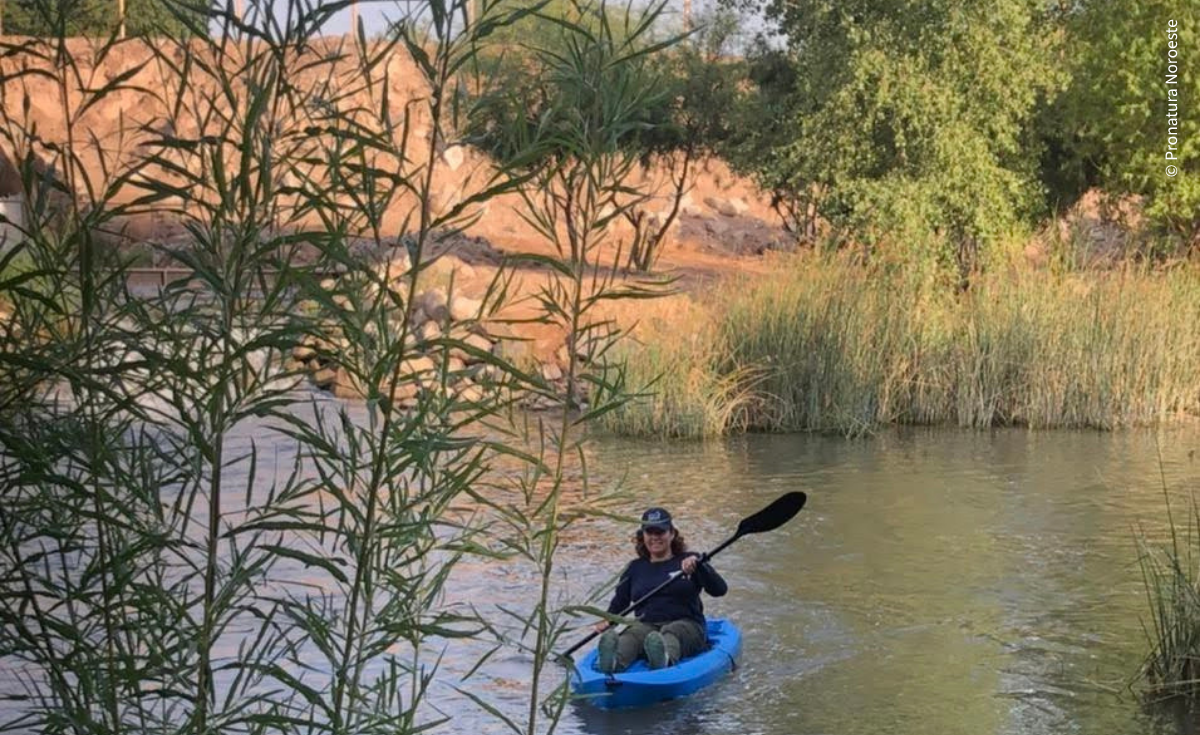
Through diplomatic agreements and environmental restoration strategies, the initiative Raise the River – Alianza Revive El Rio Colorado was created. Thanks to this initiative, we achieved that the water began to flow again, though limited, in riverbeds that were dry for decades.
This effort involves six non-governmental organizations from Mexico and the United States: Pronatura Noroeste, National Audubon Society, Restauremos el Colorado, A.C., Sonoran Institute, The Nature Conservancy, and The Redford Center. These organizations had been collaborating with both governments since 2012 to reverse the damage caused by exploitation and climate change.
Miguel Ángel Vargas, Coordinator of Terrestrial Ecosystems at Pronatura Noroeste expressed, “It is never too late to fight against drought. Here in the delta — one of the warmest places on earth — we face a tough situation because of the heat and the low water levels.”
“We see that nature is resilient, so there will always be a chance to recover, maybe not to the original levels, but there will always be a way to recover and fight against desertification, climate change, and to adapt ourselves”.
The delta had an extension of more than 800,000 hectares from the Arizona-California border to the Gulf of California; today it survives only with isolated patches of native habitat.
The impact on the Mexicali Valley and the “Pulse Flow”
The construction of dams, the growing agricultural and urban demand, and a prolonged drought have left the river without the strength to reach the sea. This degradation has not only affected the local flora and fauna, but also native villages such as the Cucapá Nation, whose sustenance and culture were deeply tied to the river.
“The whole Mexicali Valley used to be the Colorado River Delta. Normally, you can see crops, business, ranches, the city of Mexicali, even the city of San Luis Rio Colorado, and all the ejidos,” recalled Vargas.
“All of that was the delta, thousands, and thousands of hectares, but it disappeared slowly. Since the last century, the desert has been tamed and used for agriculture.”
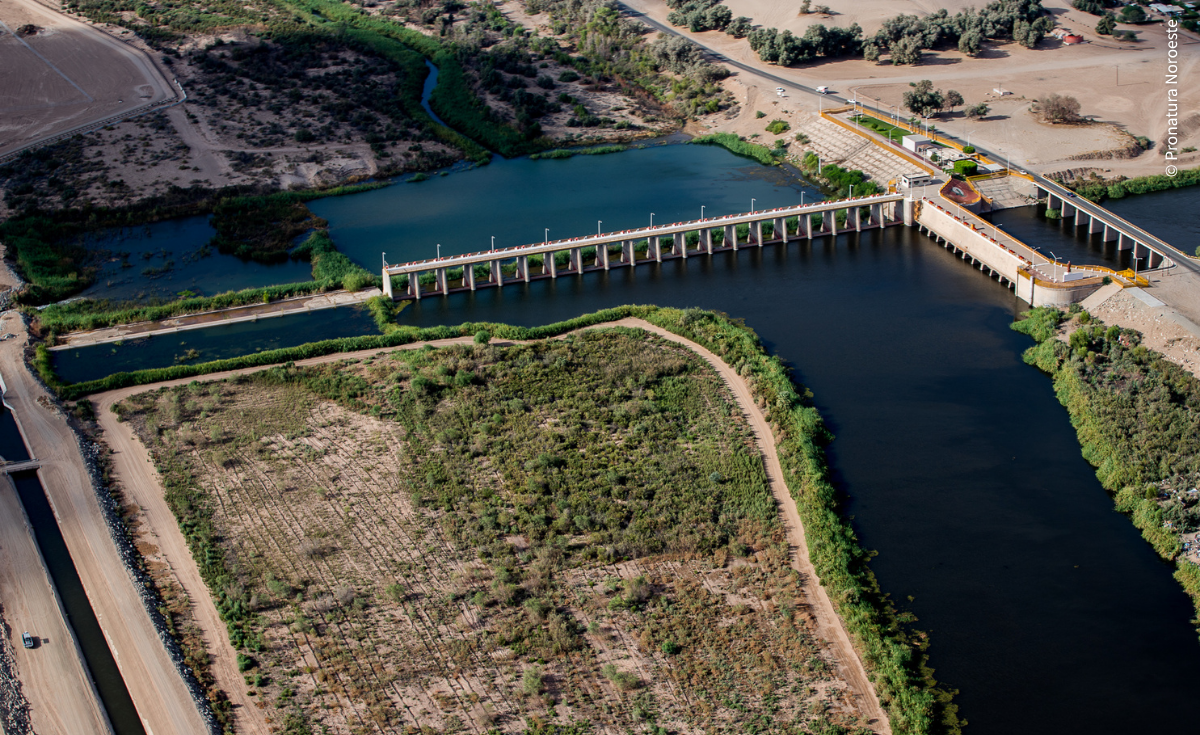
The water running in Mexicali flows through a network of canals to supply agricultural and human consumption. Thanks to the agreement known as Minute 319 (2012-2017), water was allocated for environmental purposes, marking a milestone in international cooperation on water management.
Through this measure, the Pulse Flow rose with 130 million cubic meters and a Base Flow of 65 million cubic meters, which reconnected the Colorado River watershed with the Gulf of California.
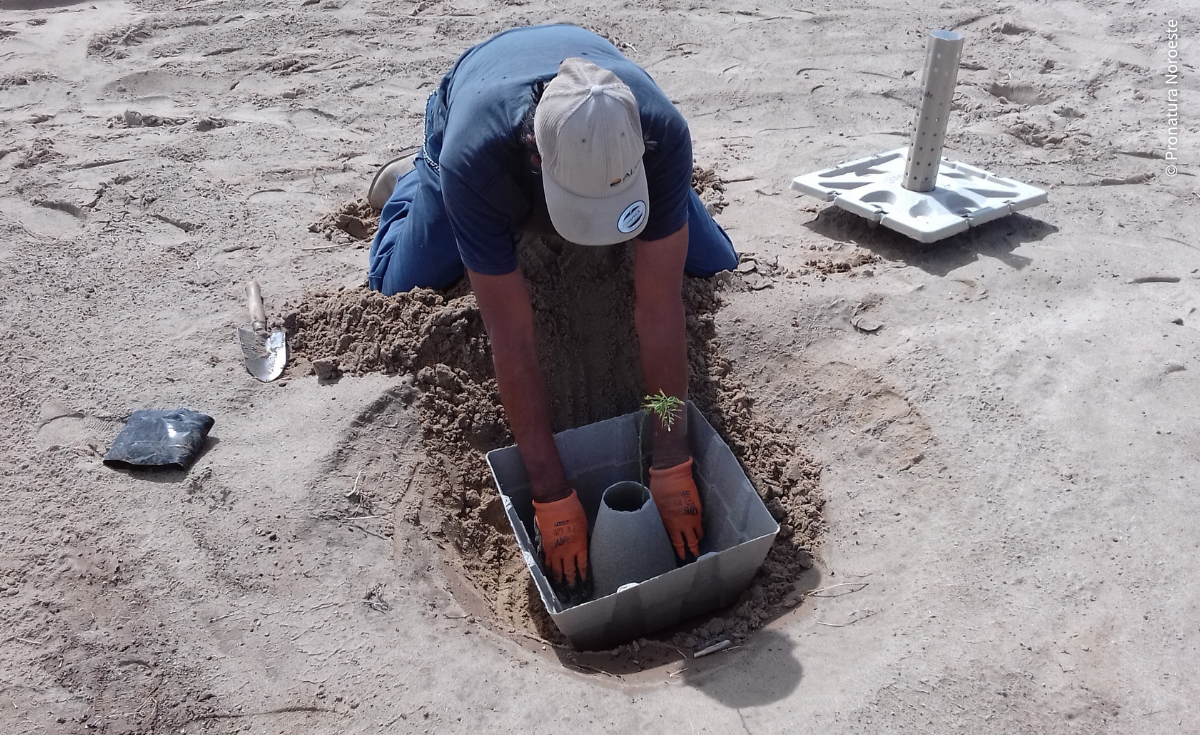
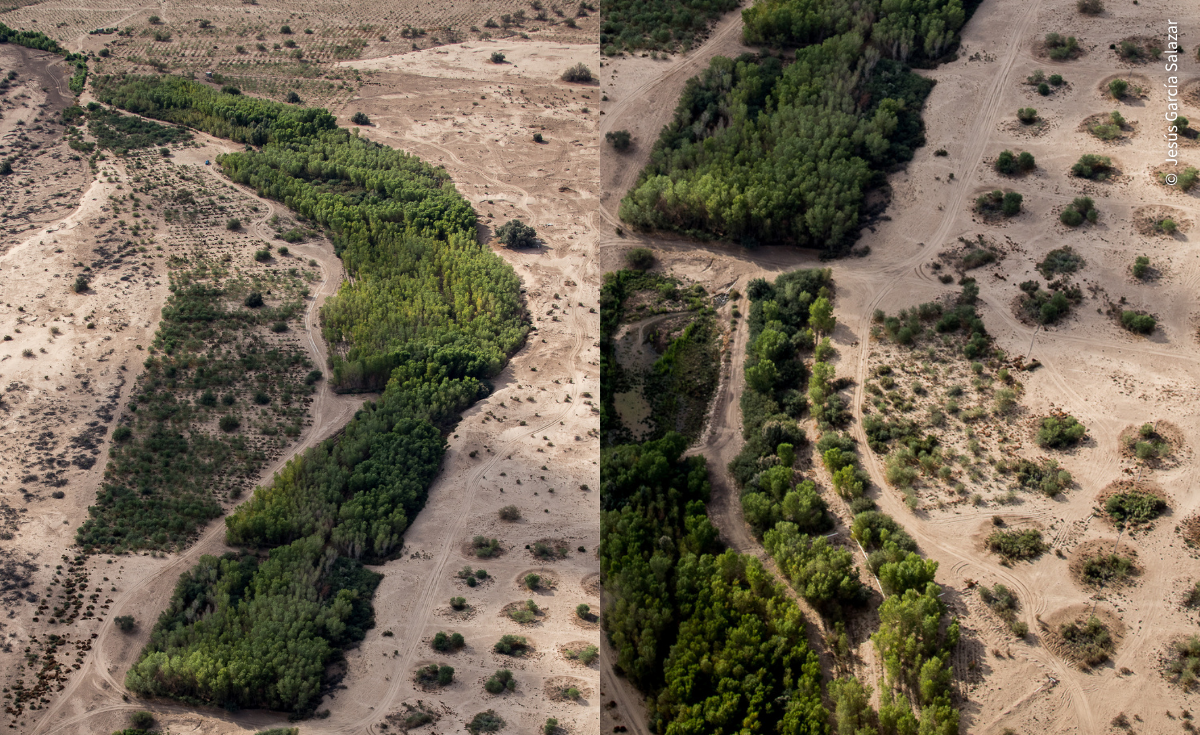
This effort also allowed the reforestation of more than 500 hectares of riparian forests.
Later came Minute 323 (in effect until 2026) committed the delivery of 259 million cubic meters of water, which has allowed the river to flow for periods of up to six months in the years of environmental water releases.
But the work has not stopped for more than 20 years. In 2014, one of the most emblematic moments happened: the “Pulse Flow”, which let the river connect with the sea for the first time in more than a decade.
How has the work been to recover the Colorado River Delta?
The Colorado River is one of the most important basins in North America. It rises in the Rocky Mountains in the United States and runs more than 2,000 kilometers through five states before crossing the border between Arizona, Sonora, and Baja California.
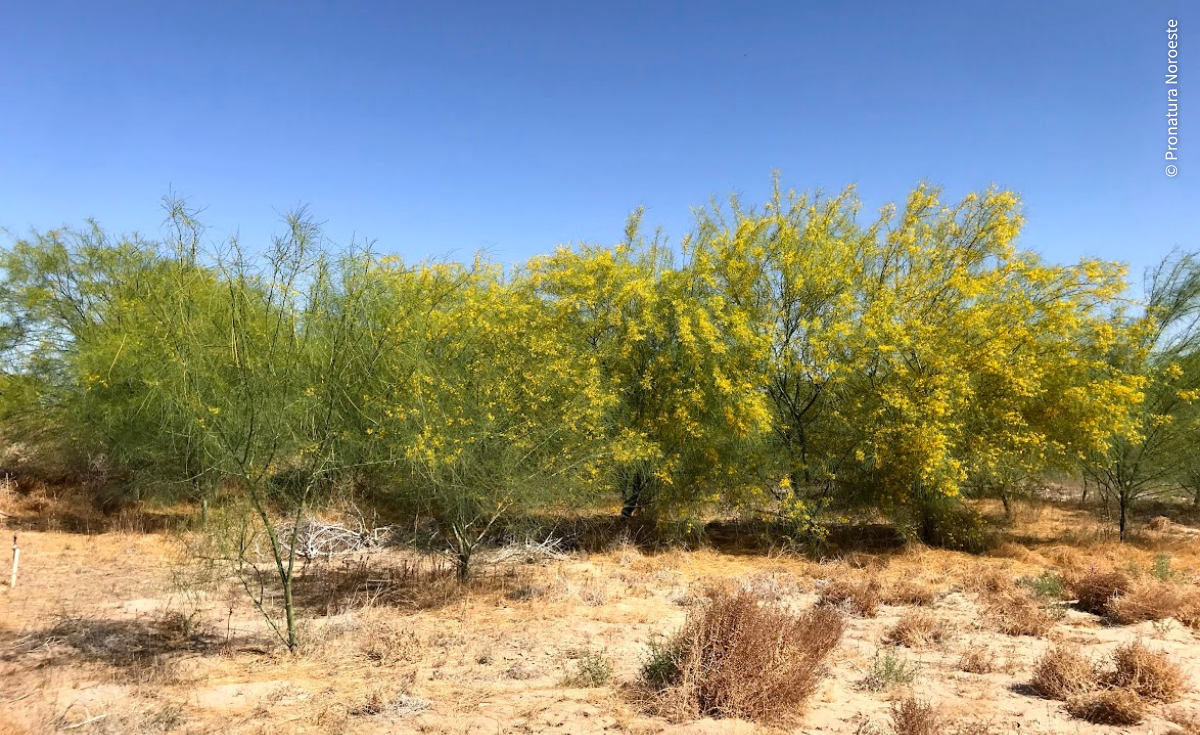
We have worked to bring back the strength of the river, reforesting more than 500 hectares with native cottonwoods and willows. Water trusts have been established in the Mexicali Valley, and more than 9,800 people have participated in restoration and environmental education activities. Restorative maintenance has also been carried out on 432 hectares of native forest.
In recent years, thanks to the intervention of Restauremos el Colorado, an initiative was launched to develop 15 pilot projects of regenerative agriculture to promote efficient water use, improve soils, and mitigate climate change in Irrigation District 014 “Colorado River.”
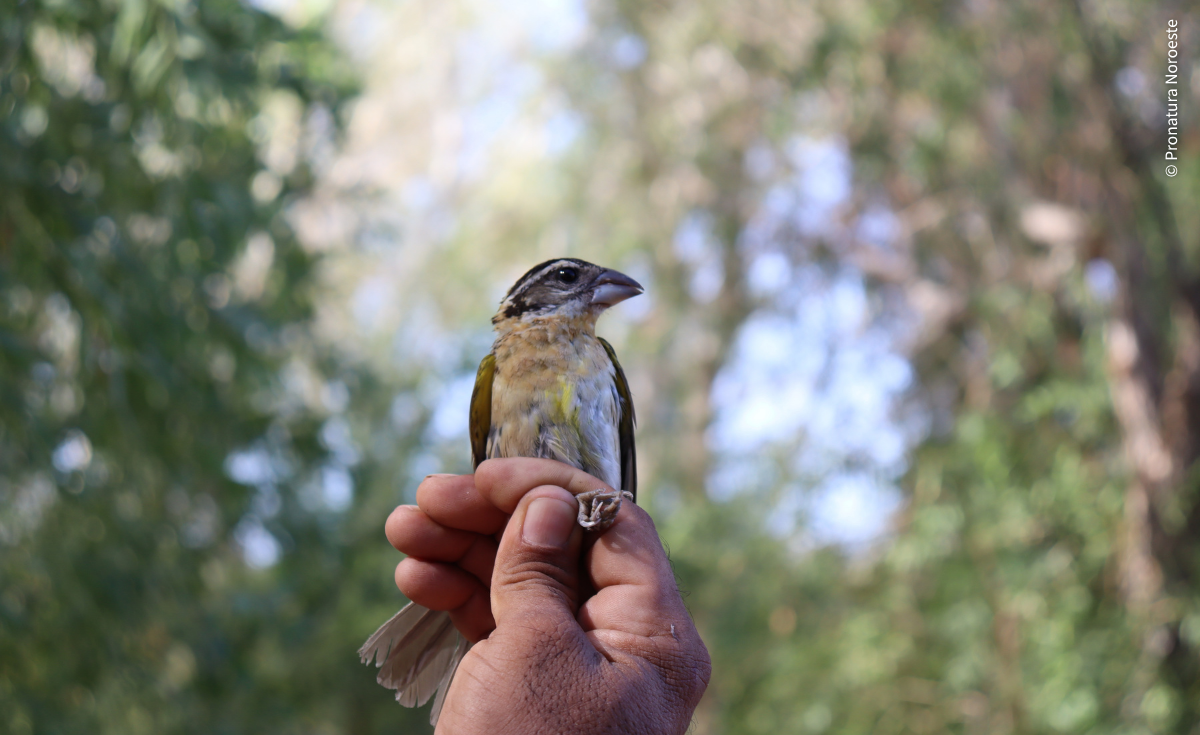
We have delivered more than 425 million cubic meters of water to the environment for restoration since the start of the program. This has helped achieve a 70 percent increase in birds in restored sites, with 360,000 migratory and resident birds recorded in total.
During this period, up to 21,000 people have been involved through guided visits to restoration sites, volunteer events, and active participation of local communities in conservation activities.
The Alliance estimates that with just 55 million cubic meters of the river’s historical annual flow, it is possible to rehabilitate and maintain critical habitat. This way, the river can revive and continue providing communities with its environmental, recreational, and cultural services.
We believe this work is of great importance for the sustainability of the communities along the Colorado River, including the Northwest of Mexico, one of the driest regions of the country.
Translated by: Hannah Peralta.
Reviewed and edited by: Airam Norzagaray.