

The verdillo, a once-overlooked fish, took first place at Cocina la Baja, boosting sustainable fishing, the local economy of Punta Abreojos, and proving that traceability can open markets for underutilized species.
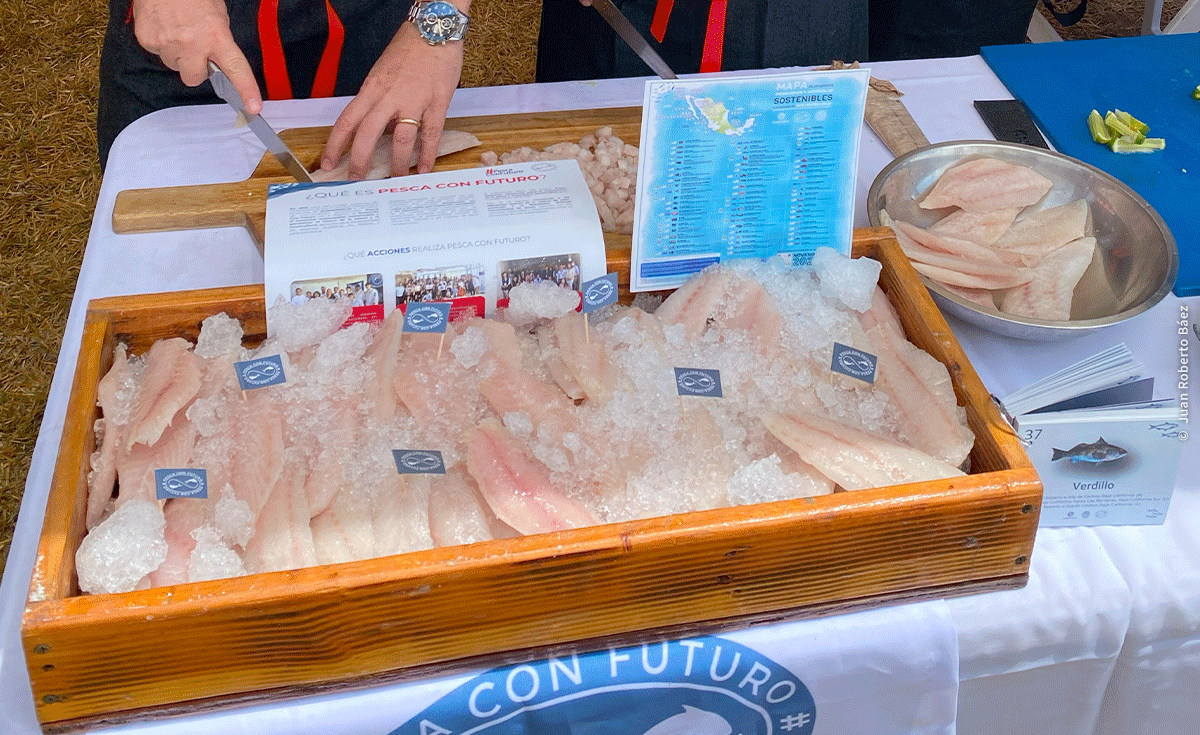
A little-known fish in Mexico, with white meat and a subtle flavor, has begun to make waves in national cuisine and shift the narrative of fishing communities: The verdillo (Paralabrax nebulifer).
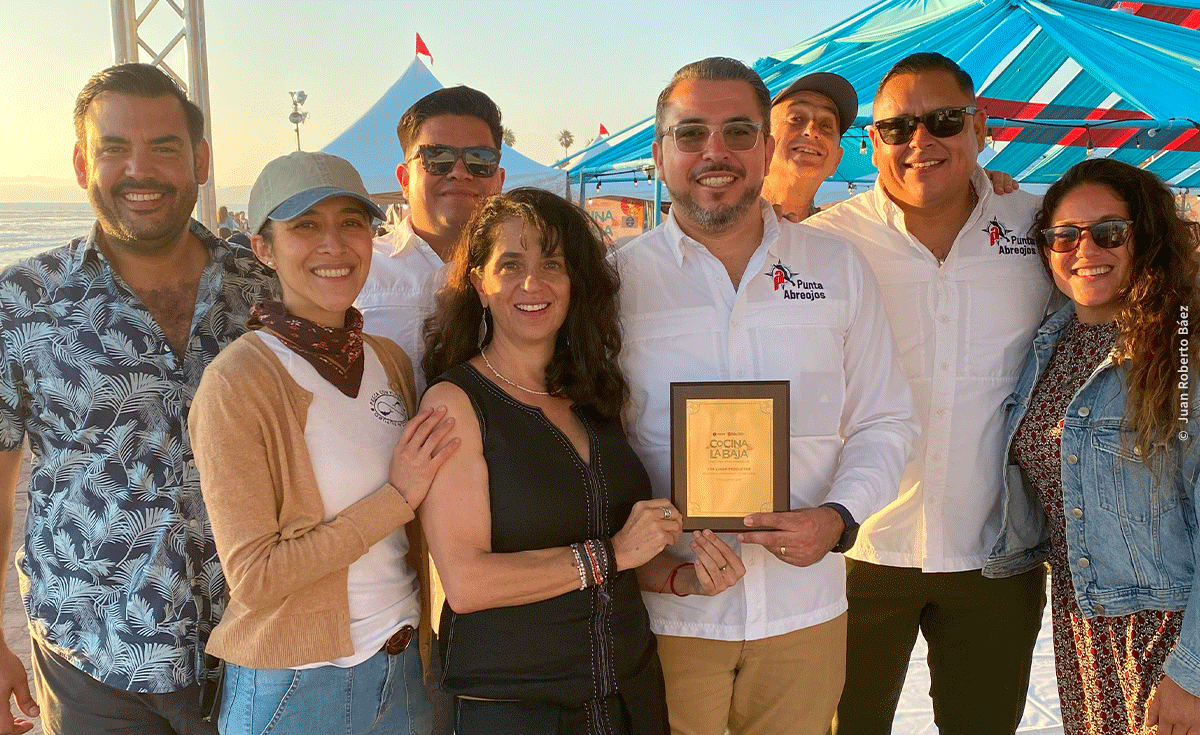
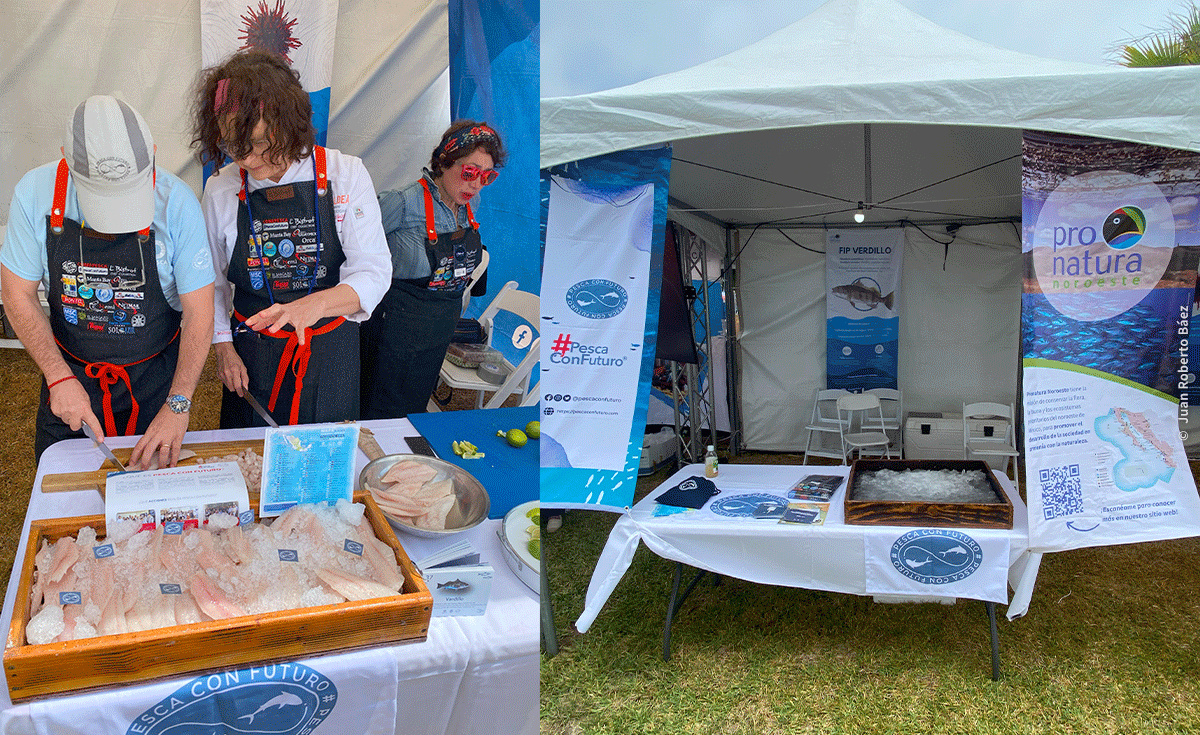
Its entry into the national market was marked by an unexpected yet powerful recognition: first place in the professional contest at the “Cocina la Baja” festival—one of the most important gastronomic platforms in northwestern Mexico, organized by the Baja California State Fisheries Secretariat (known by its initials in Spanish, SEPESCA), and recognized for highlighting seafood and aquaculture products.
This triumph is the result of a collaborative process that combines sustainability, traceability, and fisheries improvement. This collaboration was between civil society organizations such as Pronatura Noroeste and COMEPESCA, alongside socially rooted fishing cooperatives like the Punta Abreojos Cooperative in Baja California Sur. As well as commercial partners, primarily Nueve Palmas, which has committed to restoring the value of this species, which was often discarded or sold cheaply.
“The verdillo has historically been a marginalized fish. In some areas, it was thrown back to the beach because there was no market for it,” explains Juan Báez, sustainable value chains specialist at Pronatura Noroeste. “The fact that it won a contest against such prized species as abalone or sea urchin shows us that something is changing.”
Beyond Flavor: Sustainability and Traceability
The success of the verdillo goes beyond its taste. Renowned chefs such as Benito Molina and Federico López are already praising the fish for its versatility, texture, and the production model behind it.
Thanks to the trajectory and strong commitment of these fishing organizations, along with the adoption of harvesting techniques such as the Japanese bleeding (ikejime method) and a traceability chain that begins at the point of catch, the product now meets international quality standards.
“At Pronatura, we are supporting traceability to ensure it extends from the water to the diner. This makes it possible to guarantee the legality, sustainability, and quality of the product,” explains Báez.
“It also helps protect endangered species such as the vaquita marina, because we can demonstrate that these fisheries are not involved in zero-tolerance zones or illicit activities.”
“It Was a Surprise”
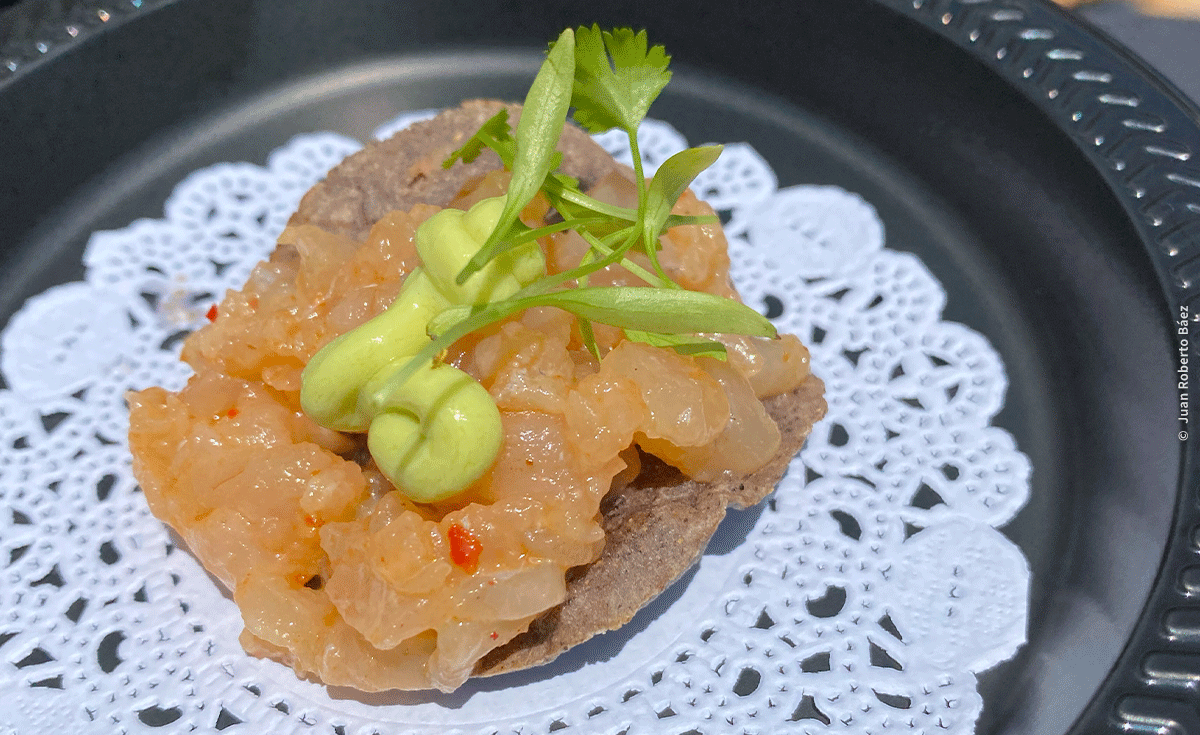
The verdillo won the Cocina la Baja contest with a dish prepared by Chef Abraham García of Bocalobina Sushi & Oyster Bar, who worked hand in hand with fishers from the Punta Abreojos Cooperative.
The dish stood out in the competition, where top chefs showcased renowned products such as abalone and sea urchin, earning an unexpected recognition.
“They said, ‘We can’t believe it,’” recalls Báez.
“The verdillo had always been considered a second-class fish. Winning with it was a dream.”
This victory not only shines a light on a once-overlooked species, but also empowers a community that has historically lived in the shadow of other high-value products.
The Verdillo Reaches the National Market
The verdillo can now be found on platforms such as DILMUN or Smart Fish, or directly through the Punta Abreojos Cooperative. It has also started to make its way into restaurants along the tourist corridor of Baja California Sur and in Cancún.
However, the goal is more ambitious: to bring it into major retail chains and position it as a national alternative to imported fish such as tilapia or basa.
“We want to stabilize the finances of fishing communities. Fish less, earn the same or more. That is sustainable development,” says Báez.
With a competitive price, high-quality processes, and the support of renowned chefs, verdillo is now making its mark in the market, no longer a well-kept secret of the Mexican Pacific.
Translated by: Airam Norzagaray.
Reviewed and edited by: Hannah Peralta.